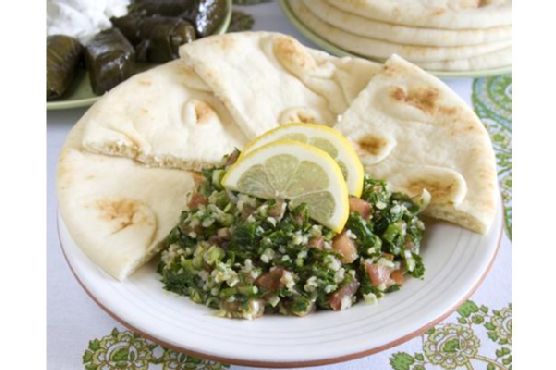
Zesty Citrus-Infused Tabouleh with Pomegranate Seeds
Imagine the sun-dappled kitchen, where a cool breeze carries the scent of fresh herbs, mingling with the tangy zest of lemons and the sweet allure of ripe pomegranates. This isn’t just any tabouleh; it’s a vibrant, citrus-infused delight that promises to transport your taste buds straight to the bustling markets of the Middle East.
My Journey to the Perfect Tabouleh
Tabouleh has long been a staple in my culinary repertoire, a dish I first fell in love with during a summer spent exploring the diverse flavors of Middle Eastern cuisine. I vividly remember the first bite I took at a tiny café in Beirut, where the salad was as bright and refreshing as the Mediterranean Sea itself. The balance of fresh herbs, juicy tomatoes, and the unexpected crunch of pomegranate seeds was a revelation.
Back in my own kitchen, I was determined to recreate that magic — but with my own personal twist. After many delicious experiments, I discovered that the secret to capturing that vibrant essence lay in the citrus. By incorporating the zest and juice of fresh lemons, and adding a sprinkle of sumac for a subtle kick, I could elevate this classic dish to new heights.
Of course, not every experiment was a success. There was that one time I mistook cumin for sumac — let’s just say it led to a very spicy surprise! But with each misstep came the invaluable lessons that have shaped my culinary journey.
Now, this Zesty Citrus-Infused Tabouleh has become a beloved recipe, not just for its refreshing taste, but for the memories it evokes — of sunlit kitchens and the joy of discovery. I can’t wait to share it with you.
What Makes This Version Special
This tabouleh isn’t your standard salad. The addition of **pomegranate seeds** introduces a burst of sweetness that dances on the palate, while **sumac** lends a subtle, lemony spice that contrasts beautifully with the traditional flavors. The lemon zest, a simple but transformative upgrade, infuses the dish with a citrusy aroma that lingers long after the last bite. It’s a salad that’s not just fresh but full of surprises, making it a standout at any gathering.
Flavor Profile
When you savor a forkful of this tabouleh, you’re met with an orchestra of flavors: the refreshing, herbaceous notes of parsley and mint; the juicy, sun-ripened tomatoes; and the sweet, jewel-like pomegranate seeds that pop with every bite. The dish is tangy and invigorating, thanks to the fresh lemon juice, while the sumac provides a spicy, lemony warmth that ties everything together. It’s a flavor journey that’s both familiar and delightfully new.
Ingredients
- 1 cup cooked bulgur wheat
- 1 cup flat leaf parsley, stems removed
- 1/2 cup fresh mint, stems removed
- 3 green onions, finely chopped
- 2 roma tomatoes, diced
- 1/2 cup **pomegranate seeds**
- 1 teaspoon **sumac**
- Zest of one **lemon**
- Juice from 1 lemon
- 1/4 cup olive oil
- 1/2 cucumber, diced
Instructions
- Begin by removing the stems from the parsley and mint. Rinse the leaves thoroughly in a colander to remove any dirt. Pat them dry with a paper towel.
- In a food processor, pulse the parsley and mint until finely chopped. This should only take a few quick pulses — be careful not to over-process into a paste.
- Transfer the chopped herbs to a large mixing bowl. Add the diced green onions, roma tomatoes, cucumber, and cooked bulgur wheat. Stir gently to combine, ensuring the ingredients are evenly distributed.
- In a small bowl, combine the lemon juice and olive oil. Remember to zest the lemon before juicing to release those essential oils, which enhance the citrus flavor.
- Pour the lemon and olive oil mixture over the salad. Toss everything together, making sure every ingredient is coated in the citrusy dressing.
- Refrigerate the tabouleh for at least an hour before serving. This allows the flavors to meld beautifully.
- Just before serving, sprinkle the sumac over the salad for that final spicy finish. Serve chilled or at room temperature, on its own or with warm pita bread.
Pro Tips from Meaghan’s Kitchen
- Use fresh herbs for the best flavor. Dry herbs won’t provide the same vibrant taste.
- For a quicker prep, chop the herbs with a sharp knife if you don’t have a food processor. Just be sure to chop them finely.
- If you can’t find bulgur, couscous or quinoa makes a great substitute.
- Toast the bulgur wheat before cooking to bring out a nutty flavor that adds depth to the dish.
- Adjust the amount of lemon juice to your taste. Some like it tangier, while others prefer a milder citrus zing.
Variations & Dietary Swaps
- Vegetarian Delight: This tabouleh is already vegetarian, but for a vegan version, ensure all your ingredients, like the olive oil, are certified vegan.
- Spice-It-Up Version: Add a pinch of cayenne pepper for a fiery kick that complements the lemony notes.
- Kid-Friendly Version: Reduce the sumac and add more pomegranate seeds for extra sweetness that kids love.
What to Serve With It
This Zesty Citrus-Infused Tabouleh pairs beautifully with a chilled glass of crisp Sauvignon Blanc, which complements the citrus notes perfectly. For a complete meal, serve it alongside grilled halloumi cheese for a delightful contrast in textures. It’s also a great side dish to roasted lamb or chicken kebabs, adding a refreshing balance to rich, savory meats.
Storage & Meal Prep
Store any leftover tabouleh in an airtight container in the refrigerator for up to three days. The flavors continue to develop, making it even more delicious the next day. While tabouleh doesn’t freeze well due to the fresh vegetable content, it’s quick to whip up as part of your weekly meal prep. For best results, keep the dressing separate until ready to serve.
FAQ
Can I make tabouleh ahead of time?
Absolutely! In fact, making it a day ahead allows the flavors to meld, resulting in an even tastier dish.
What can I use instead of bulgur wheat?
If you’re out of bulgur wheat, couscous or cooked quinoa are great alternatives that maintain the dish’s texture.
Is sumac essential to this recipe?
While sumac adds a unique, tangy flavor, you can omit it if unavailable. Consider substituting with a bit of lemon zest for a similar effect.
Can I add more vegetables to the tabouleh?
Feel free to experiment! Diced bell peppers or radishes make excellent additions for extra crunch and flavor.
Final Thoughts
There you have it — a vibrant, Zesty Citrus-Infused Tabouleh with Pomegranate Seeds that is sure to impress both your palate and your guests. Whether you’re new to the kitchen or a seasoned cook, this dish is an easy yet impressive addition to your culinary repertoire. I’d love to hear how your tabouleh turns out, so feel free to share your experiences and any twists you might add in the comments below. Happy cooking!
Related update: Zesty Citrus-Infused Tabouleh with Pomegranate Seeds
Related update: Tropical Avocado Salad with Grilled Shrimp and Toasted Coconut