Zesty Quinoa Tabbouleh with Pomegranate and Toasted Almonds
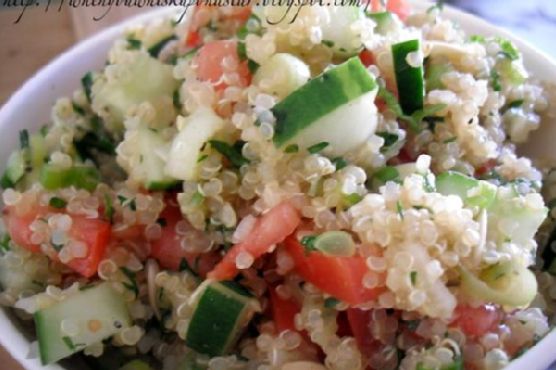
Imagine a sunlit kitchen where fresh herbs release their fragrant oils into the air as you gently massage them with a pinch of salt. The nutty aroma of toasted quinoa mingles with the sweet-tart burst of pomegranate arils, promising a dish that delights every sense. Welcome to my take on the classic tabbouleh — a zesty quinoa version that’s not just a salad, but an experience.
Personal Story
It was a crisp autumn afternoon when I first stumbled upon the concept of quinoa tabbouleh, a serendipitous discovery borne out of necessity. I was hosting a small gathering for friends, and as fate would have it, my pantry was devoid of the traditional bulgur. I looked around, eyes landing on a jar of quinoa that had been sitting on the shelf, almost forgotten. There was a moment of hesitation, a silent conversation with myself — could this really work?
Driven by both curiosity and the urge to impress my guests, I toasted the quinoa in a dry pan, the grains transforming into tiny, golden beads, their nutty aroma filling the kitchen. As I began to assemble the salad, adding vibrant green herbs and juicy tomatoes, I decided to experiment further. A bowl of pomegranate arils, their deep red hue catching the light, was too tempting to resist. In they went, along with a handful of toasted almonds for a bit of crunch.
That evening, as we gathered around the table, the tabbouleh was met with curious eyes and hesitant forks. But just one bite was enough to win everyone over. The bright, layered flavors, the unexpected crunch, the sweetness from the pomegranate — it was a revelation. And just like that, a new favorite was born, one that has since become a staple at my table.
Over the years, this zesty quinoa tabbouleh with pomegranate and toasted almonds has become more than just a dish; it’s a testament to culinary creativity and the joy of discovery in the kitchen. Each time I prepare it, I’m reminded of that first delightful surprise, and I eagerly anticipate the smiles it brings to those who taste it.
What Makes This Version Special
This version of tabbouleh is a vibrant twist on the classic Middle Eastern salad, elevating it to new heights with unique ingredients and techniques. By replacing bulgur with quinoa, we introduce a nutty depth that is enhanced by toasting the grains until they are golden and aromatic. The addition of juicy pomegranate arils brings a pop of sweetness and a hint of tartness, creating a beautiful contrast to the fresh herbs and vegetables.
Toasted almonds add a satisfying crunch, making each bite a delightful texture adventure. The use of sumac, a tangy spice that complements the lemony dressing, ties all the flavors together into a cohesive and exciting dish. This tabbouleh is not just a side salad; it’s a centerpiece, a conversation starter, and a celebration of flavors and textures.
Flavor Profile
The taste experience of this zesty quinoa tabbouleh is nothing short of a flavor journey. Imagine a forkful that starts with a burst of bright, citrusy notes from freshly squeezed lemon juice, perfectly balanced by the earthy, nutty undertones of toasted quinoa. The fresh herbs — mint and parsley — add a cool, aromatic lift, while the green onions provide a subtle zing.
As you chew, the pomegranate arils burst with a sweet-tart juiciness that dances on your palate, immediately followed by the satisfying crunch of toasted almonds. Together, these elements create a dynamic harmony, each ingredient playing its own role while complementing the others beautifully. It’s a dish that surprises and delights with every mouthful.
Ingredients
- 1 cup quinoa
- 2 cups water
- 4 green onions, chopped
- 1 cup diced tomato
- 1 cup diced cucumber
- 1/2 cup fresh mint, chopped
- 1 cup fresh parsley, chopped
- 1/4 cup olive oil
- Juice of 2 lemons
- 1 teaspoon garlic powder
- 1/2 teaspoon freshly cracked black pepper
- 1 cup pomegranate arils
- 1/2 cup toasted almonds, chopped
- 1 teaspoon sumac
- 1/2 cup crumbled feta cheese
Instructions
- Bring the water to a boil in a medium saucepan. Add the quinoa and stir. Cover and reduce the heat, allowing the quinoa to simmer on medium-low heat until all the water is absorbed, about 20 minutes. Stir occasionally to prevent burning. Once cooked, fluff with a fork and let it cool.
- While the quinoa is cooling, toast the almonds in a dry pan over medium heat until they are golden and fragrant, about 5 minutes. Set aside.
- In a large bowl, combine the chopped green onions, diced tomato, and cucumber. Add the fresh mint and parsley, gently massaging them with a pinch of salt to release their essential oils and fragrance.
- Once the quinoa has cooled, add it to the bowl of vegetables and herbs. Drizzle with olive oil and lemon juice, then sprinkle in the garlic powder, black pepper, and sumac. Gently stir to combine.
- Fold in the pomegranate arils, toasted almonds, and crumbled feta cheese, mixing until everything is evenly distributed.
- Cover the bowl and refrigerate the tabbouleh for at least an hour to allow the flavors to meld. Give it a good stir before serving.
- This dish is best enjoyed fresh but can be stored in the refrigerator for two to three days. Serve chilled and savor the symphony of flavors and textures!
Pro Tips from Meaghan’s Kitchen
- Toasting the quinoa before boiling is a game-changer. It adds a layer of complexity to the flavor that’s well worth the extra step.
- For an extra burst of freshness, add a pinch of lemon zest to the dressing. It enhances the citrusy notes beautifully.
- Don’t skip the resting time in the fridge. Letting the tabbouleh sit allows the flavors to develop and the salad to reach its full potential.
- If you’re preparing the dish ahead, keep the pomegranate arils separate until just before serving to maintain their juicy texture.
- Use a sharp knife to chop the herbs to prevent bruising and to keep the flavors vibrant.
Variations & Dietary Swaps
- Vegetarian Delight: Omit the feta cheese for a vegan version, or swap it with a plant-based feta alternative.
- Spice It Up: Add a finely chopped red chili or a dash of cayenne pepper for a spicy kick.
- Kid-Friendly Version: Reduce the amount of herbs and introduce small cubes of mild cheese, like mozzarella, to make it more appealing to younger palates.
What to Serve With It
This zesty quinoa tabbouleh is a versatile companion to many dishes. It pairs wonderfully with grilled meats such as lamb or chicken, offering a refreshing contrast. For a vegetarian meal, serve it alongside roasted vegetables or a savory chickpea stew. Don’t forget to enjoy it with a chilled glass of Sauvignon Blanc or a refreshing mint lemonade to enhance the flavors.
Storage & Meal Prep
Store any leftovers in an airtight container in the refrigerator for up to three days. The veggies will maintain their crispness best within the first day. For meal prepping, prepare all the components separately and combine them just before serving for maximum freshness. Unfortunately, this dish doesn’t freeze well due to the fresh vegetables, but it’s easy to prepare fresh when needed.
FAQ
Can I use another grain instead of quinoa?
Absolutely! While quinoa offers a unique nutty flavor and texture, you can substitute it with bulgur, couscous, or farro for a different twist.
What can I use instead of pomegranate arils?
If pomegranates aren’t in season, try using dried cranberries or chopped dried apricots for a similar sweet-tart addition.
How do I keep the herbs looking fresh?
Ensure your herbs are completely dry before chopping, and use a sharp knife to prevent bruising. Adding them to the salad just before serving also helps maintain their vibrant color.
Can this dish be made gluten-free?
Yes, it already is! Quinoa is naturally gluten-free, making this dish a great option for those with gluten sensitivities.
Is there a substitute for sumac?
If you can’t find sumac, a mix of lemon zest and a bit of ground cumin can provide a similar tangy, earthy flavor.
Final Thoughts
Thank you for joining me on this culinary journey to create Zesty Quinoa Tabbouleh with Pomegranate and Toasted Almonds. I hope this recipe brings as much joy to your table as it has to mine. Remember, the kitchen is a place for experimentation and creativity, so feel free to make this dish your own. I’d love to hear how your tabbouleh turns out, so please leave a comment or share your experience on social media. Here’s to delicious adventures in cooking!
Related update: Zesty Quinoa Tabbouleh with Pomegranate and Toasted Almonds
Related update: Smoky Maple-Glazed Salmon Caesar Salad with Toasted Pepitas