Tag: Easy

  • Hot Charlotte Cocktail | Made by Meaghan Moineau

    Hot Charlotte Cocktail | Made by Meaghan Moineau

    Hot Charlotte Cocktail

    Why You’ll Love It

    There’s something undeniably charming about the Hot Charlotte Cocktail. It’s a delightful blend of refreshing cucumber and a hint of heat, perfect for those who appreciate a cocktail with a bit of character. Whether you’re hosting a summer barbecue or enjoying a cozy evening by yourself, this drink is sure to become a favorite. I remember the first time I tried this cocktail at a small bar tucked away in a bustling city. It was a warm summer evening, and the mix of cucumber and Tobasco was both unexpected and refreshing, leaving a lasting impression. Now, I’m thrilled to share this recipe with you, hoping it brings as much joy to your gatherings as it has to mine.

    Ingredients

    • 2 oz Hendrick’s Gin
    • 0.5 oz St. Germain
    • 0.75 oz Lemon Juice
    • 3 slices Cucumber
    • 2 dashes Tobasco

    Instructions

    1. In a cocktail glass, muddle the cucumber slices with Tobasco until the cucumber is well broken down and the flavors meld together.
    2. Add Hendrick’s Gin, St. Germain, and lemon juice to the glass.
    3. Shake well until the mixture is chilled and properly blended.
    4. Strain the mixture over ice in a fresh cocktail glass.
    5. Garnish with a cucumber wheel.

    Tips

    To bring out the best flavors in your Hot Charlotte Cocktail, use fresh, high-quality cucumbers and lemons. The freshness of these ingredients will enhance the overall taste and aroma of your drink. Don’t be afraid to adjust the amount of Tobasco to suit your heat preference. Remember, the goal is to balance the heat and the refreshing elements.

    Variations & Substitutions

    If you’re looking to experiment, consider substituting the Hendrick’s Gin with another floral gin to see how the flavors change. You might also try adding a splash of soda water for a fizzy twist or using lime juice instead of lemon juice for a slightly different citrusy zing. For those who prefer a milder version, reduce the Tobasco to one dash or substitute it with a milder hot sauce.

    Storage

    The Hot Charlotte Cocktail is best enjoyed fresh. However, if you must prepare it in advance, you can mix the gin, St. Germain, and lemon juice ahead of time and store in the refrigerator. Just remember to add the muddled cucumber and Tobasco fresh when you’re ready to serve.

    FAQ

    Can I make this cocktail non-alcoholic?

    Absolutely! To make a non-alcoholic version, substitute the gin with a non-alcoholic spirit and the St. Germain with an elderflower cordial. The drink will still have the same refreshing and spicy notes.

    What can I use as a garnish if I don’t have cucumber?

    If you’re out of cucumbers, consider using a lemon wheel or a sprig of mint as an alternative garnish. Both will complement the cocktail’s flavors beautifully.

    Nutrition

    While cocktails aren’t typically consumed for their nutritional value, the Hot Charlotte brings some freshness with cucumber, which is low in calories and contains a lot of water, helping with hydration. Be mindful, though, that alcohol can contribute to your daily calorie intake.

    Final Thoughts

    The Hot Charlotte Cocktail is a delightful blend of spice and refreshment, perfect for any occasion. Its unique combination of flavors offers something a bit different from the usual cocktail repertoire, making it a standout choice for adventurous cocktail lovers. Whether you’re reminiscing about a summer evening or creating new memories, this cocktail is sure to become a beloved staple in your drink rotation. Enjoy the process of making it, and feel free to tweak the recipe to suit your personal taste. Cheers to good company and great cocktails!

    Related update: Hot Charlotte Cocktail

    Related update: Fresh Peach Margarita With Lime Sugar

  • Almond Cookie Bar | Made by Meaghan Moineau

    Almond Cookie Bar | Made by Meaghan Moineau

    Almond Cookie Bar

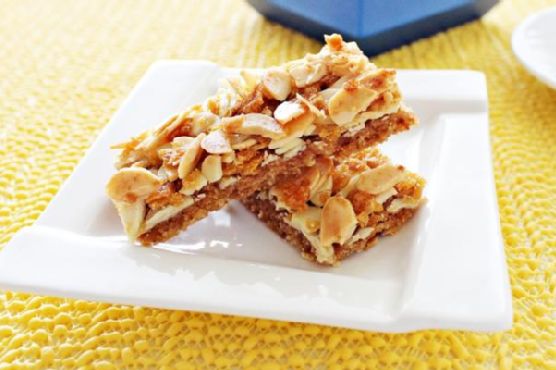
    Welcome to the delightful world of homemade almond cookie bars! These delectable treats have been a family favorite for generations. I vividly remember my grandmother preparing these bars during the festive seasons, the kitchen filled with the warm, inviting aroma of baking dough and sweet apricot jam. Today, I’m excited to share this cherished recipe with you, hoping it brings as much joy to your home as it has to ours.

    Why You’ll Love It

    These almond cookie bars are a perfect blend of texture and flavor. The crunchy base is complemented by a luscious apricot layer, topped with a nutty, sweet almond and oatmeal mixture. They’re not only delicious but also incredibly satisfying, making them a hit at parties or as an afternoon snack. Plus, with ingredients like wholemeal flour and oatmeal cornflakes, you can feel a bit better about indulging in these treats.

    Ingredients

    • Almond flakes
    • Apricot gel/jam
    • Brown sugar
    • Butter
    • Cookie base
    • Fresh milk
    • Oatmeal cornflakes
    • Plain flour
    • Wholemeal flour

    Instructions

    1. Beat butter and sugar until light and fluffy.
    2. In a bowl, combine wholemeal flour and plain flour together, then mix in the butter mixture with a rubber spatula and knead gently to form a soft dough.
    3. Turn out the dough onto a floured surface or line with a plastic sheet below and with another plastic sheet on top. Then roll into a square. Chill for at least 1 hour.
    4. Transfer the dough onto non-grease paper and cover with a plastic sheet on top, then roll the dough to about 3mm thick.
    5. Prick the dough with a fork and bake for about 15-18 minutes until brown in a preheated oven at 180°C. Leave the biscuit to cool.
    6. Spread the apricot jam over the top of the biscuit and set aside.
    7. Mix topping ingredients and spread evenly on the biscuit with a palette knife.
    8. Bake for 15 minutes until golden.
    9. Remove the cooked biscuit from the oven and leave to cool completely, then cut into bars.

    Tips

    To ensure the dough is easy to work with, make sure the butter is at room temperature before you start. Chilling the dough is crucial as it helps in maintaining the shape while baking. When spreading the apricot jam, ensure the base has cooled completely to prevent the jam from melting and becoming runny.

    Variations & Substitutions

    These almond cookie bars are quite versatile. If you’re not a fan of apricot, try substituting with raspberry or strawberry jam for a different twist. For a healthier version, you can replace brown sugar with coconut sugar or a sugar substitute of your choice. If you prefer, add a sprinkle of cinnamon to the almond mixture for a warm, spicy note.

    Storage

    Store your almond cookie bars in an airtight container at room temperature for up to a week. For longer storage, you can freeze them for up to three months. Just ensure they are well wrapped to prevent freezer burn.

    FAQ

    Can I make these bars gluten-free?

    Yes, you can substitute the plain and wholemeal flours with a gluten-free baking blend. Make sure it contains xanthan gum to help bind the dough.

    What if I don’t have oatmeal cornflakes?

    If oatmeal cornflakes are not available, you can use regular rolled oats or crushed cornflakes as an alternative. They will provide a similar texture to the topping.

    Nutrition

    Each almond cookie bar contains approximately 150 calories, with a balance of carbohydrates, fats, and protein. The wholemeal flour and oatmeal add dietary fiber, making this a more wholesome treat.

    Final Thoughts

    These almond cookie bars are more than just a treat; they’re a piece of nostalgia and comfort. Whether you’re enjoying them with a cup of tea or sharing them with loved ones, they’re sure to bring a smile to your face. I hope this recipe becomes a beloved part of your baking repertoire, just as it has been in my family for years. Happy baking!

    Related update: Almond Cookie Bar

  • avarakkai paruppu curry recipe | Made by Meaghan Moineau

    avarakkai paruppu curry recipe | Made by Meaghan Moineau

    Avarakkai Paruppu Curry Recipe

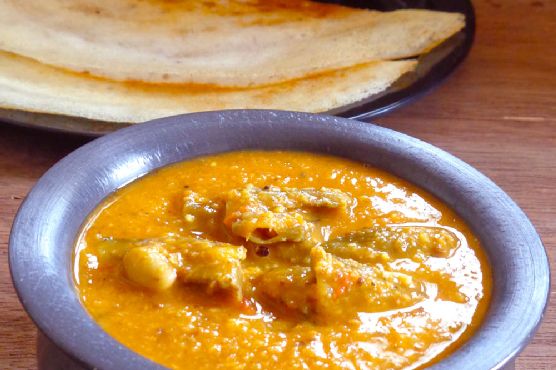
    There’s something truly magical about recipes that have been passed down through generations. One such cherished dish is the Avarakkai Paruppu Curry, a delightful South Indian curry made with broad beans, toor dal, and a unique blend of spices. This recipe is not just a dish; it’s a story of family gatherings, laughter echoing in the kitchen, and the warm aroma that signals home.

    Why You’ll Love It

    This Avarakkai Paruppu Curry is a beloved favorite for several reasons:

    • Flavorful and Nutritious: The combination of protein-rich toor dal and fiber-packed broad beans makes this curry both delicious and nutritious.
    • Quick and Easy: With just a few simple steps, you can whip up this wholesome meal in no time.
    • Versatile: Enjoy it with rice, roti, or even as a comforting soup.
    • Perfect for All Ages: Its mild spice level makes it a hit with both kids and adults.

    Ingredients

    • 1 cup avarakkai (broad beans)
    • 2-3 green chillies
    • 1 tbsp coriander seeds
    • 1 tsp cumin seeds
    • 1 tbsp jaggery
    • Tamarind – lemon size
    • 1 tsp mustard seeds
    • 2 tbsp oil
    • 1 tsp peppercorns
    • Salt, to taste
    • 2 tomatoes
    • 1/2 cup toor dal
    • 1/4 tsp turmeric powder
    • Chopped coriander leaves for garnish

    Instructions

    1. Wash the avarakkai (broad beans). Remove the strings on both sides and cut into medium long pieces.
    2. Cook the avarakkai on the stovetop or pressure cook for three whistles. Once done, drain the water and set the cooked avarakkai aside. Keep the water to use in kuzhambu or for soaking the tamarind.
    3. Pressure cook the toor dal and keep aside.
    4. Heat a pan and add 1 tsp of oil. Roast the ingredients given under “to roast and grind”. Let the tomatoes cook completely.
    5. Once cooled, process the roasted ingredients and tomatoes in a mixer, adding enough water to form a fine paste.
    6. In a pan, heat the remaining oil. Once heated, add mustard seeds, and then add the tamarind water.
    7. After it starts boiling, add the cooked dal, jaggery, salt, turmeric powder, and the ground masala. Allow it to cook on a medium-low flame for 5 minutes.
    8. Now add the cooked broad beans to the mixture. Let it boil for 4 minutes.
    9. Turn off the flame and add chopped coriander leaves before serving.

    Tips

    • Adjust the number of green chillies according to your spice preference.
    • For a richer flavor, consider adding a spoonful of ghee at the end.
    • Ensure that the tamarind is well soaked to extract maximum flavor.

    Variations & Substitutions

    If you’re looking to switch things up, consider these variations:

    • Vegetable Variation: Add other vegetables like carrots or potatoes for added texture and nutrition.
    • Lentil Substitution: Substitute toor dal with moong dal for a different taste.
    • Spice Adjustment: For a spicier version, add a pinch of red chili powder.

    Storage

    This curry stores well in the refrigerator for up to three days. Ensure it is cooled completely before transferring to an airtight container. Reheat gently on the stovetop or in a microwave before serving.

    FAQ

    Can I use canned beans instead of fresh avarakkai?

    Yes, you can use canned broad beans, but the flavor and texture will differ slightly. Ensure to rinse them well before use.

    Is it necessary to use jaggery in this recipe?

    Jaggery adds a subtle sweetness that balances the spices. However, you can omit it or substitute it with sugar if you prefer.

    What can I serve with Avarakkai Paruppu Curry?

    This curry pairs beautifully with steamed rice, roti, or even quinoa for a healthy twist.

    Nutrition

    This dish is a wholesome combination of protein and fiber, providing approximately:

    • Calories: 250 per serving
    • Protein: 10g
    • Carbohydrates: 30g
    • Fat: 10g
    • Fiber: 7g

    Final Thoughts

    Avarakkai Paruppu Curry is not just a dish, but a connection to heritage and family memories. The simplicity of its preparation combined with its heartwarming flavor makes it a must-try for anyone looking to explore South Indian cuisine. Whether you’re a novice cook or a seasoned chef, this curry is sure to bring joy to your table and warmth to your heart. Enjoy the journey of flavors and happy cooking!

    Related update: avarakkai paruppu curry recipe

    Related update: Curry and Sage Roast Chicken

  • Spare Ribs | Made by Meaghan Moineau

    Spare Ribs | Made by Meaghan Moineau

    Deliciously Sticky Spare Ribs

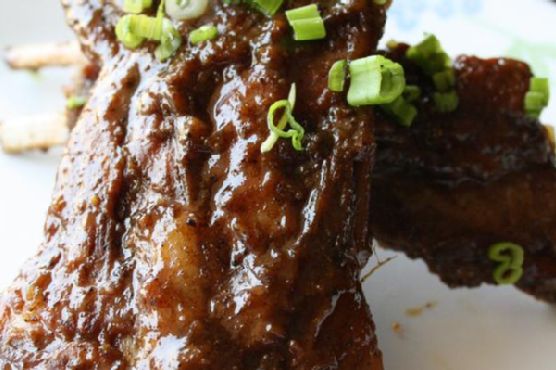
    There’s something truly magical about the aroma of spare ribs roasting in the oven, filling the house with warmth and mouthwatering scents. As a child, I remember visiting my grandmother’s house during the holidays, eagerly anticipating the moment when she’d open the oven door, revealing a tray of perfectly glazed ribs. The rich, savory sauce and tender meat were always the highlight of our family gatherings, a tradition I’ve lovingly continued with my own family. Today, I’m excited to share this cherished recipe with you, adding a touch of nostalgia to your kitchen and hopefully creating new memories for you and your loved ones.

    Why You’ll Love It

    This spare ribs recipe is the perfect balance of sweet and savory, with a sticky glaze that will have everyone licking their fingers clean. It’s surprisingly simple to prepare, yet it delivers restaurant-quality flavor that will impress any guest. Whether you’re hosting a barbecue, a casual dinner, or a festive celebration, these ribs are sure to be a hit. Plus, with the option to marinate overnight, you can save time on the day of your event, making it a stress-free addition to your menu.

    Ingredients

    • 2 tablespoons oil
    • 1/4 cup clear honey
    • 1 tablespoon fresh ginger root, grated
    • 1/4 cup dark soy sauce
    • 2 tablespoons hoisin sauce
    • 1 teaspoon five-spice powder
    • 2 garlic cloves, minced
    • 3 pounds of spare ribs

    Instructions

    1. Preheat your oven to 400 degrees Fahrenheit (200 degrees Celsius).
    2. In a jug, combine the oil, honey, ginger, soy sauce, hoisin sauce, five-spice powder, and garlic. Mix well to create a marinade.
    3. Place the spare ribs in a large dish and pour the marinade over them. Ensure the ribs are well coated, then cover and leave to marinate for as long as possible, ideally overnight in the refrigerator.
    4. Once marinated, place the ribs on a rack in a roasting pan.
    5. Cook the ribs in the preheated oven for about 45 minutes, turning them over halfway through the cooking time to ensure even glazing.
    6. After cooking, allow the ribs to cool slightly. Serve them cold or warm, as desired.

    Tips

    • For best results, marinate the ribs overnight. This allows the flavors to fully penetrate the meat, resulting in more flavorful ribs.
    • When turning the ribs halfway through cooking, baste them with the leftover marinade for an extra sticky glaze.
    • For a smokier flavor, consider finishing the ribs on a grill for a few minutes after roasting.

    Variations & Substitutions

    If you want to switch things up, here are a few variations and substitutions you can try:

    • Spicier Ribs: Add a teaspoon of chili flakes or a dash of hot sauce to the marinade for a spicy kick.
    • Alternative Sweeteners: Swap honey for maple syrup or brown sugar for a different type of sweetness.
    • Gluten-Free: Use tamari instead of soy sauce to make the dish gluten-free.
    • Different Protein: You can use the same marinade for chicken wings or pork chops if you prefer.

    Storage

    Store any leftover ribs in an airtight container in the refrigerator for up to 3 days. For longer storage, you can freeze the ribs for up to 3 months. To reheat, allow the ribs to thaw completely in the refrigerator, then warm them in the oven at 350 degrees Fahrenheit until heated through.

    FAQ

    Can I use a slow cooker for this recipe?

    Yes, you can! Simply place the marinated ribs in a slow cooker and cook on low for 6-8 hours or on high for 3-4 hours. Finish them off in the oven or on a grill to achieve a sticky glaze.

    What side dishes pair well with spare ribs?

    Spare ribs pair beautifully with a variety of side dishes, such as coleslaw, cornbread, baked beans, or roasted vegetables. For a refreshing contrast, consider serving a crisp salad with a tangy vinaigrette.

    Can I make the marinade in advance?

    Absolutely! You can prepare the marinade up to 3 days in advance and store it in an airtight container in the refrigerator. This can be a great time-saver for busy schedules.

    Nutrition (per serving)

    While the nutritional values can vary based on portion sizes and specific ingredients used, a general estimate for a serving of these spare ribs is approximately:

    • Calories: 450
    • Protein: 30g
    • Carbohydrates: 15g
    • Fat: 30g
    • Sugar: 10g

    Final Thoughts

    These sticky spare ribs are truly a labor of love, a recipe that brings fond memories and joy to any table. Whether you’re cooking for family or friends, this dish is sure to become a favorite in your home, just as it has in mine. With its simple preparation and irresistible taste, you’ll find yourself returning to this recipe time and time again. Enjoy the process, savor the results, and most importantly, cherish the moments shared with those around you. Happy cooking!

    Related update: Spare Ribs

    Related update: avarakkai paruppu curry recipe

  • Rugelach | Made by Meaghan Moineau

    Rugelach | Made by Meaghan Moineau

    Delightful Rugelach: A Comforting Classic

    There’s something magical about the aroma of freshly baked rugelach wafting through the house. It takes me back to my grandmother’s cozy kitchen, where I first learned how to roll these delicate pastries. I remember the way she would hum softly, her hands expertly folding the dough around sweet preserves and crunchy walnuts. These moments, filled with warmth and love, are the essence of why I adore baking rugelach. Now, I’m excited to share this beloved recipe with you, hoping it brings the same joy and comfort to your home.

    Why You’ll Love It

    Rugelach is a delightful pastry that combines a tender, buttery dough with a sweet and nutty filling. It’s perfect for any occasion, whether you’re hosting a tea party, celebrating a holiday, or simply enjoying a quiet moment with a cup of coffee. Here’s why you’ll fall in love with this recipe:

    • Easy to make: With simple ingredients and clear instructions, this recipe is accessible for bakers of all levels.
    • Irresistible flavor: The combination of buttery dough, fruity preserves, and spiced cinnamon-sugar is simply divine.
    • Versatile: You can easily adapt the filling to suit your preferences or what you have on hand.

    Ingredients

    • Salted butter
    • Block of cream cheese
    • Salt
    • Plain flour
    • Egg yolks
    • Vanilla extract
    • Caster sugar
    • Fruit preserves
    • Walnuts
    • Butter (for brushing)
    • Ground cinnamon

    Instructions

    1. Leave butter and cream cheese in a warm place for a couple of hours to soften. They have to be soft and cannot be used straight out of the fridge.
    2. Pre-heat oven to 180°C.
    3. Place softened butter in a large mixing bowl. Add a block of cream cheese. Use block cream cheese, not cream cheese in a tub.
    4. Set the beater to medium speed and beat the butter and cream cheese until combined and light and fluffy.
    5. Add 2 large egg yolks, 1 teaspoon of vanilla extract, 1/2 cup of caster sugar, a pinch of salt, and 2.5 cups of plain flour. Mix all the ingredients together in the mixer on medium speed until the dough comes together.
    6. While the dough is being mixed, chop 1/2 cup of walnuts into fine pieces and set aside.
    7. When the dough is ready, scatter some flour on the table or countertop. Knead the dough and gently form it into a large block. Add more flour if the dough is too sticky. The dough should be a nice elastic block.
    8. Cut the dough into 4 equal pieces. Set 3 pieces of dough aside, covering them with a slightly damp cloth to prevent them from drying out.
    9. Roll the 4th piece of dough into a ball. Using a floured rolling pin, roll out the ball of dough into a flat circle about 2 to 3 mm thick.
    10. Cut the rolled dough into 8 triangles.
    11. Prepare some fruit preserves. If the preserves are thick and difficult to spread, whisk them with a fork for a minute.
    12. Place one teaspoon of preserves on the long end of each triangular piece of dough. Lightly spread it towards the other end, keeping most of the preserves on the long end.
    13. Scatter some chopped walnuts on the preserves at the long end.
    14. To roll the rugelach, tuck in the sides of the triangle slightly to hold the preserves and nuts in. Roll towards the third corner of the triangle.
    15. Repeat for all the blocks of dough until the rugelach are prepared.
    16. Place all the prepared rugelach on a sheet of baking paper on a baking tray.
    17. Mix 1/4 cup of caster sugar and 1 teaspoon of ground cinnamon in a small bowl.
    18. Melt 50g of butter. Gently brush each rugelach with melted butter and sprinkle with the cinnamon-sugar mixture. You can also roll the rugelach in the mixture.
    19. Place the rugelach in the pre-heated oven and bake at 180°C for about 35 minutes or until they are a dark golden brown.
    20. Leave the rugelach to cool before storing them.

    Tips

    • Softening: Make sure the butter and cream cheese are softened before you start. This ensures a smooth, cohesive dough.
    • Rolling: Keep your rolling pin and surface lightly floured to prevent sticking.
    • Filling: Be generous with the preserves and walnuts for a more flavorful pastry.

    Variations & Substitutions

    Rugelach is wonderfully adaptable, so feel free to experiment with different flavors:

    • Preserves: Try raspberry, apricot, or fig preserves for a different twist.
    • Nuts: Substitute pecans or almonds for walnuts if you prefer.
    • Spices: Add a pinch of nutmeg or cardamom to the cinnamon-sugar mix for an extra layer of flavor.

    Storage

    Store your rugelach in an airtight container at room temperature for up to a week. For longer storage, place them in a freezer-safe bag and freeze for up to three months. Just thaw them at room temperature before serving.

    FAQ

    Can I prepare the dough in advance?

    Absolutely! You can prepare the dough up to two days in advance. Just wrap it tightly in plastic wrap and store it in the refrigerator. Let it come to room temperature before rolling it out.

    Is it possible to use low-fat cream cheese?

    While you can use low-fat cream cheese, the texture and flavor may not be as rich. For the best results, I recommend using full-fat block cream cheese.

    Nutrition

    Each rugelach contains approximately 150 calories, 10g of fat, 15g of carbohydrates, and 2g of protein. Keep in mind that these values can vary based on the specific ingredients and portion sizes you use.

    Final Thoughts

    Baking rugelach is a beautiful way to connect with tradition while creating new memories with loved ones. Whether you’re savoring them fresh from the oven or sharing them with friends over tea, these delightful pastries are sure to bring happiness and warmth to your table. I hope this recipe becomes a cherished part of your baking repertoire, just as it has been for me.

    Related update: Rugelach

    Related update: Almond Cookie Bar

  • Kohlrabi Salad With Apple, Bacon, and Snow Peas | Made by Meaghan Moineau

    Kohlrabi Salad With Apple, Bacon, and Snow Peas | Made by Meaghan Moineau

    Kohlrabi Salad With Apple, Bacon, and Snow Peas

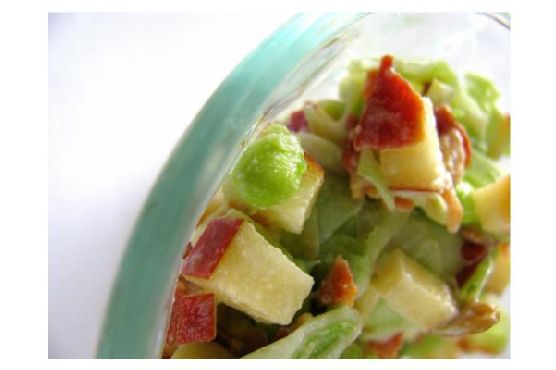
    Welcome to a delightful journey of flavors and textures that will elevate your salad game to a whole new level. This Kohlrabi Salad with Apple, Bacon, and Snow Peas is not just a dish; it’s a symphony of crisp, sweet, and savory notes that come together harmoniously. Join me as we explore this refreshing recipe that’s perfect for any occasion.

    Why You’ll Love It

    There’s something magical about combining fresh, crunchy vegetables with the smoky, rich flavors of bacon. This salad offers a delightful contrast between the sweet and tart notes of Fuji apples and the creamy, tangy dressing. It’s a testament to how simplicity can yield extraordinary results.

    Growing up, I remember summers at my grandmother’s house where the garden was always brimming with fresh produce. The smell of freshly picked kohlrabi always brings back fond memories of helping her in the kitchen, where she taught me the art of creating dishes that celebrate each ingredient. This recipe is an ode to those warm summer days, sharing a meal with loved ones, and the joy of cooking from the heart.

    Ingredients

    • 1 kohlrabi bulb, peeled
    • 1 Fuji apple, chopped
    • 1 cup snow peas
    • 1/4 cup sunflower seeds
    • 4 slices of bacon, cooked and crumbled
    • 1/2 cup heavy cream
    • 2 tablespoons apple cider vinegar
    • 1 tablespoon honey

    Instructions

    1. Using a mandolin, slice the kohlrabi bulb paper thin.
    2. Mix the sliced kohlrabi with the chopped Fuji apple in a large bowl.
    3. Shell the snow peas (though I personally love eating the shell).
    4. Add the snow peas and sunflower seeds to the bowl.
    5. Crumble the cooked bacon finely and mix it into the salad.
    6. Refrigerate the salad while preparing the dressing.
    7. In a separate bowl, mix the apple cider vinegar into the heavy cream and let it sit at room temperature for 10 minutes until it thickens.
    8. Add the honey to the thickened cream and mix well.
    9. Gradually add the dressing to the salad, tossing gently to ensure everything is thinly coated.

    Tips

    For the best results, use fresh and high-quality ingredients. The sweetness of a Fuji apple complements the kohlrabi beautifully, but feel free to experiment with other apple varieties. A mandolin is essential for achieving paper-thin kohlrabi slices, but you can use a sharp knife if needed. Make sure to refrigerate the salad for at least 15 minutes before serving to allow the flavors to meld together.

    Variations & Substitutions

    If you’re looking for a vegetarian option, simply omit the bacon. To add more protein, consider topping the salad with grilled chicken or shrimp. You can also substitute the sunflower seeds with toasted almonds or walnuts for a different nutty flavor. If you prefer a lighter dressing, swap the heavy cream for Greek yogurt or buttermilk.

    Storage

    This salad is best enjoyed fresh, but you can store leftovers in an airtight container in the refrigerator for up to 2 days. The dressing may separate slightly, so give it a gentle stir before serving again.

    FAQ

    Can I prepare this salad in advance?

    Absolutely! You can prepare the salad components a day in advance, but I recommend adding the dressing just before serving to maintain the salad’s freshness and crunch.

    What if I don’t have a mandolin?

    No worries! While a mandolin helps achieve uniform slices, a sharp knife will work just fine. Just take your time to slice the kohlrabi as thinly as possible.

    Nutrition

    This salad is not only delicious but also nutritious. It’s packed with vitamins and minerals from the fresh vegetables and apples, healthy fats from the sunflower seeds and bacon, and a touch of sweetness from the honey. It’s a balanced dish that can fit into most dietary plans.

    Final Thoughts

    Whether you’re hosting a summer barbecue or looking for a refreshing lunch option, this Kohlrabi Salad with Apple, Bacon, and Snow Peas is sure to impress. It’s a dish that celebrates the beauty of fresh ingredients, simple preparation, and the joy of sharing a meal with those you love. I hope you enjoy it as much as I do. Happy cooking!

    Related update: Kohlrabi Salad With Apple, Bacon, and Snow Peas

    Related update: Noodle Kugel with Pineapple-Gluten free, Dairy Free

    Related update: Crab Cakes Rockefeller

  • Mascarpone & Ricotta Cheese Cake | Made by Meaghan Moineau

    Mascarpone & Ricotta Cheese Cake | Made by Meaghan Moineau

    Decadent Mascarpone & Ricotta Cheese Cake

    There’s something magical about the aroma of a cheesecake baking in the oven. I remember the first time I made this Mascarpone & Ricotta Cheese Cake. It was a chilly Sunday afternoon, and the kitchen was filled with warmth and laughter as my grandmother guided me through the recipe, her hands deftly working the ingredients into something extraordinary. This recipe has since become a cherished tradition, a sweet reminder of those cozy afternoons spent together. Now, I’m excited to share this delightful recipe with you, so you too can experience the joy it brings.

    Why You’ll Love It

    This Mascarpone & Ricotta Cheese Cake is a slice of heaven, combining the creamy richness of mascarpone and ricotta cheeses with the perfect hint of lemon and vanilla. The nutty crunch of the almond-infused graham cracker crust complements the smooth, luscious filling. It’s a sophisticated dessert that’s surprisingly easy to make, perfect for celebrations or as a special treat for yourself. Whether you’re a seasoned baker or a novice, this cheesecake will impress everyone with its luxurious texture and delightful flavor.

    Ingredients

    • 1 cup almonds
    • 1/2 cup butter, melted
    • 1 cup whipped cream cheese
    • 4 large eggs
    • 1/4 cup flour
    • 1 1/2 cups graham crackers
    • 2 tablespoons lemon juice
    • 1 cup mascarpone cheese
    • 1 cup ricotta cheese
    • 1/4 teaspoon salt
    • 1 cup sugar
    • 1 teaspoon vanilla extract

    Instructions

    1. Preheat your oven to 325°F (160°C).
    2. Crust: Grind the graham crackers and almonds using a food processor or a mortar and pestle until they form fine crumbs. Add the melted butter and salt, mixing until combined. Press this mixture into the bottom of a greased springform pan or deep dish pie pan. Bake for 10 minutes, then let cool.
    3. Mix the sugar and flour together and sprinkle over the top of the cooled crust. This step helps prevent the crust from becoming soggy.
    4. Filling: In a large bowl, beat together the cream cheese, mascarpone cheese, ricotta cheese, and sugar until smooth.
    5. Beat in the lemon juice and vanilla extract until well combined.
    6. Add the eggs one at a time, beating well after each addition.
    7. Pour the cheese mixture over the prepared crust in the pan.
    8. Bake in the preheated oven until the center of the cheesecake is wobbly when shaken, about 1 hour and 5 minutes.
    9. Let the cheesecake cool completely, then refrigerate, preferably overnight, to allow it to set fully.

    Tips

    For best results, ensure that all your ingredients are at room temperature before starting. This helps in achieving a smooth and creamy cheesecake filling. Also, avoid over-mixing the batter as it can incorporate too much air, leading to cracks on the surface of your cheesecake.

    Variations & Substitutions

    If you prefer a gluten-free version, simply replace the graham crackers with your favorite gluten-free cookies. For a different flavor profile, try adding a teaspoon of almond extract to the filling. You can also top the cheesecake with fresh berries or a drizzle of chocolate sauce before serving for an added layer of indulgence.

    Storage

    This cheesecake can be stored in the refrigerator for up to 5 days. Make sure to cover it with plastic wrap or store it in an airtight container to keep it fresh. If you need to store it longer, slice the cheesecake and wrap each piece individually in plastic wrap, then place in a freezer-safe container for up to 2 months. Thaw in the refrigerator before serving.

    FAQ

    Can I use low-fat cheeses for this recipe?

    While you can use low-fat versions of the cheeses, the texture and flavor of the cheesecake may be slightly different. Full-fat cheeses provide the best creamy texture and rich flavor.

    What if my cheesecake cracks?

    If your cheesecake happens to crack, don’t worry! It’s just a cosmetic issue and doesn’t affect the taste. You can easily cover any cracks with toppings such as whipped cream, fruit, or ganache.

    Nutrition

    This Mascarpone & Ricotta Cheese Cake is an indulgent treat, so it’s best enjoyed in moderation. Each slice contains approximately 450 calories, with 30g of fat, 40g of carbohydrates, and 9g of protein. These values can vary based on portion size and any variations or substitutions you choose.

    Final Thoughts

    This Mascarpone & Ricotta Cheese Cake is truly a dessert to savor and share. It’s an elegant addition to any dessert table and a wonderful way to celebrate special occasions or simply indulge in a sweet treat. I hope this recipe brings as much joy to your kitchen as it has to mine. Enjoy every creamy, dreamy bite!

    Related update: Mascarpone & Ricotta Cheese Cake

    Related update: Almond Ricotta Cake

  • Apple Dumplings In Fanta Sauce | Made by Meaghan Moineau

    Apple Dumplings In Fanta Sauce | Made by Meaghan Moineau

    Apple Dumplings In Fanta Sauce

    There’s something about the smell of apples and cinnamon baking in the oven that can transport you back to a simpler time. Growing up, my grandmother would make apple dumplings every autumn. The warm, sweet aroma would fill the kitchen, drawing everyone in for a taste. She had a secret ingredient that made her dumplings truly special—Fanta. Today, I’m excited to share a modern twist on her classic recipe: Apple Dumplings in Fanta Sauce.

    Why You’ll Love It

    This recipe is a delightful blend of sweet and tangy flavors, with a touch of nostalgia. The flaky puff pastry envelops tender apple crescents, while the Fanta sauce adds a unique citrusy sweetness that perfectly complements the apples. It’s a fun and easy recipe that even beginners can tackle with confidence. Whether you’re serving it as a dessert or a special treat, these apple dumplings are sure to become a family favorite.

    Ingredients

    • 2 crusts package puff pastry
    • 4 apples
    • 1 lemon (juice)
    • 1 cup Fanta Lemon
    • 1 cup sugar
    • 1/2 cup butter
    • 1 teaspoon lemon extract
    • Grounded cinnamon (optional)

    Instructions

    1. Preheat your oven to 400°F (about 200°C).
    2. Peel and core the apples, then cut each apple into 8 crescent-shaped pieces. Sprinkle them with lemon juice to prevent browning.
    3. Unroll the puff pastry and cut each crust into 8 equal triangles.
    4. Place an apple crescent on each puff pastry triangle and roll it up towards the top, enclosing the apple.
    5. In a pan, melt the butter. Add sugar and lemon extract, stirring well to combine.
    6. Arrange the dumplings in a baking pan, ensuring they are close enough to touch each other.
    7. Pour the melted butter and sugar mixture generously over each dumpling.
    8. Pour Fanta Lemon over the dumplings, ensuring they are well coated.
    9. Optionally, sprinkle with grounded cinnamon for extra flavor.
    10. Bake in the preheated oven for about 30 minutes. After the first 15-20 minutes, cover with baking paper to prevent burning.

    Tips

    For best results, make sure your puff pastry is cold before working with it. This will make it easier to cut and roll. If you find your dumplings browning too quickly, reduce the oven temperature slightly and cover them with baking paper to prevent burning. Keep an eye on the baking time as ovens can vary.

    Variations & Substitutions

    Feel free to experiment with different types of apples for this recipe. Granny Smith apples offer a tart contrast to the sweet sauce, while Honeycrisp and Fuji apples provide a sweeter profile. If you don’t have Fanta Lemon, you can substitute with another citrus-flavored soda or even a splash of lemon-lime soda mixed with orange juice. For a spicier kick, try adding a pinch of nutmeg or cloves to the sugar mixture.

    Storage

    Store any leftover apple dumplings in an airtight container in the refrigerator for up to 3 days. To reheat, simply pop them in a preheated oven at 350°F (175°C) for about 10 minutes or until heated through. You can also microwave them for a quick warm-up, but the pastry may lose some of its crispiness.

    FAQ

    Can I make these apple dumplings ahead of time?

    Yes, you can prepare the dumplings up to the baking step and refrigerate them for a few hours before baking. This can be a great time-saver if you’re planning to serve them at a gathering. Just ensure that the dumplings are well-covered so they don’t dry out in the fridge.

    What type of apples work best for this recipe?

    While you can use any type of apple, firmer varieties like Granny Smith or Honeycrisp hold their shape well during baking. Their flavor profiles also complement the sweet and tangy sauce beautifully.

    Can I use homemade puff pastry?

    Absolutely! Homemade puff pastry can elevate the dish, offering a richer, buttery flavor. Just ensure it’s rolled out to the same thickness as store-bought pastry for consistent results.

    Nutrition

    The nutritional content will vary depending on the type of apples and soda used. On average, each dumpling contains approximately 200-250 calories. It’s a treat best enjoyed in moderation, but the delicious flavor is well worth it!

    Final Thoughts

    Apple Dumplings in Fanta Sauce is a delightful recipe that combines the warmth and comfort of traditional apple desserts with a modern twist. It’s perfect for any occasion, from a cozy family dinner to a festive holiday gathering. The ease of preparation and the unique flavor make it a standout dish that you’ll return to time and again. Enjoy the sweet nostalgia and happy baking!

    Related update: Apple Dumplings In Fanta Sauce

    Related update: Eggless Blueberry and White Chocolate Baked Cheesecake

  • Tuscan White Bean Soup with Olive Oil and Rosemary | Made by Meaghan Moineau

    Tuscan White Bean Soup with Olive Oil and Rosemary | Made by Meaghan Moineau

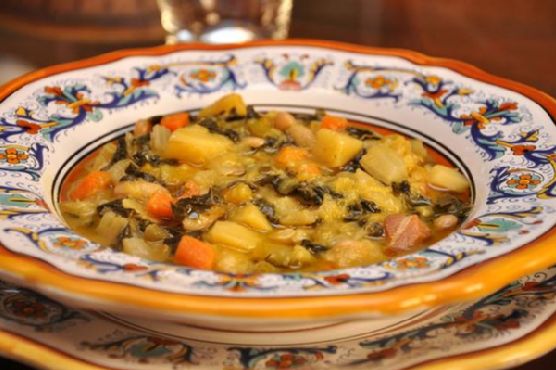
    Tuscan White Bean Soup with Olive Oil and Rosemary

    Introduction

    As the leaves start to change and the air becomes crisp, my kitchen transforms into a haven of warmth and comfort. One of my fondest memories is coming home on a chilly autumn day to the soothing aroma of my grandmother’s Tuscan White Bean Soup simmering on the stove. This recipe, passed down through generations, is not just a meal; it’s a heartfelt embrace, a reminder of home and love. Today, I’m sharing this cherished recipe with you, hoping it brings as much joy and warmth to your home as it does to mine.

    Why You’ll Love It

    This Tuscan White Bean Soup is a celebration of simplicity and flavor. Here’s why you’ll fall in love with it:

    • Easy to Make: With minimal ingredients and hands-off cooking in a slow cooker, this recipe is perfect for busy days.
    • Comforting and Nutritious: Packed with protein and fiber from the beans, this soup is both satisfying and nourishing.
    • Rich in Flavor: The olive oil and rosemary add a delightful fragrance and depth of flavor that elevates this humble soup.
    • Versatile: It can easily be adapted to suit your preferences or dietary needs.

    Ingredients

    • 1 bay leaf
    • 1 sprig of fresh rosemary
    • 3 cloves of garlic, minced
    • 2 tablespoons of olive oil
    • 1 large onion, chopped
    • 1 teaspoon of salt, or to taste
    • 8 cups of water
    • 2 cups of dried white beans, rinsed

    Instructions

    1. Rinse the beans thoroughly and place them in a 7-quart slow cooker.
    2. Add the water, onion, garlic, and bay leaf to the slow cooker.
    3. Cover and cook on LOW for about 8 hours, or until the beans are tender.
    4. Remove the bay leaf.
    5. Using a handheld immersion blender, puree the remaining ingredients to the desired texture.
    6. Add salt to taste.
    7. Ladle the soup into bowls.
    8. Drizzle with olive oil, sprinkle with rosemary, and serve.

    Tips

    • Soak the Beans: For even cooking, consider soaking the beans overnight. This can also reduce cooking time slightly.
    • Adjust Consistency: If you prefer a chunkier soup, blend just half of the beans and leave the rest whole.
    • Fresh Is Best: Use fresh rosemary and high-quality olive oil for the best flavor.

    Variations & Substitutions

    This soup is wonderfully adaptable:

    • Meat Lovers: Add cooked Italian sausage or pancetta for a heartier version.
    • Vegetables: Incorporate chopped spinach or kale for added greens.
    • Herb Substitutions: If rosemary isn’t your favorite, try thyme or sage for a different flavor profile.
    • Vegan Option: Ensure your toppings are vegan-friendly by skipping any cheese garnishes.

    Storage

    This soup stores beautifully, making it perfect for meal prep:

    • Refrigerator: Store in an airtight container for up to 5 days.
    • Freezer: Freeze in individual portions for up to 3 months. Thaw in the refrigerator overnight before reheating.

    FAQ

    Can I use canned beans instead of dried beans?

    Yes, you can use canned beans to save time. Use about 4 cups of drained and rinsed canned beans, and reduce the cooking time to about 2 hours on LOW. Adjust the liquid accordingly, as canned beans are already cooked.

    What can I use if I don’t have an immersion blender?

    If you don’t have an immersion blender, you can transfer the soup in batches to a regular blender. Be sure to hold the lid down with a kitchen towel to prevent hot splashes.

    Nutrition

    Each serving of this Tuscan White Bean Soup is packed with nutrients:

    • Calories: Approximately 220
    • Protein: 12g
    • Fiber: 8g
    • Fat: 6g (primarily from healthy olive oil)
    • Sodium: Varies based on the amount of salt added

    Final Thoughts

    There’s something truly magical about a bowl of homemade soup. This Tuscan White Bean Soup is more than just a recipe; it’s a connection to cherished memories and a testament to the power of simple ingredients. Whether you’re gathering around the table with family or enjoying a quiet moment to yourself, this soup promises warmth and contentment. I hope it becomes a beloved staple in your household, just as it has in mine. Enjoy!

    Related update: Tuscan White Bean Soup with Olive Oil and Rosemary

    Related update: Spare Ribs

    Related update: Minestrone

  • Cavatappi pasta with salmon crab surimi | Made by Meaghan Moineau

    Cavatappi pasta with salmon crab surimi | Made by Meaghan Moineau

    Cavatappi Pasta with Salmon Crab Surimi

    Introduction

    There’s something truly comforting about a bowl of pasta, especially when it’s combined with the flavors of the sea. Growing up, I fondly remember Sunday dinners at my grandmother’s house where seafood was a staple. The aromatic blend of garlic, fresh herbs, and the briny essence of seafood would fill the kitchen, inviting everyone to gather around the table. This Cavatappi pasta with salmon crab surimi is a modern twist on those cherished meals, bringing together the heartiness of pasta and the delicate flavors of seafood. It’s a dish that feels like a warm hug – perfect for any occasion.

    Why You’ll Love It

    This recipe is a delightful fusion of flavors and textures that will captivate your taste buds. Here’s why you’ll fall in love with this dish:

    • Quick and Easy: Despite its sophisticated taste, this dish can be whipped up in less than 30 minutes, making it perfect for busy weeknights.
    • Flavorful: The combination of garlic, fresh herbs, and seafood creates a rich and satisfying flavor profile.
    • Nutritious: Packed with protein from salmon and surimi, this dish also offers the goodness of tomatoes and fresh herbs.
    • Versatile: Easily adaptable with different types of pasta or seafood depending on your preference or what you have on hand.

    Ingredients

    • Surimi crab sticks
    • Dried basil
    • Fresh basil
    • Fresh parsley
    • Garlic
    • Olive oil
    • Parmesan cheese
    • Cavatappi pasta
    • Pepper
    • Plum tomatoes
    • Red wine
    • Canned salmon fillets
    • Salt
    • Sugar
    • Tomato puree

    Instructions

    1. Heat olive oil in a large pan over medium heat. Sauté the garlic for about 1 minute, being careful not to burn it.
    2. Add the canned salmon fillets and surimi crab sticks to the pan. Stir and let them simmer briefly to meld the flavors.
    3. Chop the plum tomatoes and add them to the pan along with the tomato puree, dried basil, fresh parsley, and a splash of red wine. Mix well to combine.
    4. Sprinkle in a pinch of sugar, then season with salt and pepper to taste. Stir everything together and let it simmer for 2-3 minutes to allow the flavors to develop.
    5. While the sauce is simmering, cook the Cavatappi pasta according to the package instructions. Once cooked, drain the pasta, reserving a little of the cooking water.
    6. Combine the cooked pasta with the sauce, tossing gently to coat. If the sauce is too thick, add a spoonful of the reserved pasta cooking water to adjust the consistency.
    7. Serve the pasta immediately, sprinkled with Parmesan cheese and fresh, chopped basil for a burst of flavor.

    Tips

    • For a deeper flavor, use a good quality red wine for the sauce. It adds richness and depth.
    • Be sure not to overcook the garlic to avoid a bitter taste. It should be fragrant and golden.
    • Reserve some pasta water; its starch content helps the sauce adhere to the pasta better.

    Variations & Substitutions

    • If you prefer, you can substitute the Cavatappi pasta with any other pasta shape you have on hand, such as penne or fusilli.
    • Feel free to use fresh salmon if available. Simply cook it alongside the garlic before adding the surimi.
    • For a vegetarian option, replace the seafood with sautéed mushrooms or zucchini for a hearty, earthy flavor.

    Storage

    Leftover pasta can be stored in an airtight container in the refrigerator for up to 3 days. To reheat, add a splash of water or broth to the pasta and warm it gently on the stove or in the microwave. This will help retain the sauce’s creamy texture.

    FAQ

    Can I use a different type of seafood?

    Absolutely! This recipe is versatile and works well with various seafood options. Shrimp, scallops, or even clams can be excellent substitutes or additions.

    What can I use instead of red wine?

    If you prefer not to use wine, you can substitute it with vegetable or seafood broth for added flavor. A splash of balsamic vinegar can also mimic the acidity of wine.

    Nutrition

    This dish is a good source of protein and healthy fats, thanks to the salmon and olive oil. It’s also rich in vitamins from the fresh herbs and tomatoes, making it a balanced meal option.

    Final Thoughts

    Cavatappi pasta with salmon crab surimi is a delightful dish that combines the comforting nature of pasta with the fresh, vibrant flavors of the sea. It’s a recipe that offers both nostalgia and innovation, perfect for sharing with family and friends. Whether you’re a seasoned chef or a home cook looking to try something new, this recipe is sure to become a favorite in your repertoire. Enjoy every bite and the memories it creates around your table.

    Related update: Cavatappi pasta with salmon crab surimi

    Related update: Kohlrabi Salad With Apple, Bacon, and Snow Peas