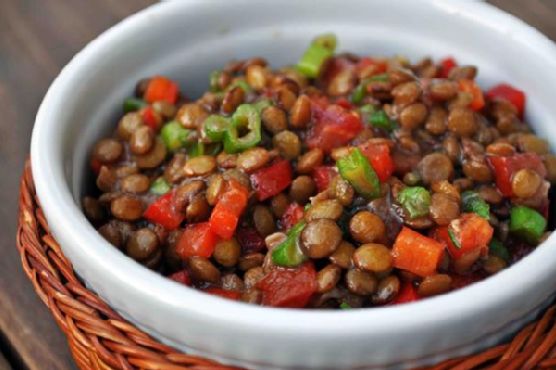
Lentil Salad With Vegetables
Welcome to our kitchen! Today, we’re diving into a dish that not only satisfies the taste buds but also brings a delightful burst of nutrition to your table. Lentil Salad with Vegetables is a recipe that has been passed down in our family for generations, and I’m thrilled to share it with you today. I still remember the warm summer evenings spent at my grandmother’s house, where this salad was a staple. The vibrant colors and fresh flavors were always a highlight of our meals, and now I hope it becomes a cherished part of your family dinners too.
Why You’ll Love It
This Lentil Salad with Vegetables is a delightful medley of flavors and textures that will elevate any meal. Whether you’re looking for a refreshing side dish, a nutritious lunch, or a light dinner, this salad fits the bill. Here’s why you’ll fall in love with this recipe:
- Nutritious: Packed with protein-rich lentils and a variety of vegetables, this salad is a nutrient powerhouse.
- Flavorful: The combination of balsamic and red wine vinegar gives a tangy kick, while rosemary adds a fragrant touch.
- Versatile: Perfect for summer picnics, potlucks, or a cozy dinner at home.
- Easy to Make: With simple ingredients and straightforward steps, this salad is quick to prepare.
Ingredients
- 2 tablespoons balsamic vinegar
- 3 tablespoons extra virgin olive oil
- 2 green onions, chopped
- 1 cup lentils
- 1 bell pepper, diced
- 1 red bell pepper, diced
- 1 tablespoon red wine vinegar
- 1 teaspoon fresh rosemary, chopped
- Salt, to taste
- 2 tomatoes, diced
- 1 white onion, diced
Instructions
- Heat the extra virgin olive oil in a saucepan over medium-high heat and add the diced white onion.
- Cook the onion until just translucent, stirring occasionally to ensure even cooking.
- Add the lentils to the saucepan and pour in enough water to cover them. Cook according to the package directions until tender.
- Once cooked, drain the lentils and let them cool to room temperature.
- In a large mixing bowl, combine the cooled lentils with the diced tomatoes, bell peppers, and green onions.
- Add the chopped rosemary, balsamic vinegar, and red wine vinegar to the vegetable mixture.
- Season with salt to taste. You can also add more olive oil or vinegar according to your preference.
- Toss everything together until well combined.
- Serve the salad cold or at room temperature, and enjoy!
Tips
To make the most out of your Lentil Salad with Vegetables, here are some tips to keep in mind:
- Choose Fresh Ingredients: Fresh vegetables make a big difference in flavor and texture.
- Cook Lentils Properly: Ensure the lentils are cooked just right – they should be tender but not mushy.
- Adjust Seasoning: Feel free to adjust the amount of vinegar and olive oil based on your taste preferences.
Variations & Substitutions
This salad is incredibly adaptable. Here are a few variations and substitutions you might consider:
- Add Cheese: Crumble some feta or goat cheese on top for added creaminess.
- Include Nuts: Toss in some toasted walnuts or almonds for extra crunch.
- Use Different Vinegars: Try apple cider vinegar or white wine vinegar for a different flavor profile.
- Herbs: Swap rosemary with thyme or parsley for a different herbal touch.
Storage
This salad can be stored in an airtight container in the refrigerator for up to 3 days. It’s a great make-ahead dish for busy weeks, and the flavors only deepen over time. Just give it a good toss before serving to redistribute the dressing.
FAQ
Can I use canned lentils for this recipe?
Yes, you can use canned lentils to save time. Just make sure to rinse and drain them well before adding them to the salad.
Is this salad vegan?
Yes, this Lentil Salad with Vegetables is completely vegan, making it a great option for those following a plant-based diet.
What can I serve with this salad?
This salad pairs well with grilled chicken, fish, or tofu. It also makes a great accompaniment to hearty soups or stews.
Nutrition
This salad is not only delicious but also nutritious. Packed with protein, fiber, and vitamins, it’s a wholesome addition to any meal. Lentils are an excellent source of plant-based protein, while the assortment of vegetables provides a rainbow of nutrients.
Final Thoughts
I hope this Lentil Salad with Vegetables becomes as beloved in your home as it is in ours. It’s a simple yet flavorful dish that brings people together around the table. Whether you’re enjoying it as a light lunch or serving it as a side at a family gathering, it’s sure to bring smiles and satisfaction. Don’t forget to share your own twists and experiences with this recipe in the comments below. Happy cooking!
Related update: Lentil Salad With Vegetables
Related update: Pennsylvania Dutch Pickled Eggs
Related update: Strawberry Pretzel Salad