Tag: Comfort Food

  • Ginger-Sesame Baby Bok Choy Stir Fry with Toasted Almonds | Made by Meaghan Moineau

    Ginger-Sesame Baby Bok Choy Stir Fry with Toasted Almonds | Made by Meaghan Moineau

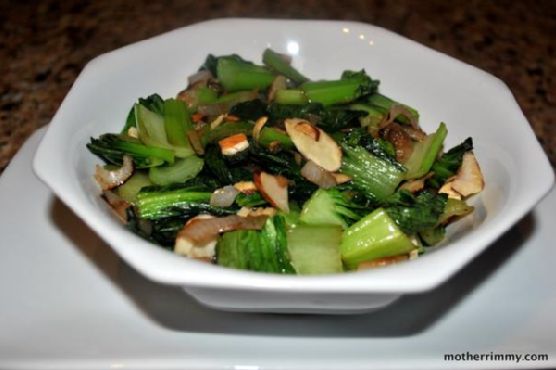
    Ginger-Sesame Baby Bok Choy Stir Fry with Toasted Almonds

    Imagine the tantalizing aroma of fresh ginger and sesame oil swirling together in a hot pan, mingling with the crisp sweetness of bok choy and the nutty crunch of toasted almonds. This Ginger-Sesame Baby Bok Choy Stir Fry is more than just a dish; it’s an aromatic dance of flavors that will enchant your taste buds and warm your soul.

    Personal Story

    It was a crisp autumn afternoon when I first stumbled upon the charm of baby bok choy. Wandering through an open-air market, I was drawn to their petite and vibrant green bundles, standing out like jewels among the earthy tones of root vegetables and gourds. Until then, my culinary adventures with Asian greens had been limited to the familiar crunch of broccoli and the peppery bite of arugula. But something about these little bok choy bundles beckoned me to explore further.

    Back in my cozy kitchen, I recall the gentle rustle of their leaves as I washed them, a sound reminiscent of a soft breeze stirring through a forest. I was nervous yet excited to experiment with a vegetable that was new to me. My first attempt at a stir fry ended in a delicious disaster — I had underestimated the power of fresh ginger and overdone the soy sauce, creating a saltier dish than anticipated. But every crackle of the pan and fragrant whiff of sesame oil encouraged me to keep trying.

    Through trial and a little error, I refined my approach, adding ingredients that would enhance rather than overpower. That’s when I discovered the magic of adding toasted almonds and a hint of honey, introducing a sweet, nutty balance to the dish. This initial kitchen mishap led to a delightful discovery — a recipe that became a staple in my household, loved by family and friends alike.

    Now, every time I make this Ginger-Sesame Baby Bok Choy Stir Fry with Toasted Almonds, I am transported back to that market day, feeling the crisp autumn air and hearing the chatter of bustling stalls. This dish, with its aromatic warmth and intricate flavors, has become a cherished part of my culinary repertoire, and I’m thrilled to share it with you.

    What Makes This Version Special

    The unique twist in this recipe lies in the incorporation of ginger and sesame seeds, which add an extra layer of aromatic complexity and nutty depth. Many traditional stir fry recipes stick to the basics, but this version elevates the dish to a new level by enhancing the natural sweetness of the bok choy with honey and balancing it with the umami of soy sauce. The **ginger** and **toasted sesame seeds** not only infuse the dish with rich scents but also bring a delightful texture and flavor contrast. By toasting the sesame seeds, we unlock a warm, nutty aroma that complements the leafy green crunch of the bok choy. Each bite is a symphony of textures and flavors, making this stir fry stand out from the standard versions.

    Flavor Profile

    This Ginger-Sesame Baby Bok Choy Stir Fry offers an aromatic explosion of flavors. The dish is delicately balanced with nutty, spicy, and sweet notes that dance on your palate. The **fresh ginger** provides a subtle heat, while the **coconut oil** brings a silky mouthfeel and a hint of tropical flair. The **honey** adds just the right amount of sweetness to counterbalance the savory **soy sauce**. As the stir fry cooks, the **aromas** of garlic and ginger bloom in the pan, weaving together a tapestry of scents that are both comforting and exciting. The **toasted almonds** contribute a satisfying crunch and a toasty flavor that amplifies the nutty profile of the dish.

    Ingredients

    • 1 tablespoon coconut oil
    • 2 shallots, thinly sliced
    • 2 lbs baby bok choy, halved lengthwise
    • 3 cloves garlic, minced
    • 1 tablespoon minced fresh ginger
    • 1 teaspoon salt
    • 1/2 teaspoon black pepper
    • 1/4 teaspoon red pepper flakes
    • 1/3 cup sliced almonds
    • 1 tablespoon sesame oil
    • 1 tablespoon honey
    • 2 tablespoons soy sauce
    • 2 tablespoons toasted sesame seeds

    Instructions

    1. Heat the coconut oil in a large nonstick skillet over medium-high heat until shimmering.
    2. Add the sliced shallots and cook for 3 to 4 minutes until they are soft and translucent.
    3. Introduce the bok choy to the skillet, setting the leafy tops aside for later. Cook for another 3 to 4 minutes, stirring occasionally, until the stalks are crisp-tender and slightly charred.
    4. In a separate small dry pan, toast the sliced almonds over medium heat, stirring frequently, until golden brown and fragrant, about 3 minutes. Be sure to keep an eye on them to prevent burning.
    5. Add the minced garlic and ginger to the bok choy in the skillet, allowing them to bloom in the remaining coconut oil until fragrant, about 30 seconds.
    6. Sprinkle in the salt, black pepper, and red pepper flakes, stirring to coat the bok choy evenly.
    7. Stir in the reserved bok choy leaves, sesame oil, honey, and soy sauce. Toss everything together and let it cook for another 2 minutes until the leaves have wilted slightly.
    8. Finally, top the stir fry with the toasted almonds and toasted sesame seeds before serving warm.

    Pro Tips from Meaghan’s Kitchen

    • Balancing flavors: If you find the dish too sweet or salty, adjust by adding a splash of rice vinegar for acidity.
    • Toasting sesame seeds: Always toast seeds and nuts in a dry pan to bring out their natural oils and enhance their flavor.
    • Timing is key: Add bok choy leaves towards the end of cooking to preserve their color and nutrients.
    • Infusion technique: Blooming garlic and ginger in oil releases their essential oils, maximizing their flavor impact.
    • Ingredient swaps: Feel free to substitute almonds with cashews for a creamier texture or use maple syrup in place of honey for a vegan version.

    Variations & Dietary Swaps

    • Vegetarian Swap: Replace soy sauce with tamari for a gluten-free version, and swap honey with maple syrup for a vegan-friendly dish.
    • Spice It Up: For those who love heat, increase the red pepper flakes to 1/2 teaspoon or add a dash of sriracha for an extra kick.
    • Kids-Friendly Version: Tone down the spice by omitting the red pepper flakes and adding a handful of snap peas or baby corn for added sweetness and color.

    What to Serve With It

    Pair this Ginger-Sesame Baby Bok Choy Stir Fry with a bowl of steamed jasmine rice or quinoa for a complete meal. For a refreshing beverage, serve alongside a chilled glass of Jasmine tea, whose floral notes complement the dish beautifully. Alternatively, a light, crisp Sauvignon Blanc offers a bright acidity that enhances the fresh ginger and sesame flavors.

    Storage & Meal Prep

    Store any leftovers in an airtight container in the refrigerator for up to 3 days. To reheat, gently warm in a skillet over medium heat until heated through, adding a splash of water if necessary to maintain moisture. This stir fry is not recommended for freezing, as the texture of the bok choy may become mushy upon thawing.

    FAQ

    Can I use regular bok choy instead of baby bok choy?

    Yes, regular bok choy can be used, though you may need to slice it into smaller pieces to ensure even cooking. The flavor will be slightly more robust, but still delicious.

    What can I use instead of coconut oil?

    If coconut oil isn’t available, substitute with any neutral oil like vegetable or avocado oil. Keep in mind that coconut oil adds a hint of sweetness that complements the dish.

    Can I make this dish ahead of time?

    While it’s best enjoyed fresh, you can prep the ingredients ahead of time by slicing the shallots and bok choy, and toasting the almonds. Assemble and cook when ready to serve for maximum flavor and texture.

    How do I prevent the garlic and ginger from burning?

    Ensure the garlic and ginger are added when the oil is hot but not smoking, and always keep stirring them in the pan to avoid burning. Adding them just before the liquid ingredients also helps protect them from high heat.

    Final Thoughts

    Creating this Ginger-Sesame Baby Bok Choy Stir Fry with Toasted Almonds is a journey of flavors and textures that transforms simple ingredients into something extraordinary. Whether you’re new to cooking Asian-inspired dishes or a seasoned pro, this recipe offers a delightful challenge with aromatic rewards. I hope you enjoy making and sharing this dish as much as I do. I’d love to hear your thoughts and see your creations — feel free to leave a comment below or share your photos on social media. Let’s keep the conversation and the culinary exploration going!

    Related update: Ginger-Sesame Baby Bok Choy Stir Fry with Toasted Almonds

    Related update: Spicy Garlic-Curry Leaf Crunch Potatoes with Tamarind Chutney
  • Spicy Maple-Roasted Autumn Vegetables with Herbed Goat Cheese Drizzle | Made by Meaghan Moineau

    Spicy Maple-Roasted Autumn Vegetables with Herbed Goat Cheese Drizzle | Made by Meaghan Moineau

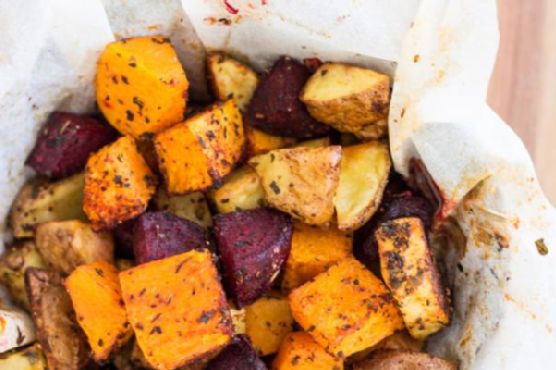
    Spicy Maple-Roasted Autumn Vegetables with Herbed Goat Cheese Drizzle

    Imagine the rich aroma of butternut squash, beet roots, and potatoes roasting in your kitchen, kissed by a spicy maple glaze that caramelizes to perfection. As the heat transforms these autumn vegetables into golden-brown morsels, a drizzle of creamy, herbed goat cheese awaits, ready to crown the masterpiece with a fragrant finish. This is not just a side dish; it’s a savory-sweet symphony that dances across your taste buds.

    Opening Hook

    There’s nothing quite like the comforting embrace of a kitchen filled with the scent of roasting vegetables. The sizzle of olive oil meeting the skin of vibrant butternut squash, the earthy undertones of beet roots mingling with the sweetness of maple syrup — it’s a sensory experience that transforms a simple dish into something extraordinary. This is where culinary magic happens, blending nostalgia with innovation in every bite.

    Personal Story

    Growing up, autumn was always a season of wonder and warmth. I remember the first time I helped my grandmother in her cozy kitchen, the windows fogged up from the heat of the oven, and the tantalizing aroma of roasting vegetables swirling around us. She taught me the importance of timing and patience, how to know when the vegetables were just right by their golden-brown hue and tender texture.

    It was in her kitchen that I first discovered the magic of maple syrup in savory dishes. I accidentally spilled some into our roasted vegetables — an unintentional twist that received rave reviews from my family. The sweetness intertwined with the earthy flavors, creating a delightful surprise that quickly became a family classic. Since then, I’ve been on a quest to recreate and elevate those beloved flavors.

    Years later, in my own kitchen, I found myself experimenting with spices and textures, determined to craft a dish that would honor my grandmother’s original while adding my personal flair. After numerous trials and some spicy mishaps, I stumbled upon the perfect combination: a spicy maple glaze paired with a creamy, herbed goat cheese drizzle. This version of maple-roasted autumn vegetables has become a staple at my table, always evoking cherished memories with every bite.

    What Makes This Version Special

    This version of Spicy Maple-Roasted Autumn Vegetables stands out with its unforgettable sweet and spicy contrast. The introduction of a **spicy maple glaze** elevates the classic roasted veggies to a new level of flavor complexity, while the **creamy, herbed goat cheese drizzle** adds a luxurious touch. The result is a dish that’s both comforting and exciting, with each element working in harmony to deliver a taste experience that’s both familiar and refreshingly new. The combination of cayenne pepper with the sweetness of maple syrup creates a caramelized, sticky finish that clings to the vegetables, offering a delightful crunch with every bite. The goat cheese drizzle, infused with fresh thyme and chives, provides an herbaceous, creamy counterpoint that balances the heat, making this dish a must-try for those eager to embrace the flavors of fall.

    Flavor Profile

    The Spicy Maple-Roasted Autumn Vegetables with Herbed Goat Cheese Drizzle is a flavor journey that begins with the initial hit of spicy heat, courtesy of the cayenne pepper, followed by the comforting sweetness of maple syrup. As you savor each bite, the creaminess of the goat cheese drizzle melts into the earthy tones of the roasted vegetables, enhanced by the aromatic notes of fresh thyme and chives. This dish is a delightful dance of sweet, spicy, and creamy, with a peppery, herbaceous finish that lingers on your palate — a true celebration of autumn’s bounty.

    Ingredients

    • 1 medium butternut squash, peeled and cut into bite-sized pieces
    • 3 medium beet roots, peeled and cut into bite-sized pieces
    • 4 medium potatoes, cut into bite-sized pieces (peeling optional)
    • 3 tablespoons olive oil
    • 1 tablespoon paprika
    • 1 teaspoon dried basil
    • Salt and pepper to taste
    • **1/4 cup maple syrup**
    • **1/2 teaspoon cayenne pepper**
    • **1/2 cup crumbled goat cheese**
    • **1 tablespoon fresh thyme, chopped**
    • **1 tablespoon fresh chives, chopped**

    Instructions

    1. Preheat your oven to 200 degrees Celsius (fan: 180 degrees Celsius) to ensure an even roast.
    2. In a large bowl, toss the butternut squash, beet roots, and potatoes with olive oil, paprika, dried basil, salt, and pepper until every piece is well-coated.
    3. Add the maple syrup and cayenne pepper to the bowl, mixing until the vegetables are covered in a sticky, spicy glaze.
    4. Spread the glazed vegetables in a single layer on a large baking tray, ensuring even cooking. Bake in the preheated oven for 30 minutes, or until the vegetables are golden-brown and tender but still have a slight bite.
    5. While the vegetables roast, blend the crumbled goat cheese with fresh thyme and chives in a small bowl until smooth and creamy.
    6. Once the vegetables are done, drizzle the herbed goat cheese over them while still warm. Serve immediately for the best texture and flavor.

    Pro Tips from Meaghan’s Kitchen

    • Always preheat your oven fully before roasting to ensure the vegetables cook evenly and achieve that perfect golden-brown finish.
    • When cutting your vegetables, aim for uniform sizes to guarantee even cooking. Smaller pieces tend to crisp up more, adding a delightful texture contrast.
    • For an extra crispy finish, don’t overcrowd your baking tray. A single layer of vegetables is key to achieving the right texture.
    • Adjust the cayenne pepper to suit your spice preference. A little goes a long way, so start small and increase if you enjoy more heat.
    • Save time by preparing the goat cheese drizzle ahead of time and storing it in the fridge until ready to use. Just give it a good stir before serving.

    Variations & Dietary Swaps

    • **Vegetarian version**: Swap the goat cheese for a plant-based cheese alternative to make this dish suitable for vegans.
    • **Spice-it-up version**: Add a pinch of smoked paprika to the glaze for an extra layer of smoky flavor.
    • **Kids-friendly version**: Reduce the cayenne pepper and serve the goat cheese drizzle on the side, allowing kids to add as much or as little as they like.

    What to Serve With It

    This dish pairs beautifully with a chilled glass of Riesling, whose crispness complements the sweetness of the maple syrup. For a heartier meal, serve it alongside warm rosemary focaccia to sop up every last bit of the creamy goat cheese drizzle. Alternatively, a simple green salad with a light lemon vinaigrette can provide a refreshing counterbalance to the rich flavors.

    Storage & Meal Prep

    Store any leftovers in an airtight container in the fridge for up to three days. To reheat, spread the vegetables on a baking tray and warm in a preheated oven at 180 degrees Celsius for 10-12 minutes. The goat cheese drizzle should be added fresh each time for the best texture. This dish is not suitable for freezing, as the texture of the vegetables can become soggy upon thawing.

    FAQ

    Can I use different vegetables?

    Absolutely! Feel free to substitute or add other root vegetables like sweet potatoes or parsnips for a unique twist.

    How can I make the dish less spicy?

    Simply reduce or omit the cayenne pepper in the glaze. The maple syrup will still provide a lovely sweetness.

    Is there a substitute for goat cheese?

    If you’re not a fan of goat cheese, try using feta or ricotta for a different creamy element.

    Can I prepare this dish in advance?

    The vegetables can be prepped and glazed ahead of time, but for the best taste and texture, roast them just before serving.

    What if I don’t have fresh herbs?

    Dried herbs can be used in a pinch, but remember they are more concentrated, so use about a third of the amount specified for fresh herbs.

    Final Thoughts

    Spicy Maple-Roasted Autumn Vegetables with Herbed Goat Cheese Drizzle is more than just a dish; it’s an invitation to savor the flavors of the season with loved ones. Whether you’re gathering around the table for a family dinner or hosting friends for a festive feast, this recipe is sure to impress and delight. I can’t wait for you to try it out and make it your own. Don’t forget to leave a comment below sharing your experience or any creative variations you came up with. Happy cooking, my friends!

    Related update: Spicy Maple-Roasted Autumn Vegetables with Herbed Goat Cheese Drizzle

    Related update: Ginger-Sesame Baby Bok Choy Stir Fry with Toasted Almonds

  • Mediterranean Citrus-Infused Semolina Cake with Spiced Honey Nuts | Made by Meaghan Moineau

    Mediterranean Citrus-Infused Semolina Cake with Spiced Honey Nuts | Made by Meaghan Moineau

    Mediterranean Citrus-Infused Semolina Cake with Spiced Honey Nuts

    Picture this: A sunlit kitchen filled with the intoxicating aroma of citrus and spices, where a golden-brown cake cools on the counter, glistening with a glossy syrup that catches the light just so. This isn’t just any cake; it’s a Mediterranean Citrus-Infused Semolina Cake with Spiced Honey Nuts, a dessert that promises to transport your taste buds straight to a sun-drenched Mediterranean coast.

    Personal Story

    My love affair with semolina cake began on a spontaneous trip to a small Mediterranean village. I was wandering through a bustling food market, where the air was thick with the scent of fresh spices and citrus. A local vendor, with a warm smile and hands that moved with the grace of a seasoned cook, offered me a slice of what I’d later come to know as basbousa—a semolina cake soaked in syrup. It was love at first bite.

    The texture was unlike anything I’d ever tasted — dense yet tender, with a syrup that was both sweet and subtly spiced. I knew then that I had to bring a piece of this culinary magic back home. Of course, my first few attempts in my kitchen were far from perfect. There was a memorable mishap where I mistook salt for sugar, resulting in a cake that was, let’s say, uniquely inedible.

    But with each attempt, I learned something new. I started experimenting with flavors, wanting to incorporate my own twist on the classic. After many trials, I finally landed on a version that felt like me. My Mediterranean Citrus-Infused Semolina Cake with Spiced Honey Nuts was born, and with it, a little piece of my heart.

    Now, whenever I make this cake, I remember that sunlit market and the taste of adventure. It’s a reminder of how food can connect us to places and moments, and how a single slice of cake can hold a world of memories.

    What Makes This Version Special

    This is not your average semolina cake. The magic starts with the cake itself, which is infused with a fragrant blend of cardamom and rose water. These ingredients add a luxurious, aromatic depth that elevates the entire dessert. But the true star? The spiced honey nut syrup. Featuring a hint of cinnamon, it provides a warm, aromatic finish that complements the citrus-forward flavors perfectly.

    Unlike traditional versions, which can be overly sweet, this cake achieves a harmonious balance of flavors. The syrup is not just a sweetener but a complex layer of taste that brings out the best in the semolina’s nutty notes. Trust me, once you’ve had a taste of this version, there’s no going back to the standard recipe.

    Flavor Profile

    The flavor journey begins with a burst of citrus — a vibrant combination of lemon and orange zest that dances on your palate. As you savor each bite, the subtle floral notes of rose water emerge, adding an ethereal quality to the cake. Finally, the warm, spiced finish from the honey nut syrup, infused with a hint of cinnamon, wraps everything in a comforting embrace. It’s a taste experience that’s both refreshing and indulgent.

    Ingredients

    • 1 cup sugar
    • 4 eggs
    • 1 cup yoghurt
    • Zest of 1 lemon
    • Zest of 1 orange
    • 1 cup almond meal
    • 1 cup semolina
    • 2 teaspoons baking powder
    • 1/2 cup **olive oil**
    • 1 teaspoon **cardamom**
    • 1 teaspoon **rose water**
    • 1/2 cup almonds
    • 1/2 cup raisins
    • 1/2 cup dry cranberries
    • 1 cup **honey**
    • Juice of 1 orange
    • 1 **cinnamon stick**
    • 1/4 cup pistachios

    Instructions

    1. Preheat your oven to 180°C (160°C fan). Prepare a 20-23cm round baking tin by lining it with baking paper or using a silicone mold.
    2. In a small pan, heat the olive oil over low heat. Add the **cardamom** and allow it to bloom for about 2 minutes, stirring gently to release its aroma. Set aside to cool slightly.
    3. In a mixer, whisk the eggs and sugar until the mixture is thick and pale in color, about 5 minutes.
    4. Add the yoghurt, lemon zest, and orange zest to the egg mixture. Mix until well combined.
    5. Gradually add the almond meal, semolina, and baking powder. Mix on low speed until just combined.
    6. Incorporate the cardamom-infused olive oil and rose water into the batter. Mix until smooth.
    7. Pour the mixture into the prepared baking tin. Bake for 35 minutes or until the top is golden-brown and a skewer inserted into the center comes out clean.
    8. While the cake bakes, prepare the syrup: In a pot, combine the honey, orange juice, almonds, raisins, cranberries, and the **cinnamon stick**. Bring to a boil, then reduce to a simmer for 1-2 minutes to enhance the aroma.
    9. Remove the cake from the oven and pierce all over with a skewer. Pour the warm syrup evenly over the cake. Allow it to soak and cool slightly before serving.
    10. Garnish with pistachios just before serving for a touch of color and crunch.

    Pro Tips from Meaghan’s Kitchen

    • Use fresh citrus for zesting — it makes all the difference in flavor and aroma.
    • Blooming spices in oil intensifies their flavor, so don’t skip this step!
    • If your syrup is too thick, thin it with a tablespoon of water while simmering.
    • For a moist cake, ensure your yoghurt is at room temperature before mixing.
    • Don’t overmix the batter once dry ingredients are added, to keep the cake tender.

    Variations & Dietary Swaps

    • Gluten-free version: Substitute semolina with gluten-free flour blend and ensure all other ingredients are certified gluten-free.
    • Vegan option: Replace eggs with a flaxseed mixture (1 tablespoon flaxseed meal + 2.5 tablespoons water per egg) and yoghurt with coconut yoghurt.
    • Spice-it-up version: Add a pinch of saffron to the syrup for an extra layer of flavor complexity.

    What to Serve With It

    This Mediterranean Citrus-Infused Semolina Cake pairs beautifully with a cup of freshly brewed mint tea, enhancing the cake’s aromatic notes. If you’re feeling a bit more indulgent, a glass of sweet dessert wine like Moscato complements the citrus and honey flavors exquisitely. For a complete Mediterranean experience, consider serving it alongside a platter of fresh fruits and nuts.

    Storage & Meal Prep

    To store, wrap the cake tightly in plastic wrap and keep it in the fridge for up to 5 days. For longer storage, slice the cake and freeze the pieces in an airtight container for up to 2 months. To reheat, thaw the slices in the fridge overnight and warm in a low oven for a few minutes or enjoy at room temperature.

    FAQ

    Can I make the cake ahead of time?

    Absolutely! This cake actually tastes better the next day as the flavors meld together. Make it a day ahead and store it in the fridge.

    What other nuts can I use?

    If you don’t have almonds or pistachios, walnuts or pecans are great alternatives. They add a wonderful texture and flavor.

    Can I use bottled lemon and orange juice?

    Fresh is best for zest and juice in this recipe, as it provides the most vibrant flavor. But in a pinch, bottled can work for the syrup component.

    How do I know when the syrup is ready?

    You’ll know it’s ready when it has thickened slightly and coats the back of a spoon. The aroma should also be warm and spiced from the cinnamon.

    What if my cake turns out dry?

    If the cake seems dry, it might have been overbaked. Ensure it’s only baked until a skewer comes out clean. Adding more syrup can help salvage moisture.

    Final Thoughts

    There you have it, my dear baking companions — a cake that’s not just a dessert but a journey through flavors and memories. I hope you enjoy making and eating this Mediterranean Citrus-Infused Semolina Cake with Spiced Honey Nuts as much as I do. If you give it a try, I’d love to hear how it turns out or any personal twists you add. Please share your thoughts in the comments, or better yet, snap a picture and tag me in your delicious creations. Happy baking!

    Related update: Mediterranean Citrus-Infused Semolina Cake with Spiced Honey Nuts

    Related update: Decadent Dark Chocolate Raspberry S’mores Bars with Salted Caramel Drizzle

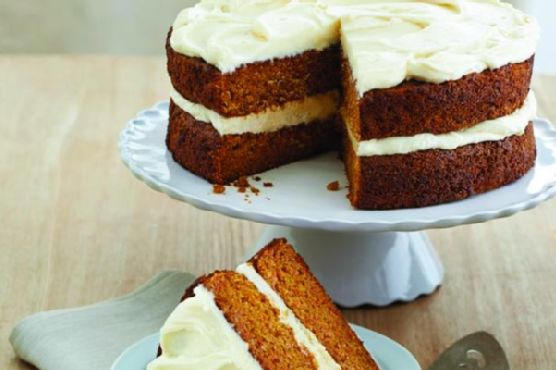
  • Spiced Maple Carrot Cake with Ginger Cream Cheese Frosting | Made by Meaghan Moineau

    Spiced Maple Carrot Cake with Ginger Cream Cheese Frosting | Made by Meaghan Moineau

    Spiced Maple Carrot Cake with Ginger Cream Cheese Frosting

    Picture this: the aroma of spices wafting through your kitchen, the comforting sizzle of butter in a hot pan, and the warm embrace of a freshly baked carrot cake as it cools on the counter. This isn’t just any carrot cake; it’s a fall-inspired masterpiece that combines the earthy sweetness of pure maple syrup with the zing of crystallized ginger. Welcome to a dessert experience that wraps you in cozy feelings and whispers, “stay a while.”

    Personal Story

    Carrot cake holds a special place in my heart. Growing up, it was a staple at family gatherings, a dessert that signaled celebration and togetherness. My grandmother, a woman with a knack for transforming simple ingredients into something magical, would always make her version — moist, cinnamon-laden, and topped with rich cream cheese frosting. I remember standing on a stool beside her, eager to lick the frosting bowl clean while she patiently grated carrots, telling stories of her own childhood.

    Years later, when I found myself in my own kitchen, I realized I wanted to honor her tradition while adding a twist that spoke to my personal culinary journey. It was a chilly autumn afternoon, the kind where leaves dance in the wind, and I was craving something that embodied the season. As I reached for the maple syrup and spotted a jar of crystallized ginger in the pantry, inspiration struck.

    My first attempt was a bit of an experiment — would the spices overpower the cake? Would the ginger be too bold? I held my breath as the cake baked, filling my apartment with an intoxicating scent that promised deliciousness. As soon as it cooled, I iced it with a ginger cream cheese frosting, took a bite, and was transported. The flavors melded beautifully, creating a dessert that wasn’t just about nostalgia but also about embracing new traditions.

    Now, this Spiced Maple Carrot Cake with Ginger Cream Cheese Frosting has become a new family favorite. It’s the cake I bring to gatherings, the one that gets requested by friends who dub it “that unforgettable carrot cake.” It’s my homage to both the past and the present, a dish that bridges generations and seasons in one swoon-worthy bite.

    What Makes This Version Special

    What sets this carrot cake apart from the classic version is the addition of pure maple syrup and crystallized ginger. The syrup introduces a deep, aromatic sweetness that complements the natural sugars of the carrots beautifully. At the same time, the crystallized ginger provides a spicy kick, adding an unexpected twist that elevates the cake from an everyday dessert to a fall-inspired delight.

    The magic doesn’t stop there. By blooming the ground cinnamon, nutmeg, and cloves in butter before adding them to the batter, we unlock their full potential, allowing the spices to infuse every bite with warmth and complexity. This technique brings out the best in each spice, creating a symphony of flavors that dance on your tongue.

    Flavor Profile

    Imagine a warm, aromatic cake with a sweet maple undertone that gently cradles your taste buds, followed by a spicy ginger kick that surprises and delights. The toasted pecans add a nutty crunch, while the fresh orange zest subtly brightens the entire flavor profile. With each bite, you’re taken on a journey — from the comforting familiarity of carrot cake to the exciting depths of its spiced maple evolution.

    Ingredients

    • 2 cups white whole wheat flour
    • 2 teaspoons baking powder
    • 1 teaspoon baking soda
    • 1 teaspoon salt
    • 1 cup granulated sugar
    • 1 cup **brown sugar**
    • 3/4 cup canola oil
    • 1/4 cup **pure maple syrup**
    • 4 large eggs
    • 2 cups grated carrots
    • 1/2 cup finely chopped **crystallized ginger**
    • 1/2 cup **toasted pecans**, chopped
    • 1 teaspoon vanilla extract
    • 1 teaspoon ground cinnamon
    • 1/2 teaspoon ground nutmeg
    • 1/4 teaspoon ground cloves
    • 1 tablespoon butter
    • Zest of 1 orange
    • For the frosting:
    • 1/2 cup butter, softened
    • 8 oz **low fat cream cheese**, softened
    • 4 cups icing sugar
    • 1 teaspoon vanilla extract
    • **Crystallized ginger**, for garnish

    Instructions

    1. Preheat your oven to 350°F (180°C). Grease two 9-inch (23cm) cake pans and line the bottoms with parchment paper.
    2. In a small saucepan, melt the butter over medium heat. Add the ground cinnamon, nutmeg, and cloves. Stir continuously for about 2 minutes until spices are fragrant and the mixture is a beautiful golden-brown. Set aside to cool slightly.
    3. In a large mixing bowl, beat the canola oil, granulated sugar, and brown sugar together until well combined and slightly fluffy.
    4. Beat in the maple syrup and vanilla extract.
    5. Add the eggs one at a time, beating well after each addition until the mixture is smooth and glossy.
    6. In another large bowl, whisk together the flour, baking powder, baking soda, and salt.
    7. Slowly add the dry ingredients to the wet ingredients, mixing just until combined. Be careful not to overmix.
    8. Gently fold in the grated carrots, crystallized ginger, toasted pecans, and orange zest, ensuring they are evenly distributed throughout the batter.
    9. Divide the batter evenly between the prepared cake pans, smoothing the tops with a spatula.
    10. Bake in the preheated oven for 25 to 30 minutes, or until a toothpick inserted in the center comes out clean. The tops should be a lovely golden-brown.
    11. Allow the cakes to cool in the pans for about 20 minutes before transferring them to a wire cooling rack to cool completely.
    12. For the frosting, beat the softened butter and cream cheese together in a medium bowl until smooth and creamy.
    13. Gradually add the icing sugar, one cup at a time, beating well after each addition. Add the vanilla extract and continue to beat until the frosting is fluffy and light. If needed, add a little milk to achieve your desired consistency.
    14. Place one cake layer on a serving dish and spread with a generous layer of frosting. Top with the second cake layer and cover the top and sides with the remaining frosting.
    15. Decorate with extra crystallized ginger and toasted pecans for a delightful finish.

    Pro Tips from Meaghan’s Kitchen

    • Grate your carrots fresh for the best texture and moisture. Pre-packaged grated carrots are often too dry.
    • To prevent your cake from sticking, make sure your cake pans are well-greased and lined with parchment paper.
    • For a smoother frosting, ensure both your cream cheese and butter are at room temperature before mixing.
    • If your cake domes in the middle, use a serrated knife to gently level it before frosting for a more professional-looking finish.
    • Let the flavors meld by storing the cake in the fridge overnight before serving. This also makes the cake easier to slice.

    Variations & Dietary Swaps

    • Vegetarian Swap: Use a flax egg (1 tablespoon flaxseed meal + 2.5 tablespoons water) to replace each egg for a vegetarian-friendly cake.
    • Spice-it-up Version: Add a pinch of cayenne pepper to the spice mix for a subtle heat that pairs beautifully with the sweet elements.
    • Kids-Friendly Version: Omit the ginger for a milder cake that’s more appealing to young palates. Add mini chocolate chips for a fun twist!

    What to Serve With It

    This Spiced Maple Carrot Cake shines when paired with a cup of spiced chai tea, which complements its aromatic profile. If you’re in the mood for something a bit more indulgent, a glass of sweet Riesling is a perfect match, enhancing the cake’s sweet and spicy notes with its own fruity undertones.

    Storage & Meal Prep

    Store any leftover cake in an airtight container in the refrigerator for up to 5 days. If you want to save some for later, wrap individual slices in plastic wrap and store in a freezer bag for up to 3 months. To enjoy, defrost slices in the refrigerator overnight, then let sit at room temperature for about 30 minutes before serving for optimal flavor and texture.

    FAQ

    Can I use all-purpose flour instead of white whole wheat flour?

    Yes, you can substitute all-purpose flour for white whole wheat flour in this recipe. The texture will be a bit lighter, but the flavor will remain delicious.

    What can I use instead of crystallized ginger if I don’t have any?

    If you’re out of crystallized ginger, feel free to use fresh grated ginger or ground ginger. Start with a smaller amount and adjust to taste.

    How can I make this cake more moist?

    This cake is already quite moist, thanks to the oil and freshly grated carrots. However, you can add a tablespoon of Greek yogurt or applesauce to the batter for extra moisture.

    Is it necessary to toast the pecans?

    Toasting the pecans enhances their flavor and adds a delightful crunch. While it’s not necessary, it’s highly recommended for the best taste experience.

    Can I make this cake in advance?

    Absolutely! This cake actually tastes even better the next day as the flavors meld together. Just be sure to store it properly in the fridge.

    Final Thoughts

    There you have it — a Spiced Maple Carrot Cake with Ginger Cream Cheese Frosting that’s sure to become a new favorite in your recipe collection. It’s a cake that celebrates tradition while embracing new flavors, making it the perfect dessert for any occasion. I’d love to hear how this recipe turns out for you, so feel free to leave a comment below or share your cake creations with me on social media. Happy baking, and may your kitchen be filled with warmth and joy!

    Related update: Spiced Maple Carrot Cake with Ginger Cream Cheese Frosting

    Related update: Mediterranean Citrus-Infused Semolina Cake with Spiced Honey Nuts

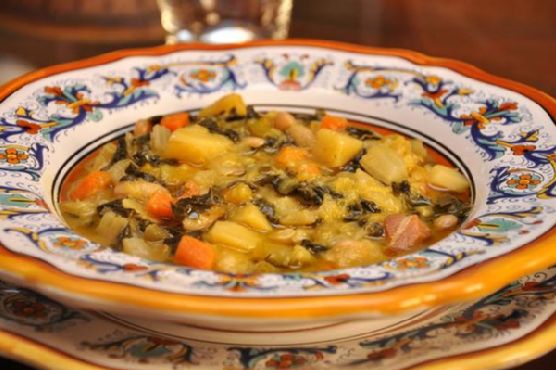
  • Savory Truffle-Infused Minestrone with Crispy Pancetta | Made by Meaghan Moineau

    Savory Truffle-Infused Minestrone with Crispy Pancetta | Made by Meaghan Moineau

    Savory Truffle-Infused Minestrone with Crispy Pancetta

    Imagine the rich aroma of earthy truffle oil mingling with the savory scent of sizzling pancetta, wafting through your kitchen on a chilly evening. This isn’t just any minestrone soup; it’s a luxurious, flavor-packed journey that promises to delight your senses and warm your soul with every spoonful.

    Personal Story

    The first time I made minestrone, I was in my early twenties, bustling around my tiny apartment kitchen with a recipe card in one hand and a wooden spoon in the other. Like many first attempts, this was a learning experience. I was overly ambitious, trying to cook up a storm for a small gathering of friends who were coming over for dinner. My kitchen was a symphony of clinking pans and bubbling pots, and though I was a novice, I was determined to make something memorable.

    That night, in a fit of inspiration (or maybe it was desperation), I added a splash of truffle oil that had been a gift from a friend who’d recently returned from Italy. The result was a revelation. The truffle oil elevated the humble minestrone to a new level of sophistication. Even my most discerning friends were impressed, and the soup became the talk of the evening.

    Over the years, I’ve refined that recipe, incorporating new techniques and ingredients like crispy pancetta to add depth and texture. Now, every time I make this truffle-infused minestrone, I’m transported back to that cozy apartment kitchen, where a simple soup became a gourmet experience.

    It’s not just a dish for me; it’s a memory that I recreate and savor with every simmering pot.

    What Makes This Version Special

    This isn’t your average minestrone. What sets this version apart is the luxurious touch of truffle oil and the irresistible crunch of crispy pancetta. These ingredients transform a rustic Italian classic into a gourmet masterpiece. The truffle oil adds an earthy richness that lingers on your palate, while the pancetta provides a delightful contrast with its smoky, salty flavor. This combination makes every bite an indulgent pleasure, elevating the soup from a simple starter to the star of any meal.

    Flavor Profile

    Prepare yourself for a taste experience that is both earthy and rich, with a subtle hint of truffle that lingers on the tongue. The crispiness of the pancetta adds a delightful texture, while the hearty mix of vegetables and tender beans creates a soup that is robust and satisfying. The savory notes from the sautéed vegetables are perfectly balanced by the light, umami flavor of the truffle oil, which is added just before serving to maintain its aromatic qualities. This minestrone is a symphony of flavors that dance together harmoniously, leaving a lasting impression.

    Ingredients

    • 2 tablespoons butter
    • 1 cup diced carrots
    • 1 cup diced celery
    • 1 large onion, chopped
    • 3 cloves garlic, minced
    • 2 cups shredded cabbage
    • 1 can (28 oz) canned tomatoes
    • 6 cups water
    • 1 cup brown rice
    • Salt to taste
    • 1 tablespoon Worcestershire sauce
    • 1 tablespoon Italian mixed seasoning
    • 1 teaspoon pepper
    • 2 medium potatoes, diced
    • 2 beef bouillon cubes
    • 1 large zucchini, diced
    • 1 can (15 oz) canned kidney beans, drained and rinsed
    • 1 cup frozen spinach
    • 1/2 cup grated Parmesan cheese
    • 2 tablespoons truffle oil
    • 4 oz pancetta, diced
    • Fresh thyme for garnish

    Instructions

    1. In a large soup kettle, render the diced pancetta over medium heat, stirring occasionally until it’s crispy and golden-brown. Remove the pancetta and set aside, leaving the rendered fat in the kettle.
    2. Add the butter to the kettle. Once melted, sauté the carrots, celery, onions, garlic, and cabbage in the pancetta fat for about 20 minutes, stirring often until the vegetables are tender and fragrant.
    3. Stir in the canned tomatoes, water, brown rice, salt, Worcestershire sauce, Italian mixed seasoning, pepper, diced potatoes, beef bouillon cubes, and zucchini. Bring the mixture to a boil, then reduce the heat and let it simmer, covered, for at least 30 minutes.
    4. Once the vegetables are tender, add the canned kidney beans and frozen spinach. Increase the heat to return the soup to a boil, then reduce to medium heat and cook until the spinach is heated through, about 5 minutes. Add more water if the soup becomes too thick.
    5. Just before serving, drizzle the truffle oil over the soup to maintain its aromatic qualities. Serve hot, garnished with crispy pancetta, grated Parmesan cheese, and fresh thyme.

    Pro Tips from Meaghan’s Kitchen

    • When rendering the pancetta, start with a cold pan to allow the fat to render slowly and thoroughly, enhancing the soup’s flavor profile.
    • For an even richer taste, use homemade beef stock instead of water and bouillon cubes.
    • Drizzle the truffle oil sparingly; a little goes a long way in imparting its unique flavor.
    • For a creamy twist, blend half of the soup before adding the beans and spinach, then mix with the remaining chunky soup.
    • Always taste and adjust the seasoning before serving; the truffle oil can bring out hidden flavors.

    Variations & Dietary Swaps

    • Vegetarian Version: Swap the pancetta for smoked paprika and use vegetable bouillon cubes instead of beef. The smoky paprika will provide a depth of flavor that’s reminiscent of pancetta.
    • Spice-It-Up: Add a pinch of red pepper flakes or a diced jalapeño when sautéing the vegetables for a spicy kick.
    • Kids-Friendly Version: Puree the soup after cooking to create a smooth, creamy texture that’s easier for little ones to enjoy. You can also reduce the garlic and remove the truffle oil for a milder flavor.

    What to Serve With It

    This savory truffle-infused minestrone pairs beautifully with a glass of earthy red wine like a Pinot Noir, enhancing the depth of flavors in the soup. For a complete meal, serve alongside a side of rustic garlic bread, perfect for dipping and soaking up every last drop of the delicious broth.

    Storage & Meal Prep

    To store, allow the soup to cool completely before transferring it to airtight containers. It will keep in the fridge for up to 5 days or can be frozen for up to 3 months. When reheating, do so on the stove over medium heat, stirring occasionally. If you find the soup has thickened, just add a splash of water or broth to achieve the desired consistency.

    FAQ

    Can I use fresh spinach instead of frozen?

    Absolutely! Fresh spinach can be used in place of frozen. Simply add it towards the end of cooking, and it will wilt nicely in the hot soup.

    Is there a substitute for truffle oil?

    If you don’t have truffle oil, you can skip it altogether or use a drizzle of high-quality olive oil for a different, yet delicious finish.

    How can I make this soup gluten-free?

    This recipe is naturally gluten-free. Just ensure your Worcestershire sauce and beef bouillon are certified gluten-free.

    Can I add meat to make it heartier?

    Certainly! Adding cooked Italian sausage or shredded chicken can make the soup even more filling and protein-rich.

    What if I can’t find pancetta?

    Bacon is a great substitute for pancetta. It provides a similar smoky-salty flavor and crisp texture.

    Final Thoughts

    There you have it, my Savory Truffle-Infused Minestrone with Crispy Pancetta, a dish that’s close to my heart and perfect for warming up those chilly nights. I hope you enjoy making and savoring this elevated classic as much as I do. If you try it out, I’d love to hear about your experience or any tweaks you might have made. Feel free to share your thoughts in the comments below. Happy cooking, and may your kitchen be filled with warmth and delicious aromas!

    Related update: Savory Truffle-Infused Minestrone with Crispy Pancetta

  • Sumptuous Mediterranean Moussaka with Pistachio-Crusted Eggplants | Made by Meaghan Moineau

    Sumptuous Mediterranean Moussaka with Pistachio-Crusted Eggplants

    Imagine the scent of roasted eggplant mingling with the warm, spicy aroma of cinnamon and nutmeg. The sizzle of sautéing onions and garlic fills the air, drawing you into the kitchen where a Mediterranean feast is unfolding. This isn’t just any moussaka — it’s a Sumptuous Mediterranean Moussaka with Pistachio-Crusted Eggplants, and it’s about to redefine your culinary expectations.

    Personal Story

    My love affair with moussaka began on a sun-soaked trip to Crete, where the vibrant flavors and hospitable locals made every meal an unforgettable experience. One evening, nestled in a cozy taverna overlooking the Aegean Sea, I was served a slice of moussaka that stopped time. The layers of eggplant, rich meat sauce, and creamy béchamel were perfectly balanced, each bite a harmonious dance of flavors.

    Back home, I was determined to recreate that magical dish. My first few attempts were less than stellar, resulting in soggy eggplant and bland béchamel. But with persistence and a few creative twists, I found a version that not only captured the essence of that Cretan evening but elevated it in unexpected ways.

    One day, while rummaging through my pantry, I stumbled upon a bag of pistachios. A light bulb moment occurred — why not add a nutty crust to the eggplant layers? The result was a delightful crunch that contrasted beautifully with the creamy béchamel. My family, who had been my patient taste-testers, were unanimous in their verdict: this was the best moussaka yet.

    And so, the Sumptuous Mediterranean Moussaka with Pistachio-Crusted Eggplants was born, a dish that now holds a special place in my kitchen and heart. It’s a testament to the power of experimentation and the joy of bringing a taste of the Mediterranean home.

    What Makes This Version Special

    This version of moussaka stands out with its unique pistachio-crusted eggplant layers. The crunch of the pistachios adds a delightful texture that transforms the dish from ordinary to extraordinary. Meanwhile, the béchamel sauce is infused with a hint of lemon zest, offering a refreshing lift that brightens the rich, hearty flavors. These tweaks not only elevate the classic moussaka but also provide a new dimension to every bite.

    Flavor Profile

    The Sumptuous Mediterranean Moussaka with Pistachio-Crusted Eggplants is a feast for the senses. Imagine the rich and hearty flavors of a traditional moussaka, now enhanced by a zesty, nutty undertone. The pistachio crust adds a satisfying crunch that complements the savory meat sauce, while the lemon-infused béchamel provides a light, aromatic finish. It’s a symphony of textures and tastes, with each layer bringing something special to the table.

    Ingredients

    • 4 medium-sized eggplants, cut into 1/4 inch slices
    • **1 cup pistachios, finely chopped**
    • 2 tablespoons olive oil
    • 1 teaspoon sea salt
    • 1 tablespoon butter
    • 1/4 cup flour
    • 2 cups warm milk
    • **Zest of 1 lemon**
    • 1/4 cup fresh mint leaves, chopped
    • 3 egg yolks
    • 1/2 teaspoon ground nutmeg
    • 1 pound lean beef
    • 1 onion, finely chopped
    • 2 cloves garlic, minced
    • 1/2 teaspoon ground cinnamon
    • 1/2 teaspoon ground allspice
    • 1/2 teaspoon white salt
    • 1/2 teaspoon ground pepper
    • 1 can (14 oz) tomatoes, crushed
    • 2 tablespoons tomato paste
    • 1 cup feta cheese, crumbled
    • 1 cup bread crumbs

    Instructions

    1. Sprinkle the eggplant slices with sea salt and let them stand for 45 minutes to draw out excess moisture. Rinse thoroughly and pat dry.
    2. Preheat your oven to 180°C (350°F). Coat each eggplant slice with olive oil and dip them into the **finely chopped pistachios**. Arrange on a baking sheet and bake until golden-brown, about 15 minutes per side. Set aside.
    3. In a large skillet, heat olive oil over medium heat. Sauté the onions until soft, about 5 minutes. Add garlic and cook for another minute.
    4. Add the ground beef, breaking it into small pieces as it cooks. Once browned, stir in the crushed tomatoes, cinnamon, allspice, white salt, and ground pepper. Simmer on low heat for about 10 minutes. Mix in the tomato paste and adjust consistency with a little water if needed. Set aside.
    5. For the béchamel, melt butter in a saucepan over medium heat. Add flour and stir constantly until it forms a smooth paste. Gradually whisk in warm milk, bringing it to a gentle boil. Remove from heat and season with ground nutmeg. Whisk in the egg yolks vigorously until smooth. Stir in the **lemon zest** and fresh mint.
    6. Lightly oil a suitable ovenproof baking dish and sprinkle the base with bread crumbs. Layer with pistachio-crusted eggplants, some meat sauce, and crumbled feta cheese. Repeat these layers until the dish is nearly full, finishing with a layer of feta.
    7. Top everything with the lemon-mint béchamel sauce. Cover with foil and bake in the preheated oven for 1 hour.
    8. Remove the foil and let the moussaka set at room temperature for about 45 minutes before serving. This helps the layers to firm up and blend their flavors beautifully.

    Pro Tips from Meaghan’s Kitchen

    • For an even crunchier pistachio crust, toast the pistachios lightly in a dry pan before chopping.
    • Letting the eggplant sit with salt not only removes bitterness but also makes them absorb less oil during baking.
    • Don’t skip the resting time after baking; it’s crucial for achieving neat, well-defined layers when you cut into the moussaka.
    • To save time, make the meat sauce a day ahead. It allows the flavors to meld and makes your kitchen work more manageable.
    • If you prefer a thicker béchamel, simply add a bit more flour to your roux and adjust the milk accordingly.

    Variations & Dietary Swaps

    • Vegetarian Swap: Replace the beef with a mixture of mushrooms and lentils for a hearty vegetarian option.
    • Spice-It-Up Version: Add a teaspoon of crushed red pepper flakes to the meat sauce for a bit of heat.
    • Kids-Friendly Version: Substitute the eggplant with zucchini to make it more appealing to younger palates.

    What to Serve With It

    This Sumptuous Mediterranean Moussaka pairs wonderfully with a glass of chilled Sauvignon Blanc, whose crisp acidity complements the richness of the dish. For a side, consider a classic Greek salad with olives, cucumbers, and a sprinkle of feta cheese to keep the Mediterranean theme going.

    Storage & Meal Prep

    For leftovers, store the moussaka in an airtight container in the fridge for up to four days. It also freezes exceptionally well; just wrap tightly in foil and place in a freezer-safe container for up to two months. Reheat in the oven at 180°C (350°F) until heated through. This dish is perfect for meal prep, as it often tastes even better the next day!

    FAQ

    Can I make this moussaka ahead of time?

    Yes, you can! Prepare the moussaka up to the baking step, cover it, and refrigerate for up to 24 hours. When you’re ready to bake, simply add an extra 10-15 minutes to the cooking time.

    What is the best way to chop pistachios?

    For a fine chop, use a food processor, pulsing a few times until you reach the desired consistency. Be careful not to over-process, as you want small pieces, not a paste.

    How can I prevent the béchamel sauce from curdling?

    Always add the egg yolks off the heat and whisk vigorously. Slowly tempering the yolks with a bit of the hot milk before adding to the sauce can also help prevent curdling.

    What’s a good substitute for feta cheese?

    If you’re not a fan of feta, ricotta cheese can be a milder alternative, or you can use goat cheese for a slightly tangier flavor.

    Can I use pre-cooked meat for the sauce?

    Absolutely. If you have leftover cooked beef, simply crumble it into the sauce after sautéing the onions and garlic.

    Final Thoughts

    Creating this Sumptuous Mediterranean Moussaka with Pistachio-Crusted Eggplants is more than just making dinner; it’s an exploration of texture and flavor that brings the spirit of the Mediterranean into your home. I hope you’ll find as much joy in making and sharing this dish as I do. If you give it a try, please leave a comment or share your version on social media. Happy cooking, my friends!

    Related update: Sumptuous Mediterranean Moussaka with Pistachio-Crusted Eggplants

    Related update: Gourmet Turkey Burgers with Roasted Red Pepper and Feta

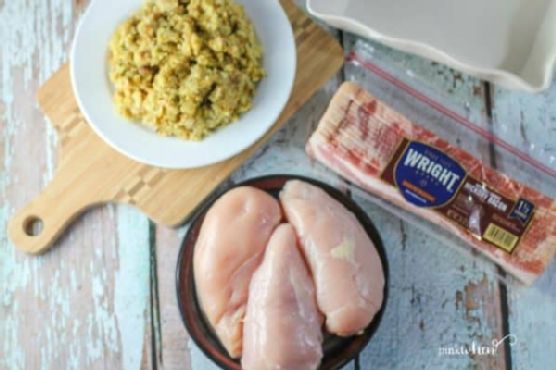
  • Maple-Glazed Bacon Wrapped Gouda-Stuffed Chicken Breast | Made by Meaghan Moineau

    Maple-Glazed Bacon Wrapped Gouda-Stuffed Chicken Breast | Made by Meaghan Moineau

    Maple-Glazed Bacon Wrapped Gouda-Stuffed Chicken Breast

    Imagine the aroma wafting through your kitchen: sizzling bacon intertwined with the sweetness of maple syrup, wrapped around a succulent chicken breast slowly oozing rich, creamy Gouda. This is not just a meal; it’s a culinary experience that turns any ordinary evening into a gourmet delight.

    My love affair with this dish began on a chilly autumn day. I was hosting my first-ever Friendsgiving and wanted to impress without straying too far from classic comforts. The idea of wrapping chicken in bacon was inspired by a family barbecue, where my uncle would always toss bacon-wrapped hot dogs onto the grill. They were a simple hit, but I knew there was a way to elevate that concept into something truly memorable.

    In my tiny, bustling kitchen, I experimented with flavors, textures, and techniques. The kitchen was alive with chatter and laughter, while the smell of maple-glazed bacon filled the air. At that moment, I knew I had stumbled upon something special. The final dish was met with “oohs” and “aahs” as the savory, smoky, and sweet flavors melded together beautifully.

    There was a mishap or two—like the time I tried to cook the bacon-wrapped chicken entirely on the stovetop, only to end up with a smoky kitchen and undercooked chicken. But every mistake was a lesson, bringing me closer to the perfect Maple-Glazed Bacon Wrapped Gouda-Stuffed Chicken Breast recipe that I am proud to share with you today.

    What Makes This Version Special

    This isn’t your everyday bacon-wrapped chicken. What sets this version apart is the addition of creamy Gouda cheese inside the chicken breast, which melts beautifully as it cooks. The Gouda introduces a sophistication with its nutty, slightly sweet profile that perfectly complements the other flavors. The real star, however, is the maple glaze. By brushing the chicken with a mix of maple syrup and Dijon mustard before wrapping it in bacon, we create a sweet and tangy glaze that caramelizes the bacon to golden perfection. This recipe elevates the classic dish to gourmet heights, making it ideal for special occasions or when you simply want to impress.

    Flavor Profile

    Prepare your taste buds for a delightful journey of sweet, smoky, and savory flavors. The creamy, melted Gouda provides a luscious texture, while the bacon offers a crispy, smoky contrast. A hint of herbaceous thyme rounds out the flavors, adding a subtle freshness that ties everything together. Each bite is an explosion of taste, making this dish a standout on any table.

    Ingredients

    • 4 skinless, boneless chicken breasts
    • 8 slices smoked Wright Brand Hickory Bacon
    • 4 slices **Gouda cheese**
    • 2 tablespoons **maple syrup**
    • 1 tablespoon Dijon mustard
    • 1 teaspoon fresh thyme leaves
    • Salt and pepper to taste

    Instructions

    1. Preheat your oven to 375°F (190°C). Clean and thoroughly dry the chicken breasts. Drying the chicken makes slicing easier and helps the bacon crisp up.
    2. Slice each chicken breast lengthwise to create a pocket, being careful not to cut all the way through. Stuff each pocket with a slice of Gouda cheese and a sprinkle of fresh thyme.
    3. Season the outside of the chicken breasts with salt and pepper.
    4. In a small bowl, mix together the maple syrup and Dijon mustard. Brush this mixture generously over each chicken breast.
    5. Carefully wrap each stuffed chicken breast with two slices of bacon, overlapping the edges as you wrap to secure the filling inside.
    6. Heat a large oven-safe skillet over medium-high heat. Sear the wrapped chicken breasts on all sides until the bacon is caramelized and golden-brown, about 3-4 minutes per side.
    7. Transfer the skillet to the preheated oven and bake for 25-30 minutes, or until the chicken is cooked through and reaches an internal temperature of 165°F (74°C).
    8. Remove from the oven and let the chicken rest for 5 minutes before slicing. This ensures the juices redistribute evenly.
    9. Serve warm with your favorite sides.

    Pro Tips from Meaghan’s Kitchen

    • Use a Meat Thermometer: Ensure perfectly cooked chicken by using a meat thermometer to check for a safe internal temperature of 165°F.
    • Let Gouda Shine: Opt for high-quality Gouda for maximum flavor impact. Smoked Gouda can add an extra layer of smokiness if you’re feeling adventurous.
    • Bacon Choice Matters: Thick-cut bacon works best for wrapping as it holds up well during cooking and crisps nicely.
    • Secure with Toothpicks: If your bacon seems to be slipping, use toothpicks to secure it in place during cooking—just remember to remove them before serving!
    • Sauce It Up: For a finishing touch, drizzle a little extra maple-Dijon glaze over the cooked chicken before serving.

    Variations & Dietary Swaps

    • Vegetarian Swap: Replace the chicken with thick slices of portobello mushrooms. Use a plant-based bacon alternative and vegan cheese for a delicious vegetarian option.
    • Spice-It-Up Version: Add a teaspoon of cayenne pepper to the maple-Dijon glaze for a spicy kick that contrasts beautifully with the sweetness.
    • Kids-Friendly Version: Use cheddar cheese instead of Gouda and skip the thyme for a milder, more kid-friendly flavor profile.

    What to Serve With It

    This Maple-Glazed Bacon Wrapped Gouda-Stuffed Chicken Breast pairs beautifully with a chilled glass of Riesling, which balances the sweetness and richness of the dish. For sides, consider roasted sweet potatoes or a fresh, zesty arugula salad to add a refreshing contrast.

    Storage & Meal Prep

    Store any leftover chicken in an airtight container in the refrigerator for up to 3 days. To freeze, wrap each cooked chicken breast tightly in plastic wrap and place in a freezer-safe bag for up to 2 months. Reheat in a 350°F oven until warmed through, about 15-20 minutes, ensuring the bacon remains crispy.

    FAQ

    Can I prepare this dish ahead of time?

    Yes! You can assemble the chicken breasts a day in advance and store them in the fridge. Sear and bake them just before you’re ready to serve.

    What if I don’t have an oven-safe skillet?

    After searing, transfer the wrapped chicken breasts to a baking dish or sheet before placing them in the oven.

    How do I prevent the cheese from leaking out?

    Be sure to seal the edges of the chicken well and secure the bacon tightly. A toothpick can also help hold everything together during cooking.

    What other cheeses can I use?

    If Gouda isn’t your style, you can try cheeses like mozzarella, cheddar, or even a spicy pepper jack for a different flavor profile.

    Can I use turkey bacon instead?

    Absolutely! Turkey bacon is a leaner option and will work well, though it may not crisp up as much as pork bacon.

    Final Thoughts

    Bringing this Maple-Glazed Bacon Wrapped Gouda-Stuffed Chicken Breast to your table is like sharing a piece of my kitchen with you. Whether you’re making this for a special occasion or simply to treat yourself on a Tuesday night, I hope you find as much joy in cooking and serving this dish as I have. Don’t forget to share your experience with me in the comments — I’d love to hear how your culinary adventure turns out!

    Related update: Maple-Glazed Bacon Wrapped Gouda-Stuffed Chicken Breast

    Related update: Sumptuous Mediterranean Moussaka with Pistachio-Crusted Eggplants

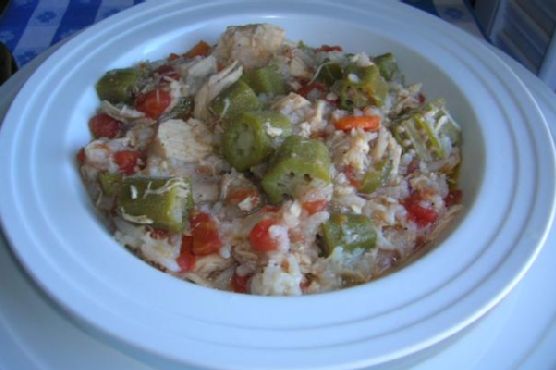
  • Smoky Slow Cooker Chicken Gumbo with Charred Jalapeño | Made by Meaghan Moineau

    Smoky Slow Cooker Chicken Gumbo with Charred Jalapeño | Made by Meaghan Moineau

    Smoky Slow Cooker Chicken Gumbo with Charred Jalapeño

    Imagine the rich aroma of a smoky, spicy gumbo, bubbling away in your slow cooker, melding its flavors into a perfect harmony. The distinct scent of charred jalapeños mingles with the warm, inviting notes of Cajun seasoning, creating a culinary experience that dances on the senses and warms the soul. This is my Smoky Slow Cooker Chicken Gumbo with Charred Jalapeño — a dish that promises a little slice of heaven in every spoonful.

    Personal Story

    Gumbo has always had a special place in my heart. I can vividly recall my first encounter with this classic Cajun dish. It was during a road trip through Louisiana with my college friends, a spontaneous adventure filled with jazz, laughter, and of course, unforgettable food. We stumbled upon a small, family-owned restaurant just outside of New Orleans, where I tasted my first authentic chicken gumbo. The complexity of flavors, the unexpected warmth of spices, and the soul-comforting nature of the dish left an indelible mark on me.

    Fast forward a few years, and I found myself yearning to recreate that experience in my own kitchen. But as any home cook knows, the journey to mastering a dish is not without its mishaps. I remember my first attempt vividly — the broth was too watery, and the seasoning was all wrong. My family, ever supportive, tried to reassure me with polite nods and forced smiles. I knew I had to try again.

    After countless trials and tweaks, I discovered my own twist on the beloved gumbo. By charring jalapeños for a smoky depth and adding a hint of lime for brightness, I crafted a version that not only satisfied my cravings but also became a household favorite. It’s a recipe that’s been passed around at gatherings and shared among friends, each one adding their own spin. This gumbo isn’t just a dish; it’s a story of persistence and discovery, a testament to the magic that happens when you pour your heart into cooking.

    What Makes This Version Special

    This version of chicken gumbo takes the traditional elements and elevates them with a few key twists. The addition of charred jalapeños introduces a smoky depth that complements the richness of the Cajun flavors beautifully. Charring the jalapeños in a hot skillet or over an open flame until blackened unlocks a new dimension of flavor that transforms the entire dish. Moreover, a squeeze of fresh lime juice adds a citrusy finish that brightens the palate after each bite. These small but significant tweaks make this gumbo stand out from the standard recipe, offering a unique and unforgettable experience.

    Flavor Profile

    The flavor profile of this smoky slow cooker chicken gumbo is a delightful dance of smoky, spicy, and tangy notes. The charred jalapeños lend a deep, smoky aroma that pairs perfectly with the savory richness of the cooked whole chicken and the robust Cajun seasoning. The smoked paprika enhances this depth, while the lime juice adds a refreshing, citrusy finish that lifts the dish. As you savor each spoonful, you’ll experience a complex interplay of flavors that leaves you craving more.

    Ingredients

    • 1 cooked whole chicken, shredded
    • 4 cups canned chicken broth
    • 1 carrot, diced
    • 1 green bell pepper, diced
    • 1 onion, diced
    • 1 (14.5 oz) can diced tomatoes
    • 1 cup fresh okra, sliced
    • 2 cups water
    • 2 tablespoons Cajun seasoning
    • 1 teaspoon black pepper
    • 1 teaspoon salt
    • 1 tablespoon hot sauce
    • 1 cup long grain rice
    • 2 jalapeños, charred
    • 1 lime, juiced
    • 1 teaspoon smoked paprika
    • 1 bay leaf
    • Fresh cilantro for garnish

    Instructions

    1. Begin by charring the jalapeños. Place them over an open flame or in a hot skillet, turning occasionally until the skin is blackened and blistered. This should take about 5-7 minutes. Once charred, allow them to cool slightly, then chop finely and set aside.
    2. In a small skillet, heat a tablespoon of oil over medium heat. Add the Cajun seasoning and smoked paprika, stirring constantly for about 1-2 minutes until the spices are fragrant and slightly darkened. This blooming process will enhance their flavors beautifully.
    3. In your slow cooker, combine the shredded chicken, chicken broth, carrot, green bell pepper, onion, diced tomatoes, and sliced okra. Stir in the water, bloomed spices, black pepper, salt, hot sauce, and long grain rice.
    4. Add the chopped, charred jalapeños and the bay leaf to the mixture. Give everything a good stir to ensure the ingredients are well combined.
    5. Set your slow cooker to high and cook for 4 hours, or on low for 6 to 7 hours. The gumbo is ready when the vegetables are tender and the flavors have melded together.
    6. Just before serving, stir in the lime juice and remove the bay leaf. Taste and adjust seasoning if necessary.
    7. Garnish with fresh cilantro and serve hot. Enjoy your smoky, flavorful creation!

    Pro Tips from Meaghan’s Kitchen

    • For the best smoky flavor, don’t rush charring the jalapeños. Let them blacken fully to get that delicious depth.
    • Blooming spices may seem like an extra step, but it’s the secret to unlocking their full potential. Don’t skip it!
    • If your gumbo is too thick, add a splash more chicken broth to reach your desired consistency.
    • For extra depth, consider adding a teaspoon of fish sauce. It sounds odd, but it adds umami without overpowering the dish.
    • Make sure to taste and adjust the seasoning at the end, as slow cooking can mellow flavors.

    Variations & Dietary Swaps

    Looking to shake things up or accommodate dietary needs? Here are some variations:

    • Vegetarian Swap: Replace chicken with hearty vegetables like mushrooms, zucchini, and eggplant. Use vegetable broth instead of chicken broth.
    • Spice-It-Up Version: Add an extra jalapeño or a dash of cayenne pepper if you love extra heat.
    • Kids-Friendly Version: Skip the jalapeños and reduce the Cajun seasoning for a milder, kid-approved version.

    What to Serve With It

    This smoky slow cooker chicken gumbo pairs beautifully with a side of crusty cornbread, providing the perfect vessel to mop up every drop of that flavorful broth. For a refreshing contrast, serve with a chilled glass of Sauvignon Blanc. The wine’s crispness complements the gumbo’s smoky depth, making for a delightful dining experience.

    Storage & Meal Prep

    Leftover gumbo can be stored in an airtight container in the fridge for up to 3 days. For longer storage, freeze in individual portions for up to 3 months. To reheat, thaw overnight in the fridge and warm on the stovetop over medium heat, stirring occasionally until heated through. Add a splash of broth if the gumbo thickens too much during reheating.

    FAQ

    Can I use fresh tomatoes instead of canned?

    Absolutely! Fresh tomatoes can be used, although you’ll need to peel and dice them first. Use about 4-5 medium tomatoes to replace a 14.5 oz can.

    What if I don’t have a slow cooker?

    You can make this gumbo on the stovetop. Use a large pot and simmer on low heat for about 2-3 hours, or until the flavors meld beautifully and the vegetables are tender.

    Is there a way to reduce the sodium content?

    To cut down on sodium, opt for low-sodium chicken broth and reduce the added salt. You can also make your own broth to control the ingredients.

    Can I prepare this recipe in advance?

    Yes, you can prepare the ingredients the night before and store them in the refrigerator. In the morning, simply combine everything in the slow cooker and start cooking.

    How do I thicken the gumbo if needed?

    If you prefer a thicker gumbo, you can make a slurry with 1 tablespoon of cornstarch mixed with 2 tablespoons of cold water. Stir it into the gumbo in the last 30 minutes of cooking.

    Final Thoughts

    There you have it, my friends — a smoky slow cooker chicken gumbo with charred jalapeño that’s sure to impress at any meal. I hope you find as much joy in making and sharing this dish as I do. If you give this recipe a try, please leave a comment below or share your own variations. Cooking is all about community and creativity, after all. Bon appétit!

    Related update: Smoky Slow Cooker Chicken Gumbo with Charred Jalapeño

    Related update: Maple-Glazed Bacon Wrapped Gouda-Stuffed Chicken Breast

    Related update: Savory Truffle-Infused Minestrone with Crispy Pancetta

  • Spicy Saffron Mussels & Clams in White Wine Broth | Made by Meaghan Moineau

    Spicy Saffron Mussels & Clams in White Wine Broth | Made by Meaghan Moineau

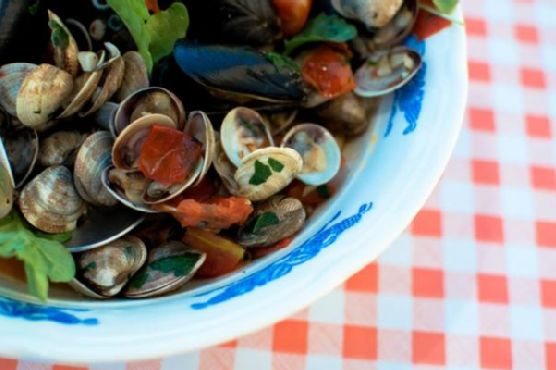
    Spicy Saffron Mussels & Clams in White Wine Broth

    Imagine the sound of clams popping open, releasing their briny aroma, mingling with the earthy scent of saffron. The heat of the chili tickles your nose, and the bright zest of lemon dances in the air. This is not just a dish; it’s an invitation to savor the luxury of the sea with every spoonful.

    Personal Story

    I first encountered the delightful harmony of mussels and clams in a small family-run trattoria on the Amalfi Coast. The rustic charm, the gentle clinking of cutlery, and the soft hum of Italian conversation set the perfect stage for my culinary revelation. As a passionate home cook, I was eager to recreate that magic back home.

    My first attempt was, let’s say, a spirited adventure. The mussels refused to open, and the broth was more reminiscent of a watery soup than the rich, golden elixir I remembered. But every mishap in the kitchen is a learning opportunity, and I was determined to master the art of Italian seafood dishes.

    After experimenting with different techniques and flavors, I discovered the transformative magic of saffron. Infusing the white wine broth with saffron threads elevated the dish to new heights, reminding me of the golden sunsets over the Mediterranean. The spice not only imparted a luxurious color but enriched the aroma, creating a truly unforgettable dining experience.

    Now, this dish has become a staple in my home, especially when I want to impress guests or simply indulge in a little culinary escapism. Each time I prepare it, I’m transported back to that charming trattoria, and I hope to share that experience with you.

    What Makes This Version Special

    My version of Spicy Saffron Mussels & Clams in White Wine Broth stands out because of its unique infusion of saffron threads. This addition not only gives the dish a luxurious color but also infuses the broth with a rich, aromatic flavor that standard recipes often lack. Furthermore, I incorporate a touch of lemon zest to brighten the overall taste, providing a refreshing contrast to the rich, buttery broth. This extra step makes all the difference, transforming a simple seafood dish into a gourmet experience.

    Flavor Profile

    The flavor profile of this dish is a symphony of sensations. The rich and aromatic broth is infused with the earthy warmth of saffron and complemented by a citrusy brightness from the lemon zest. A subtle heat from the chili flakes adds a delightful kick, perfectly balanced by the sweet, juicy burst of cherry tomatoes. The mussels and clams lend their briny essence, while fresh parsley ties everything together with a hint of freshness. Each bite is a layered experience, inviting you to savor the rich tapestry of flavors.

    Ingredients

    • 3-4 glugs of olive oil
    • **8 saffron threads**
    • 4 cloves of garlic, sliced
    • 1/2 teaspoon chili flakes
    • 1 pound clams, cleaned
    • 1 pound mussels, cleaned
    • **1 cup cherry tomatoes, halved**
    • **1/2 cup white wine**
    • **Zest of 1 lemon**
    • Salt to taste
    • 2 tablespoons butter
    • 1/4 cup fresh parsley, chopped
    • 1 cup arugula (optional)
    • Crusty sourdough bread, for serving

    Instructions

    1. Begin by warming the white wine slightly in a small saucepan. Add the saffron threads and let them bloom for about 10 minutes to release their full color and flavor.
    2. In a large frying pan, heat the olive oil over low heat. Add the garlic and cook until it turns golden-brown. Remove and discard the garlic unless you prefer to keep it in for extra flavor.
    3. Turn up the heat to medium and add the chili flakes. Stir them briefly before adding the clams. Cook for about 30 seconds to 1 minute.
    4. Next, add the mussels to the pan. Increase the heat to high and toss in the cherry tomatoes. Sauté for 2 minutes, allowing the tomatoes to soften slightly.
    5. Pour in the saffron-infused white wine and cover the pan. Let it cook for 1-2 minutes, just until the shells of the mussels and clams have opened. Discard any that remain closed.
    6. Turn off the heat and stir in the fresh parsley and butter, allowing it to melt into the broth.
    7. For an extra touch of freshness, you can top the dish with arugula before serving. Serve immediately with plenty of crusty sourdough bread for dipping, and a glass of white wine.

    Pro Tips from Meaghan’s Kitchen

    • Always clean your mussels and clams thoroughly. Scrub the shells and remove any beards to prevent grit in your dish.
    • Toasting lemon zest in olive oil before adding other ingredients releases its essential oils for maximum flavor.
    • If you’re short on time, you can prepare the saffron-infused wine a day ahead and store it in the fridge.
    • For a richer broth, don’t skimp on the butter. It brings a velvety texture that pairs beautifully with the seafood.
    • If a mussel or clam doesn’t open, don’t force it. Discard it to avoid any unpleasant surprises.

    Variations & Dietary Swaps

    • Vegetarian Swap: Use vegetable broth instead of seafood and double the cherry tomatoes. Substitute mussels and clams with artichoke hearts for a satisfying alternative.
    • Spice-It-Up Version: Add a teaspoon of smoked paprika and a pinch of cayenne pepper for an extra fiery kick.
    • Kids-Friendly Version: Reduce or omit the chili flakes and add sweet, roasted bell peppers for a milder taste.

    What to Serve With It

    This dish pairs beautifully with a chilled glass of crisp Sauvignon Blanc, which complements the citrusy notes, or a citrusy Belgian Witbier, enhancing the fresh flavors of the seafood. For a heartier meal, serve alongside a simple arugula salad drizzled with lemon vinaigrette, and don’t forget the crusty sourdough bread to soak up every drop of the delicious broth!

    Storage & Meal Prep

    Store any leftovers in an airtight container in the refrigerator for up to two days. To reheat, gently warm them on the stove over low heat to avoid overcooking the seafood. Unfortunately, this dish does not freeze well, as the texture of the mussels and clams may change. If you’re planning for a future meal, prepare the broth in advance and add fresh seafood when you’re ready to serve.

    FAQ

    Can I use frozen mussels and clams?

    Yes, you can use frozen seafood, but be sure to thaw them completely and drain any excess liquid before cooking.

    What if I can’t find saffron?

    If saffron is unavailable, you can use a pinch of turmeric for color, but be aware that it won’t replicate the unique flavor of saffron.

    How do I know when the mussels and clams are cooked?

    The mussels and clams are done when their shells open wide. Any that remain closed should be discarded as they may not be safe to eat.

    Can I make this dish ahead of time?

    The broth can be made a day ahead, but for the freshest taste, cook the mussels and clams just before serving.

    What if my broth is too salty?

    If your broth ends up too salty, add a bit more wine or a splash of water to dilute it. Taste and adjust as needed.

    Final Thoughts

    Spicy Saffron Mussels & Clams in White Wine Broth is more than a recipe; it’s a journey to the heart of Italian coastal cuisine. Whether you’re impressing guests or treating yourself to a special dinner, this dish is sure to delight. I’d love to hear about your experience making it — feel free to leave a comment or share your own twists on this seafood classic. Let’s keep the conversation delicious!

    Related update: Spicy Saffron Mussels & Clams in White Wine Broth

    Related update: Smoky Slow Cooker Chicken Gumbo with Charred Jalapeño

  • Meyer Lemon Ricotta Pancakes with Vanilla-Infused Blackberry-Cardamom Compote | Made by Meaghan Moineau

    Meyer Lemon Ricotta Pancakes with Vanilla-Infused Blackberry-Cardamom Compote | Made by Meaghan Moineau

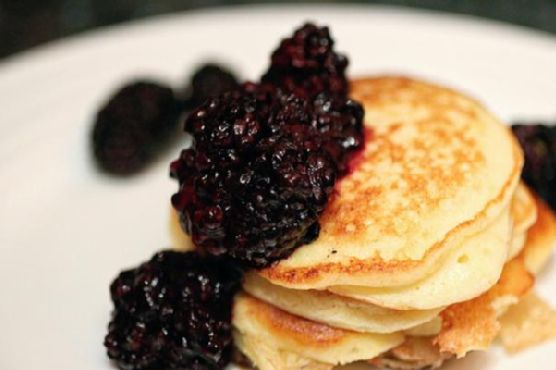
    Meyer Lemon Ricotta Pancakes with Vanilla-Infused Blackberry-Cardamom Compote

    There’s something undeniably magical about the moment when a stack of pancakes hits the table, their golden-brown edges inviting you to dive in. Picture this: delicate, fluffy Meyer lemon ricotta pancakes crowned with a luscious, aromatic blackberry-cardamom compote. The sweet fragrance of vanilla mingles with the tartness of blackberries, creating a breakfast experience you’ll want to savor slowly.

    Personal Story

    I still remember the first time I tasted pancakes that transcended the usual weekend breakfast fare. It was at a quaint little café tucked away in a bustling city, where the chef had a knack for turning simple dishes into culinary works of art. There, amidst the comforting hum of conversations and the intoxicating scent of fresh coffee, I discovered a delightful twist on the classic pancake.

    This discovery inspired me to experiment in my own kitchen, eager to capture that enchanting blend of flavors and make it my own. One Saturday morning, armed with a bowl of fresh blackberries and a few humble pantry staples, I set out to recreate the magic. A few attempts and a couple of kitchen mishaps later — including one memorable incident involving a runaway vanilla bean — I finally perfected my recipe.

    As I whisked together Meyer lemon zest and ricotta, I realized I was crafting something truly special. The tangy brightness of the lemon melded beautifully with the creamy richness of the ricotta. It was the blackberry compote, however, that truly elevated the dish. Infusing it with a hint of cardamom and vanilla gave it an exotic flair that was both unexpected and delightful.

    Now, these Meyer lemon ricotta pancakes with vanilla-infused blackberry-cardamom compote have become a weekend staple in my home, a dish I love sharing with friends and family. They never fail to impress, and I’m thrilled to share the recipe with you today.

    What Makes This Version Special

    This recipe takes traditional pancakes and gives them a luxurious upgrade. By introducing a hint of cardamom and vanilla to the blackberry compote, we’re elevating the classic flavors to a new level. The fragrant and exotic notes of cardamom pair beautifully with the sweet, juicy blackberries, while the vanilla adds a subtle floral depth that harmonizes with the Meyer lemon’s bright acidity.

    What sets these Meyer lemon ricotta pancakes apart is their ability to transform a simple breakfast into an indulgent experience. The richness of ricotta creates an incredibly tender and moist pancake, while the Meyer lemon zest and juice add a refreshing zing. This version is better than the standard recipe because it combines unexpected flavors in a way that is both comforting and sophisticated.

    Flavor Profile

    Imagine biting into a pancake that’s fruity and creamy, with subtle floral notes and a hint of warm spice. The Meyer lemon ricotta pancakes offer a delicate balance of sweet and tangy, while the blackberry-compote enhances each mouthful with its aromatic infusion of cardamom and vanilla. The browned butter in the batter adds a nutty richness that rounds out the flavor profile, making every bite a taste sensation to remember.

    Ingredients

    • 1 cup all-purpose flour
    • 1 cup fresh blackberries
    • **4 tablespoons butter**
    • 2 large eggs, separated
    • 2 tablespoons granulated sugar
    • Zest of 1 Meyer lemon
    • 2 tablespoons Meyer lemon juice
    • 1 cup ricotta
    • Pinch of salt
    • 2 tablespoons water
    • **1 vanilla bean, split**
    • **1/4 teaspoon ground cardamom**
    • Pure maple syrup, for serving

    Instructions

    1. In a small saucepan over medium heat, add the fresh blackberries, Meyer lemon zest, granulated sugar, and water. Stir to combine.
    2. Add the split vanilla bean and a pinch of ground cardamom to the saucepan. Continue cooking until the water starts to thicken and the berries lose their shape, stirring occasionally, about 10 minutes. Remove from heat and set aside.
    3. In a medium bowl, whisk together the ricotta cheese, Meyer lemon zest, Meyer lemon juice, sugar, and egg yolks until smooth.
    4. Gradually stir in the all-purpose flour until just combined, being careful not to overmix.
    5. Using a stand mixer or hand mixer, beat the egg whites with a pinch of salt until stiff peaks form.
    6. Gently fold a large spoonful of the egg whites into the batter to lighten it. Then, fold in half of the remaining egg whites, slowly turning the bowl while you fold. It’s fine if there are some white streaks left in the batter. Fold in the remaining egg whites.
    7. Set the pancake batter aside and heat a griddle or non-stick pan over medium heat. Add a tablespoon of browned butter to the pre-heated pan, swirling to coat.
    8. Pour about 1/4 cup of batter onto the hot pan, spreading it slightly. Cook until bubbles start to form on the surface and the edges begin to brown slightly, about 2-3 minutes.
    9. Flip the pancakes and cook for an additional minute until golden-brown. Remove and keep warm while you repeat with the remaining batter.
    10. Serve the pancakes stacked high, topped with the vanilla-infused blackberry-cardamom compote and a drizzle of pure maple syrup.

    Pro Tips from Meaghan’s Kitchen

    • Use room temperature ingredients for the batter to ensure a smooth, lump-free mixture.
    • Brown the butter carefully, watching closely as it turns golden and releases a nutty aroma. This adds depth to the pancakes.
    • Don’t overmix the pancake batter; a few lumps are perfectly fine and will result in fluffier pancakes.
    • Keep the pancakes warm in a low oven (around 200°F) if you’re making a large batch.
    • If you don’t have a vanilla bean, substitute with 1 teaspoon of pure vanilla extract added to the compote after cooking.

    Variations & Dietary Swaps

    • Vegetarian Swap: These pancakes are already vegetarian-friendly, but for a vegan version, substitute the ricotta with a vegan option and use flax eggs instead of regular eggs.
    • Spice-It-Up Version: Add a pinch of cinnamon to the compote for an extra layer of warmth and spice.
    • Kids-Friendly Version: Skip the cardamom and vanilla for a simpler blackberry compote. Add some chocolate chips to the pancake batter for a fun twist.

    What to Serve With It

    These Meyer lemon ricotta pancakes pair beautifully with a lavender-infused latte, providing a calming floral note to complement the citrusy and fruity flavors. For a brunch-worthy treat, serve them with a chilled glass of prosecco, adding a touch of sparkle to your leisurely morning.

    Storage & Meal Prep

    Store any leftover pancakes in an airtight container in the refrigerator for up to 3 days. To freeze, layer them between sheets of parchment paper and place in a freezer-safe bag for up to 2 months. Reheat in a toaster or warm oven until heated through. The compote can be stored separately in the fridge for up to a week and reheated gently on the stove before serving.

    FAQ

    Can I use frozen blackberries for the compote?

    Yes, you can use frozen blackberries. Just be sure to thaw them first and drain any excess liquid before using.

    What if I can’t find Meyer lemons?

    If Meyer lemons are unavailable, you can substitute with regular lemons. The flavor will be a bit more tart, so you might want to add a touch more sugar to balance it out.

    How do I know when the pancakes are ready to flip?

    Look for bubbles forming on the surface of the pancakes and the edges starting to look set and slightly browned. That’s your cue to flip!

    Can I make the batter ahead of time?

    It’s best to make the batter just before cooking to keep the pancakes light and fluffy. If you need to prep ahead, you can mix the dry and wet ingredients separately and combine them right before cooking.

    What can I use instead of ricotta?

    If you don’t have ricotta, you can try cottage cheese or mascarpone for a similar creamy texture, though the flavor will vary slightly.

    Final Thoughts

    I hope these Meyer lemon ricotta pancakes with vanilla-infused blackberry-cardamom compote bring as much joy to your kitchen as they do to mine. Whether you’re cooking for a special occasion or just want to elevate your weekend breakfast, this recipe is sure to impress. I’d love to hear how your pancakes turn out and any personal twists you might add — feel free to share your thoughts and photos in the comments below!

    Related update: Meyer Lemon Ricotta Pancakes with Vanilla-Infused Blackberry-Cardamom Compote

    Related update: Truffle-Infused Poached Eggs with Spinach, Tomato, and Crispy Prosciutto