Tag: Summer

  • Zesty Citrus Crab Salad Stuffed Pita Pockets with Avocado Cream | Made by Meaghan Moineau

    Zesty Citrus Crab Salad Stuffed Pita Pockets with Avocado Cream | Made by Meaghan Moineau

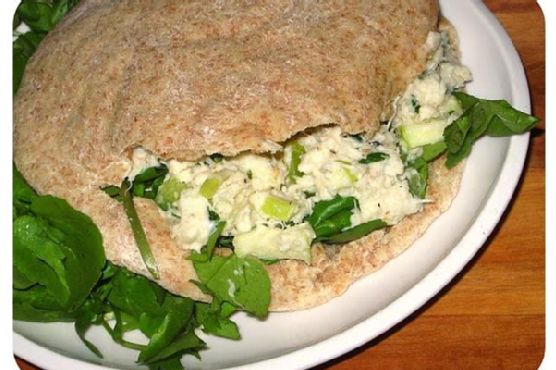
    Zesty Citrus Crab Salad Stuffed Pita Pockets with Avocado Cream

    Imagine the moment you bite into a warm, toasty pita pocket, the slightly smoky aroma wafting up as you sink your teeth into the refreshing, creamy crab salad nestled within. The zing of citrus and the smoothness of avocado blend together to create a flavor experience that’s both familiar yet delightfully unexpected. Welcome to your new favorite Fusion dish: Zesty Citrus Crab Salad Stuffed Pita Pockets with Avocado Cream.

    Personal Story

    One breezy summer evening, I found myself at a seaside picnic with friends, where the air was filled with laughter and the scent of saltwater. A friend brought along a crab salad, and as I took my first bite, memories of family beach outings flooded back. However, something was missing — a burst of flavor that would make the salad truly unforgettable. That evening sparked my culinary quest to elevate the classic crab salad with a few personal twists.

    Back in my kitchen, I started experimenting with ingredients that would add a fresh twist while still honoring the original essence of the dish. I remembered the vibrant citrus grove behind my childhood home, where as kids, we’d run around, picking limes and lemons to snack on during hot afternoons. The zest of lime seemed like a natural addition to brighten up the crab salad.

    Then came the avocado, a staple I often use for its creamy texture and healthy fats. Mashing it into mayonnaise for a richer taste was a game-changer, turning the dressing into a luscious, almost velvety affair. It was one of those aha moments that made the crab salad not only more sophisticated but also more satisfying.

    After a few trials and plenty of taste tests — where friends became enthusiastic guinea pigs — what emerged was a dish that felt both nostalgic and refreshingly new. Now, every time I whip up these Zesty Citrus Crab Salad Stuffed Pita Pockets with Avocado Cream, it feels like a warm, flavorful hug from the past, with a modern twist.

    What Makes This Version Special

    This version of crab salad stands out because of its refreshing citrus zest and the decadent, creamy avocado mayonnaise. These two key ingredients elevate the salad from a simple picnic staple into a gourmet delight. The lime zest infuses the crab salad with a bright, tangy flavor, while the avocado mayo adds a smooth, rich texture that complements the crab meat beautifully. Toasting the pita breads over an open flame before stuffing them not only brings out a delightful smoky hint but also gives the pockets a satisfying crunch.

    Flavor Profile

    The taste experience of these Zesty Citrus Crab Salad Stuffed Pita Pockets with Avocado Cream is a culinary journey on its own. Picture this: refreshing notes of lime zest dancing with the subtle sweetness of canned white crabmeat. The creamy avocado mayo introduces a rich, smoky undertone thanks to a pinch of smoked paprika. Juicy apple chunks and crisp yellow bell pepper add a satisfying crunch, while the fresh coriander leaves and watercress bring an herbal brightness that ties everything together. It’s like taking a bite of summer sunshine.

    Ingredients

    • 1 can of white crabmeat, drained
    • 1 small apple, diced
    • 1 yellow bell pepper, diced
    • **Zest of 1 lime**
    • **Juice of 1/2 lime**
    • 1 tablespoon fresh coriander leaves, chopped
    • **1 ripe avocado**
    • **1/3 cup light mayonnaise**
    • Pinch of smoked paprika
    • Salt & pepper to taste
    • 4 wholewheat pita breads
    • 1 cup watercress

    Instructions

    1. Start by mashing the ripe avocado in a small bowl until smooth. Stir in the light mayonnaise and a pinch of smoked paprika to create a creamy avocado mayo. Set aside.
    2. In a large mixing bowl, combine the drained white crabmeat, diced apple, and yellow bell pepper. Add the chopped coriander leaves, lime zest, and lime juice. Season with salt and pepper to taste. Fold in the creamy avocado mayo until the mixture is well combined.
    3. Toast the wholewheat pita breads over an open flame until they puff up and have a smoky aroma. This should take about 1-2 minutes per side. Once toasted, cut open one side of each pita to create a pocket.
    4. Line each pita pocket with a handful of fresh watercress. Spoon the zesty citrus crab salad generously into each pocket until filled.
    5. Serve immediately for the best taste experience, and watch as these pockets become the star of any gathering.

    Pro Tips from Meaghan’s Kitchen

    • For the ripest avocado, look for one that yields slightly to pressure. It should be firm but not hard.
    • If you want a spicier kick, add a dash of cayenne pepper to the avocado mayo.
    • Toast the pita breads just before serving to ensure they remain crisp and warm.
    • For a touch of sweetness, drizzle a bit of honey over the crab salad before stuffing the pitas.
    • Use a serrated knife to cut the pita pockets open; it makes for a cleaner cut without tearing the bread.

    Variations & Dietary Swaps

    • Vegetarian Swap: Replace the crabmeat with chickpeas for a plant-based version. Simply mash them slightly for texture.
    • Spice-It-Up Version: Add finely chopped jalapeños to the crab salad for an extra spicy kick.
    • Kids-Friendly Version: Skip the smoked paprika and add a spoonful of Greek yogurt to the avocado mayo for a milder flavor kids will love.

    What to Serve With It

    These Zesty Citrus Crab Salad Stuffed Pita Pockets pair beautifully with a chilled glass of Sauvignon Blanc, bringing out the bright citrus notes in the salad. For a non-alcoholic option, a crisp cucumber lemonade is equally refreshing. Consider serving a simple arugula and cherry tomato salad on the side to complement the dish.

    Storage & Meal Prep

    If you have leftovers, store the crab salad and pita pockets separately in airtight containers in the fridge for up to two days. To enjoy, gently reheat the pita breads in a toaster or oven before stuffing them with the chilled crab salad. Freezing is not recommended as it can alter the texture of the crab and avocado.

    FAQ

    Can I use fresh crabmeat instead of canned?

    Absolutely! Fresh crabmeat will enhance the flavor and texture, making the dish even more luxurious.

    Is there a substitute for coriander leaves?

    If you’re not a fan of coriander, fresh dill or parsley will also work well to add a fresh herbal note.

    How do I prevent the avocado from browning?

    The lime juice in the recipe should help prevent browning, but you can also press a piece of plastic wrap directly onto the surface of the avocado mayo if storing overnight.

    Can I prepare the crab salad in advance?

    Yes, you can prepare the crab salad up to a day ahead. Just make sure to add the avocado mayo right before serving to maintain its freshness.

    What if I don’t have an open flame for toasting?

    No worries! You can toast the pita breads in a hot skillet or under a broiler for a similar effect.

    Final Thoughts

    I hope you’ll find as much joy in making and sharing these Zesty Citrus Crab Salad Stuffed Pita Pockets with Avocado Cream as I do. They’re a testament to how a few thoughtful tweaks can transform a beloved classic into something extraordinary. Feel free to leave your thoughts, share your own variations, or just say hi in the comments below. Bon appétit, friends!

    Related update: Zesty Citrus Crab Salad Stuffed Pita Pockets with Avocado Cream
  • Tropical Coconut-Curry Chicken Tenders with Spicy Mango Dip | Made by Meaghan Moineau

    Tropical Coconut-Curry Chicken Tenders with Spicy Mango Dip | Made by Meaghan Moineau

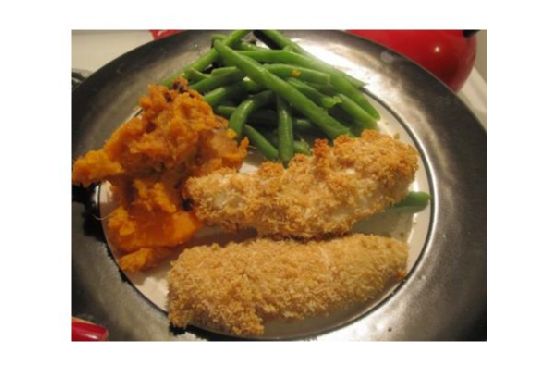
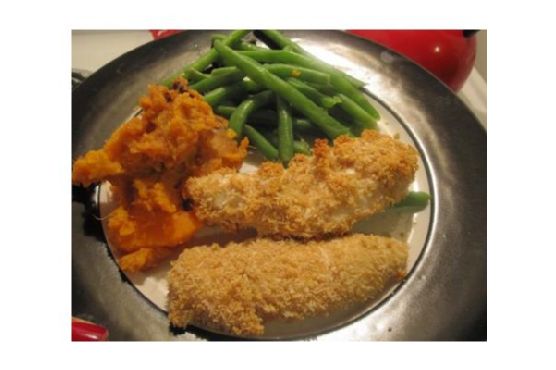
    Tropical Coconut-Curry Chicken Tenders with Spicy Mango Dip

    Imagine the sizzle of golden-brown chicken tenders emerging from the oven, their aroma mingling with the fragrant spices of a tropical breeze. The crispy coating gives way to juicy, tender chicken, each bite a whisper of exotic lands. This isn’t your average chicken tender; this is a culinary vacation on a plate.

    Personal Story

    Every summer, as a child, my family would take a trip to the coast, where the salty sea air mixed with the sweet scents of local street food. One particular summer, I stumbled upon a small food stall offering skewers of chicken marinated in coconut and spices. The taste was a revelation, a burst of flavors that danced on my tongue and made the ocean view even more memorable.

    Years later, I found myself craving that same vibrant flavor. While experimenting in my home kitchen, I decided to recreate this memory with my own special twist: an infusion of curry powder and a tangy mango dip that added a touch of heat. I wanted to share that sense of discovery with my friends and family, and this recipe was born from that desire.

    Of course, my first few attempts were a bit of a kitchen comedy. I remember the coconut scattering across the floor like confetti, the curry powder puffing up in a small cloud. But soon, I had it down to a science. The key was balancing the flavors, making sure each element complemented the others without overpowering them.

    Now, these tropical coconut-curry chicken tenders have become a staple at our summer gatherings. They evoke memories of the beach, laughter, and the joy of trying something new. Sharing this recipe with you feels like inviting you into those cherished moments of my life.

    What Makes This Version Special

    What sets these tropical coconut-curry chicken tenders apart is the aromatic curry powder blended into the breadcrumb and coconut mixture. This addition transforms a simple dish into a flavor-packed experience, transporting your taste buds straight to a tropical paradise. But we don’t stop there; the spicy mango dip made from dried mango slices, lime juice, honey, and red chili flakes elevates the dish, adding a zesty punch that complements the savory tenders perfectly. This version takes the standard chicken tender and turns it into a dish worthy of any adventurous palate.

    Flavor Profile

    The taste experience of these chicken tenders is a harmonious blend of savory, sweet, and spicy, with a hint of tropical curry essence. The coconut provides a subtle sweetness and crisp texture, while the curry powder infuses the tenders with warm, earthy notes. The spicy mango dip is a bright contrast, offering a sweet and tangy zip with just the right amount of heat from the red chili flakes. Together, these flavors create a culinary symphony that is both comforting and exhilarating.

    Ingredients

    • 1 pound chicken tenders
    • 2 egg whites
    • 1 cup **unsweetened coconut**
    • 1 cup **whole wheat bread crumbs**
    • 2 tablespoons **curry powder**
    • 1/2 cup **dried mango slices**
    • 2 tablespoons **lime juice**
    • 1 tablespoon **honey**
    • 1 teaspoon **red chili flakes**
    • Fresh cilantro for garnish

    Instructions

    1. Preheat your oven to 350°F (175°C). This ensures that the chicken tenders cook evenly and achieve that perfect golden-brown crust.
    2. In a shallow bowl, whisk the egg whites until frothy. This will help the breadcrumb mixture adhere to the chicken tenders.
    3. In a separate bowl, combine the whole wheat bread crumbs, unsweetened coconut, and curry powder. Mix well to ensure the curry powder is evenly distributed.
    4. Dip each chicken tender into the egg whites, allowing any excess to drip off. Then, roll the chicken in the breadcrumb and coconut mixture, pressing gently to ensure it sticks.
    5. Place the coated chicken tenders on a baking sheet lined with parchment paper. Bake for 20 minutes, or until the tenders are golden-brown and cooked through.
    6. Meanwhile, prepare the spicy mango dip. In a food processor, blend the dried mango slices, lime juice, honey, and red chili flakes until smooth and well combined.
    7. Serve the chicken tenders hot, garnished with fresh cilantro, alongside the spicy mango dip for dunking.

    Pro Tips from Meaghan’s Kitchen

    • For extra-crispy tenders, spray a light mist of cooking oil over the coated chicken before baking.
    • Let the egg whites come to room temperature before using; it helps the coating stick better.
    • Do not skip the step of grinding the dried mango slices; it creates a smoother dip with a more intense mango flavor.
    • If the dip is too thick, add a splash of water or extra lime juice to reach your desired consistency.
    • For a more uniform coating, use panko breadcrumbs instead of standard breadcrumbs.

    Variations & Dietary Swaps

    • Vegetarian Swap: Substitute the chicken tenders with firm tofu slices for a vegetarian-friendly version.
    • Spice-It-Up: Increase the red chili flakes in the mango dip or add a dash of cayenne pepper for those who crave more heat.
    • Kids-Friendly: Omit the chili flakes from the mango dip and serve with a honey mustard or sweet chili sauce instead.

    What to Serve With It

    These tropical coconut-curry chicken tenders pair beautifully with a chilled glass of tropical fruit punch or a light mango lassi. For a more substantial meal, serve alongside a vibrant salad of mixed greens, avocado, and a squeeze of lime. The refreshing elements will balance out the rich flavors of the chicken and dip, creating a well-rounded meal that’s perfect for any occasion.

    Storage & Meal Prep

    Store any leftover chicken tenders in an airtight container in the fridge for up to three days. To reheat, bake in a preheated oven at 350°F (175°C) for about 10 minutes to retain their crispiness. The spicy mango dip can be stored in the refrigerator for up to a week. For longer storage, freeze the coated, uncooked chicken tenders on a baking sheet, then transfer them to a freezer bag. They can be baked straight from the freezer, adding an extra 5 minutes to the cooking time.

    FAQ

    Can I use sweetened coconut instead of unsweetened?

    While you can use sweetened coconut, it may make the dish a bit too sweet and overpower the curry flavor. I recommend sticking with unsweetened coconut for the best balance.

    What if I don’t have a food processor for the mango dip?

    No worries! You can finely chop the dried mango slices and mix the ingredients by hand, though the texture will be chunkier. Consider using a blender as an alternative.

    Can I fry the chicken tenders instead of baking them?

    Absolutely! Frying will give them an even crispier texture, but make sure to monitor the heat to avoid burning the coconut. Fry in hot oil until golden-brown and cooked through, usually about 3-4 minutes on each side.

    Is there a gluten-free option for this recipe?

    Yes! Substitute the whole wheat bread crumbs with gluten-free bread crumbs or crushed rice cereal for a gluten-free version.

    Can I make the mango dip less spicy?

    Definitely. Simply reduce the amount of red chili flakes or omit them entirely for a milder version of the dip.

    Final Thoughts

    I hope you enjoy making and devouring these tropical coconut-curry chicken tenders as much as I do. They’re a delightful blend of flavors that bring a touch of the exotic to your dinner table. I love hearing from fellow food enthusiasts, so feel free to share your experiences, tweaks, or even any mishaps in the comments below. And, of course, if you think someone else might enjoy this recipe, don’t hesitate to share it. Happy cooking!

    Related update: Tropical Coconut-Curry Chicken Tenders with Spicy Mango Dip

    Related update: Herb-Crusted Lemon Roast Chicken with Truffle-Infused Potatoes

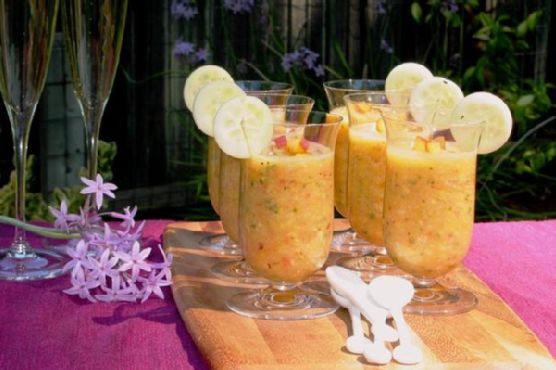
  • Spicy Peach & Golden Tomato Gazpacho with Grilled Corn | Made by Meaghan Moineau

    Spicy Peach & Golden Tomato Gazpacho with Grilled Corn | Made by Meaghan Moineau

    Spicy Peach & Golden Tomato Gazpacho with Grilled Corn

    Imagine the sun setting, golden rays filtering through the leaves while you sip on a chilled summer gazpacho that dances with sweetness, a whisper of smoke, and a gentle kick of spice. This isn’t just any soup; it’s a sensory experience in a bowl, a celebration of peaches and golden tomatoes kissed by summer’s embrace.

    Personal Story

    My love affair with gazpacho began on a sweltering afternoon in the bustling streets of Barcelona. As I wandered through a fragrant open-air market, the vibrant colors and intoxicating aromas of ripe produce drew me in. There, nestled between baskets of tomatoes and peaches, a local vendor offered me a taste of their homemade gazpacho. It was a revelation, a cooling balm for the oppressive heat, and a symphony of flavors I vowed to recreate.

    Back home, I dove into the challenge with enthusiasm, determined to blend tradition with my own culinary flair. My first attempt was far from perfect—more of a chunky salsa than a smooth soup—but with each batch, I tweaked and transformed the recipe, adding a smoky depth and a touch of spice to elevate it beyond the ordinary.

    Then came the eureka moment during a summer barbecue with friends. As I grilled corn on the cob, the idea struck me to incorporate this charred sweetness into my gazpacho. The combination was magical, and my Spicy Peach & Golden Tomato Gazpacho with Grilled Corn was born, now a staple in my summer recipe repertoire.

    Every time I prepare this dish, memories of that sun-drenched day in Barcelona come flooding back, reminding me of the power of food to transport us across time and distance, all while sitting at our own kitchen table.

    What Makes This Version Special

    This version of gazpacho takes the classic chilled soup and infuses it with a smoky depth by incorporating grilled corn and a hint of spice. The combination of ripe, juicy peaches and golden tomatoes creates layers of flavor that play off each other beautifully. The grilled corn adds a sweet, charred element, while roasted jalapeño introduces a subtle heat that transforms each spoonful into a tantalizing taste adventure.

    Unlike the standard recipe, which relies solely on raw ingredients, this version adds complexity through grilling and roasting, enhancing the natural flavors while introducing new dimensions. This isn’t just a soup; it’s a testament to how small tweaks can elevate a dish from simple to extraordinary, making it a standout choice for any summer gathering.

    Flavor Profile

    With each spoonful of this Spicy Peach & Golden Tomato Gazpacho, your taste buds will embark on a journey. The first taste is sweet, the juicy peaches and golden tomatoes mingling with hints of basil. As you savor the flavors, the gentle smokiness of the grilled corn emerges, followed by a slight, pleasant heat from the roasted jalapeño. This gazpacho finishes with a refreshing citrusy brightness, thanks to a splash of lime juice, leaving you craving more.

    Ingredients

    • 4 ripe peaches, peeled and pitted
    • 6 golden tomatoes, cored
    • 1 English cucumber, peeled and chopped
    • 1 small shallot, roughly chopped
    • 2 tablespoons extra virgin olive oil
    • 2 tablespoons champagne vinegar
    • 1/4 cup fresh basil leaves
    • **Sea salt** to taste
    • **Black pepper** to taste
    • 1/2 cup water
    • 1 cup **grilled corn kernels**
    • 1 **roasted jalapeño pepper**, seeded
    • 2 tablespoons lime juice
    • 1 teaspoon **smoked paprika**

    Instructions

    1. Preheat your grill to medium-high heat. Place the corn on the cob directly on the grill. Turn occasionally until all sides are charred, about 10-12 minutes. Remove from grill and let cool. Once cooled, carefully cut the kernels off the cob.
    2. Preheat your oven to 400°F (200°C). Place the jalapeño on a baking sheet and roast for 15-20 minutes, or until the skin is blistered and charred. Allow to cool slightly, then peel and remove the seeds.
    3. In a food processor, combine peaches, golden tomatoes, cucumber, shallot, olive oil, champagne vinegar, basil, sea salt, black pepper, grilled corn kernels, roasted jalapeño, lime juice, and smoked paprika. Pulse until the mixture is coarsely chopped.
    4. Add the water to the food processor and pulse a couple of times until the gazpacho is blended but still a little chunky. You’re aiming for a texture that’s rustic, not a perfectly smooth puree.
    5. Transfer the gazpacho to a glass bowl and cover with plastic wrap. Refrigerate for 20-25 minutes, or until well chilled.
    6. Serve immediately in small glasses or bowls. For a touch of elegance, garnish with diced peach and a cucumber round, if desired.

    Pro Tips from Meaghan’s Kitchen

    • Grill the corn until it’s just charred but not burnt; this enhances the sweetness without adding bitterness.
    • Roast the jalapeño with the seeds intact for a spicier kick; remove them if you prefer a milder flavor.
    • Use high-quality extra virgin olive oil for the best flavor impact; it adds richness and depth to the gazpacho.
    • Make the gazpacho a day ahead to allow the flavors to meld and deepen in the refrigerator.
    • If your peaches aren’t perfectly ripe, add a teaspoon of honey to balance the flavors.

    Variations & Dietary Swaps

    • Vegetarian/Vegan Swap: This recipe is naturally vegan, so nothing needs changing!
    • Spice-It-Up Version: Add a splash of hot sauce or a pinch of cayenne for an extra fiery kick.
    • Kids-Friendly Version: Omit the jalapeño and smoked paprika for a milder, kid-approved soup.

    What to Serve With It

    Pair this Spicy Peach & Golden Tomato Gazpacho with a chilled glass of Sauvignon Blanc or a crisp Lager to complement its sweet and smoky notes. Complete the meal with a crusty baguette, a fresh green salad, or a platter of charcuterie and cheese for a delightful summer feast.

    Storage & Meal Prep

    Store any leftover gazpacho in an airtight container in the refrigerator for up to 3 days. For longer storage, freeze the gazpacho in a freezer-safe container for up to 2 months. Thaw overnight in the fridge and stir well before serving. Gazpacho can be served straight from the fridge or warmed slightly if preferred.

    FAQ

    Can I use canned corn instead of fresh?

    While fresh grilled corn adds a distinct smoky sweetness, you can use canned corn in a pinch. Just make sure to drain and rinse it well, and consider adding a bit of smoked paprika to compensate for the lack of grilled flavor.

    What if I don’t have champagne vinegar?

    You can substitute champagne vinegar with white wine vinegar or apple cider vinegar. Each will impart a slightly different flavor, but both will work well in this recipe.

    How can I make this gazpacho thicker?

    If you prefer a thicker consistency, reduce the amount of water added. Alternatively, you can add a handful of cubed bread to the food processor when blending the ingredients.

    Is this gazpacho gluten-free?

    Yes, as long as you don’t add any bread or gluten-containing garnishes, this gazpacho is naturally gluten-free!

    Can I use regular tomatoes instead of golden tomatoes?

    Absolutely! Regular red tomatoes will work just fine; however, the golden tomatoes offer a sweeter, less acidic flavor that pairs beautifully with the peaches.

    Final Thoughts

    I hope you’re as excited as I am to try this Spicy Peach & Golden Tomato Gazpacho with Grilled Corn. It’s a dish that embodies summer in every sip, perfect for impressing guests or savoring a quiet evening on your patio. Don’t forget to leave a comment below and share your experience with this recipe. I’m always thrilled to hear how you’ve made it your own, and who knows, your twist might inspire the next great variation!

    Related update: Spicy Peach & Golden Tomato Gazpacho with Grilled Corn

    Related update: Smoky Broccoli Cheddar Soup with Truffle Oil Drizzle

  • Tropical Coconut-Lime Chicken Tenders with Spicy Mango Salsa | Made by Meaghan Moineau

    Tropical Coconut-Lime Chicken Tenders with Spicy Mango Salsa | Made by Meaghan Moineau

    Tropical Coconut-Lime Chicken Tenders with Spicy Mango Salsa

    Imagine the sizzle of chicken tenders as they hit a hot pan, the aroma of freshly zested lime mingling with toasted coconut, and the vibrant colors of a mango salsa that practically dances off the plate. This isn’t just any chicken dish; it’s a culinary escape to a tropical paradise.

    Personal Story

    There was a summer I spent in a small beach town, one of those hidden gems where life moves at a slower pace, and the air is always tinged with the scent of salt and citrus. It was there that I first fell in love with the bold, refreshing flavors of tropical cuisine. Every meal seemed like a celebration, a dance of unexpected flavors that brought a sense of adventure to the table. Since then, I’ve chased that feeling, eager to recreate it in my own kitchen.

    One day, while experimenting with classic chicken tenders, the idea struck me — why not infuse them with the vibrant, zesty flavors I adored so much? I’d had my fair share of fried chicken tenders, but they often left me wanting something more exciting, something that would transport my taste buds back to that sun-drenched beach. That’s when the Tropical Coconut-Lime Chicken Tenders with Spicy Mango Salsa were born.

    It wasn’t all smooth sailing, though. My first attempt was a bit too ambitious, resulting in mango chunks that were more like mush, and chicken tenders that were a tad overbrowned. But with each trial, I learned, adjusted, and eventually perfected the balance. The result? A dish that’s not only flavorful but evokes the carefree spirit of those summer days.

    What Makes This Version Special

    This version of chicken tenders introduces a zesty lime marinade and a fiery mango salsa, bringing a refreshing tropical flair to the classic. The marinade infuses the chicken with a tangy brightness, while the coconut and breadcrumb coating adds a crispy, nutty texture. The spicy mango salsa complements these flavors with its juicy sweetness and a hint of heat from the jalapeño, creating a dish that’s layered with complexity and excitement.

    Unlike standard chicken tenders, which can often be heavy and greasy, this rendition is light and vibrant. The use of unsweetened coconut and whole wheat breadcrumbs not only enhances the flavor but also adds a healthful twist. It’s a fusion of comforting familiarity and exotic novelty that will elevate any meal.

    Flavor Profile

    With your first bite, you’ll experience a burst of tropical zest as the lime-marinated chicken tenders melt in your mouth. The toasted coconut and whole wheat breadcrumbs create a crunch that’s both satisfying and addictive. As you dip your tenders into the spicy mango salsa, the sweetness of ripe mango dances with the heat of jalapeño, creating a symphony of flavors that’s both invigorating and harmonious. Every element of this dish is designed to complement and enhance the others, making each bite a delightful journey.

    Ingredients

    • 1 pound chicken tenders
    • 2 egg whites
    • **1 cup unsweetened coconut**
    • **1 cup whole wheat bread crumbs**
    • **Juice and zest of 2 limes**
    • 1 teaspoon smoked paprika
    • **1 ripe fresh mango, diced**
    • 1 jalapeño, finely diced
    • 1/2 small red onion, finely chopped
    • 1/4 cup fresh cilantro, chopped
    • 1 tablespoon honey
    • 1 teaspoon sea salt

    Instructions

    1. Preheat your oven to 350°F (175°C).
    2. In a shallow dish, combine the lime juice, lime zest, and smoked paprika. Add the chicken tenders, ensuring they are well coated with the marinade. Let them marinate for at least 30 minutes to absorb the flavors.
    3. While the chicken is marinating, toast the unsweetened coconut and whole wheat breadcrumbs in a large skillet over medium heat. Stir continuously until golden brown, about 5 minutes. This will enhance the flavor and aroma.
    4. In a separate bowl, beat the egg whites until slightly frothy.
    5. Remove the chicken tenders from the marinade, allowing any excess liquid to drip off. Dip each tender into the egg whites, ensuring a thin, even coating.
    6. Roll each chicken tender in the toasted coconut and breadcrumb mixture, pressing lightly to adhere the coating.
    7. Place the coated chicken tenders on a baking sheet lined with parchment paper. Bake in the preheated oven for 20 minutes, or until the chicken is cooked through and the coating is crispy and golden-brown.
    8. While the chicken bakes, prepare the mango salsa. In a medium bowl, combine the diced mango, jalapeño, red onion, cilantro, honey, and sea salt. Mix well and adjust seasoning as desired.
    9. Serve the chicken tenders hot, alongside the spicy mango salsa. Enjoy!

    Pro Tips from Meaghan’s Kitchen

    • To ensure the chicken tenders are juicy, don’t skip the marinating step. The lime not only adds flavor but also tenderizes the meat.
    • Be patient when toasting the coconut and breadcrumbs. Stir constantly to prevent burning and achieve an even golden hue.
    • If you find the mango salsa too spicy, remove the seeds from the jalapeño or use half of it.
    • For an extra layer of flavor, consider adding a pinch of cayenne pepper to the breadcrumb mixture for a subtle kick.
    • Make sure your mango is ripe for the best sweetness and balance in the salsa.

    Variations & Dietary Swaps

    • Vegetarian Swap: Replace chicken tenders with firm tofu slices. Marinate and bake as instructed for a delightful plant-based option.
    • Spice-It-Up Version: Add a teaspoon of cayenne pepper to the marinade for a spicier flavor profile.
    • Kids-Friendly Version: Skip the jalapeño in the salsa and offer a side of yogurt dip for a milder option.

    What to Serve With It

    This dish pairs beautifully with a chilled glass of coconut water, enhancing its tropical flair. For a fuller meal, serve with a light, tropical fruit smoothie or a side of coconut rice to complement the flavors and textures of the chicken tenders and salsa.

    Storage & Meal Prep

    Store any leftover chicken tenders in an airtight container in the refrigerator for up to 3 days. Reheat in a preheated oven at 350°F (175°C) for 10-12 minutes to maintain crispiness. The mango salsa is best enjoyed fresh but can be kept in the fridge for up to 2 days.

    FAQ

    Can I use sweetened coconut instead of unsweetened?

    While sweetened coconut can be used, it may alter the dish’s balance, making it sweeter. Unsweetened coconut offers a more authentic flavor without overpowering the other elements.

    What can I substitute for whole wheat breadcrumbs?

    If whole wheat breadcrumbs are unavailable, panko breadcrumbs work well, offering a similar crunchy texture.

    Can I grill the chicken tenders instead of baking them?

    Yes, grilling is an excellent alternative. Preheat your grill to medium heat and cook the tenders for 4-5 minutes on each side until fully cooked.

    How do I know when the chicken tenders are fully cooked?

    The chicken is done when it reaches an internal temperature of 165°F (75°C) and the juices run clear.

    Can this dish be made ahead of time?

    While fresh is best, you can marinate the chicken and prepare the salsa a day in advance. Bake the tenders just before serving for optimal texture.

    Final Thoughts

    Cooking is a journey, and recipes like these Tropical Coconut-Lime Chicken Tenders with Spicy Mango Salsa are meant to be both an adventure and a joy. I hope this dish transports you to a tropical paradise, filling your kitchen with vibrant flavors and delightful aromas. Feel free to share your experience, and I’d love to hear your variations and creative spins. Happy cooking, friends!

    Related update: Tropical Coconut-Lime Chicken Tenders with Spicy Mango Salsa

  • Tropical Gluten-Free Coconut Lime Cake with Pineapple Frosting | Made by Meaghan Moineau

    Tropical Gluten-Free Coconut Lime Cake with Pineapple Frosting | Made by Meaghan Moineau

    Tropical Gluten-Free Coconut Lime Cake with Pineapple Frosting

    The aroma of fresh lime zest mingling with the sweet scent of coconut cream wafts through my kitchen, transporting me to a sun-drenched island paradise. This isn’t just any dessert; it’s an oasis of flavor, a Tropical Gluten-Free Coconut Lime Cake with Pineapple Frosting that promises to be a standout at any gathering.

    Personal Story

    My love affair with tropical flavors began on a family vacation to Hawaii. I remember the vibrant hues of tropical flowers, the warmth of the sun on my skin, and the refreshing taste of exotic fruits. It was there, amidst palm trees and ocean breezes, that I first tasted a cake infused with the sweet and tangy essence of limes and pineapples. The memory of that delightful cake lingered long after the vacation ended, sparking my desire to recreate it in my own kitchen.

    Back home, I embarked on a mission to capture that tropical magic. But it wasn’t without its mishaps. My first attempt at a coconut cake ended in disaster when I accidentally added salt instead of sugar — a rookie mistake! Despite the setback, I was undeterred. Each attempt brought me closer to the perfect balance of flavors that I remembered from Hawaii.

    One rainy afternoon, as I watched the droplets glide down my kitchen window, I had an epiphany. What if I infused the cake with lime and topped it with a pineapple frosting? The idea excited me, and I hurried to gather my ingredients. The result was a revelation — a Tropical Gluten-Free Coconut Lime Cake with Pineapple Frosting that brought a burst of sunshine into the dreariest of days.

    What Makes This Version Special

    This cake is not your run-of-the-mill coconut cake. The infusion of zesty lime essence in the batter and the creamy, tangy pineapple frosting elevate it to a new level of tropical delight. Where a standard recipe might rely on sugar for sweetness, this version uses the natural brightness of citrus and the sweetness of pineapple to create a more dynamic flavor profile. It’s a cake that celebrates the best of tropical ingredients while remaining gluten-free and approachable for those who appreciate a little island flair in their desserts.

    Flavor Profile

    Imagine a bite of cake that is both bright and tropical, each mouthful bursting with a citrusy zing followed by a sweet pineapple finish. The coconut adds a subtle nuttiness, harmonizing with the lime and pineapple to create a symphony of flavors that dance on your palate. The cake itself is moist and tender, thanks to the careful balance of coconut flour and tapioca flour, while the pineapple frosting is light and airy, providing a creamy contrast that will have you reaching for seconds.

    Ingredients

    • 1/2 cup coconut flour
    • 1/4 cup tapioca flour
    • 1/4 teaspoon salt
    • 1/2 teaspoon baking soda
    • 1/2 teaspoon baking powder
    • 1/2 teaspoon xanthan gum
    • 4 whole eggs
    • 1 cup sugar
    • 1/2 cup **Vegenaise**
    • 3/4 cup milk alternative
    • 1 teaspoon vanilla extract
    • 1/2 cup Earth Balance butter
    • 1/2 cup dairy-free chocolate chips (optional)
    • 1/4 teaspoon salt
    • 1 cup powdered sugar
    • 1 tablespoon **lime zest**
    • 1 tablespoon lime juice
    • 1/2 cup crushed pineapple (drained)
    • 1 cup **coconut cream**

    Instructions

    1. Preheat your oven to 350°F. Grease two 8 or 9-inch round cake pans and sprinkle with tapioca flour, or line a muffin tin with baking cups for cupcakes.
    2. In a medium bowl, mix together the coconut flour, tapioca flour, salt, xanthan gum, baking soda, and baking powder. Set aside.
    3. In a large mixing bowl, beat the eggs, sugar, and Vegenaise until fluffy. Slowly add the vanilla extract.
    4. Gradually incorporate the flour mixture and milk alternative into the egg mixture, alternating between the two. Aim for a consistency that’s smooth and airy, using just under 3/4 cup of milk for a light batter.
    5. Fold in the lime zest gently, ensuring it is evenly distributed to release a vibrant citrus aroma through the batter.
    6. Pour the batter into the prepared cake pans or fill the baking cups 3/4 full. Bake for 20-25 minutes for the cakes or 12-15 minutes for the cupcakes. The cakes are done when they are golden-brown and spring back when touched lightly, or when a toothpick inserted in the center comes out clean.
    7. While the cakes cool, whip the coconut cream with the powdered sugar and crushed pineapple until light and fluffy. This will be your luscious pineapple frosting.
    8. Once the cakes are completely cooled, frost them generously with the pineapple frosting. If desired, sprinkle with additional lime zest for an extra pop of color and flavor.

    Pro Tips from Meaghan’s Kitchen

    • Use fresh lime zest for the best flavor — it makes all the difference in the cake’s brightness.
    • For a thicker frosting, refrigerate the coconut cream before whipping. It helps the frosting hold its shape better.
    • To avoid a dry cake, measure the coconut flour precisely — it absorbs more liquid than traditional flour.
    • Don’t rush the cooling process before frosting; it ensures the frosting won’t melt and slide off.
    • If you crave texture, add a handful of shredded coconut or chopped nuts to the batter for some crunch.

    Variations & Dietary Swaps

    • Vegetarian Swap: Use regular mayonnaise instead of Vegenaise if dietary restrictions allow.
    • Spice-It-Up Version: Add a teaspoon of ground ginger to the batter for a warm spice note that complements the tropical flavors.
    • Kids-Friendly Version: Top the frosted cake with colorful sprinkles or a drizzle of dairy-free chocolate for an extra fun twist.

    What to Serve With It

    This tropical cake pairs wonderfully with a refreshing iced herbal tea infused with mint and lime. The cooling tea complements the cake’s flavors, enhancing the citrus notes and providing a soothing balance to the sweetness of the frosting. Alternatively, a scoop of dairy-free vanilla ice cream would add a creamy contrast to the cake’s texture.

    Storage & Meal Prep

    To store leftovers, cover the cake tightly with plastic wrap or place it in an airtight container. It will keep in the fridge for up to 5 days. For longer storage, freeze individual slices wrapped in plastic wrap and placed in a freezer-safe bag for up to 3 months. When you’re ready to enjoy, thaw the slices at room temperature or warm them in the oven at a low temperature.

    FAQ

    Can I use regular flour instead of coconut and tapioca flour?

    Yes, but it will no longer be gluten-free. Substitute with equal parts all-purpose flour for a similar texture.

    What milk alternative works best for this recipe?

    Almond milk or coconut milk both work beautifully, enhancing the tropical flavors of the cake.

    How do I make the coconut cream?

    Refrigerate a can of full-fat coconut milk overnight, then scoop out the solid cream that rises to the top for whipping.

    Can I use fresh pineapple instead of canned?

    Absolutely! Just make sure to drain it well to avoid adding excess moisture to the frosting.

    Why is my cake too dense?

    Overmixing the batter or not measuring the flour accurately can result in a dense cake. Be sure to fold gently and measure precisely.

    Final Thoughts

    As you embark on your culinary journey to create this Tropical Gluten-Free Coconut Lime Cake with Pineapple Frosting, remember that baking is as much about the process as it is about the final product. Enjoy the aromatic dance of citrus and tropical sweetness as you mix, bake, and savor each bite. I’d love to hear about your experiences and see your creations, so please leave a comment below or share this recipe with friends who crave a taste of the tropics!

    Related update: Tropical Gluten-Free Coconut Lime Cake with Pineapple Frosting

    Related update: Spiced Chocolate Chip Eggnog Bars with Gingerbread Crust

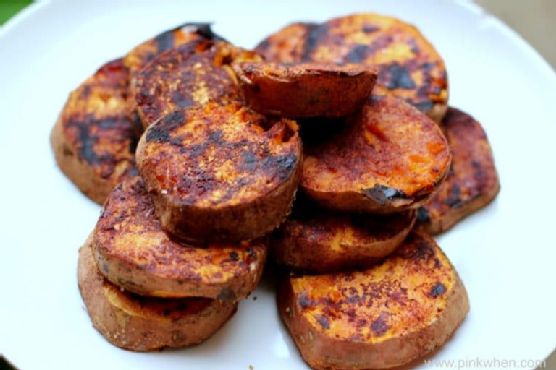
  • Smoky Maple Chipotle Grilled Sweet Potatoes | Made by Meaghan Moineau

    Smoky Maple Chipotle Grilled Sweet Potatoes | Made by Meaghan Moineau

    Smoky Maple Chipotle Grilled Sweet Potatoes

    Imagine the aroma of sweet potatoes sizzling on the grill, their natural sugars caramelizing into golden-brown perfection. The air is filled with a hint of smokiness, a whisper of maple, and a bold, chipotle kick that promises an unforgettable flavor journey. This isn’t just another side dish; it’s a sensory celebration that transforms humble sweet potatoes into the star of your meal.

    Personal Story

    Growing up, sweet potatoes were a staple at our holiday table, usually in the form of my grandmother’s marshmallow-covered casserole. As delightful as that dish was, I always felt there was more to explore in the realm of sweet potatoes. It wasn’t until a summer barbecue a few years back that I discovered the true potential of this versatile root vegetable.

    The day was perfect: sun-drenched and breezy, with the smell of freshly cut grass mingling with the tantalizing aroma of food grilling nearby. I was a guest at a friend’s cookout, where the host casually mentioned a new recipe he was trying: grilled sweet potatoes. Curious and a little skeptical, I watched as he prepared them with a simple glaze of butter and spices. One bite, and I was hooked. The smoky, sweet, and subtly spicy flavors danced together in a way I’d never experienced before.

    Inspired, I began experimenting in my own kitchen, determined to create a version of grilled sweet potatoes that would wow family and friends alike. After several delicious trials and a few not-so-successful attempts, I found the perfect balance. Adding a smoky chipotle kick and a touch of maple syrup elevated the dish beyond my wildest expectations. This recipe has since become a beloved part of our family gatherings, a testament to the magic that happens when you dare to try something new.

    What Makes This Version Special

    The signature twist in my Smoky Maple Chipotle Grilled Sweet Potatoes lies in the unique blend of flavors that elevate this dish from ordinary to extraordinary. The addition of smoky chipotle powder infuses the sweet potatoes with a gentle heat that’s perfectly tempered by the natural sweetness of pure maple syrup. This sweet and savory sensation enhances each bite, making this version far superior to the standard grilled sweet potatoes you’re used to.

    Moreover, the use of smoked paprika provides a depth of flavor that complements the chipotle, creating a rich, robust taste profile. The buttery glaze not only adds a luscious texture but also helps the spices adhere lovingly to every slice. In my book, this is not just an upgrade; it’s a revelation that brings out the best in sweet potatoes.

    Flavor Profile

    From the first bite, you’re greeted with a harmonious blend of sweet and smoky flavors. The sweet potatoes offer a natural sweetness that’s enhanced by the sticky, caramel-like maple syrup. Simultaneously, the chipotle powder introduces a subtle yet satisfying kick, warming your palate without overwhelming it.

    The smoked paprika weaves throughout the dish, adding an earthy undertone that complements the chipotle’s heat. Just when you think it can’t get any better, a refreshing citrus finish from the fresh lime juice cuts through the richness, leaving you ready for the next enticing bite. Each mouthful is a journey, a balancing act of flavors that keeps you coming back for more.

    Ingredients

    • 4 large sweet potatoes
    • 1/4 cup melted butter
    • 1 tablespoon pure maple syrup
    • 1 teaspoon ground cinnamon
    • 1 teaspoon chipotle powder
    • 1 teaspoon smoked paprika
    • 1 teaspoon sea salt
    • Juice of 1 fresh lime
    • 1/4 cup fresh cilantro, chopped (optional)

    Instructions

    1. Preheat your grill to 350 degrees Fahrenheit. While it’s heating up, wash and slice the sweet potatoes into 1-inch rounds. This size ensures they cook evenly and maintain a perfect texture.
    2. In a small bowl, mix the melted butter with the maple syrup, chipotle powder, smoked paprika, and sea salt to create a rich glaze. This mixture will serve as both a flavor bomb and a barrier against sticking.
    3. Spray both sides of the sweet potato slices with additional butter spray and sprinkle with cinnamon. The cinnamon adds a warm, aromatic note that complements the other spices beautifully.
    4. Cover the grill grates with aluminum foil to prevent sticking, then place the sweet potatoes directly onto the foil. Spray the sweet potatoes again lightly with butter spray to ensure they don’t stick.
    5. Close the grill lid and cook for 30 minutes, turning and flipping the sweet potatoes every 10 minutes. This ensures even cooking and those desirable grill marks. Add more butter spray as needed to prevent sticking and promote caramelization.
    6. Once the sweet potatoes are tender and slightly charred, remove them from the grill. Drizzle with fresh lime juice and sprinkle with chopped cilantro for a fresh finish that brightens the dish.

    Pro Tips from Meaghan’s Kitchen

    • Choose the right sweet potatoes: Opt for firm, evenly sized sweet potatoes to ensure even cooking.
    • Sweetness balance: If you prefer a less sweet version, you can reduce the maple syrup to 1/2 tablespoon.
    • Grill maintenance: Regularly check your grill’s temperature to maintain consistent heat, which is key for even cooking.
    • Glaze application: Brush the glaze on the sweet potatoes just before serving to maintain its vibrancy and prevent the sugars from burning.
    • Avoid crowding: Give each slice enough space on the grill to ensure they cook evenly and develop a good char.

    Variations & Dietary Swaps

    • Vegetarian Swap: Use a plant-based butter alternative for a vegan-friendly version.
    • Spice-it-up Version: Add a pinch of cayenne pepper to the glaze for extra heat.
    • Kid-Friendly Version: Omit the chipotle powder and smoked paprika, and add a touch more cinnamon for a sweeter, milder flavor.

    What to Serve With It

    These Smoky Maple Chipotle Grilled Sweet Potatoes are a versatile side dish that pairs beautifully with a range of mains. Serve them alongside grilled chicken or steak for a hearty meal. They also complement a fresh, vibrant grilled corn salad wonderfully. For a refreshing beverage pairing, consider a chilled glass of Riesling, whose subtle sweetness and acidity will balance the dish’s smoky-spicy notes perfectly.

    Storage & Meal Prep

    To store any leftovers, place the sweet potatoes in an airtight container and refrigerate for up to 3 days. They can also be frozen for up to 3 months; just ensure they are completely cooled before freezing. For reheating, use an oven at 350 degrees Fahrenheit for about 10-15 minutes to maintain their texture. Avoid microwaving, as this can make them soggy.

    FAQ

    Can I make this recipe without a grill?

    Yes, you can use a grill pan on your stovetop or bake the sweet potatoes in the oven at 400 degrees Fahrenheit for 25-30 minutes, flipping halfway through.

    What if I don’t have chipotle powder?

    You can substitute with a combination of smoked paprika and cayenne pepper, adjusting the heat level to your preference.

    Can I prepare the glaze in advance?

    Absolutely! You can mix the glaze ingredients a day ahead and store it in the fridge. Just give it a good stir before using.

    Is there a substitute for fresh lime juice?

    If you don’t have lime juice, lemon juice can be used instead for a similar citrusy finish.

    How do I know when the sweet potatoes are done?

    They’re done when they are fork-tender and have a nice char on the edges. The interior should be soft, but the exterior should have a slight crisp.

    Final Thoughts

    I hope you find as much joy in making and sharing these Smoky Maple Chipotle Grilled Sweet Potatoes as I do. They’re a testament to how a few bold ingredients can transform a simple vegetable into something spectacular. I’d love to hear how you make this dish your own, so feel free to leave a comment below or share your creations on social media. Here’s to delicious adventures in the kitchen!

    Related update: Smoky Maple Chipotle Grilled Sweet Potatoes

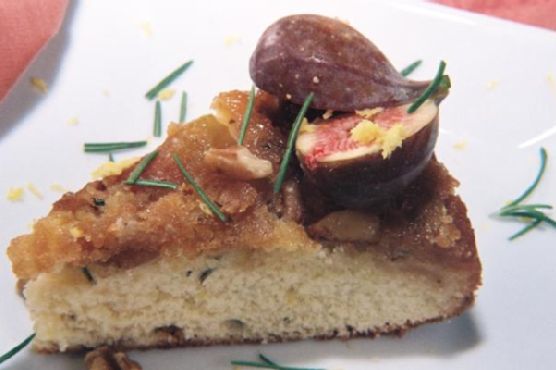
  • Caramelized Fig and Walnut Upside-Down Cake with Rosemary-Honey Drizzle | Made by Meaghan Moineau

    Caramelized Fig and Walnut Upside-Down Cake with Rosemary-Honey Drizzle | Made by Meaghan Moineau

    Caramelized Fig and Walnut Upside-Down Cake with Rosemary-Honey Drizzle

    Imagine the smell of a cake baking, its sweet aroma wrapping around you like a warm hug. Now add a hint of rosemary, the sweet, earthy fragrance mingling with the caramelized figs and toasted walnuts. This cake is not just a dessert; it’s an experience, a story told through flavors and textures.

    Personal Story

    The first time I encountered figs was in my grandmother’s garden. She had a modest fig tree that bore the juiciest fruits during late summer. I remember sneaking out with a basket, picking the ripest figs until my hands were sticky with their syrupy sweetness. Those sun-warmed figs, eaten under the shade of the tree, became the inspiration for this Caramelized Fig and Walnut Upside-Down Cake.

    Years later, while hosting a dinner party, I wanted to serve something that would surprise my guests. I remembered those figs and decided to create a cake that would capture their essence. My first attempt was a disaster; the figs stuck to the pan and the cake was unevenly baked. However, each failure taught me something new. I experimented with different techniques, tweaking the recipe until it became what it is today—a beautifully balanced cake with layers of flavor.

    One fine summer evening, when I finally perfected the recipe, I served it to my friends. Their eyes lit up with each bite, the compliments flowed, and I knew this cake was special. It was more than just a cake; it was a piece of my past, a shared experience, and a new tradition. Now, it’s a staple at my gatherings, always bringing back those sweet, sticky memories of summers past.

    What Makes This Version Special

    This version of the Caramelized Fig and Walnut Upside-Down Cake is unique because of the rosemary-infused honey drizzle that elevates the dessert to a whole new level. The infusion process adds a fragrant finish that perfectly complements the caramelized figs. The rosemary’s woody aroma mingles with the honey’s sweetness, creating a sophisticated yet comforting flavor profile. It’s this attention to detail, these small touches, that make this cake stand out from the typical upside-down cakes you might encounter.

    Flavor Profile

    The flavor journey of this cake begins with the sweet, caramelized figs that provide a luscious, jam-like texture. The walnuts add a nutty crunch, creating a delightful contrast. But the true magic lies in the rosemary-infused honey drizzle that ties everything together. This drizzle imparts a subtle herbal fragrance that lingers, while the added fresh orange zest in the batter lifts the cake with citrusy brightness. It’s a harmonious blend of sweet, nutty, herbal, and citrusy notes—a symphony for your taste buds.

    Ingredients

    • 1/2 cup unsalted butter
    • 3/4 cup light brown sugar
    • **1 pound fresh figs, halved**
    • **2 teaspoons fresh rosemary, chopped**
    • 3/4 cup walnut pieces
    • 1 1/2 cups all-purpose flour
    • 2 teaspoons baking powder
    • 1/2 teaspoon salt
    • 3 large eggs
    • 1 cup granulated sugar
    • **1 tablespoon fresh lemon juice**
    • 1 teaspoon lemon extract
    • 1 tablespoon citron vodka
    • **1 tablespoon fresh lemon zest**
    • 1 teaspoon vanilla extract
    • **1/4 cup honey**
    • **1 teaspoon fresh orange zest**

    Instructions

    1. Position a rack in the center of the oven and preheat it to 350 degrees Fahrenheit.
    2. Add the butter to a 9-inch round baking pan and place it inside the warm oven until melted, about 5 minutes. Remove from the oven and sprinkle the brown sugar evenly over the butter.
    3. Arrange the figs, flesh side up, over the sugar layer. Sprinkle with 1 teaspoon of the rosemary, then fill in the nooks and crannies with walnut pieces.
    4. In a medium bowl, sift together the flour, baking powder, and salt. This step ensures that your cake has a light, airy texture.
    5. In a separate bowl, beat the eggs with the granulated sugar at medium speed until creamy. Because I love a light, fluffy texture, I beat the eggs and sugar for an additional 3 minutes until frothy with small bubbles forming.
    6. Add the flour mixture to the creamed mixture and beat until well combined. Gently fold in the fresh lemon juice, lemon extract, citron vodka, and lemon zest. Don’t forget the fresh orange zest—it adds a burst of citrusy brightness!
    7. Pour the cake batter evenly over the fruit and smooth it with a spatula. Bake for 35 to 40 minutes or until the cake is golden and a toothpick inserted into the center comes out clean.
    8. While the cake bakes, prepare the rosemary-infused honey drizzle. Gently heat the honey with the remaining teaspoon of rosemary in a small saucepan over low heat, allowing the flavors to meld.
    9. Once baked, place the cake on a wire rack to cool for 10 minutes. Run a blunt knife around the edges of the pan to loosen the cake, then carefully invert it onto a plate.
    10. Drizzle the rosemary-infused honey over the warm cake before serving. Enjoy the cake warm or at room temperature.

    Pro Tips from Meaghan’s Kitchen

    • Make sure your figs are ripe and sweet for the best flavor. Unripe figs can be too firm and less sweet.
    • When inverting the cake, use a large plate or platter to catch any extra syrup that might run off.
    • For an extra nutty flavor, toast the walnut pieces before adding them to the pan.
    • If you’re short on time, prepare the rosemary-infused honey drizzle a day in advance and store it in a sealed container.
    • Use room temperature ingredients for the batter to ensure even mixing and a smoother texture.

    Variations & Dietary Swaps

    • Vegetarian Swap: This cake is naturally vegetarian-friendly, but you can make it vegan by replacing the butter with a vegan alternative and using flax eggs instead of regular eggs.
    • Spice-It-Up Version: Add a pinch of cardamom to the batter for a warm, exotic twist.
    • Kids-Friendly Version: Skip the citron vodka and increase the vanilla extract to 2 teaspoons for a more family-friendly flavor.

    What to Serve With It

    This Caramelized Fig and Walnut Upside-Down Cake pairs beautifully with a glass of sparkling Prosecco, which complements the cake’s sweetness with its crisp bubbles. Alternatively, serve it with a scoop of vanilla ice cream for a classic, creamy contrast. For a drink pairing, a bold cup of coffee or a cool glass of Edna Valley 2010 Paragon Chardonnay, with its crisp, citrusy notes and hint of peach, make a delightful accompaniment.

    Storage & Meal Prep

    Store any leftover cake in an airtight container in the refrigerator for up to 3 days. To freeze, wrap individual slices in plastic wrap and place them in a freezer bag for up to 1 month. To reheat, simply warm slices in the microwave for about 15 seconds or until heated through. If reheating from frozen, allow slices to thaw overnight in the refrigerator before warming.

    FAQ

    Can I use dried figs instead of fresh ones?

    While fresh figs are ideal for this recipe, you can use dried figs in a pinch. Just soak them in warm water for about 15 minutes to soften before using.

    What if I don’t have citron vodka?

    You can substitute citron vodka with regular vodka or omit it altogether. The lemon extract and zest will still provide plenty of citrus flavor.

    Can I make this cake gluten-free?

    Yes, you can substitute the all-purpose flour with a gluten-free flour blend. Make sure it’s a 1:1 substitute for best results.

    How do I prevent the cake from sticking to the pan?

    Ensure your pan is well-greased with melted butter and that the sugar is evenly distributed. Running a knife around the edges before inverting will also help.

    Is there a substitute for fresh rosemary?

    If you don’t have fresh rosemary, you can use dried rosemary. However, use only half the amount as dried herbs are more concentrated.

    Final Thoughts

    Thank you for joining me in my kitchen to explore this delightful Caramelized Fig and Walnut Upside-Down Cake with Rosemary-Honey Drizzle. It’s a cake that’s as much about the experience of making it as it is about enjoying it. I hope this recipe becomes a cherished part of your dessert repertoire, perhaps creating sweet memories of your own. I’d love to hear how it turns out for you, so please leave a comment or share your creation on social media. Happy baking, my friends!

    Related update: Caramelized Fig and Walnut Upside-Down Cake with Rosemary-Honey Drizzle

    Related update: Luscious Almond Ricotta Cake with Lavender-Honey Glaze

  • Tropical Almond Matcha Energy Smoothie with Coconut and Spirulina | Made by Meaghan Moineau

    Tropical Almond Matcha Energy Smoothie with Coconut and Spirulina | Made by Meaghan Moineau

    Tropical Almond Matcha Energy Smoothie with Coconut and Spirulina

    Imagine waking up to a sunrise that’s painting the sky with hues of gold and pink, the air filled with the scent of blooming flowers. Now, picture starting your day with a sip of something equally vibrant: a Tropical Almond Matcha Energy Smoothie with Coconut and Spirulina. This isn’t just any smoothie; it’s a vacation in a glass, with layers of flavor that transport you to a tropical island, one sip at a time.

    Personal Story

    Growing up, my mornings were less about leisurely sips of smoothies and more about grabbing a quick breakfast as I dashed out the door. It wasn’t until I took a summer trip to Maui that I discovered the blissful art of the smoothie. I vividly remember wandering into a little beachside café, the air salty with ocean spray, and ordering what would become a pivotal moment in my culinary journey.

    The café’s smoothie was a blend of fresh local fruits and exotic ingredients I had never tried before. The first sip was nothing short of a revelation. It was like tasting summer itself, bursting with flavors of ripe mango and creamy coconut, with a hint of something uniquely invigorating. That was the day I fell in love with tropical smoothies.

    Fast forward a few years, and I found myself experimenting in my kitchen, trying to recreate that magical experience. After much trial and delightful error, I came up with my own twist, adding nutrient powerhouses like spirulina and matcha to the mix. And so, the Tropical Almond Matcha Energy Smoothie with Coconut and Spirulina was born, becoming a staple in my morning routine and a favorite among friends and family.

    There was this one time I forgot to secure the lid on my blender properly. Let’s just say my kitchen walls got a surprise tropical splash that day! But every mistake led me to perfecting this recipe, ensuring each sip is as smooth and satisfying as the last.

    What Makes This Version Special

    This Tropical Almond Matcha Energy Smoothie with Coconut and Spirulina is more than just a blend of fruits and liquids; it’s an energizing start to your day. What sets this version apart from the standard superfood smoothie is its tropical twist with the addition of coconut and the vibrant green nutrient boost from spirulina. Coconut water and shredded coconut elevate the island vibe, while spirulina and matcha add a layer of earthiness and a boost of sustained energy. It’s perfect for busy mornings when you need a nutritious jumpstart that feels like a treat.

    Flavor Profile

    The flavor journey of this smoothie is nothing short of exhilarating. With each sip, you’re first greeted by the refreshing and bright notes of tropical fruits like mango and pineapple. This is followed by the creamy, nutty undertone of unsalted natural almond butter and shredded coconut, offering a luscious mouthfeel. The spirulina introduces a subtle earthiness that balances the sweetness, while a splash of fresh lime juice ties everything together with a zesty finish. It’s like a tropical getaway in a glass, right from your kitchen.

    Ingredients

    • 1 tablespoon **unsalted natural almond butter**
    • 1 cup **unsweetened almond milk**
    • 1 **frozen banana**
    • 1 tablespoon chia seeds
    • 1 handful baby kale
    • 1/2 cup **frozen mango pieces**
    • 1 teaspoon **green matcha tea powder**
    • 1/2 cup **frozen pineapple**
    • 1 teaspoon vanilla extract
    • 1/2 cup **coconut water**
    • 2 tablespoons **shredded coconut**
    • 1 teaspoon **spirulina powder**
    • 1 tablespoon fresh lime juice

    Instructions

    1. Start by adding the spirulina powder into a blender with a small amount of almond milk. Blend on low to ensure the spirulina dissolves completely, preventing any clumps and allowing the vibrant green color to integrate smoothly.
    2. Add the remaining almond milk, frozen banana, chia seeds, and baby kale. Blend until the kale is fully incorporated, and no green leaves are visible—just a smooth, emerald base.
    3. Introduce the frozen mango pieces, green matcha tea powder, frozen pineapple, vanilla extract, and coconut water. Blend on high until the mixture is silky and all the frozen fruit has broken down, creating a thick and creamy texture.
    4. Finally, add the shredded coconut. Pulse the blender a few times to mix in the coconut, adding a delightful texture without over-blending.
    5. Pour the smoothie into glasses, squeeze a touch of fresh lime juice on top, and serve immediately for the ultimate refreshing experience.

    Pro Tips from Meaghan’s Kitchen

    • For an extra creamy smoothie, freeze your almond milk in ice cube trays and use these instead of regular ice cubes.
    • Always add liquids to the blender first to help the blades move easily through the ingredients.
    • If you prefer a thicker smoothie, add more frozen banana or reduce the coconut water.
    • Spirulina can have a strong flavor—start with less if you’re new to it, and gradually increase as you become more accustomed to its taste.
    • Experiment with different brands of matcha powder to find one that suits your taste preferences and budget.

    Variations & Dietary Swaps

    • Nut-Free Version: Swap almond butter and almond milk for sunflower seed butter and oat milk.
    • Extra Protein Boost: Add a scoop of your favorite vanilla protein powder.
    • Kid-Friendly Version: Reduce spirulina to half a teaspoon and add a touch of honey or agave for extra sweetness.

    What to Serve With It

    This Tropical Almond Matcha Energy Smoothie with Coconut and Spirulina pairs beautifully with a side of freshly sliced papaya or mango for an extra tropical punch. For a more filling breakfast, serve it alongside a warm piece of whole grain toast topped with avocado and a sprinkle of salt.

    Storage & Meal Prep

    If you want to save time in the morning, pre-portion the frozen fruits and dry ingredients into individual baggies, then store them in the freezer. When you’re ready to make your smoothie, simply pour the contents of the bag into the blender, add your liquids, and blend.

    While this smoothie is best enjoyed fresh, you can refrigerate leftovers in an airtight container for up to 24 hours. Shake or stir well before drinking. For longer storage, freeze the smoothie in a mason jar with some space at the top for expansion. Thaw overnight in the fridge before enjoying.

    FAQ

    Can I use fresh fruit instead of frozen?

    Yes, you can use fresh fruit, but you might need to add ice cubes to achieve the same thick, cold consistency that frozen fruit provides.

    Is spirulina really necessary?

    While spirulina is a wonderful nutrient boost, you can leave it out if you’re not a fan of its flavor. The smoothie will still be delicious without it.

    Can I add additional sweeteners?

    Absolutely! If you have a sweet tooth, a touch of honey, agave syrup, or even a Medjool date can enhance the sweetness.

    How can I make this smoothie more filling?

    To make this smoothie heartier, consider adding a half-cup of rolled oats or a tablespoon of flaxseeds for extra fiber and satiety.

    Final Thoughts

    There you have it, my Tropical Almond Matcha Energy Smoothie with Coconut and Spirulina—a deliciously refreshing way to kick-start your morning with a burst of tropical flavors. I hope this recipe brings a little piece of paradise to your day, just as it has to mine. I’d love to hear how it turns out for you, so feel free to leave a comment or share your own unique twist on this smoothie. Cheers to vibrant mornings and happy blending!

    Related update: Tropical Almond Matcha Energy Smoothie with Coconut and Spirulina

    Related update: Tropical Strawberry-Mango Green Tea Limeade with Ginger Mint Infusion

  • Tropical Avocado Salad with Grilled Shrimp and Toasted Coconut | Made by Meaghan Moineau

    Tropical Avocado Salad with Grilled Shrimp and Toasted Coconut | Made by Meaghan Moineau

    Tropical Avocado Salad with Grilled Shrimp and Toasted Coconut

    Imagine the sun setting over a white sand beach, the air filled with the mingling scents of saltwater and sizzling shrimp. This Tropical Avocado Salad with Grilled Shrimp and Toasted Coconut captures that vacation bliss in a single bite. It’s a dish that promises a mini-escape with every forkful.

    Personal Story

    Growing up, summers meant beach trips and family barbecues that stretched from afternoon into evening. My family had a knack for transforming simple ingredients into something spectacular, and it was during these gatherings that I first fell in love with the art of cooking. The sound of shrimp sizzling on the grill is a melody that still transports me back to those carefree days.

    One summer, while vacationing in the Florida Keys, I stumbled upon a small beachside café serving the most intriguing shrimp salad. It was unlike anything I had tasted before; a burst of tropical flavors with a hint of citrus that lingered long after the meal was over. This experience sparked my desire to recreate that magic, blending my own love of fresh, vibrant ingredients with the essence of that unforgettable dish.

    Back in my own kitchen, I began experimenting. I wanted to capture that tropical flair with the ingredients I loved most — creamy avocados, sweet grapes, and a hint of coconut. It was during one of these culinary adventures that I added toasted coconut and lime zest, and suddenly the dish came alive! It was a revelation, and I knew I had found a new family favorite.

    Since then, this Tropical Avocado Salad with Grilled Shrimp and Toasted Coconut has become a staple at our summer gatherings, a dish that not only tastes like a vacation but also carries the warmth of cherished memories.

    What Makes This Version Special

    This version of Tropical Avocado Salad is not your typical shrimp salad. What sets it apart is the bold, tropical twist — the addition of grilled shrimp brushed with sesame oil and lime zest enhances the dish with a smoky depth and a citrusy zing. The toasted coconut flakes add an irresistible crunch and a subtle sweetness that plays beautifully against the creamy avocado and juicy grapes. Unlike traditional shrimp salads, this one is a feast for the senses, blending textures and flavors in a way that elevates the humble salad into something extraordinary.

    Flavor Profile

    Bite into this salad and you’ll experience a symphony of flavors — it’s tropical, creamy, and lightly smoky with a refreshing citrusy finish. The shrimp, grilled to perfection, offers a savory depth, while the creamy avocado and sweet grapes provide contrast. The toasted coconut flakes and the hint of lime zest work together to create a flavor palette that is both exotic and comforting.

    Ingredients

    • 1 lb pink bay shrimp, peeled and deveined
    • 1 cup California grapes, halved
    • 1/2 cup celery, thinly sliced
    • 1/2 cup water chestnuts, sliced
    • 2 green onions, sliced (whites and greens separated)
    • 1/4 cup mayonnaise
    • 1 tablespoon dry sherry
    • Salt and black pepper to taste
    • 1 tablespoon sesame oil
    • 1 teaspoon dry mustard
    • 1 tablespoon sesame seeds
    • 1 avocado, diced
    • Zest of 1 lime
    • 1/3 cup toasted coconut flakes
    • Fresh cilantro for garnish

    Instructions

    1. Preheat your grill to medium-high heat. Brush the shrimp lightly with sesame oil and sprinkle with lime zest. Grill for 2-3 minutes on each side until they are opaque and have grill marks, indicating they are perfectly cooked.
    2. In a dry skillet, gently toast the coconut flakes over medium heat until they are golden brown and fragrant. This process should take about 3-5 minutes. Stir frequently to prevent burning, then set aside to cool.
    3. In a medium bowl, combine the grilled shrimp, grapes, celery, water chestnuts, and the sliced whites of the green onion. This forms the base of your salad, with a variety of textures and flavors.
    4. In a small bowl, whisk together the mayonnaise, dry sherry, salt, black pepper, sesame oil, and dry mustard. This dressing will bind all the ingredients together, adding a creamy, savory note.
    5. Pour the dressing over the shrimp and grape mixture. Gently toss until everything is well coated. Be careful not to crush the grapes or avocados.
    6. Sprinkle the salad with the sliced green parts of the onion and sesame seeds, adding a touch of brightness and crunch.
    7. Gently fold in the diced avocado, being careful to maintain its shape. Top with the toasted coconut flakes and fresh cilantro, adding layers of flavor and color.
    8. Refrigerate the salad for at least 30 minutes before serving. This allows the flavors to meld together beautifully.

    Pro Tips from Meaghan’s Kitchen

    • For perfectly grilled shrimp, make sure your grill is hot before adding them. This helps achieve those beautiful grill marks and prevents sticking.
    • To keep avocados from browning, toss them in a little lime juice before adding them to the salad.
    • Consider a blend of red and green grapes for a pop of color and a balance of sweetness.
    • Toast extra coconut flakes and store them in an airtight container for future salads or desserts — they stay fresh for weeks.
    • If you prefer a spicier kick, add a pinch of cayenne pepper to the dressing for a subtle heat.

    Variations & Dietary Swaps

    • Vegetarian Swap: Replace the shrimp with grilled tofu or tempeh for a plant-based twist that still packs a protein punch.
    • Spice-It-Up Version: Add thinly sliced jalapeños for a spicy kick that complements the sweetness of the grapes.
    • Kids-Friendly Version: Opt for cooked, chilled pasta in place of the shrimp and reduce the lime zest for a milder flavor.

    What to Serve With It

    This Tropical Avocado Salad pairs beautifully with a chilled glass of Sauvignon Blanc, which complements the citrusy notes and creamy textures. For a non-alcoholic option, serve it with a refreshing glass of coconut water, enhancing the tropical experience. A side of crusty bread or plantain chips also makes for delightful accompaniment.

    Storage & Meal Prep

    Store any leftovers in an airtight container in the refrigerator for up to two days. The flavors will deepen over time, though the avocado might lose some of its vibrant color. For meal prep, prepare all components separately and combine them just before serving to maintain freshness and texture. This salad is best enjoyed fresh, but if needed, it can be gently reheated in a skillet over low heat, just enough to warm through without cooking the shrimp further.

    FAQ

    Can I use pre-cooked shrimp for this recipe?

    Yes, you can use pre-cooked shrimp. Simply skip the grilling step and toss them directly with the lime zest and sesame oil for added flavor.

    Is there a substitute for dry sherry?

    If you don’t have dry sherry on hand, you can substitute it with apple cider vinegar or white wine vinegar for a similar tangy flavor.

    How can I prevent the avocado from browning?

    To keep the avocado fresh and green, toss it with a bit of lime juice before adding it to the salad. This citrus coating acts as a natural preservative.

    Can I prepare this salad in advance?

    Yes, you can prepare the components ahead of time. However, for the best texture and flavor, combine the ingredients and dress the salad just before serving.

    What if I don’t have a grill?

    No grill? No problem! You can sauté the shrimp in a hot skillet with a little sesame oil until they’re cooked through and have a slight char.

    Final Thoughts

    And there you have it, a Tropical Avocado Salad with Grilled Shrimp and Toasted Coconut that’s bound to transport you to your favorite beach getaway, all from the comfort of your kitchen. I hope this recipe brings a taste of sunshine to your table. If you try it, I’d love to hear about your experience. Drop a comment below, share your own tips, or even your variations. Let’s keep the conversation going and continue sharing the joy of cooking!

    Related update: Tropical Avocado Salad with Grilled Shrimp and Toasted Coconut

    Related update: Tropical Vegan Ambrosia Salad with Toasted Coconut and Lime Zest

  • Tropical Spiced Pina Colada with Coconut Cream Floater | Made by Meaghan Moineau

    Tropical Spiced Pina Colada with Coconut Cream Floater | Made by Meaghan Moineau

    Tropical Spiced Pina Colada with Coconut Cream Floater

    Imagine the gentle clinking of ice cubes against a glass, the air perfumed with a symphony of tropical scents, and the first sip of a drink that feels like a warm island breeze. Welcome to the world of the Tropical Spiced Pina Colada with Coconut Cream Floater — a lush, creamy escape from the everyday.

    For me, the journey to this exotic concoction began in the most unexpected of places: my grandmother’s kitchen. During our annual family reunion, she would whip up her famous pina coladas, using a simple blend of pineapple juice, coconut milk, and a splash of rum. It became a cherished tradition, a marker of summer’s peak when the sun seemed to linger a bit longer just to savor the taste.

    One summer, as I watched her deftly work her magic, I dared to suggest a twist. The idea was born from an impromptu trip to a Caribbean spice market where the air was thick with cinnamon and nutmeg. I was captivated by these aromas and couldn’t help but imagine them mingling with the creamy, sweet notes of our beloved pina colada.

    My grandmother, ever the culinary adventurer, gave me the green light. We decided to try our hands at a Tropical Spiced Pina Colada, infusing it with a dash of these heady spices. The result was nothing short of transformative. The addition of a luxurious coconut cream floater brought a new layer of indulgence, turning a beloved classic into something sophisticated and new.

    What Makes This Version Special

    This version of the Tropical Spiced Pina Colada stands out because it introduces a hint of tropical spices and a luxurious coconut cream floater. While traditional pina coladas are undeniably delightful, they can sometimes feel a bit too sweet or one-dimensional. By blooming cinnamon and nutmeg before blending, we unlock their full aromatic potential, giving the drink warm, inviting undertones. The coconut cream floater is the crowning glory, adding a velvety richness that elevates the experience from a simple cocktail to a decadent treat.

    Flavor Profile

    Close your eyes and imagine taking a sip. The first thing you notice is the creamy texture, instantly transporting you to a sandy beach. The pineapple juice brings a vibrant, tangy sweetness that dances with the mellow richness of the coconut milk. The spiced notes of cinnamon and nutmeg are subtle yet undeniably present, adding warmth and depth. And just when you think it couldn’t get any better, the coconut cream floater glides across your palate, leaving a lingering, luxurious finish.

    Ingredients

    • 2 cups ice
    • 1 cup pineapple juice
    • 1 cup coconut milk
    • 1/2 cup coconut rum
    • 1/2 teaspoon ground cinnamon
    • 1/4 teaspoon ground nutmeg
    • **2 tablespoons coconut cream**
    • 1 tablespoon toasted coconut flakes
    • Pineapple wedges, for garnish
    • Maraschino cherries, for garnish

    Instructions

    1. In a small pan over low heat, bloom the cinnamon and nutmeg until their aromas are released, about 2 minutes. This step enhances their flavors, so don’t rush it.
    2. Add the ice, pineapple juice, coconut milk, coconut rum, and the bloomed spices to a blender.
    3. Blend the mixture on high until smooth and creamy, about 1-2 minutes. You want everything well-combined and silky.
    4. Pour the blended drink into chilled glasses, leaving a bit of space at the top for the floater.
    5. Gently float a dollop of coconut cream on top of each glass, allowing it to slowly meld with the drink as you sip.
    6. Garnish with fresh pineapple wedges, maraschino cherries, and a sprinkle of toasted coconut flakes for that extra touch of elegance.

    Pro Tips from Meaghan’s Kitchen

    • Always use fresh pineapple juice, if possible. It makes a world of difference in the taste.
    • Blooming spices is crucial; it releases their oils and intensifies their flavor without adding bitterness.
    • For an extra frothy drink, blend for another minute on high speed.
    • If you like a thicker consistency, reduce the amount of ice or add a bit more coconut cream to the blend.
    • Don’t skip the toasted coconut flakes! They add a delightful crunch and aromatic finish.

    Variations & Dietary Swaps

    • Non-Alcoholic Version: Simply omit the coconut rum. The drink remains deliciously creamy and satisfying.
    • Spice-It-Up: Add a pinch of cayenne pepper to the blender for a subtle kick.
    • Kid-Friendly Version: Replace the rum with a splash of coconut water or additional pineapple juice, perfect for little ones.

    What to Serve With It

    The Tropical Spiced Pina Colada pairs beautifully with a light and crunchy coconut shrimp appetizer. The crispy texture and subtle sweetness of the shrimp complement the creamy, spiced notes of the drink. A fresh mango salsa on the side adds a tangy contrast that ties the flavors together perfectly.

    Storage & Meal Prep

    While pina coladas are best enjoyed fresh, you can prepare the blended components ahead of time. Store the mixture in an airtight container in the fridge for up to 24 hours. Before serving, give it a quick blend to refresh its texture. If you’re storing leftovers, keep the coconut cream separate and add it just before serving. For extended storage, freeze the blended mixture in ice cube trays and blend with a splash of pineapple juice when ready to enjoy.

    FAQ

    Can I use canned pineapple juice?

    Yes, you can, but fresh pineapple juice will provide a brighter, more vibrant flavor.

    What if I don’t have coconut cream?

    You can substitute with heavy cream or simply add extra coconut milk for a similar creamy effect.

    Is it okay to use sweetened coconut milk?

    I recommend unsweetened coconut milk to avoid making the drink overly sweet, but sweetened can be used if you prefer a dessert-like taste.

    How do I toast coconut flakes?

    Simply spread the flakes on a baking sheet and toast in a 350°F oven for 5-6 minutes until golden-brown, stirring once for even color.

    Can I make this drink without a blender?

    While a blender is ideal for achieving that smooth, creamy texture, you can shake the ingredients vigorously in a cocktail shaker as an alternative.

    Final Thoughts

    Creating this Tropical Spiced Pina Colada with Coconut Cream Floater has been a journey of flavors and memories. It’s a drink that invites you to sit back, relax, and savor each luxurious sip. I hope this recipe brings a touch of the exotic to your kitchen, and I can’t wait to hear how it turns out for you. Please share your thoughts, variations, and any special memories you create along the way. Here’s to new traditions and the joy of discovery in every glass. Cheers!

    Related update: Tropical Spiced Pina Colada with Coconut Cream Floater

    Related update: Tropical Almond Matcha Energy Smoothie with Coconut and Spirulina