Tag: Party Food

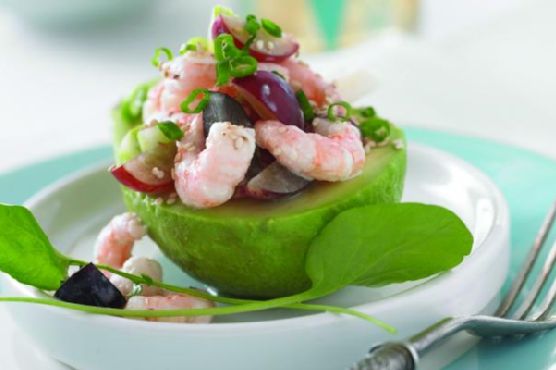
  • Tropical Avocado Salad with Grilled Shrimp and Toasted Coconut | Made by Meaghan Moineau

    Tropical Avocado Salad with Grilled Shrimp and Toasted Coconut | Made by Meaghan Moineau

    Tropical Avocado Salad with Grilled Shrimp and Toasted Coconut

    Imagine the sun setting over a white sand beach, the air filled with the mingling scents of saltwater and sizzling shrimp. This Tropical Avocado Salad with Grilled Shrimp and Toasted Coconut captures that vacation bliss in a single bite. It’s a dish that promises a mini-escape with every forkful.

    Personal Story

    Growing up, summers meant beach trips and family barbecues that stretched from afternoon into evening. My family had a knack for transforming simple ingredients into something spectacular, and it was during these gatherings that I first fell in love with the art of cooking. The sound of shrimp sizzling on the grill is a melody that still transports me back to those carefree days.

    One summer, while vacationing in the Florida Keys, I stumbled upon a small beachside café serving the most intriguing shrimp salad. It was unlike anything I had tasted before; a burst of tropical flavors with a hint of citrus that lingered long after the meal was over. This experience sparked my desire to recreate that magic, blending my own love of fresh, vibrant ingredients with the essence of that unforgettable dish.

    Back in my own kitchen, I began experimenting. I wanted to capture that tropical flair with the ingredients I loved most — creamy avocados, sweet grapes, and a hint of coconut. It was during one of these culinary adventures that I added toasted coconut and lime zest, and suddenly the dish came alive! It was a revelation, and I knew I had found a new family favorite.

    Since then, this Tropical Avocado Salad with Grilled Shrimp and Toasted Coconut has become a staple at our summer gatherings, a dish that not only tastes like a vacation but also carries the warmth of cherished memories.

    What Makes This Version Special

    This version of Tropical Avocado Salad is not your typical shrimp salad. What sets it apart is the bold, tropical twist — the addition of grilled shrimp brushed with sesame oil and lime zest enhances the dish with a smoky depth and a citrusy zing. The toasted coconut flakes add an irresistible crunch and a subtle sweetness that plays beautifully against the creamy avocado and juicy grapes. Unlike traditional shrimp salads, this one is a feast for the senses, blending textures and flavors in a way that elevates the humble salad into something extraordinary.

    Flavor Profile

    Bite into this salad and you’ll experience a symphony of flavors — it’s tropical, creamy, and lightly smoky with a refreshing citrusy finish. The shrimp, grilled to perfection, offers a savory depth, while the creamy avocado and sweet grapes provide contrast. The toasted coconut flakes and the hint of lime zest work together to create a flavor palette that is both exotic and comforting.

    Ingredients

    • 1 lb pink bay shrimp, peeled and deveined
    • 1 cup California grapes, halved
    • 1/2 cup celery, thinly sliced
    • 1/2 cup water chestnuts, sliced
    • 2 green onions, sliced (whites and greens separated)
    • 1/4 cup mayonnaise
    • 1 tablespoon dry sherry
    • Salt and black pepper to taste
    • 1 tablespoon sesame oil
    • 1 teaspoon dry mustard
    • 1 tablespoon sesame seeds
    • 1 avocado, diced
    • Zest of 1 lime
    • 1/3 cup toasted coconut flakes
    • Fresh cilantro for garnish

    Instructions

    1. Preheat your grill to medium-high heat. Brush the shrimp lightly with sesame oil and sprinkle with lime zest. Grill for 2-3 minutes on each side until they are opaque and have grill marks, indicating they are perfectly cooked.
    2. In a dry skillet, gently toast the coconut flakes over medium heat until they are golden brown and fragrant. This process should take about 3-5 minutes. Stir frequently to prevent burning, then set aside to cool.
    3. In a medium bowl, combine the grilled shrimp, grapes, celery, water chestnuts, and the sliced whites of the green onion. This forms the base of your salad, with a variety of textures and flavors.
    4. In a small bowl, whisk together the mayonnaise, dry sherry, salt, black pepper, sesame oil, and dry mustard. This dressing will bind all the ingredients together, adding a creamy, savory note.
    5. Pour the dressing over the shrimp and grape mixture. Gently toss until everything is well coated. Be careful not to crush the grapes or avocados.
    6. Sprinkle the salad with the sliced green parts of the onion and sesame seeds, adding a touch of brightness and crunch.
    7. Gently fold in the diced avocado, being careful to maintain its shape. Top with the toasted coconut flakes and fresh cilantro, adding layers of flavor and color.
    8. Refrigerate the salad for at least 30 minutes before serving. This allows the flavors to meld together beautifully.

    Pro Tips from Meaghan’s Kitchen

    • For perfectly grilled shrimp, make sure your grill is hot before adding them. This helps achieve those beautiful grill marks and prevents sticking.
    • To keep avocados from browning, toss them in a little lime juice before adding them to the salad.
    • Consider a blend of red and green grapes for a pop of color and a balance of sweetness.
    • Toast extra coconut flakes and store them in an airtight container for future salads or desserts — they stay fresh for weeks.
    • If you prefer a spicier kick, add a pinch of cayenne pepper to the dressing for a subtle heat.

    Variations & Dietary Swaps

    • Vegetarian Swap: Replace the shrimp with grilled tofu or tempeh for a plant-based twist that still packs a protein punch.
    • Spice-It-Up Version: Add thinly sliced jalapeños for a spicy kick that complements the sweetness of the grapes.
    • Kids-Friendly Version: Opt for cooked, chilled pasta in place of the shrimp and reduce the lime zest for a milder flavor.

    What to Serve With It

    This Tropical Avocado Salad pairs beautifully with a chilled glass of Sauvignon Blanc, which complements the citrusy notes and creamy textures. For a non-alcoholic option, serve it with a refreshing glass of coconut water, enhancing the tropical experience. A side of crusty bread or plantain chips also makes for delightful accompaniment.

    Storage & Meal Prep

    Store any leftovers in an airtight container in the refrigerator for up to two days. The flavors will deepen over time, though the avocado might lose some of its vibrant color. For meal prep, prepare all components separately and combine them just before serving to maintain freshness and texture. This salad is best enjoyed fresh, but if needed, it can be gently reheated in a skillet over low heat, just enough to warm through without cooking the shrimp further.

    FAQ

    Can I use pre-cooked shrimp for this recipe?

    Yes, you can use pre-cooked shrimp. Simply skip the grilling step and toss them directly with the lime zest and sesame oil for added flavor.

    Is there a substitute for dry sherry?

    If you don’t have dry sherry on hand, you can substitute it with apple cider vinegar or white wine vinegar for a similar tangy flavor.

    How can I prevent the avocado from browning?

    To keep the avocado fresh and green, toss it with a bit of lime juice before adding it to the salad. This citrus coating acts as a natural preservative.

    Can I prepare this salad in advance?

    Yes, you can prepare the components ahead of time. However, for the best texture and flavor, combine the ingredients and dress the salad just before serving.

    What if I don’t have a grill?

    No grill? No problem! You can sauté the shrimp in a hot skillet with a little sesame oil until they’re cooked through and have a slight char.

    Final Thoughts

    And there you have it, a Tropical Avocado Salad with Grilled Shrimp and Toasted Coconut that’s bound to transport you to your favorite beach getaway, all from the comfort of your kitchen. I hope this recipe brings a taste of sunshine to your table. If you try it, I’d love to hear about your experience. Drop a comment below, share your own tips, or even your variations. Let’s keep the conversation going and continue sharing the joy of cooking!

    Related update: Tropical Avocado Salad with Grilled Shrimp and Toasted Coconut

    Related update: Tropical Vegan Ambrosia Salad with Toasted Coconut and Lime Zest
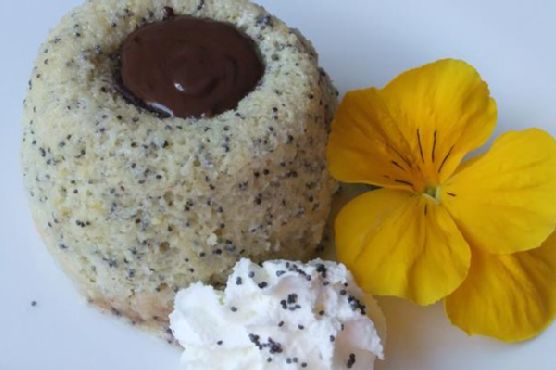
  • Zesty Lemon Poppy Seed Lava Cakes with Spiced Chocolate Ganache | Made by Meaghan Moineau

    Zesty Lemon Poppy Seed Lava Cakes with Spiced Chocolate Ganache | Made by Meaghan Moineau

    Zesty Lemon Poppy Seed Lava Cakes with Spiced Chocolate Ganache

    Imagine this: a warm, golden-brown cake with a delicate crust, cradling a pool of molten chocolate that spills onto your plate with the first forkful. The aroma of fresh lemon zest mingles with the warm, spiced scent of cardamom and ginger, creating a sensory symphony that dances around your kitchen. Welcome to the world of Zesty Lemon Poppy Seed Lava Cakes with Spiced Chocolate Ganache — a dessert that tantalizes both your taste buds and your imagination.

    Personal Story

    When I was a little girl, my grandmother would often bake her famous lemon poppy seed cake. It was a simple yet decadent treat, and I can still recall the scent wafting through the house, mingling with the laughter of family gatherings. That cake was a staple at our family celebrations, a beloved tradition that brought everyone together around the dining table.

    Fast forward to a few years ago when I found myself in Paris, walking through a bustling market. I stumbled upon a quaint patisserie where I experienced my first taste of molten chocolate lava cake. The intense richness of the chocolate was perfectly balanced by a hint of spice, an unexpected twist that left me dreaming of recreating the experience back home.

    Inspired by those memories, I embarked on a culinary journey to merge these two beloved desserts into one perfect fusion. The result? Zesty Lemon Poppy Seed Lava Cakes with Spiced Chocolate Ganache. Each bite is a nostalgic nod to my past, while the rich, spiced ganache adds a bold and contemporary twist.

    Not only does this recipe marry two beloved flavors, but it also embodies the essence of my culinary philosophy: to honor tradition while embracing innovation. This dish is a testament to the joys of experimentation and the magic that happens when you bring together unexpected ingredients.

    What Makes This Version Special

    This isn’t just any lemon poppy seed cake or molten chocolate lava cake — it’s a delightful fusion that brings together the best of both worlds. By incorporating a hint of cardamom and ginger into the chocolate ganache, this version creates a warm, spiced flavor that perfectly complements the zesty lemon cake. The result is a harmonious blend that elevates the traditional dessert to new heights, offering a sophisticated twist that’s both surprising and satisfying.

    Why settle for a standard recipe when you can indulge in a dessert that tantalizes the senses and surprises the palate? This version is not only a feast for your taste buds but also an experience that your guests will remember and rave about.

    Flavor Profile

    Imagine a bite that begins with the fresh, zingy pop of lemon and the nutty crunch of poppy seeds. As you reach the center, the warm, spiced chocolate ganache spills out in a silky cascade, enveloping your senses in a rich and aromatic embrace. The balance of sweetness and spice is delicate yet pronounced, creating a flavor experience that lingers beautifully on the palate.

    Every element of this dish works in harmony: the zesty brightness of the lemon cake, the subtle warmth of the spices, and the deep, rich chocolate — all coming together in a symphony of flavors that feels both nostalgic and novel.

    Ingredients

    • 1 cup all-purpose flour
    • 1 tablespoon grated lemon rind
    • 2 tablespoons poppy seeds
    • 3 large egg yolks
    • 3/4 cup granulated sugar
    • 1/2 cup unsalted butter, melted
    • 3 large egg whites
    • 6 ounces bittersweet chocolate, chopped
    • 1 teaspoon ground cardamom
    • 1/2 teaspoon ground ginger
    • 1 teaspoon vanilla extract
    • Pinch of salt

    Instructions

    1. Position a rack in the center of the oven and preheat to 400 degrees F. Lightly butter six 6-ounce ramekins, dust with sugar, and place on a baking sheet.
    2. In a small bowl, whisk together the flour, lemon rind, and poppy seeds; set aside.
    3. In the 4-1/2 quart bowl of a heavy-duty electric mixer using the wire whip attachment, whip the egg yolks and sugar until the mixture is pale and forms a ribbon when the whip is lifted. Add the vanilla extract and a pinch of salt for enhanced depth of flavor.
    4. Place the egg whites in a medium grease-free bowl and using a hand-held electric mixer, whip the whites to soft peaks.
    5. Fold the flour mixture into the yolk/sugar mixture, then add the melted butter and gently mix until combined. Fold in the egg whites until combined.
    6. In a small saucepan, melt the chocolate over low heat. Once melted, remove from heat and stir in the ground cardamom and ground ginger for a spiced kick.
    7. Fill each of the prepared ramekins 3/4 full with the cake batter and place a 1-ounce piece of the spiced chocolate ganache in the center of the batter.
    8. Bake for 15 minutes or until the cakes are firm yet have a slight jiggle in the center. Allow to cool on a wire rack for 5 minutes.
    9. Gently invert each cake onto a dessert plate and serve warm, letting the spiced chocolate ganache ooze out enticingly.

    Pro Tips from Meaghan’s Kitchen

    • For a more intense lemon flavor, consider adding a bit of freshly squeezed lemon juice to the batter.
    • Ensure your egg whites are at room temperature before whipping for maximum volume.
    • Gently fold the egg whites into the batter to maintain airiness — overmixing can result in dense cakes.
    • If you’re short on time, you can prepare the spiced chocolate ganache in advance and refrigerate it until needed.
    • Use a serrated knife to chop the chocolate; it will prevent the chocolate from flying everywhere.

    Variations & Dietary Swaps

    • For a gluten-free version, substitute the all-purpose flour with a gluten-free flour blend.
    • Spice it up by adding a pinch of cayenne pepper to the ganache for an extra kick.
    • Make it kid-friendly by omitting the spices and using milk chocolate instead of bittersweet chocolate.

    What to Serve With It

    These Zesty Lemon Poppy Seed Lava Cakes with Spiced Chocolate Ganache are a show-stopping dessert on their own, but for a truly indulgent experience, pair them with a chilled glass of sparkling Moscato. The effervescence and sweetness of the wine complement the rich flavors perfectly. Alternatively, a scoop of vanilla bean ice cream adds a creamy contrast to the warm, gooey center.

    Storage & Meal Prep

    These lava cakes are best enjoyed fresh from the oven, but if you have leftovers, you can store them in an airtight container in the refrigerator for up to 2 days. To reheat, place them in a preheated oven at 350 degrees F for about 5-7 minutes or until warmed through. If freezing, wrap each cake tightly in plastic wrap and then aluminum foil. They can be frozen for up to 1 month. Thaw in the refrigerator overnight before reheating.

    FAQ

    Can I use milk chocolate instead of bittersweet chocolate?

    Yes, you can substitute milk chocolate for a sweeter, creamier ganache. Keep in mind that it will be less intense than bittersweet chocolate.

    What if I don’t have cardamom at home?

    No worries! You can substitute with cinnamon, though the flavor profile will be slightly different. The warmth of cinnamon pairs well with ginger and chocolate.

    How do I know when the cakes are done baking?

    The cakes should be firm around the edges but have a slight jiggle in the center. This indicates that the chocolate core remains gooey.

    Can I make the batter ahead of time?

    It’s best to prepare and bake the batter immediately for optimal texture. However, you can prepare the dry and wet ingredients separately a day in advance and combine them right before baking.

    What if I don’t have ramekins?

    If you don’t have ramekins, you can use muffin tins as an alternative. Just be sure to adjust the baking time slightly as they may cook faster.

    Final Thoughts

    Thank you for joining me on this delicious journey of creating Zesty Lemon Poppy Seed Lava Cakes with Spiced Chocolate Ganache. I hope this recipe brings as much joy and warmth to your kitchen as it does to mine. I encourage you to experiment and adapt as you see fit — after all, cooking is as much about personal expression as it is about flavor. Don’t hesitate to share your culinary creations and experiences in the comments below. Happy baking, my dear friends!

    Related update: Zesty Lemon Poppy Seed Lava Cakes with Spiced Chocolate Ganache

    Related update: Decadent Honey-Roasted Peanut Butter Ice Cream with Dark Chocolate Shards

  • Tropical Spiced Pina Colada with Coconut Cream Floater | Made by Meaghan Moineau

    Tropical Spiced Pina Colada with Coconut Cream Floater | Made by Meaghan Moineau

    Tropical Spiced Pina Colada with Coconut Cream Floater

    Imagine the gentle clinking of ice cubes against a glass, the air perfumed with a symphony of tropical scents, and the first sip of a drink that feels like a warm island breeze. Welcome to the world of the Tropical Spiced Pina Colada with Coconut Cream Floater — a lush, creamy escape from the everyday.

    For me, the journey to this exotic concoction began in the most unexpected of places: my grandmother’s kitchen. During our annual family reunion, she would whip up her famous pina coladas, using a simple blend of pineapple juice, coconut milk, and a splash of rum. It became a cherished tradition, a marker of summer’s peak when the sun seemed to linger a bit longer just to savor the taste.

    One summer, as I watched her deftly work her magic, I dared to suggest a twist. The idea was born from an impromptu trip to a Caribbean spice market where the air was thick with cinnamon and nutmeg. I was captivated by these aromas and couldn’t help but imagine them mingling with the creamy, sweet notes of our beloved pina colada.

    My grandmother, ever the culinary adventurer, gave me the green light. We decided to try our hands at a Tropical Spiced Pina Colada, infusing it with a dash of these heady spices. The result was nothing short of transformative. The addition of a luxurious coconut cream floater brought a new layer of indulgence, turning a beloved classic into something sophisticated and new.

    What Makes This Version Special

    This version of the Tropical Spiced Pina Colada stands out because it introduces a hint of tropical spices and a luxurious coconut cream floater. While traditional pina coladas are undeniably delightful, they can sometimes feel a bit too sweet or one-dimensional. By blooming cinnamon and nutmeg before blending, we unlock their full aromatic potential, giving the drink warm, inviting undertones. The coconut cream floater is the crowning glory, adding a velvety richness that elevates the experience from a simple cocktail to a decadent treat.

    Flavor Profile

    Close your eyes and imagine taking a sip. The first thing you notice is the creamy texture, instantly transporting you to a sandy beach. The pineapple juice brings a vibrant, tangy sweetness that dances with the mellow richness of the coconut milk. The spiced notes of cinnamon and nutmeg are subtle yet undeniably present, adding warmth and depth. And just when you think it couldn’t get any better, the coconut cream floater glides across your palate, leaving a lingering, luxurious finish.

    Ingredients

    • 2 cups ice
    • 1 cup pineapple juice
    • 1 cup coconut milk
    • 1/2 cup coconut rum
    • 1/2 teaspoon ground cinnamon
    • 1/4 teaspoon ground nutmeg
    • **2 tablespoons coconut cream**
    • 1 tablespoon toasted coconut flakes
    • Pineapple wedges, for garnish
    • Maraschino cherries, for garnish

    Instructions

    1. In a small pan over low heat, bloom the cinnamon and nutmeg until their aromas are released, about 2 minutes. This step enhances their flavors, so don’t rush it.
    2. Add the ice, pineapple juice, coconut milk, coconut rum, and the bloomed spices to a blender.
    3. Blend the mixture on high until smooth and creamy, about 1-2 minutes. You want everything well-combined and silky.
    4. Pour the blended drink into chilled glasses, leaving a bit of space at the top for the floater.
    5. Gently float a dollop of coconut cream on top of each glass, allowing it to slowly meld with the drink as you sip.
    6. Garnish with fresh pineapple wedges, maraschino cherries, and a sprinkle of toasted coconut flakes for that extra touch of elegance.

    Pro Tips from Meaghan’s Kitchen

    • Always use fresh pineapple juice, if possible. It makes a world of difference in the taste.
    • Blooming spices is crucial; it releases their oils and intensifies their flavor without adding bitterness.
    • For an extra frothy drink, blend for another minute on high speed.
    • If you like a thicker consistency, reduce the amount of ice or add a bit more coconut cream to the blend.
    • Don’t skip the toasted coconut flakes! They add a delightful crunch and aromatic finish.

    Variations & Dietary Swaps

    • Non-Alcoholic Version: Simply omit the coconut rum. The drink remains deliciously creamy and satisfying.
    • Spice-It-Up: Add a pinch of cayenne pepper to the blender for a subtle kick.
    • Kid-Friendly Version: Replace the rum with a splash of coconut water or additional pineapple juice, perfect for little ones.

    What to Serve With It

    The Tropical Spiced Pina Colada pairs beautifully with a light and crunchy coconut shrimp appetizer. The crispy texture and subtle sweetness of the shrimp complement the creamy, spiced notes of the drink. A fresh mango salsa on the side adds a tangy contrast that ties the flavors together perfectly.

    Storage & Meal Prep

    While pina coladas are best enjoyed fresh, you can prepare the blended components ahead of time. Store the mixture in an airtight container in the fridge for up to 24 hours. Before serving, give it a quick blend to refresh its texture. If you’re storing leftovers, keep the coconut cream separate and add it just before serving. For extended storage, freeze the blended mixture in ice cube trays and blend with a splash of pineapple juice when ready to enjoy.

    FAQ

    Can I use canned pineapple juice?

    Yes, you can, but fresh pineapple juice will provide a brighter, more vibrant flavor.

    What if I don’t have coconut cream?

    You can substitute with heavy cream or simply add extra coconut milk for a similar creamy effect.

    Is it okay to use sweetened coconut milk?

    I recommend unsweetened coconut milk to avoid making the drink overly sweet, but sweetened can be used if you prefer a dessert-like taste.

    How do I toast coconut flakes?

    Simply spread the flakes on a baking sheet and toast in a 350°F oven for 5-6 minutes until golden-brown, stirring once for even color.

    Can I make this drink without a blender?

    While a blender is ideal for achieving that smooth, creamy texture, you can shake the ingredients vigorously in a cocktail shaker as an alternative.

    Final Thoughts

    Creating this Tropical Spiced Pina Colada with Coconut Cream Floater has been a journey of flavors and memories. It’s a drink that invites you to sit back, relax, and savor each luxurious sip. I hope this recipe brings a touch of the exotic to your kitchen, and I can’t wait to hear how it turns out for you. Please share your thoughts, variations, and any special memories you create along the way. Here’s to new traditions and the joy of discovery in every glass. Cheers!

    Related update: Tropical Spiced Pina Colada with Coconut Cream Floater

    Related update: Tropical Almond Matcha Energy Smoothie with Coconut and Spirulina

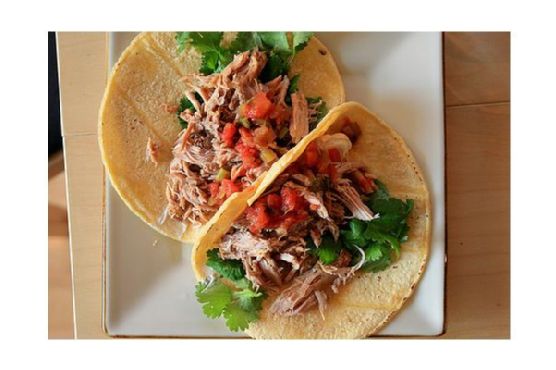
  • Zesty Citrus-Herb Pork Carnitas Tacos with Pineapple Salsa | Made by Meaghan Moineau

    Zesty Citrus-Herb Pork Carnitas Tacos with Pineapple Salsa | Made by Meaghan Moineau

    Zesty Citrus-Herb Pork Carnitas Tacos with Pineapple Salsa

    Imagine this: the sound of pork gently sizzling in a cast-iron pan, the aroma of rosemary wafting through the kitchen, and a splash of lime that transforms the ordinary into something extraordinary. This isn’t just any taco night; it’s an experience, a celebration of flavors with my Zesty Citrus-Herb Pork Carnitas Tacos with Pineapple Salsa.

    My love affair with carnitas began on a balmy summer night at a bustling food market in Oaxaca. The air was thick with the scent of spices, and I found myself drawn to a tiny stall nestled between colorful piñatas and fresh produce. The vendor, with twinkling eyes and a knowing smile, handed me a taco that was unlike any I’d ever tasted. It was the perfect balance of savory, zesty, and sweet. That evening, I vowed to bring that magic back home.

    Back in my kitchen, I was determined to recreate that unforgettable taste. I bought every cut of pork imaginable, tried every combination of spices, and even enlisted my friends as taste testers. It was a labor of love, filled with mishaps like the time I accidentally added too much salt and had to start over (I learned the hard way to taste as I go!). But through trial and error, I discovered my secret weapon: a hint of rosemary that adds an aromatic depth, and a pineapple salsa that gives a bright, tropical flair.

    Every time I serve these Zesty Citrus-Herb Pork Carnitas Tacos with Pineapple Salsa, I’m transported back to that enchanting night in Oaxaca. The laughter, the music, the vibrant flavors — all alive in every bite. It’s not just a meal; it’s a memory, a piece of my heart shared with you.

    What Makes This Version Special

    What sets this recipe apart from traditional carnitas is the surprising twist of pineapple salsa and rosemary infusion. By warming olive oil with fresh rosemary before browning the pork, the meat takes on an aromatic quality that’s both unexpected and delightful. Meanwhile, the pineapple salsa introduces a refreshing sweetness that balances the savory richness of the pork. Plus, adding a splash of lime juice and zest during the final browning stage elevates the flavors with a zesty brightness. This isn’t just a dish; it’s a flavor journey that transforms classic carnitas into something exceptionally vibrant and fresh.

    Flavor Profile

    Prepare to be wowed by the taste experience these tacos offer. Picture the juicy, tender pork, slightly crispy on the edges, infused with the fragrant essence of rosemary. The natural sweetness of pineapple salsa dances on your tongue, countering the savory depth of the carnitas. Add to that the zesty kick from lime juice and zest, and you’ve got a dynamic, multi-layered flavor profile that’s both invigorating and comforting. It’s a harmonious blend of zesty, savory, and sweet, with a delicate herbal note that lingers beautifully.

    Ingredients

    • 2 lbs lean pork butt, cut into large chunks
    • 4 cloves garlic, crushed
    • 1 tablespoon sea salt
    • 1 teaspoon ground pepper
    • **3 tablespoons olive oil**
    • **1 tablespoon fresh rosemary, finely chopped**
    • 1/2 cup orange juice
    • 1/4 cup milk
    • **1 lime, juiced and zested**
    • 12 corn tortillas
    • 1 cup **fresh pineapple, diced**
    • 1 small jalapeño, minced
    • 1/2 cup salsa fresca
    • 1 avocado, sliced
    • 1/4 cup cilantro, chopped
    • 1 small onion, chopped
    • 2 additional limes, sliced for serving

    Instructions

    1. In a large Dutch oven, combine the pork, garlic, sea salt, ground pepper, and enough water to cover the pork. Bring to a boil over medium-high heat, then reduce the heat, cover, and simmer over medium-low for 45 minutes to one hour, until the pork is tender and easy to shred.
    2. Drain the pork well and allow it to cool slightly. Once cool enough to handle, shred the meat using your hands or the tines of a fork. Remove and discard any remaining fat.
    3. Return the shredded pork to the Dutch oven. In a small pan, gently warm the olive oil with the rosemary for 2-3 minutes to infuse the flavors. Add the infused olive oil to the pot with the pork.
    4. Add the orange juice and milk to the pork, cooking over medium heat until the liquid has evaporated and the pork begins to brown, about 15 minutes. Stir occasionally to achieve an even golden-brown crispiness.
    5. During the final browning stage, add the lime juice and zest to the pork for a bright, citrusy finish. Season with additional salt and pepper to taste.
    6. While the pork is browning, prepare the pineapple salsa by combining the diced pineapple, minced jalapeño, and salsa fresca in a bowl. Set aside.
    7. Chop the onions and cilantro, and slice the avocado and limes. Place each in small individual bowls for serving.
    8. Heat the corn tortillas in a dry frying pan over medium heat until warm and pliable. Keep them warm by wrapping in a clean kitchen towel.
    9. To assemble the tacos, stack two tortillas, layer with warm carnitas, a spoonful of pineapple salsa, chopped cilantro, onion, and avocado slices. Finish with a squeeze of lime juice for an extra burst of flavor.

    Pro Tips from Meaghan’s Kitchen

    • Infuse the Oil: Infusing the olive oil with rosemary is key. Do it gently over low heat to avoid burning and maximize flavor transfer.
    • Crispy Edges: For those irresistible crispy edges, ensure the pork is in a single layer in the pan, allowing maximum contact with the heat.
    • Balance the Heat: If the jalapeño is too spicy for your taste, remove the seeds and veins to tone down the heat.
    • Tortilla Warmth: Warming the tortillas in a dry pan keeps them pliable and enhances their flavor, making the taco experience more enjoyable.
    • Juicy Pineapple Salsa: Let the pineapple salsa sit for a few minutes before serving to allow the flavors to meld beautifully.

    Variations & Dietary Swaps

    • Vegetarian Swap: Substitute the pork with jackfruit for a vegetarian-friendly version that still delivers that pulled texture.
    • Spice-It-Up Version: Add chipotle powder to the pork for a smoky, spicier kick that complements the pineapple salsa.
    • Kids-Friendly Version: Use sweet bell peppers instead of jalapeños in the salsa for a milder, kid-approved flavor.

    What to Serve With It

    Pair these vibrant Zesty Citrus-Herb Pork Carnitas Tacos with a chilled glass of hibiscus iced tea, which perfectly complements the tacos’ tropical flair. Alternatively, a light Mexican lager offers a refreshing balance to the zesty and savory notes of the carnitas, making it an ideal companion for this festive dish.

    Storage & Meal Prep

    Leftover carnitas can be stored in an airtight container in the fridge for up to 3 days. For longer storage, freeze the shredded pork in portions, ensuring they’re tightly sealed to prevent freezer burn, for up to 3 months. To reheat, thaw overnight in the fridge, then warm in a skillet over medium heat until hot and crispy. Pineapple salsa is best fresh but can be refrigerated for up to a day.

    FAQ

    Can I make this recipe in advance?

    Absolutely! You can prepare the carnitas a day ahead, allowing the flavors to develop further. Simply reheat in a skillet before serving to regain crispiness.

    Is there a substitute for milk in this recipe?

    Yes, you can use a non-dairy alternative like almond or coconut milk. Just be mindful of the flavor it might add to the dish.

    How can I adjust the spice level?

    To adjust the heat, simply modify the amount of jalapeño in the salsa. Removing the seeds and veins will also reduce the spiciness.

    What if I don’t have fresh pineapple?

    Canned pineapple can be used as a substitute. Just make sure to drain it well to avoid adding excess moisture to the salsa.

    Final Thoughts

    I hope these Zesty Citrus-Herb Pork Carnitas Tacos with Pineapple Salsa bring a bit of my kitchen to yours. They’re more than just a meal; they’re a celebration of flavors and memories. I’d love to hear how they turn out in your own kitchen. Feel free to leave a comment or share your experience on social media. Let’s keep the conversation going — after all, cooking is always better together!

    Related update: Zesty Citrus-Herb Pork Carnitas Tacos with Pineapple Salsa

    Related update: Spicy Stir-Fried Cabbage and Tomatoes with Ginger-Lime Zest

  • Zesty Lime-Infused Strawberry Yogurt Cake with Basil Glaze | Made by Meaghan Moineau

    Zesty Lime-Infused Strawberry Yogurt Cake with Basil Glaze | Made by Meaghan Moineau

    Zesty Lime-Infused Strawberry Yogurt Cake with Basil Glaze

    Picture this: The gentle hum of your oven warming the kitchen, the air thick with the scent of fresh strawberries and citrus, and a golden-brown Bundt cake cooling on the counter. This is the kind of moment that makes you slow down, savor the process, and anticipate that first bite. Welcome to the world of Zesty Lime-Infused Strawberry Yogurt Cake with Basil Glaze.

    Personal Story

    Every spring, as the first strawberries start appearing in the market, I’m reminded of my childhood summers spent at my grandmother’s house. Her garden was a small slice of heaven, bustling with the colors and scents of the season. Strawberries were always the crown jewels of her garden, and she would let me pick them fresh each morning, the dew still clinging to their vibrant red skins.

    My love for strawberries naturally found its way into my baking adventures. One memorable afternoon, I set out to recreate a simple strawberry cake recipe from my grandmother’s old cookbook. To my dismay, I realized I had run out of lemons. Panicking, I reached for limes instead and decided to add a bit of zest to the sugar. The outcome was unexpected but delightful, a revelation that led to the creation of this Zesty Lime-Infused Strawberry Yogurt Cake.

    Years later, I was inspired by a local chef who infused a dessert glaze with fresh herbs. That’s when it clicked: why not add a fragrant basil glaze to my lime-infused cake? It turned out to be the perfect twist — the basil’s subtle pepperiness played beautifully with the sweet strawberries and citrusy lime.

    Now, whenever I bake this cake, it feels like a gathering of old friends: the familiar sweetness of strawberries, the zing of lime, and the aromatic hug of basil. It’s a recipe that bridges my past with new culinary explorations, and I hope it becomes a staple in your kitchen too.

    What Makes This Version Special

    This isn’t just any strawberry cake. Our version adds a refreshing lime zest and a fragrant basil-infused glaze, creating a unique herbal twist that complements the sweet strawberries. The addition of Greek yogurt ensures a tender crumb, while the blooming of lime zest in sugar releases a vibrant citrus aroma that permeates the entire cake. The basil glaze is a subtle, yet sophisticated touch that elevates the cake from ordinary to extraordinary, offering a gentle herbal note that sets it apart from more traditional versions.

    Flavor Profile

    Each bite of this Zesty Lime-Infused Strawberry Yogurt Cake is a journey. Refreshing and herbaceous, the experience begins with a burst of lime and sweet ripe strawberries, followed by a vibrant citrus zing. The basil glaze adds a gentle, aromatic finish, marrying the flavors with a sweet, fruity conclusion. It’s a cake that dances on your palate, promising a delightful taste from start to finish.

    Ingredients

    • 2 cups all-purpose flour, plus an extra 1/4 cup for the strawberries
    • 1 teaspoon baking soda
    • 1/2 teaspoon salt
    • Zest of 1 lime (bloom in sugar)
    • 1 cup unsalted butter, softened (infused with basil)
    • 1 1/2 cups sugar
    • 3 large eggs
    • 1 tablespoon lime juice
    • 1 cup plain Greek yogurt
    • 2 cups diced fresh strawberries
    • 1 cup powdered sugar
    • 10 fresh basil leaves

    Instructions

    1. Preheat your oven to 325°F (160°C). Grease and flour a 10-inch Bundt pan to ensure the cake releases easily after baking.
    2. In a medium bowl, sift together 2 cups of flour, baking soda, and salt. Set aside.
    3. Bloom the lime zest by rubbing it into the sugar with your fingertips until the sugar becomes fragrant and lightly colored.
    4. In a small saucepan, melt the butter over low heat. Add the fresh basil leaves and let them infuse for about 10 minutes. Remove the leaves before using the butter.
    5. In a large mixing bowl, use an electric mixer to cream together the infused butter and sugar mixture until light and fluffy, about 3-4 minutes.
    6. Beat in the eggs one at a time, ensuring each is fully incorporated before adding the next. Stir in 1 tablespoon of lime juice.
    7. Alternate adding the flour mixture and Greek yogurt to the batter, starting and ending with the flour, mixing just until everything is incorporated.
    8. Toss the diced strawberries in the remaining 1/4 cup of flour. This helps prevent them from sinking to the bottom of the cake. Gently fold the strawberries into the batter.
    9. Pour the batter into the prepared Bundt pan, smoothing the top with a spatula.
    10. Bake in the preheated oven for about 60 minutes, or until a toothpick inserted into the center of the cake comes out clean.
    11. Allow the cake to cool in the pan for 10 minutes before turning it out onto a wire rack to cool completely.
    12. For the glaze, whisk together the powdered sugar and 2 tablespoons of lime juice until smooth. Drizzle over the cooled cake and let it set before serving.

    Pro Tips from Meaghan’s Kitchen

    • For the most flavor, make sure to rub the lime zest into the sugar before creaming it with the butter. This releases the zest’s natural oils.
    • Take your time infusing the butter with basil. Low and slow is the key to drawing out the basil’s aromatic qualities without burning the butter.
    • Ensure your strawberries are dry after washing; excess water can alter the cake’s texture.
    • Test for doneness by inserting a toothpick into the thickest part of the cake. A clean toothpick means it’s ready.
    • For best results, use fresh basil leaves rather than dried ones for the glaze. The fresh leaves impart a more vibrant flavor.

    Variations & Dietary Swaps

    • Vegetarian Swap: The recipe is already vegetarian-friendly, but for a vegan version, consider using a plant-based yogurt and flax eggs.
    • Spice-It-Up Version: Add a pinch of ground ginger or cardamom to the batter for a spiced twist.
    • Kids-Friendly Version: Omit the basil glaze and top with a simple vanilla glaze or a dusting of powdered sugar instead.

    What to Serve With It

    This Zesty Lime-Infused Strawberry Yogurt Cake pairs beautifully with a chilled glass of sparkling elderflower lemonade for a refreshing contrast. If you’re serving it as a dessert after dinner, consider a dollop of lightly whipped cream or a scoop of vanilla ice cream for an extra touch of indulgence.

    Storage & Meal Prep

    To store leftovers, wrap the cake tightly in plastic wrap or aluminum foil and keep it in the refrigerator for up to 5 days. For longer storage, you can freeze the cake for up to 3 months. To freeze, wrap the cooled cake in plastic wrap, then in foil, and place it in a resealable freezer bag. To reheat, let the cake thaw in the refrigerator overnight and bring it to room temperature before serving. If you prefer it warm, heat individual slices in the microwave for 15-20 seconds.

    FAQ

    Can I use frozen strawberries instead of fresh?

    Yes, you can use frozen strawberries, but be sure to thaw and drain them well to prevent excess moisture from affecting the cake’s texture.

    Can I substitute the Greek yogurt with regular yogurt?

    Absolutely! Regular yogurt works just fine, but Greek yogurt gives the cake a slightly richer texture due to its thickness.

    What if I don’t have a Bundt pan?

    No worries! You can use a 9×13 inch baking pan instead. Just keep an eye on the baking time, as it may vary slightly.

    How can I make the glaze thicker?

    If you prefer a thicker glaze, reduce the lime juice or add more powdered sugar until you reach your desired consistency.

    Is there a way to make this cake gluten-free?

    Yes, you can use a 1:1 gluten-free flour blend. Just make sure it’s suitable for baking for the best results.

    Final Thoughts

    Baking this Zesty Lime-Infused Strawberry Yogurt Cake with Basil Glaze is more than just a culinary endeavor — it’s a celebration of flavors and memories brought to life in your kitchen. I hope this cake brings as much joy and deliciousness to your table as it has to mine. If you give this recipe a try, I’d love to hear how it turned out for you! Feel free to drop a comment below or share your creations on social media. Happy baking, my dear friends!

    Related update: Zesty Lime-Infused Strawberry Yogurt Cake with Basil Glaze

    Related update: Zesty Lemon Poppy Seed Lava Cakes with Spiced Chocolate Ganache

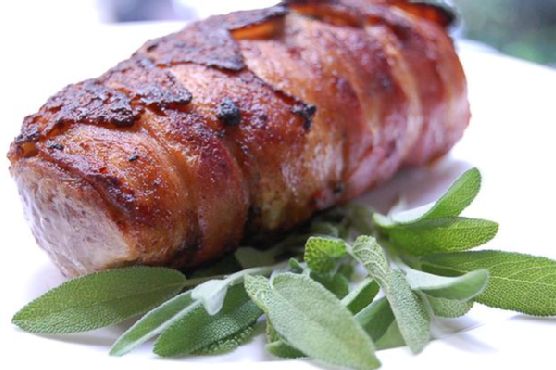
  • Maple-Glazed Bacon Wrapped Pork Tenderloin with Smoked Paprika | Made by Meaghan Moineau

    Maple-Glazed Bacon Wrapped Pork Tenderloin with Smoked Paprika | Made by Meaghan Moineau

    Maple-Glazed Bacon Wrapped Pork Tenderloin with Smoked Paprika

    Imagine the sizzle of bacon meeting the gentle caramelization of maple syrup, enveloping a perfectly seasoned pork tenderloin. This culinary delight tantalizes the senses with its sweet, smoky, and savory symphony, making it an irresistible centerpiece for any meal.

    Personal Story

    Every family has that one dish that always steals the show during gatherings. For mine, it’s always been the classic pork tenderloin. I remember the first time I tried to cook it solo; I was determined to elevate the dish beyond my grandmother’s simple yet delicious recipe. I wanted something that would leave everyone talking, something unforgettable. That’s when I stumbled upon the idea of wrapping it in bacon. But, not just any bacon-wrapped tenderloin — it needed a twist.

    One autumn afternoon, while watching the leaves cascade from the trees in a flurry of reds and golds, inspiration struck. The answer was in the sweet, smoky allure of maple syrup; it was the missing puzzle piece that would elevate the dish from ordinary to extraordinary. Combining it with a hint of smoky paprika and the earthiness of fresh sage seemed like a symphonic blend of flavors destined to come together.

    However, my first attempt was a kitchen disaster. I forgot to preheat the oven and ended up with a chewy mess instead of a tender masterpiece. But with every misstep, I learned. I perfected the maple glaze, discovered the right bacon crispness, and honed my timing to a science. And every time I prepare this dish now, it’s a beautiful reminder of those early culinary adventures.

    Today, the Maple-Glazed Bacon Wrapped Pork Tenderloin with Smoked Paprika has become a signature favorite at our gatherings, always leaving family and friends asking for more. The journey from kitchen mishap to mouthwatering success is a testament to the power of creativity and persistence in the kitchen.

    What Makes This Version Special

    The beauty of this Maple-Glazed Bacon Wrapped Pork Tenderloin with Smoked Paprika lies in its complex layering of flavors. The sweet and smoky maple glaze adds depth to the dish, while the hint of smoked paprika enhances the savory punch from the bacon wrap. This version of the classic pork tenderloin transcends the mundane by infusing a rich tapestry of flavors that awaken the palate. Unlike the standard bacon-wrapped tenderloin, this recipe transforms it into a gourmet experience with its sophisticated glaze and aromatic accompaniments.

    Flavor Profile

    Imagine biting into a succulent piece of pork tenderloin, perfectly cooked and enveloped in crispy bacon. The first taste is a delightful mix of sweetness and smokiness, with the maple syrup providing a caramelized glaze that dances on the taste buds. The smoked paprika adds an earthy depth, while the fresh sage leaves impart a subtle herbaceous note. Together, these flavors create a harmonious balance that’s both comforting and exciting, a true testament to culinary craftsmanship.

    Ingredients

    • Pork tenderloin – 2 pieces
    • **Bacon** – enough slices to wrap tenderloins
    • Black pepper – to taste
    • Coarse salt – to taste
    • **Fresh sage** – about 9-10 leaves
    • Garlic powder – a pinch
    • **2 tablespoons maple syrup**
    • **1 teaspoon smoked paprika**
    • **1 teaspoon Dijon mustard**

    Instructions

    1. Preheat your oven to 425°F (220°C). This step is crucial for achieving that perfect golden-brown crust on your tenderloin.
    2. Remove about an inch off the tapered end of each tenderloin to make a perfect cylinder. This ensures even cooking throughout.
    3. Season the tenderloins generously with coarse salt, black pepper, and a pinch of garlic powder. This foundational seasoning sets the stage for the bold flavors to come.
    4. In a small bowl, mix the maple syrup and Dijon mustard until well combined. Brush this glaze over the surface of the tenderloins, ensuring every nook and cranny is covered.
    5. On a sheet of cling wrap, lay out the bacon strips in an overlapping line. This will form the crispy exterior of your dish.
    6. Sprinkle the smoked paprika over the bacon, embedding a deep smoky flavor into the wrap.
    7. Place the sage leaves all over the bacon, about 9-10 leaves in total, to add a fragrant earthy note.
    8. Position one piece of tenderloin across the short ends of the bacon and roll to cover it completely with the bacon. Repeat for the other tenderloin segment.
    9. Transfer the bacon-wrapped tenderloins to a non-stick pan and sear on all sides over medium-high heat. This step is key to achieving a crispy, golden-brown exterior.
    10. Once seared, transfer the pan to the preheated oven. Cook for 8-10 minutes, turning the pieces after 5 minutes to ensure even cooking. You’re aiming for an internal temperature of 145°F (63°C).
    11. Remove from the oven and let it rest for at least 5 minutes before slicing. This allows the juices to redistribute, ensuring every bite is juicy and flavorful.

    Pro Tips from Meaghan’s Kitchen

    • When brushing the glaze, let it sit for a few minutes to slightly absorb into the meat before wrapping it with bacon.
    • Use a meat thermometer to ensure the tenderloin reaches the perfect internal temperature without overcooking.
    • For a beautiful presentation, slice the tenderloin into 1-inch medallions and serve fanned out on a platter.
    • If you prefer a spicier kick, add a sprinkling of crushed red pepper flakes to the glaze mixture.
    • Wrapping the tenderloins tightly in bacon helps maintain their shape and ensures an even cook.

    Variations & Dietary Swaps

    • Vegetarian Swap: Replace the pork with a thick, firm tofu. Follow the same steps for seasoning and wrapping with vegetarian bacon.
    • Spice-It-Up Version: Add a tablespoon of sriracha or hot sauce to the maple-Dijon glaze for an extra spicy kick.
    • Kids-Friendly Version: Use a honey glaze instead of maple syrup for a sweeter, milder flavor that kids will love.

    What to Serve With It

    This Maple-Glazed Bacon Wrapped Pork Tenderloin pairs beautifully with a glass of medium-bodied Pinot Noir, its acidity balancing the dish’s richness. For sides, roasted Brussels sprouts with a touch of balsamic vinegar or a creamy garlic mashed potato will complement the savory-sweet profile perfectly.

    Storage & Meal Prep

    If you find yourself with leftovers (a rare occurrence with this dish), store them in an airtight container in the fridge for up to three days. To reheat, place in a preheated oven at 350°F (175°C) for about 15 minutes, or until warmed through. This dish also freezes well; wrap the cooked tenderloin in aluminum foil and store it in a freezer-safe bag for up to 2 months. Thaw overnight in the fridge before reheating.

    FAQ

    Can I use turkey bacon instead of regular bacon?

    Absolutely! Turkey bacon will work just as well, though it may not crisp up quite the same way. Keep an eye on it during the searing process.

    What if I don’t have smoked paprika?

    If smoked paprika is unavailable, you can use regular paprika and add a dash of liquid smoke to the glaze for a similar effect.

    How do I know when the pork tenderloin is done?

    The best way to ensure doneness is by using a meat thermometer. The internal temperature should reach 145°F (63°C) for perfectly cooked pork.

    Can I prepare this dish ahead of time?

    Yes, you can prepare the tenderloin up to the searing step and refrigerate it overnight. Allow it to come to room temperature before continuing with the oven cooking process.

    What other herbs can I use instead of sage?

    Rosemary or thyme can be excellent substitutes if sage is not to your liking. They will provide a different but equally aromatic flavor profile.

    Final Thoughts

    Cooking is an adventure, and this Maple-Glazed Bacon Wrapped Pork Tenderloin with Smoked Paprika is a testament to how a little creativity can transform a classic into a show-stopping masterpiece. I’d love to hear how your dish turned out, so feel free to leave a comment or share your own twists on the recipe. Until next time, happy cooking from my kitchen to yours!

    Related update: Maple-Glazed Bacon Wrapped Pork Tenderloin with Smoked Paprika

    Related update: Zesty Citrus-Herb Pork Carnitas Tacos with Pineapple Salsa

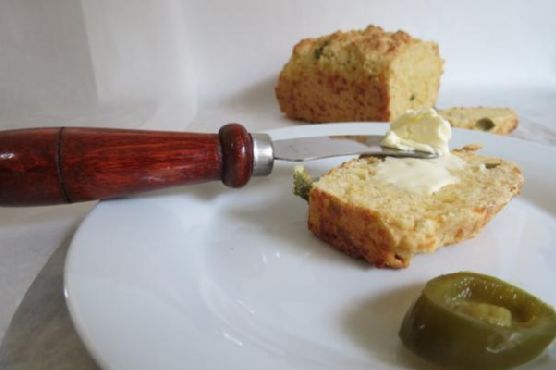
  • Smoky Jalapeno Cheddar Cornbread with Honey Butter | Made by Meaghan Moineau

    Smoky Jalapeno Cheddar Cornbread with Honey Butter | Made by Meaghan Moineau

    Smoky Jalapeno Cheddar Cornbread with Honey Butter

    Imagine the aroma of freshly baked cornbread wafting through your kitchen, the air punctuated with the smoky warmth of paprika and the gentle sweetness of roasted corn. This is the kind of bread that demands to be shared, torn apart with friends over a boisterous dinner, or savored quietly with a good book and a cup of tea.

    There’s something magical about the combination of spicy jalapenos and creamy cheddar cheese, a dance of flavors that both excites and comforts in every bite. This is no ordinary cornbread; it’s a symphony of tastes and textures, enhanced by a luscious drizzle of honey butter that melts into every nook and cranny.

    Personal Story

    I remember the first time I discovered the joy of homemade cornbread. It was a chilly autumn day, the kind where the leaves rustle like whispers and the sky hangs heavy with the promise of rain. I was in my grandmother’s cozy kitchen, her worn recipe book open on the counter, pages yellowed with age and splattered with batter from years of use. She was a woman who cooked with her heart, her hands moving deftly as she mixed ingredients with a grace that only comes from years of practice.

    As a young girl, I watched in awe as she effortlessly turned simple, everyday ingredients into something extraordinary. On that particular day, it was cornbread—warm, golden, and enticingly fragrant. I was hooked after the first bite, the cornbread’s buttery crumb melting on my tongue, leaving a playful hint of sweetness.

    Fast forward a few years, and I found myself craving that same comforting flavor but with my personal twist. I wanted more depth, more complexity, and perhaps a bit of heat. That’s when I stumbled upon the idea of adding smoked paprika and roasted corn to the mix. It was an epiphany—a revelation that transformed a beloved classic into something new and exciting.

    This Smoky Jalapeno Cheddar Cornbread with Honey Butter became a staple in my home, a dish that brings together family and friends, evoking memories of warmth, laughter, and timeless tradition. And today, I’m thrilled to share this special recipe with you, hoping it brings the same joy to your table as it does to mine.

    What Makes This Version Special

    This isn’t your run-of-the-mill cornbread. Adding smoked paprika creates a smoky depth that tantalizes the taste buds, while the roasted corn kernels introduce a subtle sweetness and delightful texture. The diced pickled jalapenos provide a gentle kick, making each bite as exciting as the last. Finally, a drizzle of homemade honey butter elevates this dish to pure bliss, adding a touch of luxurious sweetness that balances the heat and smoke.

    Flavor Profile

    With each bite of this Smoky Jalapeno Cheddar Cornbread with Honey Butter, you’ll experience a complex flavor symphony. The initial bite is smoky and cheesy, thanks to the smoked paprika and cheddar. The warmth of the jalapenos follows, providing a subtle kick that awakens the senses. As you chew, the sweetness of the roasted corn and honey butter emerges, creating a perfect harmony that keeps you reaching for more. It’s a dish that dances on your palate, leaving you both satisfied and yearning for the next bite.

    Ingredients

    • 1 cup unbleached all-purpose flour
    • 1 cup whole-wheat flour
    • 1 tablespoon baking powder
    • 1 teaspoon salt
    • 1/4 cup light olive oil
    • 1 large egg
    • 1 cup non-fat milk
    • 1 cup light cheddar cheese, shredded
    • 1/2 cup diced pickled jalapenos
    • 1 teaspoon smoked paprika
    • 1 cup roasted corn kernels
    • 2 tablespoons honey
    • 1/4 cup unsalted butter

    Instructions

    1. Preheat your oven to 350°F (175°C). Lightly grease a 9x5x3-inch loaf pan or two mini muffin pans with cooking spray.
    2. In a small saucepan over low heat, warm the olive oil slightly, then add the smoked paprika. Bloom it gently for about 2 minutes to enhance its smoky flavor. Set aside to cool.
    3. In a medium bowl, whisk together the all-purpose flour, whole-wheat flour, baking powder, and salt.
    4. In a separate bowl, whisk the egg and milk until well combined. Stir in the cooled olive oil mixture.
    5. Pour the wet ingredients into the dry, stirring gently until just combined. Avoid over-mixing to keep the bread tender.
    6. Fold in the light cheddar cheese, roasted corn kernels, and diced pickled jalapenos, ensuring they are evenly distributed throughout the batter.
    7. Pour the batter into the prepared pan(s), smoothing the top with a spatula.
    8. Bake for 30 to 45 minutes, or until the top is golden-brown and a toothpick inserted into the center comes out clean.
    9. Let the cornbread cool in the pan for 5 minutes. Run a knife around the edges to loosen, then transfer to a wire rack to cool for at least 30 minutes before slicing.
    10. While the cornbread cools, make the honey butter by combining the honey and unsalted butter in a small bowl, stirring until smooth.
    11. Serve the cornbread warm, with a generous drizzle of honey butter over each slice. Enjoy!

    Pro Tips from Meaghan’s Kitchen

    • For an extra kick, substitute half of the light cheddar with pepper jack cheese.
    • If your jalapenos are particularly spicy, rinse them briefly under cold water to tone down the heat without losing flavor.
    • Use fresh corn kernels roasted in the oven or on a skillet for the best flavor and texture.
    • Letting the batter rest for 10 minutes before baking helps develop the flavors and results in a more tender crumb.
    • For a crispier crust, sprinkle a little coarse sea salt on top of the batter before baking.

    Variations & Dietary Swaps

    • Vegetarian Swap: Substitute the cheese with a plant-based alternative and use almond milk instead of non-fat milk for a delicious vegetarian version.
    • Spice-It-Up Version: Add a pinch of cayenne pepper to the batter for those who love extra heat.
    • Kids-Friendly Version: Skip the jalapenos and add a hint of vanilla extract for a sweeter, more kid-friendly cornbread.

    What to Serve With It

    This Smoky Jalapeno Cheddar Cornbread pairs beautifully with a chilled glass of sweet iced tea, offering a refreshing contrast to the bread’s earthy flavors. For a side, consider serving a creamy avocado salad, which complements the cornbread’s rich texture with its smooth, buttery goodness. Alternatively, enjoy it with a hearty bowl of chili for a cozy, satisfying meal.

    Storage & Meal Prep

    To store, wrap the cooled cornbread tightly in plastic wrap or aluminum foil. It will keep at room temperature for up to 2 days or in the refrigerator for up to a week. For longer storage, slice the cornbread and place it in a freezer-safe bag. It can be frozen for up to 3 months. To reheat, thaw overnight in the fridge if frozen, then warm in a 350°F oven for 10-15 minutes or until heated through. For a quick snack, microwave individual slices for 20-30 seconds.

    FAQ

    Can I use canned corn instead of roasted corn kernels?

    Yes, you can use canned corn, but make sure to drain and pat it dry before adding to the batter to avoid extra moisture. Roasting it briefly in a skillet can enhance its sweetness and flavor.

    What if I don’t have smoked paprika?

    If you’re out of smoked paprika, you can substitute regular paprika and add a dash of liquid smoke for a similar effect.

    How do I make the cornbread less spicy?

    To reduce the heat, use fewer jalapenos or opt for a milder pepper like Anaheim. You can also rinse the jalapenos under cold water to remove some of the heat.

    Can I make this cornbread gluten-free?

    Yes, simply substitute the all-purpose and whole-wheat flours with a gluten-free flour blend that includes xanthan gum for structure.

    What’s the best way to reheat leftover cornbread?

    For the best texture, reheat leftover cornbread in a 350°F oven until warm. Microwaving can make it soggy, but if you’re in a hurry, a quick 20-30 seconds on a low power setting can work.

    Final Thoughts

    I hope this Smoky Jalapeno Cheddar Cornbread with Honey Butter becomes as cherished in your home as it is in mine. It’s a dish that’s both nostalgic and novel, perfect for sharing with those you love. I’d love to hear how it turns out for you, so feel free to leave a comment, share your own twists, or simply enjoy this recipe with a smile. Happy cooking, dear friends!

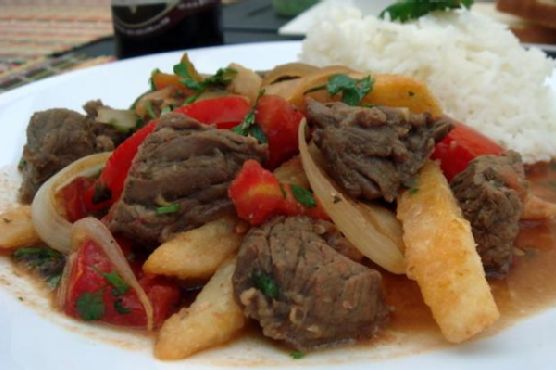
  • Peruvian Lomo Saltado with Crispy Quinoa Crust and Citrus Avocado Salsa | Made by Meaghan Moineau

    Peruvian Lomo Saltado with Crispy Quinoa Crust and Citrus Avocado Salsa | Made by Meaghan Moineau

    Peruvian Lomo Saltado with Crispy Quinoa Crust and Citrus Avocado Salsa

    Imagine stepping into a bustling kitchen where vibrant aromas of sizzling beef and sautéed vegetables mingle with a hint of citrus. The air practically crackles with excitement as this new twist on a classic Peruvian dish, Lomo Saltado, takes center stage. Are you ready to experience a culinary journey enhanced by a crispy quinoa crust and brightened by a refreshing citrus avocado salsa?

    Personal Story

    When I first encountered Lomo Saltado, it was love at first bite. I still remember the lively family gathering at my best friend’s house, where her grandmother served this Peruvian classic. The savory beef, the tender vegetables, and those irresistible golden fries all served over a bed of fluffy rice – it was comfort on a plate. But what truly captivated me was the way each bite felt like a celebration of flavors dancing together.

    Fast forward a few years, and I’m in my own kitchen, a place where I’ve had my share of triumphs and, let’s be honest, some mishaps too. One such mishap came when I attempted to recreate Lomo Saltado for a dinner party. In my haste, I mistimed the fries, leaving them soggy and disappointing. I realized then that this dish, though seemingly simple, demanded respect and a touch of innovation to truly shine.

    Determined to elevate this beloved dish, I experimented with different techniques and ingredients. Inspiration struck during a trip to the local farmer’s market, where I stumbled upon vibrant avocados and fresh mint. The idea of adding a citrus avocado salsa was born, providing a refreshing counterpoint to the savory beef. Then, as I was preparing quinoa for another meal, it hit me – what if I could add a crispy quinoa crust to the beef? That extra texture was the missing piece of the puzzle.

    After a few tweaks and taste tests, my enhanced Lomo Saltado was ready for prime time. It was a hit, and I knew I had found a way to honor the traditional dish while making it uniquely mine. Now, I’m thrilled to share this recipe with you, inviting you to savor every bite and perhaps make it a cherished part of your own culinary repertoire.

    What Makes This Version Special

    This version of Lomo Saltado stands out with its crispy quinoa crust on the beef, adding an unexpected crunch that takes the texture to a new level. Quinoa, a staple grain in Peruvian cuisine, brings not just texture but also a nutty flavor that complements the savory beef. Paired with the citrus avocado salsa, which adds a refreshing burst of flavor, this dish is a true sensory delight. The salsa’s tangy lime and orange juices, combined with creamy avocado and fresh mint, brighten the entire plate, making each bite a journey of layered tastes.

    Flavor Profile

    Picture this: savory, juicy beef coated in a crispy quinoa and panko breadcrumb crust, sautéed to golden-brown perfection. The cumin and complete seasoning impart a warm, earthy note, while the soy sauce and red wine vinegar add an umami depth. The sautéed onions, bell peppers, and garlic bring a sweet and aromatic base, with a hint of heat from jalapeño. The citrus avocado salsa, with its tangy and fresh profile, balances the richness of the beef, leaving a lingering lightness on your palate. It’s a symphony of flavors that elevates each component into something truly special.

    Ingredients

    • 1 lb beef tenderloin, cut into chunks
    • **1/2 cup cooked quinoa**
    • **1/2 cup panko breadcrumbs**
    • 1 teaspoon cumin
    • 1 teaspoon complete seasoning
    • 1 green bell pepper, sliced
    • 1 red bell pepper, sliced
    • 1 yellow onion, sliced
    • 2 garlic cloves, minced
    • 1 jalapeño pepper, minced
    • 2 tablespoons red wine vinegar
    • 3 tablespoons soy sauce
    • 2 plum tomatoes, cut into wedges
    • 1 lb frozen french fries, prepared according to package instructions
    • 1 avocado, diced
    • **Juice of 1 lime**
    • **Juice of 1 orange**
    • **2 tablespoons freshly chopped mint**
    • **1 tablespoon olive oil**
    • **Sea salt to taste**
    • Cilantro, for garnish

    Instructions

    1. Prepare the frozen french fries according to the package directions. Set aside and keep warm.
    2. In a large bowl, combine the cooked quinoa and panko breadcrumbs. Coat the beef chunks in this mixture, pressing gently to ensure the crumbs adhere.
    3. Heat a large wok or skillet over medium-high heat. Add a tablespoon of olive oil, then sauté the onions and bell peppers until translucent, about 10 minutes.
    4. Add the garlic and jalapeño to the skillet, cooking for an additional minute until aromatic.
    5. Push the vegetables to the side of the skillet and add the crusted beef chunks. Cook until the beef is no longer pink and the crust is golden-brown, about 5 to 7 minutes.
    6. Stir in the cumin, complete seasoning, soy sauce, and red wine vinegar. Mix everything well and let it simmer for a minute.
    7. Add the tomato wedges, cover the skillet, and cook for an additional 5 minutes, allowing the tomatoes to soften and meld with the other ingredients.
    8. In a separate bowl, prepare the citrus avocado salsa by combining the diced avocado, lime juice, orange juice, chopped mint, and a pinch of sea salt. Mix gently.
    9. When ready to serve, add the prepared french fries to the skillet, tossing everything gently to combine.
    10. Serve the Lomo Saltado over a bed of white rice, garnished with freshly chopped cilantro and a generous helping of citrus avocado salsa on top. Enjoy with a side of aji sauce for extra heat, if desired.

    Pro Tips from Meaghan’s Kitchen

    • Ensure your quinoa is well-cooked and dry before mixing with the panko breadcrumbs for the crispiest crust.
    • For even more flavor, marinate the beef in soy sauce and a splash of lime juice for 30 minutes before coating.
    • Use a cast iron skillet for even heat distribution and to achieve that perfect golden-brown crust on the beef.
    • If your salsa is too tangy, add a pinch of sugar to balance the acidity.
    • Reheat the fries in a hot oven for a quick crisp if they start to soften.

    Variations & Dietary Swaps

    • Vegetarian Swap: Replace the beef with thick slices of portobello mushrooms. They soak up flavor beautifully and have a meaty texture.
    • Spice-It-Up Version: Add a pinch of cayenne pepper to the quinoa coating for an extra kick of heat.
    • Kids-Friendly Version: Offer the salsa as a side to let kids try it at their own pace, or swap it for a milder tomato and cucumber salad.

    What to Serve With It

    This Peruvian Lomo Saltado pairs beautifully with a chilled Pisco Sour, a traditional Peruvian cocktail that enhances the dish’s flavors. If you’re keeping it alcohol-free, a lime-infused sparkling water provides a refreshing balance. For a full meal experience, serve with a simple side salad of mixed greens and a light vinaigrette.

    Storage & Meal Prep

    Store any leftovers in an airtight container in the fridge for up to 3 days. For longer storage, place the beef and vegetables in one container and the salsa in another to maintain freshness. To reheat, warm the beef and vegetables on the stove over medium heat until heated through. The salsa is best enjoyed fresh but can be stored separately for a day.

    FAQ

    Can I prepare the quinoa coating in advance?

    Absolutely! You can make the quinoa and breadcrumb mixture up to a day ahead. Store it in an airtight container at room temperature until you’re ready to use it.

    What if I don’t have red wine vinegar?

    If you’re out of red wine vinegar, apple cider vinegar or balsamic vinegar can be used as substitutes. They will alter the flavor slightly but are both delicious alternatives.

    How can I make this dish gluten-free?

    To make this Lomo Saltado gluten-free, simply replace the panko breadcrumbs with gluten-free breadcrumbs and ensure your soy sauce is labeled gluten-free.

    Can I use fresh fries instead of frozen?

    Yes, fresh fries are a fantastic option! Just be sure to slice them evenly and fry or bake them until crispy before adding them to the dish.

    Final Thoughts

    I hope this unique twist on Peruvian Lomo Saltado with a crispy quinoa crust and citrus avocado salsa brings as much joy to your kitchen as it does to mine. Cooking is about exploration and making each recipe your own, so feel free to adjust flavors and ingredients to suit your taste. I’d love to hear how your Lomo Saltado adventure turns out, so leave a comment below or share your creation on social media. Happy cooking!

    Related update: Peruvian Lomo Saltado with Crispy Quinoa Crust and Citrus Avocado Salsa

    Related update: Maple-Glazed Bacon Wrapped Pork Tenderloin with Smoked Paprika

  • Za’atar-Spiced Simit with Pomegranate Molasses Glaze | Made by Meaghan Moineau

    Za’atar-Spiced Simit with Pomegranate Molasses Glaze | Made by Meaghan Moineau

    Za’atar-Spiced Simit with Pomegranate Molasses Glaze

    Imagine biting into a freshly baked simit, its crispy crust shattering under your teeth to reveal a soft, chewy interior. Now, imagine what happens when you elevate this Turkish classic with the earthy fragrance of za’atar spices and a decadent glaze of sweet-tart pomegranate molasses. It’s a sensory experience that will transport your taste buds straight to the bustling streets of the Middle East.

    Personal Story

    My love for simit began on a chilly morning in Istanbul. The sun hadn’t yet warmed the cobblestones, and the air was thick with the irresistible aroma of freshly baked bread. Street vendors lined the narrow lanes, their carts piled high with golden rings of simit, each one generously coated in sesame seeds. I was instantly captivated.

    It was during this trip that I first tasted the magic of za’atar. A local baker, seeing my curiosity, offered me a piece of warm bread, its surface speckled with the spice blend. The flavors danced on my palate—earthy thyme, nutty sesame, and a hint of sumac’s tang. I knew then that I wanted to bring this unique flavor back to my own kitchen.

    Back home, I began experimenting. I was determined to merge my newfound love of za’atar with the comforting familiarity of simit. It took several attempts and quite a few flour-covered mishaps, but the result was worth every flour-dusted countertop. The addition of pomegranate molasses—something I stumbled upon during a pantry raid—was the final touch. It added a depth and complexity that transformed the humble simit into something extraordinary.

    Now, whenever I bake a batch of these za’atar-spiced simits, I am transported back to that bustling street in Istanbul. Each bite is a reminder of my culinary adventure and the joy of blending traditions to create something truly special.

    What Makes This Version Special

    The secret to my Za’atar-Spiced Simit with Pomegranate Molasses Glaze lies in the harmonious blend of spices and sweet undertones. Infusing the dough with za’atar not only enhances its flavor but also gives it an aromatic complexity that elevates the traditional Turkish bread. Meanwhile, brushing the finished simits with a pomegranate molasses and honey glaze before baking imparts a glossy finish that is as visually stunning as it is delicious.

    This version is a celebration of Middle Eastern flavors, perfect for those looking to step up their bread game. The za’atar spices bloom in olive oil before being incorporated into the dough, ensuring that every bite is infused with their irresistible aroma. The pomegranate molasses glaze adds a layer of sophistication, balancing the earthy spices with a sweet-tart finish.

    Flavor Profile

    Prepare for a taste experience like no other. As you take your first bite, the earthiness of the za’atar hits you, followed by a subtle sweetness and a hint of tang from the pomegranate molasses. The sesame seeds add a nutty crunch, while the olive oil lends a richness that ties it all together. It’s a symphony of flavors, each note complementing the next, resulting in a bread that is both familiar and excitingly new.

    Ingredients

    • 500g all-purpose flour
    • 7g dry yeast
    • 1 tablespoon **pomegranate molasses**
    • 1 tablespoon molasses
    • 4 tablespoons **olive oil**
    • 1 tablespoon salt
    • 100g sesame seeds
    • 300ml lukewarm water
    • 2 tablespoons **za’atar spice blend**
    • 2 tablespoons **honey**

    Instructions

    1. In a small saucepan, heat the olive oil over medium heat. Add the za’atar spice blend and let it bloom for about 2 minutes, until fragrant. Set aside to cool slightly.
    2. In a medium bowl, combine the flour, dry yeast, and salt. Create a well in the center and pour in the bloomed za’atar oil and lukewarm water.
    3. Knead the dough with your hands for 5-10 minutes, until it becomes smooth and elastic. If the dough is too sticky, add a little more flour.
    4. Divide the dough into 16 equal pieces. Cover with a damp cloth to prevent drying.
    5. Take two pieces and roll each into a thin strip about 30-35 cm long. Place them side-by-side, pinch one end, then twist them together and pinch to join the ends, forming a ring.
    6. Place each ring on baking sheets lined with parchment paper. Let them rest in a warm place for 20-30 minutes, until slightly puffed.
    7. Meanwhile, preheat your oven to 200°C (392°F).
    8. In a dry pan over medium heat, toast the sesame seeds, stirring every 4-5 minutes until golden. Set aside.
    9. In a bowl large enough to fit the rings, whisk together the molasses and 100ml boiling water until completely dissolved.
    10. Dip each dough ring into the molasses mixture, drain excess moisture, then coat both sides in the toasted sesame seeds. Place back on the baking sheets.
    11. In a small bowl, mix pomegranate molasses and honey. Brush each simit generously with the glaze.
    12. Bake in the preheated oven for about 17 minutes, or until the simits are golden-brown and have a shiny crust.

    Pro Tips from Meaghan’s Kitchen

    • Use fresh za’atar spices for the best flavor. If possible, source them from a Middle Eastern market.
    • Ensure your water is lukewarm, not hot, to avoid killing the yeast.
    • When twisting the dough strips, keep even tension for a uniform look.
    • For a deeper flavor, let the dough rise overnight in the fridge before shaping.
    • If you love a crunchier crust, bake a little longer, but keep an eye to prevent burning.

    Variations & Dietary Swaps

    • Vegan Version: Replace honey with agave syrup for a plant-based alternative.
    • Spice-It-Up: Add a pinch of cayenne pepper to the za’atar spice blend for a spicy kick.
    • Kids-Friendly: Swap pomegranate molasses for chocolate syrup for a sweet treat kids will love.

    What to Serve With It

    This za’atar-spiced simit is a versatile bread that pairs beautifully with a variety of accompaniments. Serve it with a side of creamy labneh for a rich, tangy contrast. A glass of chilled mint tea complements the spices perfectly, making for an ideal afternoon snack or light lunch. Alternatively, pair it with a hearty bowl of lentil soup for a comforting meal.

    Storage & Meal Prep

    To keep your simits fresh, store them in an airtight container at room temperature for up to 3 days. For longer storage, freeze the baked simits in a resealable bag for up to a month. To reheat, simply pop them in a preheated oven at 180°C (350°F) for about 10 minutes, or until warmed through.

    FAQ

    Can I make the dough ahead of time?

    Yes, you can prepare the dough a day in advance. Let it rise in the fridge overnight, which will enhance the flavors.

    What if I can’t find pomegranate molasses?

    If pomegranate molasses is unavailable, you can substitute it with a mixture of balsamic vinegar and a bit more honey for a similar sweet-tart flavor.

    How do I prevent the simit dough from drying out?

    Always cover the dough with a damp cloth while shaping to retain moisture and ensure a soft texture.

    Can I use whole wheat flour instead of all-purpose?

    Yes, you can substitute with whole wheat flour, but the texture will be denser. You might need to adjust the water content slightly.

    Final Thoughts

    Baking these Za’atar-Spiced Simits with Pomegranate Molasses Glaze is not just about creating a delicious treat—it’s about transforming your kitchen into a culinary adventure. I hope you’ll find joy in their preparation and delight in their unique flavor as much as I do. I’d love to hear how your baking journey turns out, so feel free to leave a comment or share your experience with friends and family. Happy baking!

  • Luscious Vegan Strawberry-Rose Shortcake with Coconut Cream | Made by Meaghan Moineau

    Luscious Vegan Strawberry-Rose Shortcake with Coconut Cream | Made by Meaghan Moineau

    Luscious Vegan Strawberry-Rose Shortcake with Coconut Cream

    Imagine biting into a dessert that feels like a sun-soaked summer afternoon. The sweetness of ripe strawberries mingles with a whisper of floral rose, all embraced by a rich, creamy cloud of coconut whipped cream. This isn’t just any strawberry shortcake; it’s a sensory journey that transforms your taste buds with every bite.

    Personal Story

    Strawberry shortcake has always been a staple at my family gatherings, a dessert that evokes memories of laughter and clinking glasses around a bustling dinner table. As a child, I remember eagerly watching my grandmother whip cream by hand, her movements rhythmic and full of purpose. The anticipation of sinking my teeth into layers of soft cake, fresh berries, and sweet cream made every minute of waiting worthwhile.

    Years later, during a particularly adventurous phase of my cooking journey, I found myself experimenting with flavors that intrigued me. That’s when I stumbled upon rose water. Its exotic aroma enchanted me, and I knew I had to incorporate it into a recipe that held a special place in my heart. The idea to elevate the classic strawberry shortcake with rose water and coconut cream was born out of this curiosity.

    Of course, not every attempt was successful. There was the time I accidentally overdid the rose water, resulting in a dessert that tasted more like a perfume bottle than a treat. But with each misstep, I learned, refined, and perfected, until I arrived at this version — a luscious vegan strawberry-rose shortcake with coconut cream that brings a unique twist to a beloved classic.

    The first time I served this version to my family, I watched their expressions shift from curious skepticism to delight. The subtle floral notes, the creamy coconut, and the juicy strawberries — it was a harmony of flavors that surprised and delighted even my traditionalist grandmother. It’s a recipe that bridges generations and culinary worlds, and I can’t wait to share it with you.

    What Makes This Version Special

    This strawberry shortcake isn’t your average dessert. By infusing the strawberries with a fragrant touch of rose water, we introduce a delicate floral note that elevates the classic fruit. Pair this with a rich coconut whipped cream, and you have a dessert that’s not only vegan-friendly but also a true taste sensation. The coconut cream adds a luscious texture that’s both light and indulgent, transforming the shortcake into a floral delight that stands out from the traditional version.

    Flavor Profile

    The experience of tasting this vegan strawberry-rose shortcake is akin to stepping into a fragrant garden. The first bite is a delicate balance — the sweetness of the strawberries, heightened by the floral essence of rose water, creates a symphony of flavors that dance on your palate. The coconut cream provides a velvety, rich counterpoint, making each mouthful creamy and refreshing. This isn’t just a dessert; it’s a taste of summer wrapped in a luxurious, aromatic package.

    Ingredients

    • 1 cup flour
    • 1/2 cup almond meal
    • 1/3 cup turbinado sugar
    • 1 teaspoon baking soda
    • 1/4 teaspoon salt
    • 3/4 cup almond milk
    • 1 tablespoon apple cider vinegar
    • 1/4 cup vegetable oil
    • 1 tiny drop of almond extract
    • 1 pound strawberries, sliced
    • 1 teaspoon rose water
    • 1 can full-fat coconut milk (chilled overnight)
    • 2 tablespoons maple syrup

    Instructions

    1. Preheat your oven to 400°F (200°C). Line two baking sheets with parchment paper for easy cleanup.
    2. In a glass bowl, combine the sliced strawberries with 1 teaspoon rose water. Cover and refrigerate to let the flavors meld.
    3. In a medium-sized bowl, whisk together 1 cup flour, 1/2 cup almond meal, 1 teaspoon baking soda, and 1/4 teaspoon salt.
    4. In a small bowl, dissolve 1/3 cup turbinado sugar in 1 teaspoon water.
    5. In a large bowl, combine 3/4 cup almond milk, 1 tablespoon apple cider vinegar, 1/4 cup vegetable oil, the sugar mixture, and 1 tiny drop of almond extract. Whisk until well blended.
    6. Create a well in the center of the dry ingredients and gradually pour in the wet mixture. Stir until just combined to avoid overmixing.
    7. Drop heaping tablespoons of batter onto the prepared baking sheets, leaving a few inches between each dollop. This should yield about 10 shortcakes.
    8. Bake for 10-12 minutes, or until the shortcakes are ever so slightly golden. Remove from oven and let them cool on a wire rack.
    9. While the shortcakes are cooling, prepare the coconut cream. Chill a mixing bowl and beaters in the freezer for 15 minutes to ensure a fluffier texture.
    10. Scoop the solidified coconut cream from the chilled can into the cold bowl. Add 2 tablespoons maple syrup and whip until peaks form.
    11. To assemble, slice each shortcake in half with a serrated knife. Generously dollop the coconut whipped cream onto the bottom half, add a spoonful of rose-infused strawberries, and cap with the top half. Garnish with more cream and strawberries, if desired.

    Pro Tips from Meaghan’s Kitchen

    • For a more pronounced rose flavor, increase the rose water by an additional 1/2 teaspoon. Just be cautious — a little goes a long way!
    • When making the coconut whipped cream, ensure your coconut milk is thoroughly chilled. This helps separate the cream from the liquid, giving you a thicker texture to work with.
    • If your strawberries aren’t at peak ripeness, sprinkle them with a touch more sugar to enhance their natural sweetness.
    • Use a serrated knife to slice the shortcakes; it cuts through the delicate crumb without squishing the layers.
    • Experiment with different almond extracts for subtle flavor variations — some brands can be milder or stronger than others.

    Variations & Dietary Swaps

    • Gluten-Free Version: Substitute the flour with a gluten-free all-purpose blend to make this dessert suitable for gluten sensitivities.
    • Spice-It-Up Version: Add a pinch of ground cardamom to the dry ingredients for a warm, spicy undertone that complements the floral notes.
    • Kid-Friendly Version: Omit the rose water for a more straightforward strawberry shortcake that appeals to younger palates.

    What to Serve With It

    This luscious vegan strawberry-rose shortcake pairs beautifully with a chilled glass of rosé wine, enhancing the floral notes and adding a sophisticated touch to your dessert experience. Alternatively, a scoop of dairy-free vanilla ice cream alongside the shortcake creates an indulgent treat perfect for warm evenings.

    Storage & Meal Prep

    To store leftovers, place the assembled shortcakes in an airtight container in the refrigerator for up to two days. The coconut cream may harden slightly, so allow the shortcakes to sit at room temperature for a few minutes before serving. For meal prep, bake the shortcakes and slice the strawberries a day ahead. Whip the coconut cream just before serving to maintain its fluffy texture.

    FAQ

    Can I use regular cream instead of coconut cream?

    Absolutely! If you’re not following a vegan diet, regular whipped cream can be a tasty substitute. Just whip it with a bit of sugar and vanilla extract for sweetness.

    How do I prevent the shortcakes from becoming soggy?

    To keep the shortcakes crisp, assemble them just before serving. The coconut cream and juicy strawberries can make them soggy if left too long.

    Is there a substitute for rose water?

    If you can’t find rose water or prefer a different flavor, try using a vanilla or almond extract, keeping in mind that the overall taste will change.

    Can I make this dessert ahead of time?

    You can prepare the shortcakes and strawberries in advance, but for best results, whip the coconut cream and assemble the shortcakes right before serving.

    What if I don’t have almond meal?

    No worries! You can pulse whole almonds in a food processor until finely ground to make your own almond meal at home.

    Final Thoughts

    Cooking, for me, is all about creating moments — moments that linger on your taste buds and in your memories. This luscious vegan strawberry-rose shortcake with coconut cream is a testament to the joy of experimenting and sharing love through food. I hope you’ll try this recipe and find the same delight in it as I have. I’d love to hear how it turns out for you, so please feel free to leave a comment or share your own twists on this floral, fragrant dessert. Happy cooking, dear friend!

    Related update: Luscious Vegan Strawberry-Rose Shortcake with Coconut Cream

    Related update: Zesty Lime-Infused Strawberry Yogurt Cake with Basil Glaze