Category: Main Course

  • Spare Ribs | Made by Meaghan Moineau

    Spare Ribs | Made by Meaghan Moineau

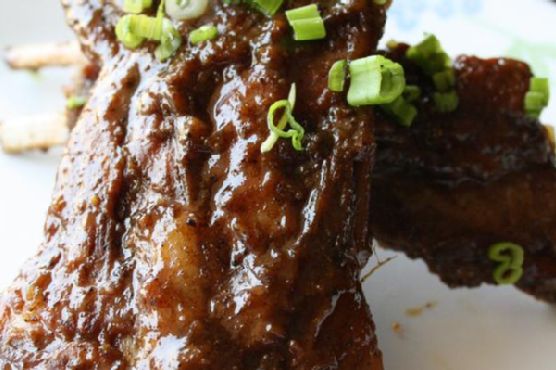
    Deliciously Sticky Spare Ribs

    There’s something truly magical about the aroma of spare ribs roasting in the oven, filling the house with warmth and mouthwatering scents. As a child, I remember visiting my grandmother’s house during the holidays, eagerly anticipating the moment when she’d open the oven door, revealing a tray of perfectly glazed ribs. The rich, savory sauce and tender meat were always the highlight of our family gatherings, a tradition I’ve lovingly continued with my own family. Today, I’m excited to share this cherished recipe with you, adding a touch of nostalgia to your kitchen and hopefully creating new memories for you and your loved ones.

    Why You’ll Love It

    This spare ribs recipe is the perfect balance of sweet and savory, with a sticky glaze that will have everyone licking their fingers clean. It’s surprisingly simple to prepare, yet it delivers restaurant-quality flavor that will impress any guest. Whether you’re hosting a barbecue, a casual dinner, or a festive celebration, these ribs are sure to be a hit. Plus, with the option to marinate overnight, you can save time on the day of your event, making it a stress-free addition to your menu.

    Ingredients

    • 2 tablespoons oil
    • 1/4 cup clear honey
    • 1 tablespoon fresh ginger root, grated
    • 1/4 cup dark soy sauce
    • 2 tablespoons hoisin sauce
    • 1 teaspoon five-spice powder
    • 2 garlic cloves, minced
    • 3 pounds of spare ribs

    Instructions

    1. Preheat your oven to 400 degrees Fahrenheit (200 degrees Celsius).
    2. In a jug, combine the oil, honey, ginger, soy sauce, hoisin sauce, five-spice powder, and garlic. Mix well to create a marinade.
    3. Place the spare ribs in a large dish and pour the marinade over them. Ensure the ribs are well coated, then cover and leave to marinate for as long as possible, ideally overnight in the refrigerator.
    4. Once marinated, place the ribs on a rack in a roasting pan.
    5. Cook the ribs in the preheated oven for about 45 minutes, turning them over halfway through the cooking time to ensure even glazing.
    6. After cooking, allow the ribs to cool slightly. Serve them cold or warm, as desired.

    Tips

    • For best results, marinate the ribs overnight. This allows the flavors to fully penetrate the meat, resulting in more flavorful ribs.
    • When turning the ribs halfway through cooking, baste them with the leftover marinade for an extra sticky glaze.
    • For a smokier flavor, consider finishing the ribs on a grill for a few minutes after roasting.

    Variations & Substitutions

    If you want to switch things up, here are a few variations and substitutions you can try:

    • Spicier Ribs: Add a teaspoon of chili flakes or a dash of hot sauce to the marinade for a spicy kick.
    • Alternative Sweeteners: Swap honey for maple syrup or brown sugar for a different type of sweetness.
    • Gluten-Free: Use tamari instead of soy sauce to make the dish gluten-free.
    • Different Protein: You can use the same marinade for chicken wings or pork chops if you prefer.

    Storage

    Store any leftover ribs in an airtight container in the refrigerator for up to 3 days. For longer storage, you can freeze the ribs for up to 3 months. To reheat, allow the ribs to thaw completely in the refrigerator, then warm them in the oven at 350 degrees Fahrenheit until heated through.

    FAQ

    Can I use a slow cooker for this recipe?

    Yes, you can! Simply place the marinated ribs in a slow cooker and cook on low for 6-8 hours or on high for 3-4 hours. Finish them off in the oven or on a grill to achieve a sticky glaze.

    What side dishes pair well with spare ribs?

    Spare ribs pair beautifully with a variety of side dishes, such as coleslaw, cornbread, baked beans, or roasted vegetables. For a refreshing contrast, consider serving a crisp salad with a tangy vinaigrette.

    Can I make the marinade in advance?

    Absolutely! You can prepare the marinade up to 3 days in advance and store it in an airtight container in the refrigerator. This can be a great time-saver for busy schedules.

    Nutrition (per serving)

    While the nutritional values can vary based on portion sizes and specific ingredients used, a general estimate for a serving of these spare ribs is approximately:

    • Calories: 450
    • Protein: 30g
    • Carbohydrates: 15g
    • Fat: 30g
    • Sugar: 10g

    Final Thoughts

    These sticky spare ribs are truly a labor of love, a recipe that brings fond memories and joy to any table. Whether you’re cooking for family or friends, this dish is sure to become a favorite in your home, just as it has in mine. With its simple preparation and irresistible taste, you’ll find yourself returning to this recipe time and time again. Enjoy the process, savor the results, and most importantly, cherish the moments shared with those around you. Happy cooking!

    Related update: Spare Ribs

    Related update: avarakkai paruppu curry recipe
  • Tuscan White Bean Soup with Olive Oil and Rosemary | Made by Meaghan Moineau

    Tuscan White Bean Soup with Olive Oil and Rosemary | Made by Meaghan Moineau

    Tuscan White Bean Soup with Olive Oil and Rosemary

    Introduction

    As the leaves start to change and the air becomes crisp, my kitchen transforms into a haven of warmth and comfort. One of my fondest memories is coming home on a chilly autumn day to the soothing aroma of my grandmother’s Tuscan White Bean Soup simmering on the stove. This recipe, passed down through generations, is not just a meal; it’s a heartfelt embrace, a reminder of home and love. Today, I’m sharing this cherished recipe with you, hoping it brings as much joy and warmth to your home as it does to mine.

    Why You’ll Love It

    This Tuscan White Bean Soup is a celebration of simplicity and flavor. Here’s why you’ll fall in love with it:

    • Easy to Make: With minimal ingredients and hands-off cooking in a slow cooker, this recipe is perfect for busy days.
    • Comforting and Nutritious: Packed with protein and fiber from the beans, this soup is both satisfying and nourishing.
    • Rich in Flavor: The olive oil and rosemary add a delightful fragrance and depth of flavor that elevates this humble soup.
    • Versatile: It can easily be adapted to suit your preferences or dietary needs.

    Ingredients

    • 1 bay leaf
    • 1 sprig of fresh rosemary
    • 3 cloves of garlic, minced
    • 2 tablespoons of olive oil
    • 1 large onion, chopped
    • 1 teaspoon of salt, or to taste
    • 8 cups of water
    • 2 cups of dried white beans, rinsed

    Instructions

    1. Rinse the beans thoroughly and place them in a 7-quart slow cooker.
    2. Add the water, onion, garlic, and bay leaf to the slow cooker.
    3. Cover and cook on LOW for about 8 hours, or until the beans are tender.
    4. Remove the bay leaf.
    5. Using a handheld immersion blender, puree the remaining ingredients to the desired texture.
    6. Add salt to taste.
    7. Ladle the soup into bowls.
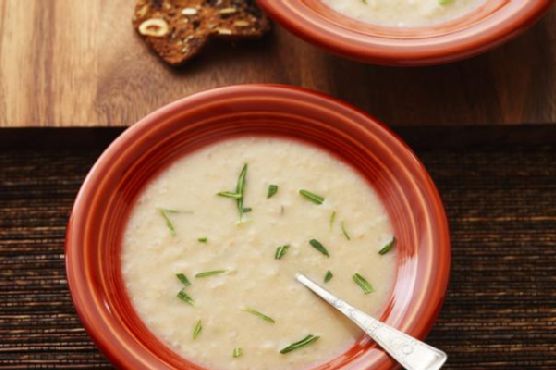
    8. Drizzle with olive oil, sprinkle with rosemary, and serve.

    Tips

    • Soak the Beans: For even cooking, consider soaking the beans overnight. This can also reduce cooking time slightly.
    • Adjust Consistency: If you prefer a chunkier soup, blend just half of the beans and leave the rest whole.
    • Fresh Is Best: Use fresh rosemary and high-quality olive oil for the best flavor.

    Variations & Substitutions

    This soup is wonderfully adaptable:

    • Meat Lovers: Add cooked Italian sausage or pancetta for a heartier version.
    • Vegetables: Incorporate chopped spinach or kale for added greens.
    • Herb Substitutions: If rosemary isn’t your favorite, try thyme or sage for a different flavor profile.
    • Vegan Option: Ensure your toppings are vegan-friendly by skipping any cheese garnishes.

    Storage

    This soup stores beautifully, making it perfect for meal prep:

    • Refrigerator: Store in an airtight container for up to 5 days.
    • Freezer: Freeze in individual portions for up to 3 months. Thaw in the refrigerator overnight before reheating.

    FAQ

    Can I use canned beans instead of dried beans?

    Yes, you can use canned beans to save time. Use about 4 cups of drained and rinsed canned beans, and reduce the cooking time to about 2 hours on LOW. Adjust the liquid accordingly, as canned beans are already cooked.

    What can I use if I don’t have an immersion blender?

    If you don’t have an immersion blender, you can transfer the soup in batches to a regular blender. Be sure to hold the lid down with a kitchen towel to prevent hot splashes.

    Nutrition

    Each serving of this Tuscan White Bean Soup is packed with nutrients:

    • Calories: Approximately 220
    • Protein: 12g
    • Fiber: 8g
    • Fat: 6g (primarily from healthy olive oil)
    • Sodium: Varies based on the amount of salt added

    Final Thoughts

    There’s something truly magical about a bowl of homemade soup. This Tuscan White Bean Soup is more than just a recipe; it’s a connection to cherished memories and a testament to the power of simple ingredients. Whether you’re gathering around the table with family or enjoying a quiet moment to yourself, this soup promises warmth and contentment. I hope it becomes a beloved staple in your household, just as it has in mine. Enjoy!

    Related update: Tuscan White Bean Soup with Olive Oil and Rosemary

    Related update: Spare Ribs

    Related update: Minestrone

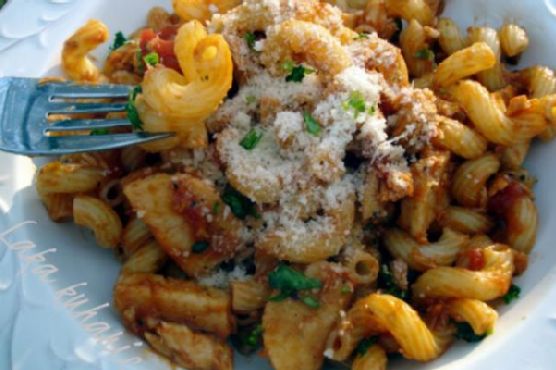
  • Cavatappi pasta with salmon crab surimi | Made by Meaghan Moineau

    Cavatappi pasta with salmon crab surimi | Made by Meaghan Moineau

    Cavatappi Pasta with Salmon Crab Surimi

    Introduction

    There’s something truly comforting about a bowl of pasta, especially when it’s combined with the flavors of the sea. Growing up, I fondly remember Sunday dinners at my grandmother’s house where seafood was a staple. The aromatic blend of garlic, fresh herbs, and the briny essence of seafood would fill the kitchen, inviting everyone to gather around the table. This Cavatappi pasta with salmon crab surimi is a modern twist on those cherished meals, bringing together the heartiness of pasta and the delicate flavors of seafood. It’s a dish that feels like a warm hug – perfect for any occasion.

    Why You’ll Love It

    This recipe is a delightful fusion of flavors and textures that will captivate your taste buds. Here’s why you’ll fall in love with this dish:

    • Quick and Easy: Despite its sophisticated taste, this dish can be whipped up in less than 30 minutes, making it perfect for busy weeknights.
    • Flavorful: The combination of garlic, fresh herbs, and seafood creates a rich and satisfying flavor profile.
    • Nutritious: Packed with protein from salmon and surimi, this dish also offers the goodness of tomatoes and fresh herbs.
    • Versatile: Easily adaptable with different types of pasta or seafood depending on your preference or what you have on hand.

    Ingredients

    • Surimi crab sticks
    • Dried basil
    • Fresh basil
    • Fresh parsley
    • Garlic
    • Olive oil
    • Parmesan cheese
    • Cavatappi pasta
    • Pepper
    • Plum tomatoes
    • Red wine
    • Canned salmon fillets
    • Salt
    • Sugar
    • Tomato puree

    Instructions

    1. Heat olive oil in a large pan over medium heat. Sauté the garlic for about 1 minute, being careful not to burn it.
    2. Add the canned salmon fillets and surimi crab sticks to the pan. Stir and let them simmer briefly to meld the flavors.
    3. Chop the plum tomatoes and add them to the pan along with the tomato puree, dried basil, fresh parsley, and a splash of red wine. Mix well to combine.
    4. Sprinkle in a pinch of sugar, then season with salt and pepper to taste. Stir everything together and let it simmer for 2-3 minutes to allow the flavors to develop.
    5. While the sauce is simmering, cook the Cavatappi pasta according to the package instructions. Once cooked, drain the pasta, reserving a little of the cooking water.
    6. Combine the cooked pasta with the sauce, tossing gently to coat. If the sauce is too thick, add a spoonful of the reserved pasta cooking water to adjust the consistency.
    7. Serve the pasta immediately, sprinkled with Parmesan cheese and fresh, chopped basil for a burst of flavor.

    Tips

    • For a deeper flavor, use a good quality red wine for the sauce. It adds richness and depth.
    • Be sure not to overcook the garlic to avoid a bitter taste. It should be fragrant and golden.
    • Reserve some pasta water; its starch content helps the sauce adhere to the pasta better.

    Variations & Substitutions

    • If you prefer, you can substitute the Cavatappi pasta with any other pasta shape you have on hand, such as penne or fusilli.
    • Feel free to use fresh salmon if available. Simply cook it alongside the garlic before adding the surimi.
    • For a vegetarian option, replace the seafood with sautéed mushrooms or zucchini for a hearty, earthy flavor.

    Storage

    Leftover pasta can be stored in an airtight container in the refrigerator for up to 3 days. To reheat, add a splash of water or broth to the pasta and warm it gently on the stove or in the microwave. This will help retain the sauce’s creamy texture.

    FAQ

    Can I use a different type of seafood?

    Absolutely! This recipe is versatile and works well with various seafood options. Shrimp, scallops, or even clams can be excellent substitutes or additions.

    What can I use instead of red wine?

    If you prefer not to use wine, you can substitute it with vegetable or seafood broth for added flavor. A splash of balsamic vinegar can also mimic the acidity of wine.

    Nutrition

    This dish is a good source of protein and healthy fats, thanks to the salmon and olive oil. It’s also rich in vitamins from the fresh herbs and tomatoes, making it a balanced meal option.

    Final Thoughts

    Cavatappi pasta with salmon crab surimi is a delightful dish that combines the comforting nature of pasta with the fresh, vibrant flavors of the sea. It’s a recipe that offers both nostalgia and innovation, perfect for sharing with family and friends. Whether you’re a seasoned chef or a home cook looking to try something new, this recipe is sure to become a favorite in your repertoire. Enjoy every bite and the memories it creates around your table.

    Related update: Cavatappi pasta with salmon crab surimi

    Related update: Kohlrabi Salad With Apple, Bacon, and Snow Peas

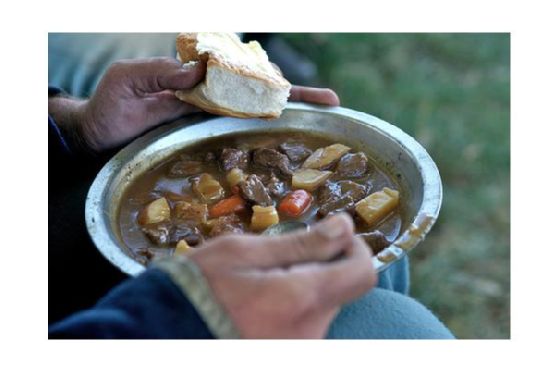
  • Venison Stew | Made by Meaghan Moineau

    Venison Stew | Made by Meaghan Moineau

    Hearty Venison Stew

    Welcome to a journey of flavor and warmth with this classic Venison Stew recipe. As the weather turns crisp and the leaves begin to fall, there’s nothing quite like a stew simmering on the stove to bring comfort and joy. This recipe is not just a dish; it’s a memory. I remember, as a child, visiting my grandparents’ cabin nestled in the woods. My grandfather would often return from a morning hunt with venison, and my grandmother would transform it into the most delicious stew. The aroma would fill the cabin, mingling with the scent of pine and the crackling wood fire. It’s a memory that has stayed with me, and I’m thrilled to share this special recipe with you.

    Why You’ll Love It

    This venison stew is a celebration of rich, earthy flavors and tender meat. Here’s why you’ll fall head over heels for it:

    • Flavorful and Hearty: Each bite is packed with the robust flavors of venison and vegetables, simmered to perfection.
    • Nutritious: Venison is a lean protein source that’s rich in vitamins and minerals.
    • Perfect for Any Occasion: Whether it’s a family dinner or a cozy night in, this stew is a crowd-pleaser.
    • Memorable: It’s a dish that brings people together, creating cherished memories around the table.

    Ingredients

    • 2 pounds venison stew meat
    • 1 cup flour, plus 3 tablespoons for thickening
    • 2 tablespoons vegetable oil
    • 4 cups water
    • 2 beef bouillon cubes
    • 4 large potatoes, peeled and diced
    • 1 large onion, chopped
    • 1 cup baby carrots, sliced
    • 4 stalks celery, sliced
    • 1 can mushrooms, drained
    • 1 green bell pepper, chopped
    • Salt and pepper to taste

    Instructions

    1. Cut the venison, potatoes, onion, baby carrots, celery, mushrooms, and green bell pepper into 1-inch pieces.
    2. In a large bowl, mix the venison with 1 cup of flour, salt, and pepper to coat evenly.
    3. In a large pot, heat the vegetable oil over medium-high heat. Brown the venison on all sides.
    4. Add the water and beef bouillon cubes to the pot. Bring to a boil, then reduce the heat and let it simmer for 2 hours.
    5. After 2 hours, add the potatoes, onion, carrots, celery, mushrooms, and green bell pepper to the pot. Simmer for an additional 30 minutes.
    6. In a small bowl, mix the remaining 3 tablespoons of flour with 1 cup of cold water. Stir this mixture into the stew to thicken.
    7. Continue to simmer for another 5-10 minutes until the stew has thickened to your desired consistency. Adjust seasoning with salt and pepper if needed.

    Tips

    • Be Patient: Allowing the venison to slowly cook over a couple of hours ensures it becomes tender and flavorful.
    • Consistent Cuts: Cutting the vegetables and meat into uniform sizes ensures even cooking.
    • Thickening Tips: If you prefer a thicker stew, add an additional tablespoon of flour to the thickening mixture.

    Variations & Substitutions

    • Meat Alternatives: If venison is not available, you can substitute it with beef or lamb for a different but equally delicious experience.
    • Vegetables: Feel free to add or substitute other vegetables such as parsnips or turnips for added depth and flavor.
    • Spices: Enhance the flavor with herbs like thyme, rosemary, or bay leaves.

    Storage

    Leftover venison stew can be stored in an airtight container in the refrigerator for up to 3 days. It also freezes well; simply place it in a freezer-safe container, where it can be stored for up to 3 months. To reheat, thaw overnight in the refrigerator and warm on the stove over medium heat until heated through.

    FAQ

    Can I use a slow cooker for this recipe?

    Absolutely! After browning the venison, transfer it along with all the other ingredients into a slow cooker. Cook on low for 6-8 hours or until the meat is tender.

    What can I serve with venison stew?

    This stew pairs wonderfully with crusty bread or a side of mashed potatoes. A fresh green salad also complements the hearty flavors beautifully.

    Nutrition

    Venison is a lean protein source that’s low in fat and calories, making this stew a nutritious option. It provides essential nutrients such as iron, zinc, and B vitamins. Combined with a medley of vegetables, this dish is both satisfying and wholesome.

    Final Thoughts

    This venison stew is more than just a meal; it’s an experience of warmth, nostalgia, and community. Whether you’re reminiscing about family gatherings or creating new memories, this stew is sure to become a treasured recipe in your collection. I hope you enjoy making and sharing it as much as I do. Bon appétit!

    Related update: Venison Stew

    Related update: Cavatappi pasta with salmon crab surimi

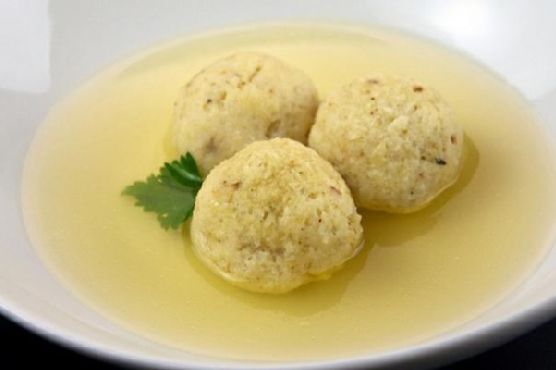
  • Classic Matzo Ball Soup | Made by Meaghan Moineau

    Classic Matzo Ball Soup | Made by Meaghan Moineau

    Classic Matzo Ball Soup

    Why You’ll Love It

    There’s something truly magical about a steaming bowl of matzo ball soup, a dish that’s not just a meal but also a comforting hug in a bowl. This classic recipe has been a staple in my family for generations. As a child, I remember sitting at my grandmother’s table, eagerly waiting for her to serve her famous matzo ball soup. The aroma filled the house, teasing the senses and wrapping us in warmth. It’s not just the taste that makes this soup special; it’s the tradition, the love, and the memories that come with every spoonful.

    Ingredients

    • 1 whole chicken
    • 2 celery stalks, chopped
    • 3 carrots, peeled and chopped
    • 1 onion, peeled and quartered
    • Fresh dill (optional)
    • Fresh parsley
    • Salt and pepper, to taste
    • 4 eggs
    • 4 tablespoons chicken fat (or vegetable oil)
    • 1 cup matzo meal
    • 1/4 cup seltzer water

    Instructions

    1. Wash the chicken with cold water and place it in a large pot. Cover with water and bring to a simmer. Avoid boiling to ensure a clear broth.
    2. Skim off any bubbling foam that forms on the surface.
    3. Add the celery, carrots, onion, fresh herbs, salt, and pepper. Continue to simmer for about 45 minutes.
    4. Pour the soup through a strainer and let it cool. Once the broth has completely cooled, remove the chicken meat and skim off the fat. Save this fat for the matzo balls.
    5. In a mixing bowl, beat together 4 eggs and 4 tablespoons of chicken fat (or vegetable oil).
    6. Stir in the matzo meal and a pinch of salt. Add the seltzer water and mix until combined. Cover and refrigerate the mixture for at least 1 hour.
    7. Form the matzo dough into teaspoon-sized balls.
    8. Bring the chicken broth to a boil. Add the matzo balls, cover, and cook for 20 minutes.
    9. Serve immediately, garnished with fresh dill or parsley.

    Tips

    For perfectly fluffy matzo balls, it’s crucial to let the matzo meal mixture rest in the refrigerator. This resting period allows the matzo meal to absorb the liquid and helps the balls hold their shape. Additionally, using seltzer water is a little secret that adds lightness to the matzo balls, ensuring they are tender and airy.

    Variations & Substitutions

    If you’re looking to mix things up, you can add a variety of vegetables to the broth, such as parsnips or turnips, for additional flavor. For those who prefer a vegetarian version, replace the chicken and chicken fat with vegetable broth and olive oil. You can also experiment with different herbs, like thyme or rosemary, to create a unique taste profile that suits your palate.

    Storage

    Leftover soup can be stored in an airtight container in the refrigerator for up to 3 days. If you want to keep it longer, it freezes beautifully. Just make sure to store the matzo balls separately from the broth to maintain their texture. When ready to enjoy, simply defrost the soup and matzo balls in the refrigerator overnight and reheat gently on the stove.

    FAQ

    Can I make matzo ball soup ahead of time?

    Absolutely! Matzo ball soup is a fantastic make-ahead meal. Prepare the broth and matzo balls separately and store them in the refrigerator. When you’re ready to serve, reheat the broth and add the matzo balls to warm through before serving.

    Why is my matzo ball soup cloudy?

    A cloudy broth is often the result of boiling the soup too vigorously. To ensure a clear broth, keep the soup at a gentle simmer and avoid stirring too much. Skimming off the foam as it forms will also help maintain clarity.

    Nutrition

    While the exact nutritional content can vary based on specific ingredients and portion sizes, a serving of matzo ball soup is generally rich in protein and fiber, thanks to the chicken and vegetables. It’s a hearty, nourishing dish that’s also relatively low in calories, making it a comforting yet healthy option for any meal.

    Final Thoughts

    Classic matzo ball soup is more than just a recipe; it’s a cherished tradition that brings people together. Whether you’re seeking comfort on a chilly evening or sharing a meal with family and friends, this beloved dish offers warmth and solace with every spoonful. I hope this recipe brings as much joy and comfort to your table as it has to mine. Happy cooking!

    Related update: Classic Matzo Ball Soup

    Related update: Venison Stew

    Related update: Tuscan White Bean Soup with Olive Oil and Rosemary

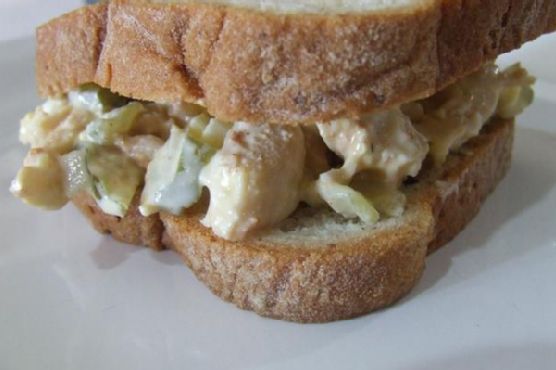
  • Dairy Free Chicken Salad | Made by Meaghan Moineau

    Dairy Free Chicken Salad | Made by Meaghan Moineau

    Dairy Free Chicken Salad

    Welcome to a delightful culinary journey with our Dairy Free Chicken Salad! This dish is a nostalgic nod to family picnics in the park. I remember those sunny days when my mom would whip up this comforting salad, and we’d enjoy it under the sprawling oak tree in our local park. The savory aroma of seasoned chicken mixed with the tangy zest of pickles and lemon would tantalize our senses, making each bite a moment to cherish. Now, I’m excited to share this recipe with you, hoping it brings as much joy to your table as it did to ours.

    Why You’ll Love It

    This Dairy Free Chicken Salad is a perfect blend of flavors and textures, making it a crowd-pleaser for any occasion. Whether you’re looking for a quick lunch, a picnic staple, or a dish for a potluck, this recipe has got you covered. It’s not only delicious and satisfying but also healthy, as it’s dairy-free and packed with protein. The combination of tender chicken with crunchy pickles and creamy Veganaise creates a perfect harmony that will leave your taste buds dancing. Plus, it’s incredibly easy to make, requiring minimal prep time so you can spend more time enjoying the company of your loved ones.

    Ingredients

    • 2 tablespoons olive oil
    • 1 pound skinless boneless chicken tenderloins
    • 1 teaspoon pepper
    • 1 teaspoon salt
    • 1 teaspoon paprika
    • 3 cooked whole eggs
    • 1/2 cup chopped dill pickles
    • 1/2 cup Veganaise
    • 1 tablespoon lemon juice
    • 1 teaspoon seasoned salt

    Instructions

    1. Thaw the chicken if needed.
    2. Add the olive oil to a large skillet and bring to medium heat.
    3. Add the chicken to the skillet and season with paprika, salt, and pepper.
    4. Turn every few minutes and cook until chicken is cooked through and juices run clear.
    5. Remove the chicken and place on a large cutting board.
    6. Using two forks, shred the chicken and place in a large bowl.
    7. If you haven’t already, boil the eggs. Cover the eggs with cold water in a large pot. Place pot over medium-high heat. As soon as it starts boiling, set your timer for 7 minutes. Done!
    8. Peel and chop up your eggs, then place them in the bowl with your shredded chicken.
    9. Chop up your dill pickles and add them to the bowl.
    10. Add the Veganaise, lemon juice, and seasoned salt.
    11. Toss to combine. Serve with your favorite bread.

    Tips

    For the best results, use fresh chicken tenderloins and cook them just until done to ensure they stay juicy. When shredding the chicken, don’t worry about making the pieces too small, as a bit of texture adds to the salad’s appeal. If you’re in a hurry, you can use pre-cooked rotisserie chicken as a time-saving alternative. And remember, the key to a perfect salad is tasting as you go, so feel free to adjust the seasoning to your liking.

    Variations & Substitutions

    This recipe is wonderfully adaptable. If you prefer a bit of sweetness, try adding a handful of dried cranberries or grapes. For a touch of crunch, toss in some chopped celery or nuts such as almonds or walnuts. If you don’t have Veganaise, regular mayonnaise or Greek yogurt can be used as substitutes, keeping in mind the latter will add dairy. For a spicier kick, a dash of hot sauce or a sprinkle of cayenne pepper works wonders.

    Storage

    Store any leftover chicken salad in an airtight container in the refrigerator. It will keep well for up to three days, making it a convenient option for meal prep. When ready to eat, give it a good stir and adjust the seasoning if necessary. Unfortunately, this dish doesn’t freeze well due to the mayonnaise-based dressing, so it’s best enjoyed fresh.

    FAQ

    Can I make this salad in advance?

    Absolutely! In fact, making it a day ahead allows the flavors to meld together beautifully. Just store it in the fridge and give it a good stir before serving.

    Is this recipe gluten-free?

    Yes, the salad itself is gluten-free. However, if you’re serving it with bread, make sure to choose a gluten-free variety if needed.

    Can I add fruits to this salad?

    Yes, adding fruits like grapes or diced apples can add a nice sweetness and additional texture to the salad. Just be sure to add them right before serving to maintain their freshness.

    Nutrition

    This Dairy Free Chicken Salad is a nutritious choice, packed with protein from the chicken and eggs. It’s also a good source of healthy fats from the olive oil and Veganaise. While exact nutritional values will vary based on portion sizes, you can rest assured that this dish is both satisfying and nourishing.

    Final thoughts

    Our Dairy Free Chicken Salad is a versatile dish that fits seamlessly into any meal plan. Its delightful combination of flavors and textures is sure to please even the pickiest eaters. Whether you’re making it for a family gathering, a picnic, or just a quick meal, it’s bound to become a household favorite. So gather your ingredients, follow the simple steps, and enjoy a taste of nostalgia with every bite. Happy cooking!

    Related update: Dairy Free Chicken Salad

    Related update: Lentil Salad With Vegetables

  • Chicken Adobo & Coconut Ginger Rice | Made by Meaghan Moineau

    Chicken Adobo & Coconut Ginger Rice | Made by Meaghan Moineau

    Chicken Adobo & Coconut Ginger Rice

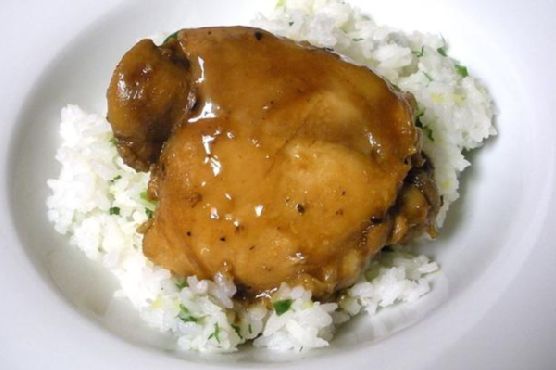
    There’s something truly comforting about the rich aroma of Chicken Adobo wafting through the kitchen. This dish takes me back to my childhood, where Sundays meant gathering around the table with family, sharing stories as the flavors of soy sauce, vinegar, and bay leaves worked their magic on tender chicken thighs. Today, I hope to bring a little piece of that nostalgia into your home with this delightful recipe for Chicken Adobo & Coconut Ginger Rice.

    Why You’ll Love It

    This Chicken Adobo & Coconut Ginger Rice recipe is a heartwarming blend of savory, sweet, and tangy flavors that come together in a truly satisfying meal. The tender chicken, marinated in a rich adobo sauce, is perfectly complemented by the fragrant coconut ginger rice. It’s a dish that feels like a warm hug, perfect for cozy dinners or entertaining guests. Whether you’re new to Filipino cuisine or a seasoned fan, this recipe is sure to become a staple in your kitchen.

    Ingredients

    • 1/2 cup low sodium soy sauce
    • 1/2 cup apple cider vinegar
    • 4 cloves garlic, minced
    • 1 tablespoon whole peppercorns
    • 2 tablespoons brown sugar
    • 3 bay leaves
    • 6 bone-in chicken thighs
    • 1 tablespoon grapeseed oil
    • 1 cup chicken broth
    • 1 tablespoon cornstarch
    • 1/4 cup water
    • 3 cups water (for rice)
    • 1 1/2 cups rice
    • 1 tablespoon fresh ginger, grated
    • 1/2 cup sweetened shredded coconut
    • 2 scallions, chopped
    • 2 tablespoons fresh parsley, chopped
    • Kosher salt, to taste

    Instructions

    1. In a large bowl or flat dish, combine soy sauce, vinegar, garlic, peppercorns, brown sugar, and bay leaves with the chicken. Marinate for at least an hour or overnight.
    2. When ready to cook, heat grapeseed oil in a pan over medium-high heat. Lay the chicken thighs down, leaving the marinade in the dish. Brown the chicken on both sides, approximately 2-3 minutes per side, then remove from the pan and set aside.
    3. Pour the marinade and chicken broth into the pan and bring to a boil. Once boiling, return the chicken to the pan, cover, and cook for about 10 minutes.
    4. In a small bowl, whisk 1/4 cup water with the cornstarch, then add to the pan. Turn the chicken pieces over, cover again, and cook until the juices run clear, approximately 6-9 minutes.
    5. For the rice, bring 3 cups of water to a boil in a saucepan. Add a pinch of salt, then add the rice and cook according to package instructions. Once the rice is done, toss with scallions, parsley, ginger, and coconut.
    6. Serve the chicken over the coconut ginger rice and drizzle with a bit of the sauce from the pan.

    Tips

    For the best results, marinate the chicken overnight. This allows the flavors to penetrate deeply, resulting in more flavorful and tender chicken. When browning the chicken, make sure your pan is hot enough to give it a nice sear; this adds depth to the flavor.

    Variations & Substitutions

    If you prefer, you can use boneless chicken thighs or even chicken breasts for a leaner option. For those who enjoy a little heat, add a sliced chili or a dash of chili flakes to the marinade. If you’re avoiding soy, tamari or coconut aminos can be substituted for soy sauce.

    Storage

    Leftover Chicken Adobo can be stored in an airtight container in the refrigerator for up to 3 days. The rice can be stored separately in the refrigerator for up to 2 days. To reheat, add a splash of water to the chicken and warm it on the stove over low heat until heated through.

    FAQ

    Can I make this dish ahead of time?

    Absolutely! Chicken Adobo often tastes even better the next day as the flavors continue to develop. Feel free to make it a day ahead for a quick and easy meal.

    What can I serve with Chicken Adobo & Coconut Ginger Rice?

    This dish pairs wonderfully with a simple green salad or steamed vegetables such as broccoli or bok choy. The freshness of the greens complements the rich flavors of the adobo.

    Nutrition

    Each serving of Chicken Adobo & Coconut Ginger Rice provides a balanced meal of protein, carbohydrates, and healthy fats. It’s a great source of vitamins and minerals, particularly from the fresh herbs and ginger. For those watching their sodium intake, using low sodium soy sauce helps keep the levels in check.

    Final Thoughts

    Chicken Adobo & Coconut Ginger Rice is a dish that brings warmth and comfort with each bite. It’s perfect for family dinners or when you want to impress your guests with something both exotic and homey. I hope this recipe fills your home with the same joy and delicious smells it brings to mine. Enjoy every moment of cooking and savoring this delightful meal!

    Related update: Chicken Adobo & Coconut Ginger Rice

  • Wild Salmon Cakes | Made by Meaghan Moineau

    Wild Salmon Cakes | Made by Meaghan Moineau

    Wild Salmon Cakes: A Delicious and Nutritious Treat

    Welcome to our cozy kitchen corner, where today we’re diving into the delightful world of Wild Salmon Cakes. These savory patties are a celebration of simplicity and flavor, perfect for any occasion from a quick weeknight dinner to a lavish brunch gathering. Let me take you on a journey of taste and nostalgia, sharing not just a recipe but a piece of my culinary heart.

    Why You’ll Love It

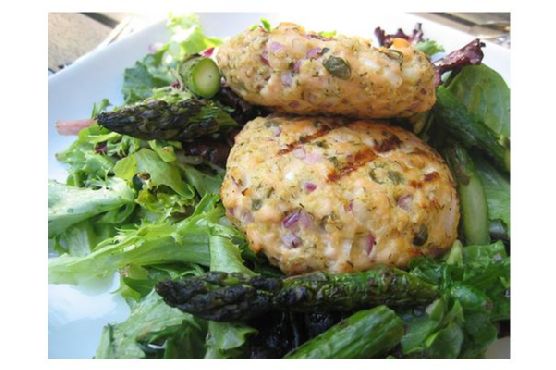
    There’s something magical about the way these Wild Salmon Cakes come together. The fusion of fresh, wild-caught salmon with the crunch of panko and the tang of capers creates a symphony of flavors that dance on your palate. Whether you’re a seafood aficionado or a curious cook looking to expand your culinary repertoire, this dish will not disappoint.

    Growing up, seafood was a staple at our family table. I vividly remember summer evenings spent by the coast, where my grandmother would serve her famous salmon cakes. The recipe was a guarded secret, a treasured heirloom passed down through generations. Each bite was a reminder of home, of laughter shared around the table, and of the love that binds a family together. Today, I share with you a modern twist on that cherished recipe, hoping it brings as much joy to your home as it has to mine.

    Ingredients

    • 1 pound skinless, boneless wild salmon fillet
    • 1/2 cup red onion, finely diced
    • 2 tablespoons capers, drained
    • 1 large egg
    • 1 cup panko bread crumbs

    Instructions

    1. Mince the salmon fillet into fine pieces, ensuring that each piece is uniform in size for even cooking.
    2. In a medium-sized bowl, gently whip the egg until frothy. This will act as the binding agent for your salmon mixture.
    3. Add the finely diced red onion and capers to the egg, stirring until the ingredients are well incorporated.
    4. Fold in the minced salmon, mixing gently to maintain the texture of the fish.
    5. Gradually add the panko bread crumbs, mixing until the mixture holds together but is not overly dry.
    6. Form the mixture into 4 equal-sized patties, pressing gently to ensure they hold their shape.
    7. Place the patties on a preheated grill, cooking for about 2-3 minutes on each side until golden brown and cooked through. Alternatively, bake in a 350-degree oven for 15-20 minutes.
    8. Serve hot, garnished with fresh herbs or a squeeze of lemon for an extra zing.

    Tips

    For the best results, ensure that your salmon is as fresh as possible. Fresh salmon not only enhances the flavor but also improves the texture of the cakes. If your mixture seems too wet, add a little more panko to achieve the right consistency. Remember, the key to perfect salmon cakes is balance—too much panko can overpower the delicate flavor of the fish.

    Variations & Substitutions

    Feel free to get creative with this recipe! You can substitute the wild salmon with canned salmon in a pinch, though fresh is always preferred for the best flavor. If you’re looking to add a bit of spice, consider incorporating a finely chopped jalapeño or a dash of cayenne pepper. For a gluten-free version, replace panko with gluten-free bread crumbs or crushed cornflakes.

    Storage

    Store any leftover salmon cakes in an airtight container in the refrigerator for up to 3 days. To reheat, place them in a preheated oven at 350 degrees for about 10 minutes or until warmed through. Avoid microwaving as it can make them soggy. These cakes also freeze well; simply wrap them individually in plastic wrap and store them in a freezer-safe bag for up to 3 months.

    FAQ

    Can I use smoked salmon for this recipe?

    While smoked salmon adds a unique flavor, it might overpower the other ingredients in this recipe. If you love the taste of smoked salmon, consider using a mix of fresh and smoked salmon for a balanced flavor profile.

    What can I serve with salmon cakes?

    Salmon cakes pair beautifully with a fresh green salad, roasted vegetables, or a light yogurt dill sauce. For a more hearty meal, serve them alongside quinoa or couscous.

    Nutrition

    Wild salmon is packed with Omega-3 fatty acids, which are essential for heart health. Each serving of these salmon cakes is not only a source of lean protein but also provides essential vitamins and minerals, making it a nutritious choice for you and your family.

    Final Thoughts

    These Wild Salmon Cakes are more than just a meal; they’re a testament to the power of simple ingredients coming together to create something truly special. Whether you’re sharing them with loved ones or enjoying a quiet meal by yourself, I hope these salmon cakes bring a touch of warmth and nostalgia to your table.

    Thank you for joining me on this culinary journey. I look forward to hearing how this recipe finds its place in your home, creating new memories and traditions for years to come. Bon appétit!

    Related update: Wild Salmon Cakes

    Related update: Chicken Adobo & Coconut Ginger Rice

  • Salmon In Banana Leaf | Made by Meaghan Moineau

    Salmon In Banana Leaf: A Flavorful Island Experience

    Intro

    Salmon in banana leaf is a dish that transports me back to my childhood summers spent on the tropical islands of Southeast Asia. I remember the vibrant markets filled with the aroma of freshly caught fish and the earthy scent of banana leaves. My grandmother would lovingly prepare this dish, infusing each bite with flavors that spoke of her heritage and our family’s history. Today, I’m thrilled to share this recipe with you, so you can create your own flavorful memories around the dinner table.

    Why You’ll Love It

    This dish is a culinary adventure wrapped in the simplicity of banana leaves. The salmon is marinated to perfection, absorbing the savory, sweet, and slightly spicy flavors of the marinade. Steaming in banana leaves adds an earthy aroma and keeps the fish perfectly moist. It’s a healthy, gluten-free meal that’s also visually stunning, perfect for impressing guests or treating yourself to an exotic dinner at home.

    Ingredients

    • Banana leaves
    • 1 teaspoon cinnamon
    • 1 teaspoon fennel seed
    • 2 tablespoons fish sauce
    • 2 cloves garlic, minced
    • 1 tablespoon ginger, minced
    • 3 tablespoons peach preserves
    • 2 red chiles, sliced
    • 1 cup rice
    • 1/4 cup rice wine vinegar
    • 2 salmon steaks
    • 2 scallions, chopped
    • 1 tablespoon sesame oil
    • 2 tablespoons soy sauce
    • 1 star anise
    • 2 tablespoons tahini
    • 2 tablespoons vegetable oil

    Instructions

    1. Mix all marinade ingredients: fish sauce, garlic, ginger, peach preserves, red chiles, rice wine vinegar, sesame oil, soy sauce, and tahini in a bowl.
    2. Place salmon steaks in a large resealable bag or container and pour the marinade over them. Seal and refrigerate for at least 30 minutes, up to 2 hours.
    3. Meanwhile, prepare your scented rice powder by grinding rice, cinnamon, fennel seed, and star anise in a spice grinder until coarsely ground. Leave some larger crumbles for texture.
    4. Remove salmon from the marinade (discard any leftover marinade) and coat each fillet with the scented rice powder. Reserve some powder for future use.
    5. Lay banana leaves flat. Place one salmon fillet in the center of each leaf. Fold one side over the salmon, then the opposite side, followed by folding both ends to create a package.
    6. Place the salmon packets in a steamer basket over boiling water. Steam for about 10-13 minutes until the salmon is cooked through.
    7. For the dipping sauce, heat the remaining marinade ingredients in a small saucepot or microwave-safe dish. Whisk together until warm and blended.
    8. To serve, make a slit in the banana leaves to reveal the salmon. Serve with steamed rice or noodles, corn, and the dipping sauce on the side.

    Tips

    Ensure your banana leaves are pliable by briefly passing them over an open flame or soaking them in hot water. This prevents them from cracking when folding. If you can’t find fresh banana leaves, parchment paper can be a substitute, though it won’t provide the same aromatic quality.

    Variations & Substitutions

    If you prefer a milder flavor, omit the red chiles or reduce the amount. For a different twist, substitute the salmon with your favorite fish, such as tilapia or cod. Vegetarians can replace the fish with thick slices of tofu, adjusting the marinating time to allow the flavors to penetrate fully. For a nutty flavor, add a sprinkle of ground peanuts to the marinade.

    Storage

    Leftover salmon can be stored in the refrigerator for up to 2 days. Keep it wrapped in the banana leaf to retain moisture and flavor. Reheat gently in a steamer or microwave to prevent drying out. The scented rice powder can be stored in an airtight container for up to a month, ready to use for your next culinary creation.

    FAQ

    Can I use frozen salmon for this recipe?

    Yes, frozen salmon can be used, but make sure it is fully thawed before marinating to ensure the flavors are absorbed properly.

    Where can I find banana leaves?

    Banana leaves are often available at Asian grocery stores or specialty markets. They are typically sold fresh or frozen. If using frozen, allow them to thaw before use.

    How can I tell when the salmon is fully cooked?

    The salmon is done when it flakes easily with a fork and has a light pink color throughout. Cooking times may vary slightly depending on the thickness of the fillets.

    Nutrition

    This dish is rich in omega-3 fatty acids, thanks to the salmon, and it offers a balanced profile of protein and healthy fats. The aromatic spices add flavor without the need for excessive salt or sugars, making it a heart-healthy choice. Adjust the oil and soy sauce quantities if you are monitoring your sodium or fat intake.

    Conclusion

    Salmon in banana leaf is more than just a meal—it’s an experience. With its rich flavors and aromatic presentation, it brings a touch of tropical paradise to your dining table. Whether you’re reminiscing about past travels or dreaming of future adventures, this dish is sure to delight your senses and warm your heart. Enjoy preparing and savoring this special recipe, and don’t forget to share it with those you love, creating new memories one delicious bite at a time.

    Related update: Salmon In Banana Leaf

    Related update: Wild Salmon Cakes

  • Pasta with Peas and Italian Sausage | Made by Meaghan Moineau

    Pasta with Peas and Italian Sausage

    Intro

    There are few things more comforting than a bowl of pasta, and this recipe for Pasta with Peas and Italian Sausage holds a special place in my heart. Growing up, Sunday dinners were a cherished tradition in my family. My grandmother would spend the afternoon bustling around the kitchen, filling the house with the aroma of fresh herbs, garlic, and tomatoes. One of her signature dishes was this simple yet flavorful pasta recipe. It’s a dish that brings back memories of laughter and love shared around the dinner table, and I’m thrilled to share it with you today.

    Why You’ll Love It

    This Pasta with Peas and Italian Sausage recipe is a delightful blend of flavors and textures that come together in perfect harmony. You’ll love how the sweet and savory Italian sausage complements the freshness of the peas, all enveloped in a rich, tomato-based sauce. It’s a hearty meal that’s incredibly easy to prepare, making it perfect for busy weeknights or a cozy weekend dinner. Plus, it’s a one-pot wonder that minimizes cleanup, allowing you more time to relax and savor your meal.

    Ingredients

    • 1 lb farfalle pasta
    • 2 tablespoons olive oil
    • 4 Italian sweet sausages, casings removed
    • 1 cup frozen peas
    • 1 can (14 oz) canned tomatoes
    • 1 cup Pomi strained tomato sauce
    • 2 tablespoons butter
    • Salt and pepper to taste

    Instructions

    1. Cook the pasta following the package directions until al dente. Drain and set aside.
    2. In a very large skillet over medium heat, add the olive oil.
    3. Add the Italian sausage meat to the skillet and sauté until slightly brown all over.
    4. Stir in the frozen peas and canned tomatoes.
    5. Season with salt and pepper to taste.
    6. Lower the heat to medium and cook for another 10 to 15 minutes, allowing the flavors to meld together.
    7. Return the drained pasta to the pan and add the butter.
    8. Pour in the tomato sauce with sausage and mix well until everything is combined.
    9. Serve hot, garnished with grated Parmesan cheese if desired.

    Tips

    Here are some tips to ensure your Pasta with Peas and Italian Sausage turns out perfectly every time:

    • Use high-quality Italian sausage for the best flavor. You can choose between sweet or spicy depending on your preference.
    • If you have fresh peas on hand, feel free to use them instead of frozen peas.
    • Be sure to cook the pasta to al dente, as it will continue to cook slightly when mixed with the sauce.
    • For an extra touch of flavor, add a pinch of red pepper flakes to the sauce.

    Variations & Substitutions

    This recipe is wonderfully versatile. Here are some variations and substitutions you can try:

    • Vegetarian Version: Omit the sausage and add more vegetables like bell peppers or mushrooms.
    • Different Pasta: Feel free to swap the farfalle for another type of pasta like penne or fusilli.
    • Gluten-Free: Use your favorite gluten-free pasta to make this dish suitable for those with gluten sensitivities.

    Storage

    Leftovers can be stored in an airtight container in the refrigerator for up to 3 days. To reheat, warm gently in a skillet over medium heat, adding a splash of water if needed to loosen the sauce. This dish can also be frozen for up to 2 months. Thaw in the refrigerator overnight before reheating.

    FAQ

    Can I use fresh tomatoes instead of canned?

    Yes, fresh tomatoes can be substituted for canned. Simply chop them and cook until they break down and form a sauce. You may need to adjust the cooking time slightly to achieve the desired consistency.

    How can I make this dish spicier?

    If you prefer a spicier dish, use hot Italian sausage instead of sweet, or add a pinch of red pepper flakes to the sauce.

    What can I serve with this pasta?

    This pasta is a meal in itself, but it pairs beautifully with a simple green salad and crusty garlic bread for a complete dinner.

    Nutrition

    This dish is a hearty meal that provides a good balance of protein, carbohydrates, and fats. The peas add a nice dose of fiber and vitamins, while the sausage contributes protein and flavor. Adjustments can be made based on dietary needs or preferences, such as using turkey sausage for a leaner option.

    Conclusion

    There you have it, a heartwarming recipe for Pasta with Peas and Italian Sausage that’s sure to become a family favorite. It’s easy to see why this dish has been a staple in my family for generations. Not only is it delicious and satisfying, but it’s also a breeze to prepare, making it perfect for any occasion. I hope this recipe brings as much joy to your table as it has to mine. Enjoy!

    Related update: Pasta with Peas and Italian Sausage

    Related update: Salmon In Banana Leaf