Category: lunch

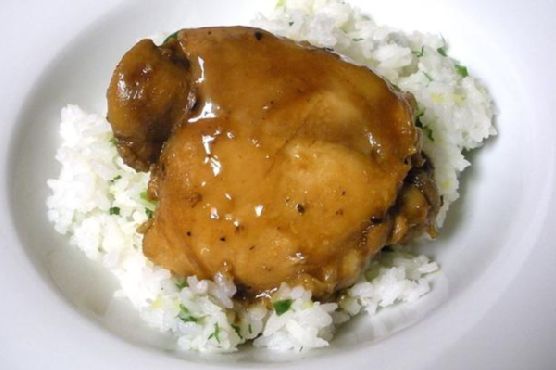
  • Chicken Adobo & Coconut Ginger Rice | Made by Meaghan Moineau

    Chicken Adobo & Coconut Ginger Rice | Made by Meaghan Moineau

    Chicken Adobo & Coconut Ginger Rice

    There’s something truly comforting about the rich aroma of Chicken Adobo wafting through the kitchen. This dish takes me back to my childhood, where Sundays meant gathering around the table with family, sharing stories as the flavors of soy sauce, vinegar, and bay leaves worked their magic on tender chicken thighs. Today, I hope to bring a little piece of that nostalgia into your home with this delightful recipe for Chicken Adobo & Coconut Ginger Rice.

    Why You’ll Love It

    This Chicken Adobo & Coconut Ginger Rice recipe is a heartwarming blend of savory, sweet, and tangy flavors that come together in a truly satisfying meal. The tender chicken, marinated in a rich adobo sauce, is perfectly complemented by the fragrant coconut ginger rice. It’s a dish that feels like a warm hug, perfect for cozy dinners or entertaining guests. Whether you’re new to Filipino cuisine or a seasoned fan, this recipe is sure to become a staple in your kitchen.

    Ingredients

    • 1/2 cup low sodium soy sauce
    • 1/2 cup apple cider vinegar
    • 4 cloves garlic, minced
    • 1 tablespoon whole peppercorns
    • 2 tablespoons brown sugar
    • 3 bay leaves
    • 6 bone-in chicken thighs
    • 1 tablespoon grapeseed oil
    • 1 cup chicken broth
    • 1 tablespoon cornstarch
    • 1/4 cup water
    • 3 cups water (for rice)
    • 1 1/2 cups rice
    • 1 tablespoon fresh ginger, grated
    • 1/2 cup sweetened shredded coconut
    • 2 scallions, chopped
    • 2 tablespoons fresh parsley, chopped
    • Kosher salt, to taste

    Instructions

    1. In a large bowl or flat dish, combine soy sauce, vinegar, garlic, peppercorns, brown sugar, and bay leaves with the chicken. Marinate for at least an hour or overnight.
    2. When ready to cook, heat grapeseed oil in a pan over medium-high heat. Lay the chicken thighs down, leaving the marinade in the dish. Brown the chicken on both sides, approximately 2-3 minutes per side, then remove from the pan and set aside.
    3. Pour the marinade and chicken broth into the pan and bring to a boil. Once boiling, return the chicken to the pan, cover, and cook for about 10 minutes.
    4. In a small bowl, whisk 1/4 cup water with the cornstarch, then add to the pan. Turn the chicken pieces over, cover again, and cook until the juices run clear, approximately 6-9 minutes.
    5. For the rice, bring 3 cups of water to a boil in a saucepan. Add a pinch of salt, then add the rice and cook according to package instructions. Once the rice is done, toss with scallions, parsley, ginger, and coconut.
    6. Serve the chicken over the coconut ginger rice and drizzle with a bit of the sauce from the pan.

    Tips

    For the best results, marinate the chicken overnight. This allows the flavors to penetrate deeply, resulting in more flavorful and tender chicken. When browning the chicken, make sure your pan is hot enough to give it a nice sear; this adds depth to the flavor.

    Variations & Substitutions

    If you prefer, you can use boneless chicken thighs or even chicken breasts for a leaner option. For those who enjoy a little heat, add a sliced chili or a dash of chili flakes to the marinade. If you’re avoiding soy, tamari or coconut aminos can be substituted for soy sauce.

    Storage

    Leftover Chicken Adobo can be stored in an airtight container in the refrigerator for up to 3 days. The rice can be stored separately in the refrigerator for up to 2 days. To reheat, add a splash of water to the chicken and warm it on the stove over low heat until heated through.

    FAQ

    Can I make this dish ahead of time?

    Absolutely! Chicken Adobo often tastes even better the next day as the flavors continue to develop. Feel free to make it a day ahead for a quick and easy meal.

    What can I serve with Chicken Adobo & Coconut Ginger Rice?

    This dish pairs wonderfully with a simple green salad or steamed vegetables such as broccoli or bok choy. The freshness of the greens complements the rich flavors of the adobo.

    Nutrition

    Each serving of Chicken Adobo & Coconut Ginger Rice provides a balanced meal of protein, carbohydrates, and healthy fats. It’s a great source of vitamins and minerals, particularly from the fresh herbs and ginger. For those watching their sodium intake, using low sodium soy sauce helps keep the levels in check.

    Final Thoughts

    Chicken Adobo & Coconut Ginger Rice is a dish that brings warmth and comfort with each bite. It’s perfect for family dinners or when you want to impress your guests with something both exotic and homey. I hope this recipe fills your home with the same joy and delicious smells it brings to mine. Enjoy every moment of cooking and savoring this delightful meal!

    Related update: Chicken Adobo & Coconut Ginger Rice

  • Wild Salmon Cakes | Made by Meaghan Moineau

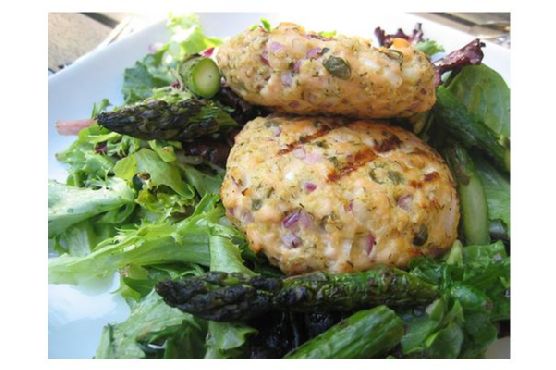
    Wild Salmon Cakes | Made by Meaghan Moineau

    Wild Salmon Cakes: A Delicious and Nutritious Treat

    Welcome to our cozy kitchen corner, where today we’re diving into the delightful world of Wild Salmon Cakes. These savory patties are a celebration of simplicity and flavor, perfect for any occasion from a quick weeknight dinner to a lavish brunch gathering. Let me take you on a journey of taste and nostalgia, sharing not just a recipe but a piece of my culinary heart.

    Why You’ll Love It

    There’s something magical about the way these Wild Salmon Cakes come together. The fusion of fresh, wild-caught salmon with the crunch of panko and the tang of capers creates a symphony of flavors that dance on your palate. Whether you’re a seafood aficionado or a curious cook looking to expand your culinary repertoire, this dish will not disappoint.

    Growing up, seafood was a staple at our family table. I vividly remember summer evenings spent by the coast, where my grandmother would serve her famous salmon cakes. The recipe was a guarded secret, a treasured heirloom passed down through generations. Each bite was a reminder of home, of laughter shared around the table, and of the love that binds a family together. Today, I share with you a modern twist on that cherished recipe, hoping it brings as much joy to your home as it has to mine.

    Ingredients

    • 1 pound skinless, boneless wild salmon fillet
    • 1/2 cup red onion, finely diced
    • 2 tablespoons capers, drained
    • 1 large egg
    • 1 cup panko bread crumbs

    Instructions

    1. Mince the salmon fillet into fine pieces, ensuring that each piece is uniform in size for even cooking.
    2. In a medium-sized bowl, gently whip the egg until frothy. This will act as the binding agent for your salmon mixture.
    3. Add the finely diced red onion and capers to the egg, stirring until the ingredients are well incorporated.
    4. Fold in the minced salmon, mixing gently to maintain the texture of the fish.
    5. Gradually add the panko bread crumbs, mixing until the mixture holds together but is not overly dry.
    6. Form the mixture into 4 equal-sized patties, pressing gently to ensure they hold their shape.
    7. Place the patties on a preheated grill, cooking for about 2-3 minutes on each side until golden brown and cooked through. Alternatively, bake in a 350-degree oven for 15-20 minutes.
    8. Serve hot, garnished with fresh herbs or a squeeze of lemon for an extra zing.

    Tips

    For the best results, ensure that your salmon is as fresh as possible. Fresh salmon not only enhances the flavor but also improves the texture of the cakes. If your mixture seems too wet, add a little more panko to achieve the right consistency. Remember, the key to perfect salmon cakes is balance—too much panko can overpower the delicate flavor of the fish.

    Variations & Substitutions

    Feel free to get creative with this recipe! You can substitute the wild salmon with canned salmon in a pinch, though fresh is always preferred for the best flavor. If you’re looking to add a bit of spice, consider incorporating a finely chopped jalapeño or a dash of cayenne pepper. For a gluten-free version, replace panko with gluten-free bread crumbs or crushed cornflakes.

    Storage

    Store any leftover salmon cakes in an airtight container in the refrigerator for up to 3 days. To reheat, place them in a preheated oven at 350 degrees for about 10 minutes or until warmed through. Avoid microwaving as it can make them soggy. These cakes also freeze well; simply wrap them individually in plastic wrap and store them in a freezer-safe bag for up to 3 months.

    FAQ

    Can I use smoked salmon for this recipe?

    While smoked salmon adds a unique flavor, it might overpower the other ingredients in this recipe. If you love the taste of smoked salmon, consider using a mix of fresh and smoked salmon for a balanced flavor profile.

    What can I serve with salmon cakes?

    Salmon cakes pair beautifully with a fresh green salad, roasted vegetables, or a light yogurt dill sauce. For a more hearty meal, serve them alongside quinoa or couscous.

    Nutrition

    Wild salmon is packed with Omega-3 fatty acids, which are essential for heart health. Each serving of these salmon cakes is not only a source of lean protein but also provides essential vitamins and minerals, making it a nutritious choice for you and your family.

    Final Thoughts

    These Wild Salmon Cakes are more than just a meal; they’re a testament to the power of simple ingredients coming together to create something truly special. Whether you’re sharing them with loved ones or enjoying a quiet meal by yourself, I hope these salmon cakes bring a touch of warmth and nostalgia to your table.

    Thank you for joining me on this culinary journey. I look forward to hearing how this recipe finds its place in your home, creating new memories and traditions for years to come. Bon appétit!

    Related update: Wild Salmon Cakes

    Related update: Chicken Adobo & Coconut Ginger Rice

  • Salmon In Banana Leaf | Made by Meaghan Moineau

    Salmon In Banana Leaf: A Flavorful Island Experience

    Intro

    Salmon in banana leaf is a dish that transports me back to my childhood summers spent on the tropical islands of Southeast Asia. I remember the vibrant markets filled with the aroma of freshly caught fish and the earthy scent of banana leaves. My grandmother would lovingly prepare this dish, infusing each bite with flavors that spoke of her heritage and our family’s history. Today, I’m thrilled to share this recipe with you, so you can create your own flavorful memories around the dinner table.

    Why You’ll Love It

    This dish is a culinary adventure wrapped in the simplicity of banana leaves. The salmon is marinated to perfection, absorbing the savory, sweet, and slightly spicy flavors of the marinade. Steaming in banana leaves adds an earthy aroma and keeps the fish perfectly moist. It’s a healthy, gluten-free meal that’s also visually stunning, perfect for impressing guests or treating yourself to an exotic dinner at home.

    Ingredients

    • Banana leaves
    • 1 teaspoon cinnamon
    • 1 teaspoon fennel seed
    • 2 tablespoons fish sauce
    • 2 cloves garlic, minced
    • 1 tablespoon ginger, minced
    • 3 tablespoons peach preserves
    • 2 red chiles, sliced
    • 1 cup rice
    • 1/4 cup rice wine vinegar
    • 2 salmon steaks
    • 2 scallions, chopped
    • 1 tablespoon sesame oil
    • 2 tablespoons soy sauce
    • 1 star anise
    • 2 tablespoons tahini
    • 2 tablespoons vegetable oil

    Instructions

    1. Mix all marinade ingredients: fish sauce, garlic, ginger, peach preserves, red chiles, rice wine vinegar, sesame oil, soy sauce, and tahini in a bowl.
    2. Place salmon steaks in a large resealable bag or container and pour the marinade over them. Seal and refrigerate for at least 30 minutes, up to 2 hours.
    3. Meanwhile, prepare your scented rice powder by grinding rice, cinnamon, fennel seed, and star anise in a spice grinder until coarsely ground. Leave some larger crumbles for texture.
    4. Remove salmon from the marinade (discard any leftover marinade) and coat each fillet with the scented rice powder. Reserve some powder for future use.
    5. Lay banana leaves flat. Place one salmon fillet in the center of each leaf. Fold one side over the salmon, then the opposite side, followed by folding both ends to create a package.
    6. Place the salmon packets in a steamer basket over boiling water. Steam for about 10-13 minutes until the salmon is cooked through.
    7. For the dipping sauce, heat the remaining marinade ingredients in a small saucepot or microwave-safe dish. Whisk together until warm and blended.
    8. To serve, make a slit in the banana leaves to reveal the salmon. Serve with steamed rice or noodles, corn, and the dipping sauce on the side.

    Tips

    Ensure your banana leaves are pliable by briefly passing them over an open flame or soaking them in hot water. This prevents them from cracking when folding. If you can’t find fresh banana leaves, parchment paper can be a substitute, though it won’t provide the same aromatic quality.

    Variations & Substitutions

    If you prefer a milder flavor, omit the red chiles or reduce the amount. For a different twist, substitute the salmon with your favorite fish, such as tilapia or cod. Vegetarians can replace the fish with thick slices of tofu, adjusting the marinating time to allow the flavors to penetrate fully. For a nutty flavor, add a sprinkle of ground peanuts to the marinade.

    Storage

    Leftover salmon can be stored in the refrigerator for up to 2 days. Keep it wrapped in the banana leaf to retain moisture and flavor. Reheat gently in a steamer or microwave to prevent drying out. The scented rice powder can be stored in an airtight container for up to a month, ready to use for your next culinary creation.

    FAQ

    Can I use frozen salmon for this recipe?

    Yes, frozen salmon can be used, but make sure it is fully thawed before marinating to ensure the flavors are absorbed properly.

    Where can I find banana leaves?

    Banana leaves are often available at Asian grocery stores or specialty markets. They are typically sold fresh or frozen. If using frozen, allow them to thaw before use.

    How can I tell when the salmon is fully cooked?

    The salmon is done when it flakes easily with a fork and has a light pink color throughout. Cooking times may vary slightly depending on the thickness of the fillets.

    Nutrition

    This dish is rich in omega-3 fatty acids, thanks to the salmon, and it offers a balanced profile of protein and healthy fats. The aromatic spices add flavor without the need for excessive salt or sugars, making it a heart-healthy choice. Adjust the oil and soy sauce quantities if you are monitoring your sodium or fat intake.

    Conclusion

    Salmon in banana leaf is more than just a meal—it’s an experience. With its rich flavors and aromatic presentation, it brings a touch of tropical paradise to your dining table. Whether you’re reminiscing about past travels or dreaming of future adventures, this dish is sure to delight your senses and warm your heart. Enjoy preparing and savoring this special recipe, and don’t forget to share it with those you love, creating new memories one delicious bite at a time.

    Related update: Salmon In Banana Leaf

    Related update: Wild Salmon Cakes

  • Bacalhau Macau | Made by Meaghan Moineau

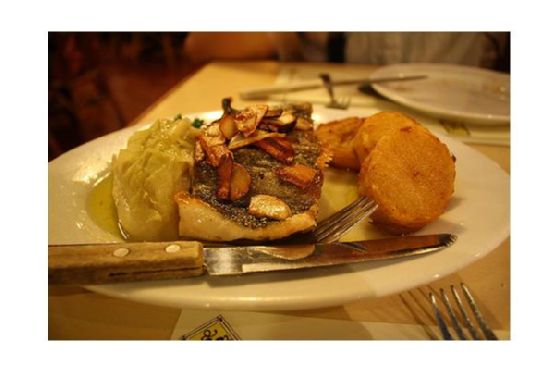
    Bacalhau Macau | Made by Meaghan Moineau

    Bacalhau Macau: A Delicious Journey to Flavorful Memories

    Intro

    Growing up, weekends at my grandmother’s house were always a culinary adventure. Her kitchen was filled with the fragrant aroma of traditional dishes, each telling its own story. One of my favorites was Bacalhau Macau, a delightful fusion dish that combines the rich heritage of Portuguese and Asian cuisines. The crispy, golden fish cakes with their fluffy interiors never failed to bring the family together at the dinner table, filled with laughter and love. Today, I’m excited to share this cherished recipe with you, bringing a piece of my childhood to your home.

    Why You’ll Love It

    Bacalhau Macau is more than just a recipe; it’s an experience. The combination of salt cod and creamy potatoes creates a wonderful texture, while the addition of cilantro, green onion, and ginger infuses the dish with vibrant flavors. The lightness of the whipped cream balances the savory notes, and the crunchy breadcrumb coating provides the perfect finishing touch. It’s a dish that will transport your taste buds and impress your guests with its unique blend of cultures.

    Ingredients

    • Japanese breadcrumbs
    • Butter
    • Cilantro
    • Egg
    • Egg white
    • Garlic
    • Ginger
    • Green onion
    • Russet (Idaho) potato
    • Oil-cured olives
    • Salt
    • Salt cod fillets
    • Sesame oil
    • Whipping cream
    • White pepper

    Instructions

    1. Place the cod in a bowl and cover with cold water. Soak for 6 to 8 hours, changing the water once or twice. Drain, rinse very well, and pat dry. Shred the fish with your fingers.
    2. Pour 3 inches of water into a medium saucepan and bring to a boil. Add the diced potatoes and cook until tender, about 10 to 12 minutes. Drain the potatoes and return them to the pan briefly to evaporate excess moisture. Mash the potatoes until smooth, then whisk in the butter.
    3. Stir the cod into the mashed potatoes. Add the green onion, cilantro, olives, egg white, sesame oil, salt, garlic, ginger, and pepper. Mix well.
    4. In a chilled bowl, whip the cream until it holds soft peaks. Gently fold the whipped cream into the cod mixture with a rubber spatula.
    5. Using two large soup spoons, form about 3 tablespoons of the cod-potato mixture into an oval fish cake. Set the cod cake on a baking sheet and repeat with the remaining potato mixture.
    6. Spread the breadcrumbs on a plate. Beat the egg in a wide, shallow bowl. Dip each cod cake into the egg, turning gently to coat all sides. Allow any excess egg to drip back into the bowl, then roll the cake in breadcrumbs to coat all sides. Set the coated fish cakes on a baking sheet.
    7. Place a large skillet over medium heat and pour in 1/4 inch of vegetable oil. When the oil is hot, add as many of the fish cakes to the skillet as will fit without touching each other. Cook, turning once, until golden brown, about 5 to 7 minutes. Remove the fish cakes with a slotted spoon and drain them on paper towels. Repeat with the remaining cod cakes, if necessary.
    8. Serve warm and enjoy your Bacalhau Macau.

    Tips

    To ensure the best results, make sure to thoroughly soak and rinse the salt cod to remove excess saltiness. Chilling the whipped cream and bowl helps achieve the perfect consistency. Don’t overcrowd the pan when frying the cakes to ensure even browning.

    Variations & Substitutions

    If you’re looking to experiment, consider adding a touch of chili for some heat or swapping the cilantro for parsley for a milder flavor. For a gluten-free version, substitute the Japanese breadcrumbs with gluten-free breadcrumbs or crushed rice crackers.

    Storage

    Leftover Bacalhau Macau can be stored in an airtight container in the refrigerator for up to 3 days. To reheat, place the cakes in a preheated oven at 350°F (175°C) for 10 minutes or until heated through. Avoid microwaving to maintain the crispy texture.

    FAQ

    Can I use fresh cod instead of salt cod?

    While the traditional recipe uses salt cod, you can use fresh cod for a less salty version. However, the unique flavor of Bacalhau Macau comes from the preserved fish, so the taste will differ slightly.

    What can I serve with Bacalhau Macau?

    Bacalhau Macau pairs beautifully with a simple green salad, steamed vegetables, or even a tangy lemon aioli for dipping.

    Nutrition

    This recipe yields 4 servings. Each serving contains approximately:

    • Calories: 420
    • Protein: 25g
    • Carbohydrates: 35g
    • Fat: 20g
    • Fiber: 3g
    • Sodium: 580mg

    Please note that these values are approximate and can vary based on specific ingredients used.

    Conclusion

    Bacalhau Macau is a delightful dish that brings a taste of the past into the present, blending cultural influences into a comforting and delicious meal. Whether you’re sharing it with family or introducing it to friends, it’s sure to become a favorite. I hope this recipe brings as much joy to your table as it does to mine, creating new memories with every bite. Enjoy!

    Related update: Bacalhau Macau