Tag: Pineapple

  • Tropical Gluten-Free Coconut Lime Cake with Pineapple Frosting | Made by Meaghan Moineau

    Tropical Gluten-Free Coconut Lime Cake with Pineapple Frosting | Made by Meaghan Moineau

    Tropical Gluten-Free Coconut Lime Cake with Pineapple Frosting

    The aroma of fresh lime zest mingling with the sweet scent of coconut cream wafts through my kitchen, transporting me to a sun-drenched island paradise. This isn’t just any dessert; it’s an oasis of flavor, a Tropical Gluten-Free Coconut Lime Cake with Pineapple Frosting that promises to be a standout at any gathering.

    Personal Story

    My love affair with tropical flavors began on a family vacation to Hawaii. I remember the vibrant hues of tropical flowers, the warmth of the sun on my skin, and the refreshing taste of exotic fruits. It was there, amidst palm trees and ocean breezes, that I first tasted a cake infused with the sweet and tangy essence of limes and pineapples. The memory of that delightful cake lingered long after the vacation ended, sparking my desire to recreate it in my own kitchen.

    Back home, I embarked on a mission to capture that tropical magic. But it wasn’t without its mishaps. My first attempt at a coconut cake ended in disaster when I accidentally added salt instead of sugar — a rookie mistake! Despite the setback, I was undeterred. Each attempt brought me closer to the perfect balance of flavors that I remembered from Hawaii.

    One rainy afternoon, as I watched the droplets glide down my kitchen window, I had an epiphany. What if I infused the cake with lime and topped it with a pineapple frosting? The idea excited me, and I hurried to gather my ingredients. The result was a revelation — a Tropical Gluten-Free Coconut Lime Cake with Pineapple Frosting that brought a burst of sunshine into the dreariest of days.

    What Makes This Version Special

    This cake is not your run-of-the-mill coconut cake. The infusion of zesty lime essence in the batter and the creamy, tangy pineapple frosting elevate it to a new level of tropical delight. Where a standard recipe might rely on sugar for sweetness, this version uses the natural brightness of citrus and the sweetness of pineapple to create a more dynamic flavor profile. It’s a cake that celebrates the best of tropical ingredients while remaining gluten-free and approachable for those who appreciate a little island flair in their desserts.

    Flavor Profile

    Imagine a bite of cake that is both bright and tropical, each mouthful bursting with a citrusy zing followed by a sweet pineapple finish. The coconut adds a subtle nuttiness, harmonizing with the lime and pineapple to create a symphony of flavors that dance on your palate. The cake itself is moist and tender, thanks to the careful balance of coconut flour and tapioca flour, while the pineapple frosting is light and airy, providing a creamy contrast that will have you reaching for seconds.

    Ingredients

    • 1/2 cup coconut flour
    • 1/4 cup tapioca flour
    • 1/4 teaspoon salt
    • 1/2 teaspoon baking soda
    • 1/2 teaspoon baking powder
    • 1/2 teaspoon xanthan gum
    • 4 whole eggs
    • 1 cup sugar
    • 1/2 cup **Vegenaise**
    • 3/4 cup milk alternative
    • 1 teaspoon vanilla extract
    • 1/2 cup Earth Balance butter
    • 1/2 cup dairy-free chocolate chips (optional)
    • 1/4 teaspoon salt
    • 1 cup powdered sugar
    • 1 tablespoon **lime zest**
    • 1 tablespoon lime juice
    • 1/2 cup crushed pineapple (drained)
    • 1 cup **coconut cream**

    Instructions

    1. Preheat your oven to 350°F. Grease two 8 or 9-inch round cake pans and sprinkle with tapioca flour, or line a muffin tin with baking cups for cupcakes.
    2. In a medium bowl, mix together the coconut flour, tapioca flour, salt, xanthan gum, baking soda, and baking powder. Set aside.
    3. In a large mixing bowl, beat the eggs, sugar, and Vegenaise until fluffy. Slowly add the vanilla extract.
    4. Gradually incorporate the flour mixture and milk alternative into the egg mixture, alternating between the two. Aim for a consistency that’s smooth and airy, using just under 3/4 cup of milk for a light batter.
    5. Fold in the lime zest gently, ensuring it is evenly distributed to release a vibrant citrus aroma through the batter.
    6. Pour the batter into the prepared cake pans or fill the baking cups 3/4 full. Bake for 20-25 minutes for the cakes or 12-15 minutes for the cupcakes. The cakes are done when they are golden-brown and spring back when touched lightly, or when a toothpick inserted in the center comes out clean.
    7. While the cakes cool, whip the coconut cream with the powdered sugar and crushed pineapple until light and fluffy. This will be your luscious pineapple frosting.
    8. Once the cakes are completely cooled, frost them generously with the pineapple frosting. If desired, sprinkle with additional lime zest for an extra pop of color and flavor.

    Pro Tips from Meaghan’s Kitchen

    • Use fresh lime zest for the best flavor — it makes all the difference in the cake’s brightness.
    • For a thicker frosting, refrigerate the coconut cream before whipping. It helps the frosting hold its shape better.
    • To avoid a dry cake, measure the coconut flour precisely — it absorbs more liquid than traditional flour.
    • Don’t rush the cooling process before frosting; it ensures the frosting won’t melt and slide off.
    • If you crave texture, add a handful of shredded coconut or chopped nuts to the batter for some crunch.

    Variations & Dietary Swaps

    • Vegetarian Swap: Use regular mayonnaise instead of Vegenaise if dietary restrictions allow.
    • Spice-It-Up Version: Add a teaspoon of ground ginger to the batter for a warm spice note that complements the tropical flavors.
    • Kids-Friendly Version: Top the frosted cake with colorful sprinkles or a drizzle of dairy-free chocolate for an extra fun twist.

    What to Serve With It

    This tropical cake pairs wonderfully with a refreshing iced herbal tea infused with mint and lime. The cooling tea complements the cake’s flavors, enhancing the citrus notes and providing a soothing balance to the sweetness of the frosting. Alternatively, a scoop of dairy-free vanilla ice cream would add a creamy contrast to the cake’s texture.

    Storage & Meal Prep

    To store leftovers, cover the cake tightly with plastic wrap or place it in an airtight container. It will keep in the fridge for up to 5 days. For longer storage, freeze individual slices wrapped in plastic wrap and placed in a freezer-safe bag for up to 3 months. When you’re ready to enjoy, thaw the slices at room temperature or warm them in the oven at a low temperature.

    FAQ

    Can I use regular flour instead of coconut and tapioca flour?

    Yes, but it will no longer be gluten-free. Substitute with equal parts all-purpose flour for a similar texture.

    What milk alternative works best for this recipe?

    Almond milk or coconut milk both work beautifully, enhancing the tropical flavors of the cake.

    How do I make the coconut cream?

    Refrigerate a can of full-fat coconut milk overnight, then scoop out the solid cream that rises to the top for whipping.

    Can I use fresh pineapple instead of canned?

    Absolutely! Just make sure to drain it well to avoid adding excess moisture to the frosting.

    Why is my cake too dense?

    Overmixing the batter or not measuring the flour accurately can result in a dense cake. Be sure to fold gently and measure precisely.

    Final Thoughts

    As you embark on your culinary journey to create this Tropical Gluten-Free Coconut Lime Cake with Pineapple Frosting, remember that baking is as much about the process as it is about the final product. Enjoy the aromatic dance of citrus and tropical sweetness as you mix, bake, and savor each bite. I’d love to hear about your experiences and see your creations, so please leave a comment below or share this recipe with friends who crave a taste of the tropics!

    Related update: Tropical Gluten-Free Coconut Lime Cake with Pineapple Frosting

  • Tropical Spiced Pina Colada with Coconut Cream Floater | Made by Meaghan Moineau

    Tropical Spiced Pina Colada with Coconut Cream Floater | Made by Meaghan Moineau

    Tropical Spiced Pina Colada with Coconut Cream Floater

    Imagine the gentle clinking of ice cubes against a glass, the air perfumed with a symphony of tropical scents, and the first sip of a drink that feels like a warm island breeze. Welcome to the world of the Tropical Spiced Pina Colada with Coconut Cream Floater — a lush, creamy escape from the everyday.

    For me, the journey to this exotic concoction began in the most unexpected of places: my grandmother’s kitchen. During our annual family reunion, she would whip up her famous pina coladas, using a simple blend of pineapple juice, coconut milk, and a splash of rum. It became a cherished tradition, a marker of summer’s peak when the sun seemed to linger a bit longer just to savor the taste.

    One summer, as I watched her deftly work her magic, I dared to suggest a twist. The idea was born from an impromptu trip to a Caribbean spice market where the air was thick with cinnamon and nutmeg. I was captivated by these aromas and couldn’t help but imagine them mingling with the creamy, sweet notes of our beloved pina colada.

    My grandmother, ever the culinary adventurer, gave me the green light. We decided to try our hands at a Tropical Spiced Pina Colada, infusing it with a dash of these heady spices. The result was nothing short of transformative. The addition of a luxurious coconut cream floater brought a new layer of indulgence, turning a beloved classic into something sophisticated and new.

    What Makes This Version Special

    This version of the Tropical Spiced Pina Colada stands out because it introduces a hint of tropical spices and a luxurious coconut cream floater. While traditional pina coladas are undeniably delightful, they can sometimes feel a bit too sweet or one-dimensional. By blooming cinnamon and nutmeg before blending, we unlock their full aromatic potential, giving the drink warm, inviting undertones. The coconut cream floater is the crowning glory, adding a velvety richness that elevates the experience from a simple cocktail to a decadent treat.

    Flavor Profile

    Close your eyes and imagine taking a sip. The first thing you notice is the creamy texture, instantly transporting you to a sandy beach. The pineapple juice brings a vibrant, tangy sweetness that dances with the mellow richness of the coconut milk. The spiced notes of cinnamon and nutmeg are subtle yet undeniably present, adding warmth and depth. And just when you think it couldn’t get any better, the coconut cream floater glides across your palate, leaving a lingering, luxurious finish.

    Ingredients

    • 2 cups ice
    • 1 cup pineapple juice
    • 1 cup coconut milk
    • 1/2 cup coconut rum
    • 1/2 teaspoon ground cinnamon
    • 1/4 teaspoon ground nutmeg
    • **2 tablespoons coconut cream**
    • 1 tablespoon toasted coconut flakes
    • Pineapple wedges, for garnish
    • Maraschino cherries, for garnish

    Instructions

    1. In a small pan over low heat, bloom the cinnamon and nutmeg until their aromas are released, about 2 minutes. This step enhances their flavors, so don’t rush it.
    2. Add the ice, pineapple juice, coconut milk, coconut rum, and the bloomed spices to a blender.
    3. Blend the mixture on high until smooth and creamy, about 1-2 minutes. You want everything well-combined and silky.
    4. Pour the blended drink into chilled glasses, leaving a bit of space at the top for the floater.
    5. Gently float a dollop of coconut cream on top of each glass, allowing it to slowly meld with the drink as you sip.
    6. Garnish with fresh pineapple wedges, maraschino cherries, and a sprinkle of toasted coconut flakes for that extra touch of elegance.

    Pro Tips from Meaghan’s Kitchen

    • Always use fresh pineapple juice, if possible. It makes a world of difference in the taste.
    • Blooming spices is crucial; it releases their oils and intensifies their flavor without adding bitterness.
    • For an extra frothy drink, blend for another minute on high speed.
    • If you like a thicker consistency, reduce the amount of ice or add a bit more coconut cream to the blend.
    • Don’t skip the toasted coconut flakes! They add a delightful crunch and aromatic finish.

    Variations & Dietary Swaps

    • Non-Alcoholic Version: Simply omit the coconut rum. The drink remains deliciously creamy and satisfying.
    • Spice-It-Up: Add a pinch of cayenne pepper to the blender for a subtle kick.
    • Kid-Friendly Version: Replace the rum with a splash of coconut water or additional pineapple juice, perfect for little ones.

    What to Serve With It

    The Tropical Spiced Pina Colada pairs beautifully with a light and crunchy coconut shrimp appetizer. The crispy texture and subtle sweetness of the shrimp complement the creamy, spiced notes of the drink. A fresh mango salsa on the side adds a tangy contrast that ties the flavors together perfectly.

    Storage & Meal Prep

    While pina coladas are best enjoyed fresh, you can prepare the blended components ahead of time. Store the mixture in an airtight container in the fridge for up to 24 hours. Before serving, give it a quick blend to refresh its texture. If you’re storing leftovers, keep the coconut cream separate and add it just before serving. For extended storage, freeze the blended mixture in ice cube trays and blend with a splash of pineapple juice when ready to enjoy.

    FAQ

    Can I use canned pineapple juice?

    Yes, you can, but fresh pineapple juice will provide a brighter, more vibrant flavor.

    What if I don’t have coconut cream?

    You can substitute with heavy cream or simply add extra coconut milk for a similar creamy effect.

    Is it okay to use sweetened coconut milk?

    I recommend unsweetened coconut milk to avoid making the drink overly sweet, but sweetened can be used if you prefer a dessert-like taste.

    How do I toast coconut flakes?

    Simply spread the flakes on a baking sheet and toast in a 350°F oven for 5-6 minutes until golden-brown, stirring once for even color.

    Can I make this drink without a blender?

    While a blender is ideal for achieving that smooth, creamy texture, you can shake the ingredients vigorously in a cocktail shaker as an alternative.

    Final Thoughts

    Creating this Tropical Spiced Pina Colada with Coconut Cream Floater has been a journey of flavors and memories. It’s a drink that invites you to sit back, relax, and savor each luxurious sip. I hope this recipe brings a touch of the exotic to your kitchen, and I can’t wait to hear how it turns out for you. Please share your thoughts, variations, and any special memories you create along the way. Here’s to new traditions and the joy of discovery in every glass. Cheers!

    Related update: Tropical Spiced Pina Colada with Coconut Cream Floater

    Related update: Tropical Almond Matcha Energy Smoothie with Coconut and Spirulina

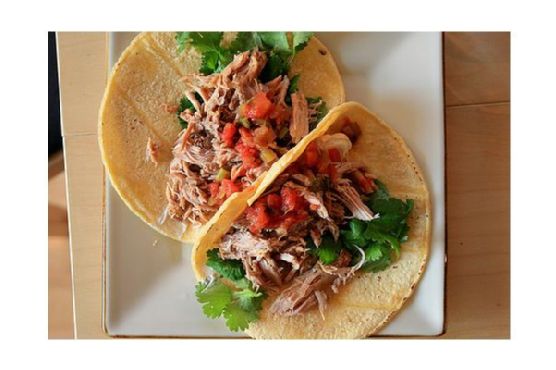
  • Zesty Citrus-Herb Pork Carnitas Tacos with Pineapple Salsa | Made by Meaghan Moineau

    Zesty Citrus-Herb Pork Carnitas Tacos with Pineapple Salsa | Made by Meaghan Moineau

    Zesty Citrus-Herb Pork Carnitas Tacos with Pineapple Salsa

    Imagine this: the sound of pork gently sizzling in a cast-iron pan, the aroma of rosemary wafting through the kitchen, and a splash of lime that transforms the ordinary into something extraordinary. This isn’t just any taco night; it’s an experience, a celebration of flavors with my Zesty Citrus-Herb Pork Carnitas Tacos with Pineapple Salsa.

    My love affair with carnitas began on a balmy summer night at a bustling food market in Oaxaca. The air was thick with the scent of spices, and I found myself drawn to a tiny stall nestled between colorful piñatas and fresh produce. The vendor, with twinkling eyes and a knowing smile, handed me a taco that was unlike any I’d ever tasted. It was the perfect balance of savory, zesty, and sweet. That evening, I vowed to bring that magic back home.

    Back in my kitchen, I was determined to recreate that unforgettable taste. I bought every cut of pork imaginable, tried every combination of spices, and even enlisted my friends as taste testers. It was a labor of love, filled with mishaps like the time I accidentally added too much salt and had to start over (I learned the hard way to taste as I go!). But through trial and error, I discovered my secret weapon: a hint of rosemary that adds an aromatic depth, and a pineapple salsa that gives a bright, tropical flair.

    Every time I serve these Zesty Citrus-Herb Pork Carnitas Tacos with Pineapple Salsa, I’m transported back to that enchanting night in Oaxaca. The laughter, the music, the vibrant flavors — all alive in every bite. It’s not just a meal; it’s a memory, a piece of my heart shared with you.

    What Makes This Version Special

    What sets this recipe apart from traditional carnitas is the surprising twist of pineapple salsa and rosemary infusion. By warming olive oil with fresh rosemary before browning the pork, the meat takes on an aromatic quality that’s both unexpected and delightful. Meanwhile, the pineapple salsa introduces a refreshing sweetness that balances the savory richness of the pork. Plus, adding a splash of lime juice and zest during the final browning stage elevates the flavors with a zesty brightness. This isn’t just a dish; it’s a flavor journey that transforms classic carnitas into something exceptionally vibrant and fresh.

    Flavor Profile

    Prepare to be wowed by the taste experience these tacos offer. Picture the juicy, tender pork, slightly crispy on the edges, infused with the fragrant essence of rosemary. The natural sweetness of pineapple salsa dances on your tongue, countering the savory depth of the carnitas. Add to that the zesty kick from lime juice and zest, and you’ve got a dynamic, multi-layered flavor profile that’s both invigorating and comforting. It’s a harmonious blend of zesty, savory, and sweet, with a delicate herbal note that lingers beautifully.

    Ingredients

    • 2 lbs lean pork butt, cut into large chunks
    • 4 cloves garlic, crushed
    • 1 tablespoon sea salt
    • 1 teaspoon ground pepper
    • **3 tablespoons olive oil**
    • **1 tablespoon fresh rosemary, finely chopped**
    • 1/2 cup orange juice
    • 1/4 cup milk
    • **1 lime, juiced and zested**
    • 12 corn tortillas
    • 1 cup **fresh pineapple, diced**
    • 1 small jalapeño, minced
    • 1/2 cup salsa fresca
    • 1 avocado, sliced
    • 1/4 cup cilantro, chopped
    • 1 small onion, chopped
    • 2 additional limes, sliced for serving

    Instructions

    1. In a large Dutch oven, combine the pork, garlic, sea salt, ground pepper, and enough water to cover the pork. Bring to a boil over medium-high heat, then reduce the heat, cover, and simmer over medium-low for 45 minutes to one hour, until the pork is tender and easy to shred.
    2. Drain the pork well and allow it to cool slightly. Once cool enough to handle, shred the meat using your hands or the tines of a fork. Remove and discard any remaining fat.
    3. Return the shredded pork to the Dutch oven. In a small pan, gently warm the olive oil with the rosemary for 2-3 minutes to infuse the flavors. Add the infused olive oil to the pot with the pork.
    4. Add the orange juice and milk to the pork, cooking over medium heat until the liquid has evaporated and the pork begins to brown, about 15 minutes. Stir occasionally to achieve an even golden-brown crispiness.
    5. During the final browning stage, add the lime juice and zest to the pork for a bright, citrusy finish. Season with additional salt and pepper to taste.
    6. While the pork is browning, prepare the pineapple salsa by combining the diced pineapple, minced jalapeño, and salsa fresca in a bowl. Set aside.
    7. Chop the onions and cilantro, and slice the avocado and limes. Place each in small individual bowls for serving.
    8. Heat the corn tortillas in a dry frying pan over medium heat until warm and pliable. Keep them warm by wrapping in a clean kitchen towel.
    9. To assemble the tacos, stack two tortillas, layer with warm carnitas, a spoonful of pineapple salsa, chopped cilantro, onion, and avocado slices. Finish with a squeeze of lime juice for an extra burst of flavor.

    Pro Tips from Meaghan’s Kitchen

    • Infuse the Oil: Infusing the olive oil with rosemary is key. Do it gently over low heat to avoid burning and maximize flavor transfer.
    • Crispy Edges: For those irresistible crispy edges, ensure the pork is in a single layer in the pan, allowing maximum contact with the heat.
    • Balance the Heat: If the jalapeño is too spicy for your taste, remove the seeds and veins to tone down the heat.
    • Tortilla Warmth: Warming the tortillas in a dry pan keeps them pliable and enhances their flavor, making the taco experience more enjoyable.
    • Juicy Pineapple Salsa: Let the pineapple salsa sit for a few minutes before serving to allow the flavors to meld beautifully.

    Variations & Dietary Swaps

    • Vegetarian Swap: Substitute the pork with jackfruit for a vegetarian-friendly version that still delivers that pulled texture.
    • Spice-It-Up Version: Add chipotle powder to the pork for a smoky, spicier kick that complements the pineapple salsa.
    • Kids-Friendly Version: Use sweet bell peppers instead of jalapeños in the salsa for a milder, kid-approved flavor.

    What to Serve With It

    Pair these vibrant Zesty Citrus-Herb Pork Carnitas Tacos with a chilled glass of hibiscus iced tea, which perfectly complements the tacos’ tropical flair. Alternatively, a light Mexican lager offers a refreshing balance to the zesty and savory notes of the carnitas, making it an ideal companion for this festive dish.

    Storage & Meal Prep

    Leftover carnitas can be stored in an airtight container in the fridge for up to 3 days. For longer storage, freeze the shredded pork in portions, ensuring they’re tightly sealed to prevent freezer burn, for up to 3 months. To reheat, thaw overnight in the fridge, then warm in a skillet over medium heat until hot and crispy. Pineapple salsa is best fresh but can be refrigerated for up to a day.

    FAQ

    Can I make this recipe in advance?

    Absolutely! You can prepare the carnitas a day ahead, allowing the flavors to develop further. Simply reheat in a skillet before serving to regain crispiness.

    Is there a substitute for milk in this recipe?

    Yes, you can use a non-dairy alternative like almond or coconut milk. Just be mindful of the flavor it might add to the dish.

    How can I adjust the spice level?

    To adjust the heat, simply modify the amount of jalapeño in the salsa. Removing the seeds and veins will also reduce the spiciness.

    What if I don’t have fresh pineapple?

    Canned pineapple can be used as a substitute. Just make sure to drain it well to avoid adding excess moisture to the salsa.

    Final Thoughts

    I hope these Zesty Citrus-Herb Pork Carnitas Tacos with Pineapple Salsa bring a bit of my kitchen to yours. They’re more than just a meal; they’re a celebration of flavors and memories. I’d love to hear how they turn out in your own kitchen. Feel free to leave a comment or share your experience on social media. Let’s keep the conversation going — after all, cooking is always better together!

    Related update: Zesty Citrus-Herb Pork Carnitas Tacos with Pineapple Salsa

    Related update: Spicy Stir-Fried Cabbage and Tomatoes with Ginger-Lime Zest

  • Spicy Black Bean and Quinoa Burgers with Pineapple-Jalapeño Salsa | Made by Meaghan Moineau

    Spicy Black Bean and Quinoa Burgers with Pineapple-Jalapeño Salsa

    Imagine the savory aroma of smoky black beans mingling with the tropical sweetness of grilled pineapple, all encased in a golden-brown crust. These Spicy Black Bean and Quinoa Burgers with Pineapple-Jalapeño Salsa are more than just a meal; they’re an experience for your senses, right from the first sizzling bite.

    Personal Story

    I first stumbled upon the idea of using quinoa in burgers during a summer barbecue when my vegetarian friend challenged me to create a dish that would satisfy her plant-based lifestyle. I have to admit, I was skeptical at first. Could these little grains actually hold up in a burger? It was a culinary experiment that needed just the right balance of flavors and textures.

    As I rummaged through my pantry that day, the idea of adding a sweet-spicy twist to the standard veggie burger hit me like a flash of inspiration. I had some fresh pineapple and jalapeños in the fridge, and the rest, as they say, is history. The combination of smoky black beans and nutty quinoa, paired with a zesty pineapple-jalapeño salsa, turned out to be a game-changer. My friend, along with everyone else at the barbecue, was hooked on these Spicy Black Bean and Quinoa Burgers.

    Since then, this recipe has become a staple in my kitchen. It reminds me of that sunny afternoon, full of laughter and good company. Every time I make these burgers, it’s like having a little piece of that day right in my home. Sharing this recipe with you feels like inviting you to that very barbecue, where every bite is a celebration of flavors.

    What Makes This Version Special

    The unique twist in these Spicy Black Bean and Quinoa Burgers lies in the addition of quinoa and a sweet-spicy pineapple twist to the salsa. Quinoa isn’t just a trendy grain; it’s the secret to achieving that hearty yet fluffy texture that makes these burgers stand out. Toasting the quinoa before cooking enhances its nutty flavor, adding depth to the burger base.

    Moreover, the Pineapple-Jalapeño Salsa is where the magic truly happens. Grilling the pineapple slices before dicing them infuses a smoky sweetness that complements the jalapeño’s heat, creating a delightful contrast of flavors. This salsa isn’t just a topping; it’s a transformative element that elevates these veggie burgers to a whole new level.

    Flavor Profile

    Biting into these Spicy Black Bean and Quinoa Burgers is a multi-sensory experience. The patties are smoky and spicy, thanks to the smoked paprika and jalapeños, with a hint of tropical sweetness from the pineapple. Each bite delivers a hearty texture from the toasted quinoa, balanced by the freshness of the cilantro and the tanginess of lime. It’s a culinary dance of flavors that keeps your taste buds engaged from start to finish.

    Ingredients

    • 1 can black beans, drained and rinsed
    • **1 cup cooked quinoa**
    • 1 carrot, diced and microwaved
    • 1 stalk celery, diced
    • **1/2 cup diced fresh pineapple**
    • 1/2 cup canned corn, drained
    • 1 jalapeño, diced
    • 1/2 cup diced tomatoes
    • 2 green onions, diced
    • 1-2 garlic cloves, minced
    • 1/4 cup fresh parsley, chopped
    • Juice of 1 lime
    • 1 tsp creole seasoning
    • 1 tsp smoked paprika
    • 1 tsp cumin
    • 1/2 cup oatmeal
    • 1/2 cup panko breadcrumbs
    • 1/4 cup flour
    • Salt and pepper, to taste

    Instructions

    1. Preheat your oven to 425 degrees F. Lightly spray two baking sheets with nonstick spray and set aside.
    2. Toast the **quinoa** in a dry pan over medium heat for about 5 minutes or until you hear popping, and it turns golden-brown. Cook the quinoa according to package instructions.
    3. In a large bowl, mash the drained black beans until they reach a chunky consistency. Add the microwaved diced carrot and mix.
    4. Add the diced celery, smoked paprika, cumin, oatmeal, panko breadcrumbs, and creole seasoning to the bean mixture. Stir to combine.
    5. If the mixture is too moist, add more flour a tablespoon at a time until you can form patties without them falling apart.
    6. Form the mixture into patties, about 1/2 inch thick, and place them on the prepared baking sheets. Bake for 20 minutes, flipping halfway through until they are firm and golden-brown.
    7. While the burgers are baking, prepare the salsa. Grill the pineapple slices on a grill pan over medium-high heat until they have char marks, about 3 minutes per side. Dice the grilled pineapple and combine with canned corn, jalapeño, tomatoes, green onions, garlic, parsley, lime juice, salt, and pepper. Mix well and chill for about an hour before serving.
    8. Serve the burgers hot off the oven, topped with a generous spoonful of Pineapple-Jalapeño Salsa.

    Pro Tips from Meaghan’s Kitchen

    • For extra crispy edges, run a tablespoon of oil around the patties before baking.
    • To prevent the patties from sticking, let them rest for a minute before trying to flip them.
    • Chill the salsa for at least an hour to allow the flavors to meld together beautifully.
    • Use a potato masher for a quick and uniform mash of the black beans.

    Variations & Dietary Swaps

    • To make it gluten-free, swap the panko breadcrumbs for a gluten-free alternative.
    • For a spicier version, add an extra jalapeño to the salsa or sprinkle red pepper flakes into the burger mix.
    • Make it kid-friendly by replacing the jalapeño with a small, mild sweet bell pepper in the salsa.

    What to Serve With It

    These Spicy Black Bean and Quinoa Burgers pair perfectly with a chilled mango-lime agua fresca for a refreshing contrast. A side of crispy sweet potato fries complements the meal beautifully. If you’re feeling indulgent, add a slice of creamy avocado on top of your burger — it’s the perfect cool counterpart to the spicy salsa.

    Storage & Meal Prep

    Store cooked burger patties in an airtight container in the refrigerator for up to 3 days. For longer storage, freeze the patties on a baking sheet until solid, then transfer to a freezer-safe bag for up to 2 months. Reheat from frozen in a 350 degrees F oven for about 15 minutes or until heated through. The salsa, however, is best consumed fresh, as the texture changes over time.

    FAQ

    Can I use canned pineapple instead of fresh?

    While fresh pineapple is preferable for its vibrant flavor, canned pineapple can be used in a pinch. Ensure to drain it well before grilling.

    How can I make the burgers firmer?

    If your patties aren’t firm enough, try adding more panko breadcrumbs or flour to the mixture until you achieve the desired consistency.

    Can these burgers be grilled?

    Yes, these burgers can be grilled. Just be sure to oil the grill grates to prevent sticking, and handle the patties gently as they can be more fragile than meat-based burgers.

    Is there a way to make the salsa less spicy?

    To make the salsa milder, reduce the number of jalapeños or remove the seeds and membranes before dicing.

    What can I use instead of black beans?

    If you’re out of black beans, kidney beans or chickpeas make excellent substitutes in this recipe.

    Final Thoughts

    There you have it, friends — a recipe that brings a touch of tropical summers into your kitchen, with every bite of these Spicy Black Bean and Quinoa Burgers with Pineapple-Jalapeño Salsa bursting with flavor and heartiness. I hope you feel inspired to bring this dish to your next meal, and if you do, I’d love to hear all about it! Share your experiences, tweaks, and photos in the comments below. Happy cooking!

    Related update: Spicy Black Bean and Quinoa Burgers with Pineapple-Jalapeño Salsa

    Related update: Mediterranean Swiss Chard Wraps with Spicy Citrus Tahini