Tag: Baked

  • Caribbean Spiced Plantain Toffee Balls with Spiced Rum Glaze | Made by Meaghan Moineau

    Caribbean Spiced Plantain Toffee Balls with Spiced Rum Glaze | Made by Meaghan Moineau

    Caribbean Spiced Plantain Toffee Balls with Spiced Rum Glaze

    Imagine the aroma of ripe plantains warming in your kitchen, mingling with the sweet, earthy scent of caramelized sugar and the exotic whisper of spiced rum. This is not just any dessert; it’s a journey to the Caribbean in every bite, where sweet and spice dance together in perfect harmony. Let’s embark on this culinary adventure together and transform a simple plantain into an unforgettable gourmet experience.

    My Plantain Love Story

    There’s something deeply nostalgic about the humble plantain for me. Growing up, plantains were a staple in our household, a versatile ingredient that often appeared at the dinner table as a side dish, fried to golden perfection. They were comfort food on hectic weekdays, a reminder of home when far away, and a sweet treat when money was tight and creativity was necessary.

    I remember the first time I tried to elevate the classic plantain. It was a rainy Saturday afternoon, the kind where you want to cozy up with a warm kitchen project. I was determined to create something special, something that spoke to the rich flavors of the Caribbean while adding my own touch. After a few trials and errors, I stumbled upon the idea of making plantain into something more than just a side. That’s how these Caribbean Spiced Plantain Toffee Balls with Spiced Rum Glaze were born.

    The journey was not without its mishaps. I vividly recall the first batch where I forgot to infuse the coconut milk with spices. It was a lesson learned in patience and how the smallest details can elevate a dish from good to extraordinary. Now, with each successful batch, I’m transported back to those early days of experimentation, where mistakes turned into mastery.

    Fast forward to today, and these plantain toffee balls have become a beloved dessert in my arsenal, often requested by friends and family. They are a true testament to the power of blending tradition with innovation, capturing the essence of the Caribbean while offering something refreshingly new.

    What Makes This Version Special

    So, what sets these Caribbean Spiced Plantain Toffee Balls with Spiced Rum Glaze apart from your typical plantain dessert? The secret lies in the nuances of Caribbean spices and the luxurious spiced rum glaze. Infusing coconut milk with ground cinnamon, nutmeg, and allspice transforms the toffee sauce into a symphony of warm, comforting flavors. And let’s not forget the rum glaze—brushing the freshly baked plantain balls with dark spiced rum adds a refined depth of flavor that marries beautifully with the sweet, caramelized plantain.

    This version isn’t just about satisfying a sweet tooth; it’s about creating a layered taste experience. Each bite unveils a new flavor note, making it a dish worthy of both casual gatherings and elegant dinner parties. Plus, the addition of coconut flakes as a finishing touch brings a delightful crunch that contrasts perfectly with the tender plantain.

    Flavor Profile

    Dive into these plantain toffee balls, and you’ll be greeted with a symphony of sweet and caramelized bliss. The plantains turn golden-brown in the oven, developing a rich, molasses-like sweetness that becomes the heart of the dish. As you bite into them, the warmth of cinnamon, nutmeg, and allspice envelops your senses, while the spiced rum glaze lingers on your palate, leaving a delicate hint of exotic rum notes.

    The coconut flakes scattered on top add a tropical touch, offering a subtle nuttiness and a hint of chewiness that makes each bite more exciting than the last. It’s a dessert that feels like a warm embrace, drawing you in with its intoxicating aroma and holding you captive with its complex, layered flavors.

    Ingredients

    • 1 large finger of plantain, ripe
    • 1 cup flour
    • 1 tablespoon butter
    • 1 cup sugar
    • 1 teaspoon vanilla extract
    • 1 cup coconut milk
    • 1/2 cup water
    • 1 teaspoon ground cinnamon
    • 1 teaspoon nutmeg
    • 1/2 teaspoon allspice
    • 1/4 cup dark spiced rum
    • Coconut flakes for topping
    • Pinch of sea salt
    • Olive oil for drizzling

    Instructions

    1. Preheat your oven to 375°F (190°C). Peel and mash the plantain until smooth and creamy. Mix it with the flour to form a soft, slightly sticky dough.
    2. Using a spoon, scoop out small portions of the plantain mixture and form them into mini balls. If the dough is too sticky, use a bit of oil on your hands or spoon.
    3. Line a baking sheet with parchment paper and drizzle it with olive oil to prevent sticking. Arrange the plantain balls on the sheet and bake for 20-25 minutes, or until they’re golden-brown and slightly crisp on the outside.
    4. While the plantain balls are baking, infuse the coconut milk. In a small saucepan, combine the coconut milk with ground cinnamon, nutmeg, and allspice. Heat gently over low heat, allowing the spices to meld with the milk for about 10 minutes.
    5. In a separate pot, melt the butter over low heat. Add the sugar, vanilla extract, infused coconut milk, and water. Stir continuously as the mixture heats, allowing it to reach a caramel-like, light brown color. If you have a candy thermometer, aim for 240°F (115°C).
    6. Once the plantain balls are out of the oven, brush them immediately with dark spiced rum. This step is key to infusing them with that refined depth of flavor.
    7. Dip each plantain ball into the toffee sauce, swirling to coat evenly. Place them on a plate to cool slightly, then sprinkle with coconut flakes while the toffee is still tacky.
    8. Allow the toffee to set, then serve and enjoy your Caribbean treat!

    Pro Tips from Meaghan’s Kitchen

    • Choose ripe plantains with blackened skin for maximum sweetness and caramelization.
    • Infuse the coconut milk with spices ahead of time for a deeper flavor profile.
    • If your toffee sauce gets too thick, add a splash more coconut milk to thin it out.
    • For an extra rum kick, you can also add a teaspoon of dark spiced rum to the toffee sauce.
    • Let the plantain balls cool slightly before dipping them in the toffee to ensure a thick, even coating.

    Variations & Dietary Swaps

    • For a vegetarian-friendly version, substitute butter with coconut oil.
    • To spice it up, add a pinch of cayenne pepper to the plantain mixture for a subtle heat.
    • For a kids-friendly version, omit the spiced rum glaze and serve the toffee balls with a scoop of vanilla ice cream.

    What to Serve With It

    These Caribbean Spiced Plantain Toffee Balls are a tropical delight that pairs beautifully with a light coconut rum cocktail or a refreshing tropical fruit punch. The cocktail accentuates the rum glaze, while the fruit punch enhances the natural sweetness of the plantain. For a non-alcoholic option, try serving with a chilled glass of coconut water.

    Storage & Meal Prep

    Store any leftover plantain toffee balls in an airtight container in the fridge for up to three days. To reheat, place them in a warm oven (about 300°F or 150°C) for a few minutes until warmed through. For longer storage, freeze the plantain balls before dipping them in toffee. Thaw overnight in the fridge and follow the toffee dipping instructions when ready to serve.

    FAQ

    Can I use green plantains instead of ripe ones?

    It’s best to use ripe plantains, as green ones won’t provide the sweetness and caramelization needed for this recipe.

    What if I don’t have an oven?

    You can fry the plantain balls instead. Just ensure to dab off excess oil to maintain their texture.

    Is there a substitute for dark spiced rum?

    If you prefer a non-alcoholic version, you can use rum extract or simply omit the rum glaze.

    Can I make these in advance?

    Yes, you can prepare the plantain balls a day ahead. Store them in the fridge and complete the toffee dipping and rum glaze step just before serving.

    How can I prevent the toffee from sticking to the plate?

    Ensure the toffee is slightly cool before placing the balls on the plate. You can also lightly grease the plate with oil.

    Final Thoughts

    These Caribbean Spiced Plantain Toffee Balls with Spiced Rum Glaze are more than just a sweet treat; they’re a celebration of flavors and a nod to the rich culinary traditions of the Caribbean. Whether you’re sharing them at a festive gathering or savoring them on a quiet evening at home, I hope they bring as much joy to your kitchen as they do to mine. Don’t forget to leave a comment below sharing your experience or any creative twists you added. Happy cooking!

    Related update: Caribbean Spiced Plantain Toffee Balls with Spiced Rum Glaze

    Related update: Spiced Vegan Pumpkin Bundt Cake with Brown Sugar Pecan Glaze
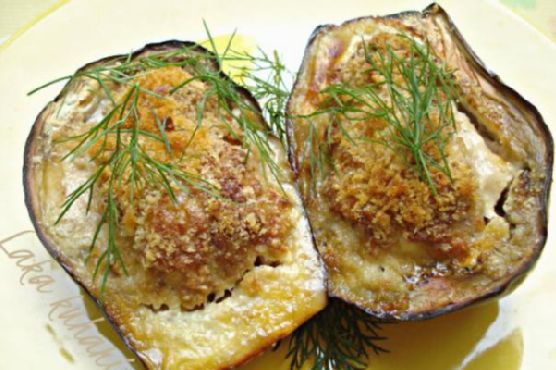
  • Mediterranean Stuffed Eggplants with Spiced Sausage and Herb-Crust | Made by Meaghan Moineau

    Mediterranean Stuffed Eggplants with Spiced Sausage and Herb-Crust | Made by Meaghan Moineau

    Mediterranean Stuffed Eggplants with Spiced Sausage and Herb-Crust

    Picture this: the comforting aroma of roasted eggplant mingling with the warm, inviting scent of smoked paprika and lemon zest. It’s a sensory journey that transports you straight to a Mediterranean kitchen, where every bite is a harmonious blend of bold flavors and rustic charm. Welcome to my twist on a classic — Mediterranean Stuffed Eggplants with Spiced Sausage and Herb-Crust.

    Personal Story

    My love affair with stuffed eggplants began in a small, bustling market in the heart of Santorini. I was on a long-overdue vacation, seeking solace and inspiration amidst the azure waters and sun-kissed landscapes. The market was alive with colors and sounds, each stall brimming with fresh produce and aromatic spices. There, I discovered a humble vendor selling perfectly roasted eggplants, filled with a savory stuffing that seemed to capture the essence of the Mediterranean in every bite.

    That first bite was revelatory. The eggplant was tender, almost creamy, and the stuffing was a perfect medley of flavors — rich, savory, and unexpectedly smoky. I was hooked. I knew I had to recreate this magic back home, but with my own signature twist.

    Back in my kitchen, I set out to capture that same magic. After a few (okay, several) kitchen experiments, I settled on a combination that’s become a beloved staple in my culinary repertoire. The addition of smoked paprika and lemon zest in the stuffing brings a smoky, citrusy depth, while a walnut-parsley crust adds an earthy crunch that elevates the dish beyond the classic version.

    Every time I prepare these Mediterranean Stuffed Eggplants, I’m transported back to that sun-drenched market, and I’m thrilled to share this journey with you. Whether you’re a seasoned home cook or just beginning your culinary adventures, this dish is a testament to the power of food to connect us to places and memories.

    What Makes This Version Special

    The magic of my Mediterranean Stuffed Eggplants lies in the details. The stuffing, enriched with smoked paprika and a hint of lemon zest, sings with a smoky, citrusy depth that enlivens the palate. These flavors harmonize beautifully with the creamy eggplant, making each bite a delightful surprise.

    But that’s not all. I’ve added a walnut-parsley crust that offers an earthy crunch, contrasting with the softness of the eggplant and the juiciness of the sausage. This crust is not just a topping; it’s a flavor-packed layer that transforms this dish into a textural masterpiece. By blooming the smoked paprika in olive oil, the spice’s essence is fully realized, permeating the sausage with a warmth that is both unexpected and comforting.

    In essence, this version of Mediterranean Stuffed Eggplants isn’t just about filling a vegetable; it’s about creating a symphony of flavors and textures that elevate a simple dish to something truly special.

    Flavor Profile

    Imagine a rich, smoky aroma wafting from your oven, mingling with the zesty brightness of lemon. As you take a bite, the eggplant’s tender flesh melts into a savory stuffing enriched with the depth of smoked paprika. The citrusy burst from lemon zest cuts through the richness of the sausage, balancing the flavors beautifully.

    And then, the final flourish: a crunchy, nutty crust of walnuts and parsley that adds a herbaceous finish, leaving you craving just one more bite. This dish is a sensory journey — rich, smoky, citrusy, and delightfully crunchy, all in one experience.

    Ingredients

    • 2 large eggplants
    • 2 tablespoons **olive oil**
    • 1/2 cup **walnuts**, finely chopped
    • 1/4 cup **fresh parsley**, chopped
    • 1/2 cup bread crumbs
    • 1 tablespoon **smoked paprika**
    • 1 tablespoon **lemon zest**
    • 1 pound fresh sausage, casings removed
    • 1/2 cup feta cheese, crumbled
    • 1/2 cup mozzarella cheese, shredded
    • 1/4 cup almonds, chopped
    • 1 large egg
    • Salt and pepper to taste
    • Fresh dill, chives, or basil for garnish

    Instructions

    1. Preheat your oven to 230°C (450°F). Line a baking sheet with parchment paper.
    2. Wash the eggplants thoroughly. Cut the stems off and halve them lengthwise. Use a spoon to scoop out the middle, leaving about a half-inch border to create a boat for the stuffing.
    3. In a small pan, heat the olive oil over medium heat. Add **smoked paprika** and cook for about 1 minute, stirring continuously, until it releases its aroma. This blooming process intensifies the paprika’s flavor.
    4. In a mixing bowl, combine the sausage meat, egg, feta cheese, mozzarella, almonds, and the bloomed paprika. Add salt and pepper to taste. Mix until well incorporated.
    5. Using a spoon, generously stuff the eggplant halves with the sausage mixture. Press down lightly to ensure even distribution.
    6. In a separate bowl, combine the **walnuts**, fresh parsley, and bread crumbs. Sprinkle this mixture over the stuffed eggplants, pressing down gently to form the crust.
    7. Drizzle the stuffed eggplants with a bit more olive oil to encourage browning, then place them on the prepared baking sheet.
    8. Bake in the preheated oven for 25 minutes, or until the crust is golden-brown and crispy, and the eggplants are tender.
    9. Remove from the oven and let them cool slightly. Garnish with fresh dill, chives, or basil before serving.

    Pro Tips from Meaghan’s Kitchen

    • For the best flavor, choose eggplants that are firm and heavy for their size. They should have smooth, glossy skin and feel slightly springy when pressed.
    • Blooming spices like smoked paprika in oil unlocks their full flavor potential, so don’t skip this step!
    • If the walnut-parsley crust starts to brown too quickly, cover the eggplants loosely with foil halfway through baking.
    • For added depth, toast the walnuts lightly in a dry pan before chopping. This enhances their nuttiness.
    • Feel free to adjust the amount of lemon zest to suit your taste. A bit more zest can brighten the overall flavor profile.

    Variations & Dietary Swaps

    • Vegetarian Version: Swap the sausage for a plant-based sausage or a mixture of cooked lentils and mushrooms for a hearty, meat-free option.
    • Spice-It-Up Version: Add a pinch of red pepper flakes to the sausage mixture for a spicy kick that complements the smoky paprika.
    • Kid-Friendly Version: Simplify by omitting the lemon zest and using only mozzarella in the stuffing. Serve with a side of marinara sauce for dipping.

    What to Serve With It

    These Mediterranean Stuffed Eggplants are a meal in themselves, but they pair beautifully with a fresh, crisp salad of arugula and cherry tomatoes. The peppery greens and juicy tomatoes offer a refreshing contrast to the rich, savory eggplants.

    For a complete dining experience, serve with a crisp, chilled glass of Sauvignon Blanc. The wine’s acidity and fruity notes complement the smoky, citrusy flavors of the dish perfectly.

    Storage & Meal Prep

    Leftovers can be stored in an airtight container in the fridge for up to three days. To reheat, place the eggplants in a preheated oven at 180°C (350°F) for about 10-15 minutes, or until warmed through.

    For meal prep, you can assemble the stuffed eggplants in advance and store them, uncooked, in the fridge for up to a day. When ready to serve, simply bake as directed.

    FAQ

    Can I freeze the stuffed eggplants?

    Yes, you can freeze the stuffed eggplants before baking. Wrap them tightly in plastic wrap and place in a freezer-safe container. Freeze for up to three months. To bake, thaw overnight in the fridge and proceed with the baking instructions.

    What can I use instead of walnuts for the crust?

    If you’re avoiding nuts, consider using panko bread crumbs or crushed sunflower seeds for a similar crunch without the nuts.

    How can I make this dish vegan?

    To make this dish vegan, use a plant-based sausage, replace the cheese with a vegan alternative, and use a flax egg (1 tablespoon ground flaxseed mixed with 2.5 tablespoons water) instead of the egg.

    Can I use a different type of cheese?

    Absolutely! Goat cheese or ricotta can be wonderful substitutes, adding a creamy texture and slight tang to the stuffing.

    Is there a way to reduce the saltiness?

    If you find the dish too salty, use reduced-sodium cheese and sausage, and rinse the feta under cold water before crumbling.

    Final Thoughts

    I hope these Mediterranean Stuffed Eggplants with Spiced Sausage and Herb-Crust inspire you to bring a taste of the Mediterranean into your kitchen. They’re a testament to the joy of cooking and the power of food to connect us to faraway places and cherished memories. I’d love to hear how this recipe turns out for you, so please leave a comment or share a photo of your creation. Happy cooking, and may your kitchen be filled with delicious aromas and happy memories!

    Related update: Mediterranean Stuffed Eggplants with Spiced Sausage and Herb-Crust

    Related update: Sumptuous Indian-Spiced Beef with Creamy Coconut Spinach

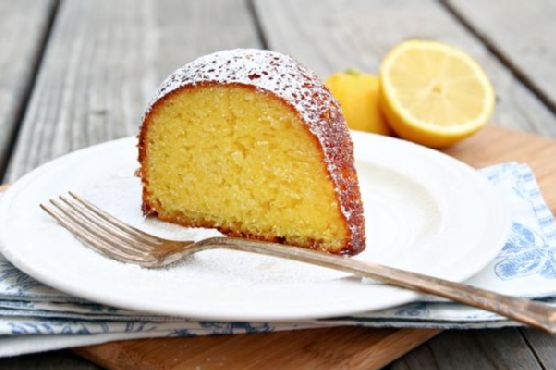
  • Zesty Lemon-Lavender Bundt Cake with Vanilla Bean Glaze | Made by Meaghan Moineau

    Zesty Lemon-Lavender Bundt Cake with Vanilla Bean Glaze | Made by Meaghan Moineau

    Zesty Lemon-Lavender Bundt Cake with Vanilla Bean Glaze

    Imagine a late afternoon when golden sunlight spills across your kitchen counter, the air filled with the scent of fresh lemons and a hint of lavender. That’s the moment I knew — a classic lemon bundt cake could be so much more than just a simple citrus delight. Today, I’m sharing my secret to transforming this traditional dessert into something truly remarkable: the Zesty Lemon-Lavender Bundt Cake with a luscious Vanilla Bean Glaze.

    Personal Story

    My love affair with bundt cakes began in my grandmother’s cozy kitchen, a place where the walls seemed to echo with laughter and the smell of baked goods always lingered. I remember one winter afternoon, with the world outside blanketed in snow, she handed me a lemon bundt cake recipe, saying, “This is a recipe for any season.” It was simple, yet its tartness and subtle sweetness were enough to lift anyone’s spirits.

    Years later, I found myself craving that same comforting cake but with a bit of a twist. My culinary journey took me to Provence, where fields of lavender swayed gently in the breeze. The idea struck me like a bolt of inspiration: why not infuse my grandmother’s beloved lemon bundt cake with the elegant aroma of lavender? On my return home, I spent countless afternoons experimenting in my kitchen, a place now filled with the fragrant blend of citrus and flowers.

    There were mishaps, of course — too much lavender, and the cake tasted like soap; too little, and it barely registered against the lemon. But eventually, I struck the right balance, yielding a cake that was not only beautiful to behold but also a delight to the senses. The addition of a vanilla bean glaze was the final touch, creating a dessert that feels both luxurious and homemade.

    Every time I bake this Zesty Lemon-Lavender Bundt Cake, I am transported back to those fields in Provence and my grandmother’s kitchen, both places of simple, profound joy.

    What Makes This Version Special

    This isn’t your average lemon bundt cake. By infusing it with aromatic lavender and topping it with a rich vanilla bean glaze, this version offers an elegant floral note that elevates the classic citrusy treat. The lavender adds a subtle but impressive depth, while the vanilla bean glaze brings a creamy sweetness that complements the cake’s tartness. It’s a harmonious blend of flavors that dances on your palate, making this cake a standout at any gathering.

    Flavor Profile

    Biting into this cake is like taking a sensory journey. First, the vibrant taste of lemon dances across your tongue, bright and refreshing. Then, the floral undertones of lavender emerge, adding a soft, aromatic note that intrigues and delights. The vanilla bean glaze, speckled and aromatic, wraps everything in a sweet, creamy finish. This Zesty Lemon-Lavender Bundt Cake is a delightful balance of citrus and floral notes with a creamy, vanilla-infused sweetness.

    Ingredients

    • 1 package lemon cake mix
    • 1 package lemon pudding mix
    • 4 large eggs
    • 1 cup sour cream
    • 1/2 cup vegetable oil
    • 1/2 cup water
    • 1 tablespoon **dried culinary lavender**
    • 1/4 cup frozen lemonade concentrate, thawed
    • 2 cups powdered sugar
    • 1 **vanilla bean**
    • 2 tablespoons fresh lemon zest

    Instructions

    1. Preheat your oven to 350 degrees Fahrenheit. Grease and flour a 10-inch bundt pan thoroughly, ensuring every nook is covered to prevent sticking.
    2. In a small pot, bring 1/4 cup of water to a boil. Add the dried lavender and let it steep for about 10 minutes. Strain the lavender, reserving the infused water.
    3. In a large mixing bowl, combine the lemon cake mix, lemon pudding mix, eggs, sour cream, vegetable oil, and the lavender-infused water. Mix until the batter is smooth and creamy.
    4. Gently fold in the fresh lemon zest, ensuring it is evenly distributed throughout the batter.
    5. Pour the batter into the prepared bundt pan, smoothing the top with a spatula. Bake for 50-60 minutes, or until a toothpick inserted into the center comes out clean.
    6. Allow the cake to cool in the pan for 10-15 minutes. Then, invert it onto a wire rack to cool completely.
    7. For the glaze, halve the vanilla bean and scrape out the seeds into a mixing bowl. Add the lemonade concentrate and 1 cup of powdered sugar, stirring until smooth.
    8. Gradually add the remaining powdered sugar, mixing until the glaze reaches your desired consistency. It should be thick but pourable.
    9. Spoon the glaze over the cooled cake, letting it drip down the sides. Dust with additional powdered sugar, if desired.

    Pro Tips from Meaghan’s Kitchen

    • For a more pronounced lavender flavor, you can add a drop of food-grade lavender essential oil to the batter.
    • Ensure your bundt pan is well-greased and floured; otherwise, the intricate details can cause the cake to stick.
    • Use a fine-mesh sieve to strain the lavender infusion, ensuring no bits of flower remain in the water.
    • When scraping the vanilla bean, use the back of a knife for easier handling and maximum seed extraction.
    • Let the cake cool slightly before glazing to avoid the glaze melting and sliding off completely.

    Variations & Dietary Swaps

    • Vegetarian Swap: Replace eggs with a plant-based egg substitute like aquafaba or flaxseed meal mixed with water.
    • Spice-it-Up Version: Add a teaspoon of cardamom to the cake batter for a warm, spicy note.
    • Kids-Friendly Version: Omit the lavender and add a swirl of blueberry jam to the batter before baking for a fruity twist.

    What to Serve With It

    This cake pairs beautifully with a cup of Earl Grey tea, its bergamot notes playing off the lavender beautifully. For a more celebratory feel, serve with a chilled glass of sparkling wine, which highlights the cake’s citrusy brightness.

    Storage & Meal Prep

    Store any leftovers in an airtight container at room temperature for up to three days. For longer storage, wrap slices individually in plastic wrap and freeze for up to a month. To reheat, let the cake thaw at room temperature, then warm slices in a microwave for 10-15 seconds or in an oven at 300 degrees Fahrenheit for a few minutes.

    FAQ

    Can I use fresh lavender instead of dried?

    While fresh lavender can be used, it’s more potent, so use sparingly. Dried lavender is recommended for a more controlled flavor infusion.

    What if I don’t have a bundt pan?

    You can use a regular cake pan, but adjust the baking time accordingly. Check for doneness around the 40-minute mark.

    How do I prevent the cake from sticking to the pan?

    Ensure your bundt pan is greased and floured thoroughly, and allow the cake to cool before attempting to remove it.

    Can I prepare the batter ahead of time?

    It’s best to bake the batter immediately for optimal rise. However, you can prepare the dry ingredients in advance to save time.

    Is there a substitute for the vanilla bean?

    If you don’t have a vanilla bean, use a teaspoon of pure vanilla extract in the glaze.

    Final Thoughts

    I hope this Zesty Lemon-Lavender Bundt Cake with Vanilla Bean Glaze brings a touch of elegance and delight to your next gathering. Its harmonious flavors are sure to impress, making it a memorable addition to any occasion. I’d love to hear how it turns out for you, so feel free to leave a comment or share your baking adventures on social media. Happy baking, friends!

    Related update: Zesty Lemon-Lavender Bundt Cake with Vanilla Bean Glaze

    Related update: Spiced Double-Layered Peanut Butter Cups with Sea Salt Crystals

  • Spiced Rhubarb and Apple Phyllo Pockets with Hazelnut Drizzle | Made by Meaghan Moineau

    Spiced Rhubarb and Apple Phyllo Pockets with Hazelnut Drizzle | Made by Meaghan Moineau

    Spiced Rhubarb and Apple Phyllo Pockets with Hazelnut Drizzle

    Imagine biting into a warm, flaky pastry where the crunch gives way to a sweet and tart filling, perfumed with the scent of cinnamon and ginger, and topped with a luscious hazelnut drizzle. It’s not just dessert; it’s an experience to savor. Welcome to the world of Spiced Rhubarb and Apple Phyllo Pockets — a creation where the familiar meets the extraordinary.

    Personal Story

    It was a crisp autumn afternoon when I first stumbled upon the idea of making Spiced Rhubarb and Apple Phyllo Pockets. I was at the farmers’ market, surrounded by vibrant displays of fall produce. The rhubarb’s bright red stalks caught my eye, and I felt a pang of nostalgia. My grandmother used to bake rhubarb pie every Sunday, her farmhouse kitchen filled with a warm, comforting aroma that could chase away the chill of any October day.

    As a child, I’d sit on the worn wooden stool by the counter, eyes wide with anticipation as I watched her work magic with simple ingredients. The way she handled the dough, effortlessly rolling and folding, was like watching a dance. I wanted to capture that magic but with my own twist, something that would honor her legacy yet stand on its own.

    Fast forward a few years; I found myself experimenting with phyllo dough, its delicate layers a new canvas for my culinary adventures. The idea to meld the tartness of rhubarb with the crisp sweetness of Granny Smith apples struck me like a revelation. I added a dash of cinnamon and ginger, warming spices that evoke the coziness of a fall evening. To top it all off, a hazelnut drizzle — a nutty, sweet finish that tied everything together.

    My first batch of Spiced Rhubarb and Apple Phyllo Pockets wasn’t without hiccups. A phyllo sheet tore, the filling escaped, but the taste was incredible. With each attempt, I perfected the technique, and now, it’s a staple in my fall dessert repertoire. Every bite is a tribute to my grandmother, a nod to tradition with a deliciously modern twist.

    What Makes This Version Special

    What sets these Spiced Rhubarb and Apple Phyllo Pockets apart is the clever interplay of flavors and textures. The addition of diced Granny Smith apples introduces a crisp, sweet contrast to the tartness of the rhubarb. Meanwhile, the spiced hazelnut drizzle brings an unexpected yet delightful nuttiness that elevates the entire dish. Unlike a traditional rhubarb pie, these pockets offer a sophisticated spin, perfect for impressing dinner guests or savoring a quiet moment alone.

    Flavor Profile

    Prepare for a symphony of flavors with every bite of these phyllo pockets. The filling marries the sweet-tart blend of rhubarb and Granny Smith apples, enriched by the aromatic warmth of cinnamon and ginger. As you bite through the flaky, buttery layers of the phyllo, the crunch gives way to the juicy filling, which is perfectly complemented by the rich, nutty sweetness of the hazelnut drizzle. It’s a culinary journey that takes your taste buds from tangy heights to warm, spiced depths.

    Ingredients

    • 2 cups diced rhubarb
    • 1 cup diced Granny Smith apples
    • 1/2 cup granulated sugar
    • 2 tablespoons cornstarch
    • 1/4 teaspoon salt
    • 1 teaspoon vanilla extract
    • 1 teaspoon **cinnamon**
    • 1/2 teaspoon **ground ginger**
    • 8 phyllo sheets
    • 1/2 cup melted butter
    • 1/2 cup **chopped toasted hazelnuts**
    • 1/4 cup **honey**

    Instructions

    1. Combine the diced rhubarb, sugar, cornstarch, and salt in a medium saucepan over medium-low heat. Cook, stirring occasionally, until the rhubarb releases its liquid and begins to break down, creating a thick, chunky sauce, about 10 minutes. Remove from heat and stir in the vanilla extract. Set aside to cool to room temperature.
    2. In a small saucepan, melt a tablespoon of butter over low heat. Add the cinnamon and ground ginger, blooming them in the butter for about 30 seconds until aromatic. Stir this fragrant mixture into the rhubarb filling for added depth of flavor.
    3. Preheat the oven to 350°F (175°C). Layer four phyllo sheets, brushing each sheet with melted butter as you stack them. This ensures a crispy, golden outcome.
    4. Cut the phyllo stack into four 4-inch squares. Place 2 teaspoons of the cooled rhubarb and apple filling in the center of each square.
    5. Brush the edges of the phyllo from the filling to each point of the square lightly with water. Gather the points and pinch them together just above the filling to form a pouch. Brush the outside with butter to achieve that beautiful golden-brown finish.
    6. Place the filled pouches at least 1 inch apart on an ungreased baking sheet. Bake in the preheated oven for 12 to 15 minutes, or until the phyllo is crisp and golden brown.
    7. While the pockets bake, prepare the hazelnut drizzle. In a small saucepan, gently warm the honey and chopped toasted hazelnuts together until the honey is thin and the nuts are thoroughly coated. Remove from heat.
    8. Once the pockets are baked, remove them from the oven and let them cool on a wire rack for about 5 minutes. Drizzle the warm hazelnut honey over each pocket before serving.

    Pro Tips from Meaghan’s Kitchen

    • Always keep your phyllo sheets covered with a damp cloth while working to prevent them from drying out and becoming brittle.
    • If you don’t have hazelnuts, walnuts or pecans make a great substitute, offering a different but equally delicious nutty flavor.
    • For an even crispier texture, consider using clarified butter to brush the phyllo sheets.
    • Make sure your filling is completely cooled before assembling the pockets to avoid soggy dough.
    • Blooming your spices in butter is a game changer — it releases their full aromatic potential and infuses your dishes with deeper flavor.

    Variations & Dietary Swaps

    • Vegetarian Swap: This dish is naturally vegetarian, but for a vegan version, use vegan butter and agave nectar instead of honey for the drizzle.
    • Spice-it-up Version: Add a pinch of cayenne pepper to the filling for a surprising kick that will excite your taste buds.
    • Kids-friendly Version: Reduce the amount of ginger and cinnamon for a milder flavor that children will enjoy. You can also involve them in the assembly process for some family fun!

    What to Serve With It

    These Spiced Rhubarb and Apple Phyllo Pockets are a treat on their own, but they truly shine when paired with the right accompaniments. Serve them with a cold glass of apple cider for a refreshing contrast or, for an indulgent touch, a scoop of creamy vanilla ice cream. The warmth of the pockets against the chill of the ice cream creates a delightful taste and temperature sensation.

    Storage & Meal Prep

    These phyllo pockets can be stored in the refrigerator for up to three days. To maintain their crispiness, reheat them in a preheated oven at 350°F (175°C) for about 5-7 minutes. If you’d like to prep them ahead of time, assemble the pockets and freeze them unbaked. When ready to enjoy, bake straight from the freezer, adding a few extra minutes to the baking time.

    FAQ

    Can I use frozen rhubarb for this recipe?

    Yes, you can use frozen rhubarb. Just make sure to thaw and drain it well before using to avoid excess moisture in your filling.

    What if I can’t find phyllo dough?

    If phyllo dough is unavailable, you can substitute with puff pastry for a flakier texture. Adjust the baking time accordingly, as puff pastry may take a bit longer to achieve a golden brown color.

    Can I make the filling in advance?

    Absolutely! The filling can be made up to two days in advance and stored in the refrigerator. This not only saves time but also allows the flavors to meld together beautifully.

    What other nuts can I use instead of hazelnuts?

    Walnuts, pecans, or even almonds work well as substitutes for hazelnuts. Each type of nut will bring its own unique flavor profile to the dish.

    Final Thoughts

    Creating these Spiced Rhubarb and Apple Phyllo Pockets with Hazelnut Drizzle is like embarking on a culinary adventure, one that rewards with every flaky, sweet, and aromatic bite. I hope this recipe brings as much joy to your kitchen as it does to mine. I would love to hear your thoughts and see your creations, so please leave a comment below or share your photos on social media. Let’s keep the conversation (and the deliciousness) going!

    Related update: Spiced Rhubarb and Apple Phyllo Pockets with Hazelnut Drizzle

    Related update: Zesty Lemon-Lavender Bundt Cake with Vanilla Bean Glaze

  • Nutty Banana-Peanut Butter Breakfast Cookies with Dark Chocolate and Sea Salt | Made by Meaghan Moineau

    Nutty Banana-Peanut Butter Breakfast Cookies with Dark Chocolate and Sea Salt | Made by Meaghan Moineau

    Nutty Banana-Peanut Butter Breakfast Cookies with Dark Chocolate and Sea Salt

    Picture this: the comforting aroma of warm peanut butter wafting through your kitchen, mingling with the irresistible scent of melting dark chocolate, as you anticipate a sweet, nutty bite of goodness. These Nutty Banana-Peanut Butter Breakfast Cookies with Dark Chocolate and Sea Salt are about to become your new morning obsession.

    Personal Story

    There was a time when breakfast in my house was a hurried affair, where a quick slice of toast or a bowl of cereal had to suffice before dashing out the door. But everything changed the morning I discovered the joy of breakfast cookies. It was a chilly autumn day, and I was craving something warm and comforting that I could enjoy leisurely with my cup of chai tea. That was the day these Nutty Banana-Peanut Butter Breakfast Cookies were born.

    The inspiration came from a kitchen mishap, believe it or not. I had intended to make banana bread, but with a toddler tugging at my apron strings, I misjudged the batter’s consistency and ended up with dough instead. With a quick pivot, I decided to scoop the mixture onto a baking sheet, and, voilà, breakfast cookies emerged from the oven.

    As I took my first bite, the sweet nuttiness combined with the rich chocolate finish and a hint of sea salt danced on my palate. It was a revelation. These cookies offered the comfort of a homemade breakfast with the portability of a grab-and-go snack, making them perfect for busy mornings.

    Since that serendipitous kitchen experiment, these cookies have become a staple in my family. I love making them ahead of a busy week, knowing that I have a delicious and wholesome option ready to go. Plus, they’re a hit with my little one, who loves to help me mix the ingredients and sprinkle the sea salt. It’s these simple, joyful moments that make cooking such a cherished part of my day.

    What Makes This Version Special

    What sets my Nutty Banana-Peanut Butter Breakfast Cookies apart is the luxurious touch of pure maple syrup and the strategic sprinkle of sea salt. The maple syrup adds a layer of richness that complements the creamy peanut butter and sweet bananas, creating a flavor profile that’s both familiar and elevated. Meanwhile, a sprinkle of sea salt on top of the cookies right after baking enhances the sweetness while balancing the nutty, chocolatey notes, offering a delightful contrast that keeps you reaching for just one more.

    Flavor Profile

    These breakfast cookies deliver a sweet, nutty, and slightly salty flavor experience. Imagine biting into a cookie where the warmth of creamy peanut butter meets the tropical sweetness of bananas, all underscored by the crunch of toasted mixed nuts. The dark chocolate chips melt into pockets of rich, velvety goodness, while the sea salt brightens each bite, making the flavors pop. It’s a harmonious blend that satisfies both sweet and savory cravings.

    Ingredients

    • 3 ripe bananas, mashed
    • 1/2 cup butter flavor shortening
    • **1 cup dark chocolate chips**
    • **1/2 cup creamy peanut butter**
    • 1 cup mixed nuts, lightly toasted
    • 2 cups oatmeal
    • 1/2 cup unsweetened applesauce
    • 1 teaspoon vanilla extract
    • 1 scoop vanilla protein powder
    • **1/4 cup pure maple syrup**
    • **Sea salt**, for sprinkling

    Instructions

    1. Preheat your oven to 350°F (175°C).
    2. In a large mixing bowl, combine the mashed bananas and creamy peanut butter until smooth and fully integrated.
    3. Add the unsweetened applesauce, vanilla protein powder, and vanilla extract to the banana mixture. Stir until all ingredients are well combined.
    4. Introduce the oatmeal and toasted mixed nuts to the bowl, and fold them into the banana mixture. If you prefer the chocolate chips mixed throughout, add them at this stage. Let the dough rest for 10 minutes to allow the oats to absorb moisture.
    5. Line a baking sheet with parchment paper. Drop spoonfuls of cookie dough onto the sheet, flattening each spoonful into a circle.
    6. For cookies with chocolate chips on top, sprinkle them now, pressing gently so they adhere.
    7. Bake in the preheated oven for 20-30 minutes, adjusting the time based on your preference for softer or crisper cookies. Look for a golden-brown color as a visual cue for doneness.
    8. Upon removing from the oven, sprinkle a pinch of sea salt over the warm cookies to enhance the sweetness and balance the flavors.
    9. Allow the cookies to rest on the baking sheet for 5 minutes before transferring to a cooling rack. If desired, use a pizza cutter or sharp knife to score the tops for a traditional look.
    10. Once completely cool, store the cookies in an airtight container. Enjoy them fresh or with your favorite cup of tea.

    Pro Tips from Meaghan’s Kitchen

    • Toasting the nuts: Lightly toasting the mixed nuts in a dry pan before incorporating them into the dough intensifies their flavor and adds a satisfying crunch.
    • Optimal banana ripeness: Use bananas that are ripe but not overly mushy for the best sweetness and texture.
    • Protein boost: Adjust the protein powder amount to suit your dietary needs, or substitute with almond flour for a different texture.
    • Sea salt timing: Sprinkle the sea salt immediately after baking while the cookies are still warm to ensure it adheres properly and enhances flavors.
    • Batch baking: Double the recipe and freeze half the dough for a quick, fresh batch later.

    Variations & Dietary Swaps

    • Vegetarian Swap: Ensure your vanilla protein powder is plant-based to maintain a vegetarian-friendly cookie.
    • Spice-it-up Version: Add a teaspoon of cinnamon or nutmeg to the dough for a warming spice twist.
    • Kids-Friendly Version: Substitute the dark chocolate chips with mini chocolate chips, and involve the kids in shaping the cookies for a fun family activity.

    What to Serve With It

    These Nutty Banana-Peanut Butter Breakfast Cookies are perfectly complemented by a steaming cup of chai tea, which enhances the warm spices and nuttiness. Alternatively, an almond milk latte offers a creamy, nutty counterpart to the rich chocolate finish of the cookies.

    Storage & Meal Prep

    For optimal freshness, store the cookies in an airtight container at room temperature for up to three days. For longer storage, place them in the refrigerator for up to a week. To freeze, lay the cookies flat in a single layer on a baking sheet, freeze until solid, then transfer to a freezer-safe bag or container. Reheat frozen cookies in a preheated oven at 300°F (150°C) for 5-8 minutes or until warm.

    FAQ

    Can I use a different type of nut butter?

    Absolutely! Almond butter or cashew butter would work wonderfully and bring their own unique flavors to the cookies.

    How can I make these cookies gluten-free?

    Simply substitute gluten-free oats into the recipe, ensuring all other ingredients are certified gluten-free as well.

    What if I don’t have vanilla protein powder?

    No problem! You can omit the protein powder or replace it with almond flour or additional oatmeal to maintain the texture.

    Can I use honey instead of maple syrup?

    Yes, honey can be used as a substitute for maple syrup, but note that it may slightly alter the flavor profile.

    How do I know when the cookies are fully baked?

    The cookies are done when they achieve a lovely golden-brown color. If you prefer them softer, aim for a lighter golden hue.

    Final Thoughts

    These Nutty Banana-Peanut Butter Breakfast Cookies with Dark Chocolate and Sea Salt are a delightful way to start your day or enjoy as a midday snack. Their balanced flavor profile and wholesome ingredients make them a favorite in my household, and I hope they become a staple in yours as well. I’d love to hear how they turned out for you, so feel free to leave a comment or share your own twists on the recipe. Happy baking!

    Related update: Nutty Banana-Peanut Butter Breakfast Cookies with Dark Chocolate and Sea Salt

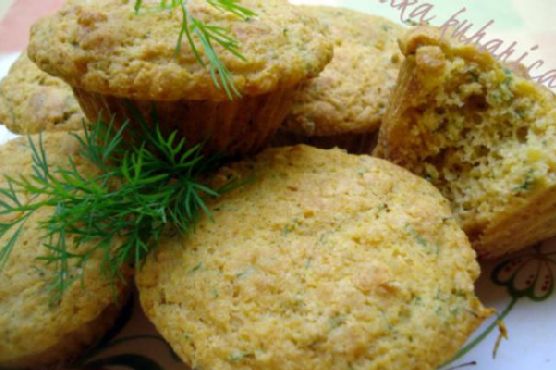
  • Savory Chive and Dill Muffins with Smoked Gouda and Sun-Dried Tomatoes | Made by Meaghan Moineau

    Savory Chive and Dill Muffins with Smoked Gouda and Sun-Dried Tomatoes | Made by Meaghan Moineau

    Savory Chive and Dill Muffins with Smoked Gouda and Sun-Dried Tomatoes

    Picture this: the comforting aroma of freshly baked muffins fills your kitchen, their golden-brown tops peeking invitingly over the rims of the muffin tin. These aren’t just any muffins; they’re Savory Chive and Dill Muffins with Smoked Gouda and Sun-Dried Tomatoes, rich with the flavors of smoked cheese and tangy tomatoes. It’s a sensory delight that transforms simple baking into a gourmet experience.

    My love affair with muffins began in my grandmother’s kitchen—a small, sunlit space where the smell of baked goods was as constant as her smile. One summer afternoon, I decided to add my own spin to her classic cornbread muffin recipe. As a teenager eager to impress, I scoured the pantry for ingredients that would stand out. My eyes landed on a block of smoked Gouda and a jar of sun-dried tomatoes, and a culinary experiment was born.

    I remember the flurry of activity: the whisking, the mixing, and the anticipation as the muffins baked. The result? A warm bite that was both familiar and surprisingly new. The smokiness of the Gouda melded with the sweet tartness of the tomatoes, creating a savory masterpiece that had my family reaching for seconds.

    It wasn’t just the accolades that hooked me; it was the realization that a little creativity could elevate a simple dish into something extraordinary. Over the years, these muffins have become a staple in my kitchen, a go-to for brunches and cozy afternoons alike.

    Every time I bake them, I’m transported back to that moment of discovery and the joy of sharing something deliciously unexpected with loved ones. These Savory Chive and Dill Muffins with Smoked Gouda and Sun-Dried Tomatoes are more than just a recipe; they’re a piece of my culinary heart.

    What Makes This Version Special

    What sets these Savory Chive and Dill Muffins apart from the ordinary is the inclusion of smoked Gouda and sun-dried tomatoes. While traditional cornbread muffins are delightful in their simplicity, this version is an elevated experience. The smoked Gouda imparts a rich, creamy texture that melts beautifully into the batter, while the sun-dried tomatoes offer a tangy burst of flavor that complements the fresh herbs perfectly.

    These key ingredients not only transform the muffins into a savory sensation but also provide a depth of flavor that makes each bite complex and satisfying. The interplay between the smoky cheese and the vibrant tomatoes is a delicious dance that will leave your taste buds begging for more. If you’re looking to impress at your next brunch or simply want to treat yourself to an elevated snack, these muffins are the answer.

    Flavor Profile

    Imagine biting into a warm, fluffy muffin, the savory scent of chives and dill wafting up as you break the tender crumb. The initial taste is a rich, buttery backdrop, quickly followed by the creamy smokiness of the Gouda that lingers pleasantly on your palate. Just when you think you’ve tasted it all, the sun-dried tomatoes make their entrance—a tangy zing that cuts through the richness, leaving you with a perfectly balanced finish. These muffins are a symphony of flavors, with each component playing its part to perfection.

    Ingredients

    • 1 cup all-purpose flour
    • 1/2 cup yellow cornmeal
    • 2 tablespoons sugar
    • 1 tablespoon baking powder
    • 1/2 teaspoon salt
    • 1/4 teaspoon baking soda
    • 1/4 teaspoon cayenne pepper
    • 1/4 cup chopped fresh chives
    • 1/4 cup chopped fresh dill
    • 1 cup plain yogurt
    • 2 large eggs
    • 1/4 cup melted butter
    • **3/4 cup shredded smoked Gouda cheese**
    • **1/2 cup chopped sun-dried tomatoes (oil-packed)**

    Instructions

    1. Preheat your oven to 220°C (428°F) and prepare your muffin tin by greasing or lining with silicone cups.
    2. In a dry skillet over medium heat, toast the cornmeal for 2-3 minutes until it’s fragrant and slightly darker in color. This step enhances its nutty flavor.
    3. In a medium bowl, whisk together the flour, toasted cornmeal, sugar, baking powder, salt, baking soda, and cayenne pepper. Stir in the chopped chives and dill.
    4. In another bowl, whisk the yogurt, eggs, and melted butter until well combined.
    5. Add the yogurt mixture to the dry ingredients, stirring just until blended. Be careful not to overmix, as this can result in tough muffins.
    6. Gently fold in the **shredded smoked Gouda** and **chopped sun-dried tomatoes** until evenly distributed throughout the batter.
    7. Divide the batter evenly among the prepared muffin cups, using about 1/3 cup for each.
    8. Bake for 20 minutes or until the muffins are puffed and golden-brown. Use a toothpick to test for doneness—it should come out clean.
    9. Let the muffins cool in the tin for a few minutes before removing them. Serve warm and enjoy the burst of flavors!

    Pro Tips from Meaghan’s Kitchen

    • Choose a high-quality smoked Gouda for the best flavor impact. The smokiness should be subtle yet distinct.
    • Allow your eggs and yogurt to come to room temperature before mixing. This helps them incorporate more smoothly into the batter.
    • Don’t skip the step of toasting the cornmeal. It makes a significant difference in flavor, adding a toasty, nutty undertone.
    • When folding in the Gouda and sun-dried tomatoes, use a spatula and fold gently to prevent overmixing, which can result in dense muffins.
    • If you’re not a fan of cayenne pepper, feel free to reduce or omit it based on your heat preference.

    Variations & Dietary Swaps

    • Vegetarian Swap: These muffins are already vegetarian-friendly, but you can enhance them with additional veggies like finely chopped red bell peppers or zucchini.
    • Spice-It-Up Version: For those who enjoy a bit of heat, add a diced jalapeño to the batter along with the chives and dill.
    • Kids-Friendly Version: Omit the cayenne pepper and add a touch of honey to balance the savory flavors with a hint of sweetness. Kids will love the cheesy, herby goodness!

    What to Serve With It

    These Savory Chive and Dill Muffins pair beautifully with a chilled glass of sparkling white wine, the effervescence cutting through the richness of the cheese. Alternatively, serve them alongside a light arugula salad dressed with lemon vinaigrette for a refreshing contrast. They’re also delightful with a bowl of creamy tomato soup for a cozy meal.

    Storage & Meal Prep

    Store any leftover muffins in an airtight container at room temperature for up to two days. For longer storage, wrap them individually in plastic wrap and place them in a freezer-safe bag. They can be frozen for up to three months. To reheat, simply thaw at room temperature or warm them in the oven at 180°C (356°F) for about 10 minutes until heated through.

    FAQ

    Can I use regular Gouda instead of smoked Gouda?

    Absolutely! While smoked Gouda adds a unique flavor, regular Gouda or even sharp cheddar can be used for a different but equally delicious result.

    How can I keep the muffins from becoming dense?

    The key to light, airy muffins is to avoid overmixing the batter. Stir just until the ingredients are combined and fold in the add-ins gently.

    Are these muffins gluten-free?

    As written, this recipe is not gluten-free. However, you can try using a gluten-free flour blend and ensure that the cornmeal is certified gluten-free.

    Can I make the batter ahead of time?

    For the best results, it’s recommended to bake the muffins immediately after mixing the batter. If necessary, you can prepare the dry and wet ingredients separately and combine them just before baking.

    What can I use instead of sun-dried tomatoes?

    If you’re out of sun-dried tomatoes, roasted red peppers or even olives can provide a similar tangy note. Adjust the quantity to taste.

    Final Thoughts

    I hope you fall in love with these Savory Chive and Dill Muffins with Smoked Gouda and Sun-Dried Tomatoes as much as I have. They’re a testament to how a few thoughtful ingredients can transform a classic dish into something extraordinary. I’d love to hear how they turn out for you, so feel free to leave a comment or share your creations on social media. Happy baking!

    Related update: Savory Chive and Dill Muffins with Smoked Gouda and Sun-Dried Tomatoes

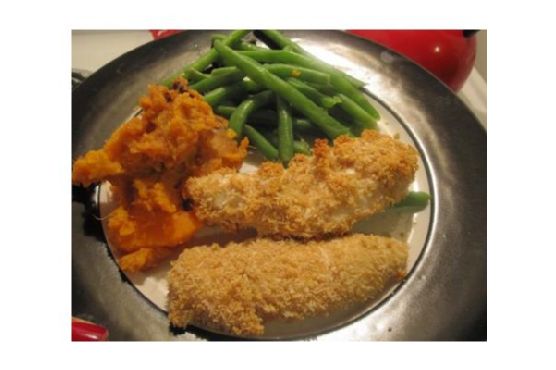
  • Tropical Coconut-Curry Chicken Tenders with Spicy Mango Dip | Made by Meaghan Moineau

    Tropical Coconut-Curry Chicken Tenders with Spicy Mango Dip | Made by Meaghan Moineau

    Tropical Coconut-Curry Chicken Tenders with Spicy Mango Dip

    Imagine the sizzle of golden-brown chicken tenders emerging from the oven, their aroma mingling with the fragrant spices of a tropical breeze. The crispy coating gives way to juicy, tender chicken, each bite a whisper of exotic lands. This isn’t your average chicken tender; this is a culinary vacation on a plate.

    Personal Story

    Every summer, as a child, my family would take a trip to the coast, where the salty sea air mixed with the sweet scents of local street food. One particular summer, I stumbled upon a small food stall offering skewers of chicken marinated in coconut and spices. The taste was a revelation, a burst of flavors that danced on my tongue and made the ocean view even more memorable.

    Years later, I found myself craving that same vibrant flavor. While experimenting in my home kitchen, I decided to recreate this memory with my own special twist: an infusion of curry powder and a tangy mango dip that added a touch of heat. I wanted to share that sense of discovery with my friends and family, and this recipe was born from that desire.

    Of course, my first few attempts were a bit of a kitchen comedy. I remember the coconut scattering across the floor like confetti, the curry powder puffing up in a small cloud. But soon, I had it down to a science. The key was balancing the flavors, making sure each element complemented the others without overpowering them.

    Now, these tropical coconut-curry chicken tenders have become a staple at our summer gatherings. They evoke memories of the beach, laughter, and the joy of trying something new. Sharing this recipe with you feels like inviting you into those cherished moments of my life.

    What Makes This Version Special

    What sets these tropical coconut-curry chicken tenders apart is the aromatic curry powder blended into the breadcrumb and coconut mixture. This addition transforms a simple dish into a flavor-packed experience, transporting your taste buds straight to a tropical paradise. But we don’t stop there; the spicy mango dip made from dried mango slices, lime juice, honey, and red chili flakes elevates the dish, adding a zesty punch that complements the savory tenders perfectly. This version takes the standard chicken tender and turns it into a dish worthy of any adventurous palate.

    Flavor Profile

    The taste experience of these chicken tenders is a harmonious blend of savory, sweet, and spicy, with a hint of tropical curry essence. The coconut provides a subtle sweetness and crisp texture, while the curry powder infuses the tenders with warm, earthy notes. The spicy mango dip is a bright contrast, offering a sweet and tangy zip with just the right amount of heat from the red chili flakes. Together, these flavors create a culinary symphony that is both comforting and exhilarating.

    Ingredients

    • 1 pound chicken tenders
    • 2 egg whites
    • 1 cup **unsweetened coconut**
    • 1 cup **whole wheat bread crumbs**
    • 2 tablespoons **curry powder**
    • 1/2 cup **dried mango slices**
    • 2 tablespoons **lime juice**
    • 1 tablespoon **honey**
    • 1 teaspoon **red chili flakes**
    • Fresh cilantro for garnish

    Instructions

    1. Preheat your oven to 350°F (175°C). This ensures that the chicken tenders cook evenly and achieve that perfect golden-brown crust.
    2. In a shallow bowl, whisk the egg whites until frothy. This will help the breadcrumb mixture adhere to the chicken tenders.
    3. In a separate bowl, combine the whole wheat bread crumbs, unsweetened coconut, and curry powder. Mix well to ensure the curry powder is evenly distributed.
    4. Dip each chicken tender into the egg whites, allowing any excess to drip off. Then, roll the chicken in the breadcrumb and coconut mixture, pressing gently to ensure it sticks.
    5. Place the coated chicken tenders on a baking sheet lined with parchment paper. Bake for 20 minutes, or until the tenders are golden-brown and cooked through.
    6. Meanwhile, prepare the spicy mango dip. In a food processor, blend the dried mango slices, lime juice, honey, and red chili flakes until smooth and well combined.
    7. Serve the chicken tenders hot, garnished with fresh cilantro, alongside the spicy mango dip for dunking.

    Pro Tips from Meaghan’s Kitchen

    • For extra-crispy tenders, spray a light mist of cooking oil over the coated chicken before baking.
    • Let the egg whites come to room temperature before using; it helps the coating stick better.
    • Do not skip the step of grinding the dried mango slices; it creates a smoother dip with a more intense mango flavor.
    • If the dip is too thick, add a splash of water or extra lime juice to reach your desired consistency.
    • For a more uniform coating, use panko breadcrumbs instead of standard breadcrumbs.

    Variations & Dietary Swaps

    • Vegetarian Swap: Substitute the chicken tenders with firm tofu slices for a vegetarian-friendly version.
    • Spice-It-Up: Increase the red chili flakes in the mango dip or add a dash of cayenne pepper for those who crave more heat.
    • Kids-Friendly: Omit the chili flakes from the mango dip and serve with a honey mustard or sweet chili sauce instead.

    What to Serve With It

    These tropical coconut-curry chicken tenders pair beautifully with a chilled glass of tropical fruit punch or a light mango lassi. For a more substantial meal, serve alongside a vibrant salad of mixed greens, avocado, and a squeeze of lime. The refreshing elements will balance out the rich flavors of the chicken and dip, creating a well-rounded meal that’s perfect for any occasion.

    Storage & Meal Prep

    Store any leftover chicken tenders in an airtight container in the fridge for up to three days. To reheat, bake in a preheated oven at 350°F (175°C) for about 10 minutes to retain their crispiness. The spicy mango dip can be stored in the refrigerator for up to a week. For longer storage, freeze the coated, uncooked chicken tenders on a baking sheet, then transfer them to a freezer bag. They can be baked straight from the freezer, adding an extra 5 minutes to the cooking time.

    FAQ

    Can I use sweetened coconut instead of unsweetened?

    While you can use sweetened coconut, it may make the dish a bit too sweet and overpower the curry flavor. I recommend sticking with unsweetened coconut for the best balance.

    What if I don’t have a food processor for the mango dip?

    No worries! You can finely chop the dried mango slices and mix the ingredients by hand, though the texture will be chunkier. Consider using a blender as an alternative.

    Can I fry the chicken tenders instead of baking them?

    Absolutely! Frying will give them an even crispier texture, but make sure to monitor the heat to avoid burning the coconut. Fry in hot oil until golden-brown and cooked through, usually about 3-4 minutes on each side.

    Is there a gluten-free option for this recipe?

    Yes! Substitute the whole wheat bread crumbs with gluten-free bread crumbs or crushed rice cereal for a gluten-free version.

    Can I make the mango dip less spicy?

    Definitely. Simply reduce the amount of red chili flakes or omit them entirely for a milder version of the dip.

    Final Thoughts

    I hope you enjoy making and devouring these tropical coconut-curry chicken tenders as much as I do. They’re a delightful blend of flavors that bring a touch of the exotic to your dinner table. I love hearing from fellow food enthusiasts, so feel free to share your experiences, tweaks, or even any mishaps in the comments below. And, of course, if you think someone else might enjoy this recipe, don’t hesitate to share it. Happy cooking!

    Related update: Tropical Coconut-Curry Chicken Tenders with Spicy Mango Dip

    Related update: Herb-Crusted Lemon Roast Chicken with Truffle-Infused Potatoes

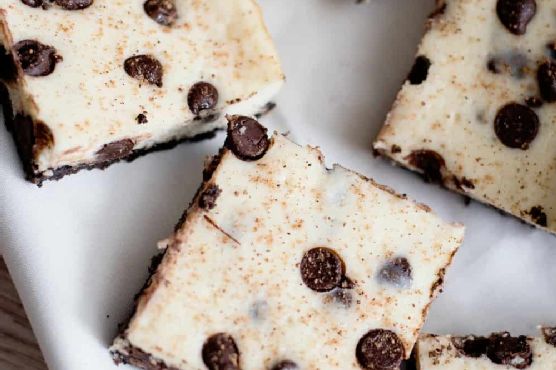
  • Spiced Chocolate Chip Eggnog Bars with Gingerbread Crust | Made by Meaghan Moineau

    Spiced Chocolate Chip Eggnog Bars with Gingerbread Crust | Made by Meaghan Moineau

    Spiced Chocolate Chip Eggnog Bars with Gingerbread Crust

    Imagine the aroma of spiced rum wafting through your kitchen, mingling with the holiday warmth of gingerbread, as you pull a tray of Spiced Chocolate Chip Eggnog Bars with Gingerbread Crust from the oven. The golden-brown crust crackles as you cut into it, revealing layers of creamy, nutmeg-scented bliss studded with sweet chocolate chips. This isn’t just dessert; it’s the essence of the season captured in a single bite.

    Personal Story

    Every holiday season, my kitchen transforms into a whimsical workshop of sweet delights, and these Spiced Chocolate Chip Eggnog Bars with Gingerbread Crust have become a treasured tradition. It all started a few years ago when I was searching for a way to bring together my two favorite holiday treats: eggnog and gingerbread. While brainstorming with a friend over a mug of spiced hot apple cider, the idea for these bars was born.

    The first time I made them, it was a bit of a kitchen adventure. I remember the aroma of gingerbread cookies, freshly crushed for the crust, filling my tiny kitchen. While I may have ended up with more cookie crumbs on the floor than in the pan, the tantalizing scent was enough to make me forget about the mess. As I poured the creamy eggnog mixture over the crust, I knew these bars were going to be something special.

    When I finally cut into the cooled bars, I was nervous — would they live up to my expectations? One bite and I was transported. The creamy filling, kissed by the warmth of spiced rum, paired with the subtly sweet and spicy gingerbread crust, was nothing short of magic. Since then, these bars have become a staple at my family’s holiday gatherings, always met with eager anticipation and happy smiles.

    Now, as I share this recipe with you, I hope these Spiced Chocolate Chip Eggnog Bars with Gingerbread Crust become a part of your holiday traditions too, bringing joy and warmth to your table.

    What Makes This Version Special

    This recipe takes the classic eggnog bar and elevates it with a festive twist. The gingerbread crust, made from finely crushed gingerbread cookies, adds a spicy sweetness that perfectly complements the creamy eggnog filling. By incorporating a splash of spiced rum, we introduce an extra layer of warmth that plays beautifully with the nutmeg and cinnamon. These additions transform a standard holiday treat into a memorable indulgence, perfect for any festive occasion.

    Flavor Profile

    Rich, creamy, and infused with the essence of the holiday season, these bars are a sensory delight. The filling is luxuriously smooth, with a gentle tang from the cream cheese, balanced by the sweetness of chocolate chips that melt into pockets of gooey goodness. Each bite is a harmonious blend of spiced rum, nutmeg, and cinnamon, evoking cozy evenings by the fire. The gingerbread crust provides a satisfying crunch and a fragrant, spicy base that elevates the entire experience.

    Ingredients

    • 1 1/2 cups **gingerbread cookies**, finely crushed
    • 1/4 cup unsalted butter, melted
    • 8 oz cream cheese, softened
    • 1/2 cup granulated sugar
    • 1/4 cup all-purpose flour
    • 3/4 cup eggnog
    • 2 large eggs
    • 1/4 cup spiced rum
    • 1/2 tsp ground ginger
    • 1/2 tsp cinnamon
    • 1/2 cup semi-sweet chocolate chips
    • 1/4 tsp freshly grated nutmeg

    Instructions

    1. Preheat your oven to 300°F (150°C). Line an 8×8 inch baking pan with foil, ensuring that the foil hangs over the edges for easy lifting later. Lightly spray with non-stick spray.
    2. In a food processor, pulse the **gingerbread cookies** until they are finely crushed. Add the melted butter and pulse again until the mixture resembles wet sand.
    3. Press the crumb mixture firmly and evenly into the bottom of the prepared pan to form the crust. Set it aside as you prepare the filling.
    4. Wipe out the food processor, then add the cream cheese and granulated sugar. Pulse until the mixture is creamy and smooth, ensuring no lumps remain.
    5. Incorporate the all-purpose flour, eggnog, and eggs into the cream cheese mixture, pulsing until everything is thoroughly combined.
    6. Add 1/4 cup of spiced rum, ground ginger, and cinnamon to the mixture, pulsing once more to meld the flavors.
    7. Gently fold in the semi-sweet chocolate chips using a spatula, then pour the creamy filling over the gingerbread crust in your prepared pan.
    8. Optional: Sprinkle a few extra chocolate chips over the top for a decorative touch.
    9. Bake for 35-40 minutes, or until the edges are set and the center has just a slight jiggle. The top should be lightly golden-brown.
    10. Cool completely on the counter before transferring to the refrigerator to chill for at least two hours or overnight for best results.
    11. When ready to serve, lift the bars out of the pan using the foil overhang. Sprinkle freshly grated nutmeg over the top before slicing into squares.

    Pro Tips from Meaghan’s Kitchen

    • Chilling is crucial: Don’t rush the chilling process. Allowing the bars to fully set in the fridge enhances their flavor and texture.
    • Rum substitution: If you prefer a non-alcoholic version, substitute the spiced rum with an equal amount of rum extract or additional eggnog.
    • Gingerbread cookie choice: Choose a robust gingerbread cookie with strong spices to ensure the crust stands out.
    • Cutting clean slices: Use a sharp knife dipped in hot water and wiped clean between each cut for clean, professional-looking squares.

    Variations & Dietary Swaps

    • Gluten-Free Version: Use gluten-free gingerbread cookies and substitute the all-purpose flour with a gluten-free baking blend.
    • Kid-Friendly Version: Omit the rum entirely to make the bars more suited for children.
    • Extra Spice Version: Add a pinch of cloves and allspice to the filling for a more pronounced festive flavor.

    What to Serve With It

    These Spiced Chocolate Chip Eggnog Bars with Gingerbread Crust pair beautifully with a glass of spiced hot apple cider, enhancing the warm, cozy flavors. Alternatively, a steaming mug of hot cocoa or classic eggnog serves as a delightful pairing, turning your dessert spread into a true holiday feast.

    Storage & Meal Prep

    Store any leftover bars in an airtight container in the refrigerator for up to five days. For longer storage, wrap individual bars tightly in plastic wrap and place them in a freezer-safe bag or container, keeping them in the freezer for up to two months. To enjoy, thaw in the refrigerator overnight. Reheat gently in the microwave if you prefer them warm, but they’re delicious straight from the fridge!

    FAQ

    Can I use regular rum instead of spiced rum?

    Yes, you can use regular rum, but the spiced rum adds an extra depth of flavor that complements the holiday spices beautifully.

    What if I don’t have a food processor?

    No worries! You can crush the gingerbread cookies by placing them in a zip-top bag and using a rolling pin to break them down. Mix with melted butter in a bowl.

    Can I make these bars ahead of time?

    Absolutely! These bars are great for making ahead. Simply prepare and chill them as directed, then slice and serve when needed.

    How do I know when the bars are done baking?

    Look for the edges to be set and slightly pulled away from the pan, with the center having a gentle jiggle. The bars will firm up as they cool.

    Is there a way to make the bars less sweet?

    You can reduce the sugar slightly or use a darker chocolate chip for a more balanced sweetness.

    Final Thoughts

    There you have it — a holiday dessert that’s as delightful to make as it is to eat. I genuinely hope these Spiced Chocolate Chip Eggnog Bars with Gingerbread Crust become a cherished part of your festivities, bringing warmth and joy to your gatherings. I’d love to hear how they turn out for you! Feel free to share your experiences in the comments below, and if you loved them, don’t forget to share the recipe with friends and family. Happy baking!

    Related update: Spiced Chocolate Chip Eggnog Bars with Gingerbread Crust

  • Tropical Gluten-Free Coconut Lime Cake with Pineapple Frosting | Made by Meaghan Moineau

    Tropical Gluten-Free Coconut Lime Cake with Pineapple Frosting | Made by Meaghan Moineau

    Tropical Gluten-Free Coconut Lime Cake with Pineapple Frosting

    The aroma of fresh lime zest mingling with the sweet scent of coconut cream wafts through my kitchen, transporting me to a sun-drenched island paradise. This isn’t just any dessert; it’s an oasis of flavor, a Tropical Gluten-Free Coconut Lime Cake with Pineapple Frosting that promises to be a standout at any gathering.

    Personal Story

    My love affair with tropical flavors began on a family vacation to Hawaii. I remember the vibrant hues of tropical flowers, the warmth of the sun on my skin, and the refreshing taste of exotic fruits. It was there, amidst palm trees and ocean breezes, that I first tasted a cake infused with the sweet and tangy essence of limes and pineapples. The memory of that delightful cake lingered long after the vacation ended, sparking my desire to recreate it in my own kitchen.

    Back home, I embarked on a mission to capture that tropical magic. But it wasn’t without its mishaps. My first attempt at a coconut cake ended in disaster when I accidentally added salt instead of sugar — a rookie mistake! Despite the setback, I was undeterred. Each attempt brought me closer to the perfect balance of flavors that I remembered from Hawaii.

    One rainy afternoon, as I watched the droplets glide down my kitchen window, I had an epiphany. What if I infused the cake with lime and topped it with a pineapple frosting? The idea excited me, and I hurried to gather my ingredients. The result was a revelation — a Tropical Gluten-Free Coconut Lime Cake with Pineapple Frosting that brought a burst of sunshine into the dreariest of days.

    What Makes This Version Special

    This cake is not your run-of-the-mill coconut cake. The infusion of zesty lime essence in the batter and the creamy, tangy pineapple frosting elevate it to a new level of tropical delight. Where a standard recipe might rely on sugar for sweetness, this version uses the natural brightness of citrus and the sweetness of pineapple to create a more dynamic flavor profile. It’s a cake that celebrates the best of tropical ingredients while remaining gluten-free and approachable for those who appreciate a little island flair in their desserts.

    Flavor Profile

    Imagine a bite of cake that is both bright and tropical, each mouthful bursting with a citrusy zing followed by a sweet pineapple finish. The coconut adds a subtle nuttiness, harmonizing with the lime and pineapple to create a symphony of flavors that dance on your palate. The cake itself is moist and tender, thanks to the careful balance of coconut flour and tapioca flour, while the pineapple frosting is light and airy, providing a creamy contrast that will have you reaching for seconds.

    Ingredients

    • 1/2 cup coconut flour
    • 1/4 cup tapioca flour
    • 1/4 teaspoon salt
    • 1/2 teaspoon baking soda
    • 1/2 teaspoon baking powder
    • 1/2 teaspoon xanthan gum
    • 4 whole eggs
    • 1 cup sugar
    • 1/2 cup **Vegenaise**
    • 3/4 cup milk alternative
    • 1 teaspoon vanilla extract
    • 1/2 cup Earth Balance butter
    • 1/2 cup dairy-free chocolate chips (optional)
    • 1/4 teaspoon salt
    • 1 cup powdered sugar
    • 1 tablespoon **lime zest**
    • 1 tablespoon lime juice
    • 1/2 cup crushed pineapple (drained)
    • 1 cup **coconut cream**

    Instructions

    1. Preheat your oven to 350°F. Grease two 8 or 9-inch round cake pans and sprinkle with tapioca flour, or line a muffin tin with baking cups for cupcakes.
    2. In a medium bowl, mix together the coconut flour, tapioca flour, salt, xanthan gum, baking soda, and baking powder. Set aside.
    3. In a large mixing bowl, beat the eggs, sugar, and Vegenaise until fluffy. Slowly add the vanilla extract.
    4. Gradually incorporate the flour mixture and milk alternative into the egg mixture, alternating between the two. Aim for a consistency that’s smooth and airy, using just under 3/4 cup of milk for a light batter.
    5. Fold in the lime zest gently, ensuring it is evenly distributed to release a vibrant citrus aroma through the batter.
    6. Pour the batter into the prepared cake pans or fill the baking cups 3/4 full. Bake for 20-25 minutes for the cakes or 12-15 minutes for the cupcakes. The cakes are done when they are golden-brown and spring back when touched lightly, or when a toothpick inserted in the center comes out clean.
    7. While the cakes cool, whip the coconut cream with the powdered sugar and crushed pineapple until light and fluffy. This will be your luscious pineapple frosting.
    8. Once the cakes are completely cooled, frost them generously with the pineapple frosting. If desired, sprinkle with additional lime zest for an extra pop of color and flavor.

    Pro Tips from Meaghan’s Kitchen

    • Use fresh lime zest for the best flavor — it makes all the difference in the cake’s brightness.
    • For a thicker frosting, refrigerate the coconut cream before whipping. It helps the frosting hold its shape better.
    • To avoid a dry cake, measure the coconut flour precisely — it absorbs more liquid than traditional flour.
    • Don’t rush the cooling process before frosting; it ensures the frosting won’t melt and slide off.
    • If you crave texture, add a handful of shredded coconut or chopped nuts to the batter for some crunch.

    Variations & Dietary Swaps

    • Vegetarian Swap: Use regular mayonnaise instead of Vegenaise if dietary restrictions allow.
    • Spice-It-Up Version: Add a teaspoon of ground ginger to the batter for a warm spice note that complements the tropical flavors.
    • Kids-Friendly Version: Top the frosted cake with colorful sprinkles or a drizzle of dairy-free chocolate for an extra fun twist.

    What to Serve With It

    This tropical cake pairs wonderfully with a refreshing iced herbal tea infused with mint and lime. The cooling tea complements the cake’s flavors, enhancing the citrus notes and providing a soothing balance to the sweetness of the frosting. Alternatively, a scoop of dairy-free vanilla ice cream would add a creamy contrast to the cake’s texture.

    Storage & Meal Prep

    To store leftovers, cover the cake tightly with plastic wrap or place it in an airtight container. It will keep in the fridge for up to 5 days. For longer storage, freeze individual slices wrapped in plastic wrap and placed in a freezer-safe bag for up to 3 months. When you’re ready to enjoy, thaw the slices at room temperature or warm them in the oven at a low temperature.

    FAQ

    Can I use regular flour instead of coconut and tapioca flour?

    Yes, but it will no longer be gluten-free. Substitute with equal parts all-purpose flour for a similar texture.

    What milk alternative works best for this recipe?

    Almond milk or coconut milk both work beautifully, enhancing the tropical flavors of the cake.

    How do I make the coconut cream?

    Refrigerate a can of full-fat coconut milk overnight, then scoop out the solid cream that rises to the top for whipping.

    Can I use fresh pineapple instead of canned?

    Absolutely! Just make sure to drain it well to avoid adding excess moisture to the frosting.

    Why is my cake too dense?

    Overmixing the batter or not measuring the flour accurately can result in a dense cake. Be sure to fold gently and measure precisely.

    Final Thoughts

    As you embark on your culinary journey to create this Tropical Gluten-Free Coconut Lime Cake with Pineapple Frosting, remember that baking is as much about the process as it is about the final product. Enjoy the aromatic dance of citrus and tropical sweetness as you mix, bake, and savor each bite. I’d love to hear about your experiences and see your creations, so please leave a comment below or share this recipe with friends who crave a taste of the tropics!

    Related update: Tropical Gluten-Free Coconut Lime Cake with Pineapple Frosting

    Related update: Spiced Chocolate Chip Eggnog Bars with Gingerbread Crust

  • Guinness Braised Corned Beef with Whiskey-Maple Glaze and Roasted Root Vegetables | Made by Meaghan Moineau

    Guinness Braised Corned Beef with Whiskey-Maple Glaze and Roasted Root Vegetables | Made by Meaghan Moineau

    Guinness Braised Corned Beef with Whiskey-Maple Glaze and Roasted Root Vegetables

    Picture this: a chilly evening, the kitchen warm and inviting, with the tantalizing aroma of rich beef mingling with smoky whiskey and sweet maple syrup. As you lift the lid of your oven-safe pot, the steam releases, carrying with it the earthy scent of roasted garlic and thyme, mingling with the rich, malty essence of Guinness. Welcome to a dinner experience that combines tradition and innovation in every mouthful.

    Personal Story

    Growing up in an Irish-American household, corned beef was more than just a St. Patrick’s Day treat; it was a family tradition woven into the fabric of our kitchen. My earliest memories involve watching my grandmother, her hands deftly working to season and sear the brisket, while I sat perched on a stool, taking in the magic happening before me. Her version was classic, simple—just corned beef, potatoes, and cabbage. It was comforting, but I always had a hankering for something that danced a little more on the palate.

    Fast forward a few years to when I had my own kitchen to play in. I was determined to honor my family’s tradition while adding my own twist. After several experiments (some more successful than others), I discovered my secret weapons: a whiskey-maple glaze and roasted garlic. It was a revelation! The glaze added a sweet, smoky finish that balanced the savory, salty corned beef perfectly. And the roasted garlic? It brought a depth of flavor that was nothing short of transformative.

    One memorable evening, I invited my family over, nervous yet excited to unveil my creation. As they took their first bites, I watched their expressions shift from skepticism to delight. My grandmother, with a twinkle in her eye, declared it “a keeper.” From that moment on, Guinness Braised Corned Beef with Whiskey-Maple Glaze became a new family favorite, gracing our table not just on holidays, but whenever we craved something special.

    What Makes This Version Special

    This version of corned beef takes the classic and elevates it with a whiskey-maple glaze that adds a sweet and smoky finish, complemented by the aroma of roasted garlic and thyme. Unlike the standard recipe, which can sometimes feel heavy or one-dimensional, this dish balances the rich, salty notes of the corned beef with the sweetness of maple syrup and the complexity of whiskey. The addition of roasted root vegetables not only adds color and texture but also a comforting, earthy flavor profile that rounds out the dish beautifully.

    Flavor Profile

    When you take your first bite of this Guinness Braised Corned Beef, expect a symphony of flavors to unfold. The meat is rich, tender, and infused with the malty essence of Guinness, creating a warmth that is both comforting and indulgent. The whiskey-maple glaze introduces a smoky sweetness that dances on your tongue, while the roasted garlic and thyme provide a subtle earthiness, grounding the dish. The roasted root vegetables add a sweet, caramelized depth, each bite a perfect harmony of flavors and textures.

    Ingredients

    • Corned beef brisket
    • 2 tablespoons maple syrup
    • 1/4 cup whiskey
    • Carrots
    • Parsnips
    • Potatoes
    • 1 head of roasted garlic
    • 1 tablespoon fresh thyme
    • Guinness
    • Beef broth
    • Pickling spice
    • Brown sugar
    • Bay leaf
    • Spicy honey mustard

    Instructions

    1. Preheat your oven to 325°F (163°C). Begin by seasoning both sides of the corned beef liberally with pepper. The corning process makes the beef salty enough, so additional salt is unnecessary.
    2. Heat 1 tablespoon of oil in a large, shallow, oven-safe pot over medium-high heat. Add the beef and sear each side for about 3 minutes, just to develop a nice brown crust. This seals in the beef’s juices, ensuring a moist and flavorful result.
    3. Remove the beef from the pot and set it aside on a plate. Pour the Guinness into the pot to deglaze it, scraping up any browned bits from the bottom. This step infuses the sauce with a rich, malty base.
    4. Add beef broth, pickling spice, brown sugar, bay leaf, and minced garlic to the pot. Bring the mixture to a simmer, then return the beef to the pot along with any juices that have accumulated on the plate.
    5. Cover the pot and place it on the bottom rack of your oven. Bake for 2 1/2 to 3 hours, or until a fork can easily be inserted into the meat. Baste the meat with the surrounding juices every 30 minutes to keep it moist.
    6. After 2 hours, add the carrots, parsnips, and potatoes to the pot. They will only need about 25-30 minutes of simmering to cook through and absorb the flavors.
    7. While the vegetables cook, prepare your whiskey-maple glaze. In a small saucepan, combine whiskey and maple syrup. Simmer until reduced by half, creating a thick, glossy glaze.
    8. Remove the pot from the oven. Transfer the beef to a cutting board and let it rest for 15 minutes before carving into thin slices against the grain.
    9. Remove the vegetables and arrange them on a serving platter, covering them with foil to keep warm. Place the pot on the burner and bring the sauce to a boil. Add cabbage if desired and cook for about 7 minutes until softened.
    10. Strain the sauce in the pot and stir in 2-3 tablespoons of spicy honey mustard until dissolved. Serve in a small dish or gravy boat alongside the beef.
    11. After slicing the beef and arranging it on the serving platter, brush it with the whiskey-maple glaze and ladle the Guinness mustard sauce over the top to rehydrate and enhance the beef and vegetables.

    Pro Tips from Meaghan’s Kitchen

    • Roast that garlic: For deeper flavor, roast a whole head of garlic until caramelized, then squeeze the cloves into the sauce or mix them with the glaze.
    • Choose your whiskey wisely: A smooth Irish whiskey works best for the glaze, adding complexity without overwhelming the other flavors.
    • Timing is everything: Be patient and let the beef rest after cooking. This allows the juices to redistribute, ensuring each slice is tender and flavorful.
    • Keep it moist: Baste the beef every 30 minutes while it cooks. This not only adds flavor but keeps the meat juicy.
    • Glaze last: Apply the whiskey-maple glaze just before serving to maintain its glossy finish and aromatic punch.

    Variations & Dietary Swaps

    • Vegetarian Swap: Replace the beef with a hearty mix of mushrooms and lentils, and use vegetable broth instead of beef broth for a rich, umami-packed dish.
    • Spice-It-Up Version: Add a pinch of cayenne pepper to the glaze and sauce for a little heat that complements the sweetness and smoke.
    • Kids-Friendly Version: Skip the whiskey in the glaze. Instead, use a tablespoon of apple juice coupled with the maple syrup for a sweet, kid-approved finish.

    What to Serve With It

    This Guinness Braised Corned Beef pairs beautifully with a smooth Irish whiskey, enhancing the dish’s subtle smokiness. For sides, consider buttery mashed potatoes, which complement the rich flavors, or a light, tangy coleslaw to add a refreshing contrast. A crisp, cold pint of Guinness on the side wouldn’t go amiss either, bringing the meal full circle.

    Storage & Meal Prep

    Store any leftover corned beef and vegetables in airtight containers in the refrigerator for up to 3 days. To reheat, place the beef and vegetables in a covered dish with a splash of beef broth and warm in the oven at 325°F (163°C) until heated through. For longer storage, freeze sliced beef and vegetables in a sealed container for up to 3 months. Thaw overnight in the refrigerator before reheating.

    FAQ

    Can I use a different type of beer?

    Absolutely! While Guinness adds a rich, malty flavor perfect for this dish, you can experiment with other stouts or dark ales to suit your taste.

    How do I know when the beef is done?

    The beef is done when a fork can easily be inserted and twisted in the meat. It should be tender and slice easily against the grain.

    What if I don’t have an oven-safe pot?

    If you don’t have an oven-safe pot, you can sear the beef and prepare the sauce on the stovetop, then transfer everything to a roasting pan and cover tightly with foil before placing it in the oven.

    Can I make this dish ahead of time?

    Yes, this dish can be made a day in advance. Simply reheat gently in the oven before serving and finish with the glaze just before serving.

    What can I do with leftovers?

    Leftover corned beef makes an excellent addition to sandwiches, hash, or corned beef and cabbage rolls. The flavors deepen as they sit, making the leftovers just as delicious!

    Final Thoughts

    There you have it, my friends — a Guinness Braised Corned Beef with Whiskey-Maple Glaze that not only pays homage to tradition but also brings a deliciously modern twist to your table. This dish is perfect for impressing guests at a dinner party or simply savoring with family on a cozy night in. I hope you enjoy making it as much as I do, and I’d love to hear how it turns out for you. Feel free to drop a comment below or share your creations on social media. Happy cooking!

    Related update: Guinness Braised Corned Beef with Whiskey-Maple Glaze and Roasted Root Vegetables

    Related update: Tropical Coconut-Lime Chicken Tenders with Spicy Mango Salsa