Category: Side Dish

  • Lentil Salad With Vegetables | Made by Meaghan Moineau

    Lentil Salad With Vegetables | Made by Meaghan Moineau

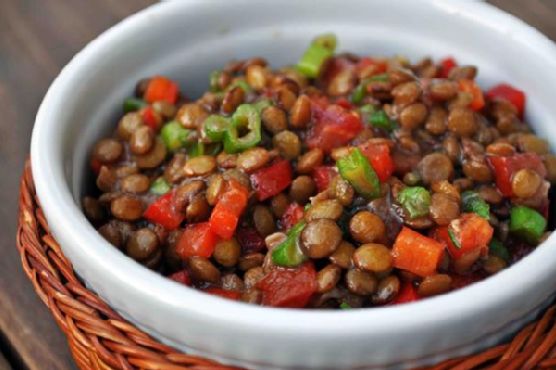
    Lentil Salad With Vegetables

    Welcome to our kitchen! Today, we’re diving into a dish that not only satisfies the taste buds but also brings a delightful burst of nutrition to your table. Lentil Salad with Vegetables is a recipe that has been passed down in our family for generations, and I’m thrilled to share it with you today. I still remember the warm summer evenings spent at my grandmother’s house, where this salad was a staple. The vibrant colors and fresh flavors were always a highlight of our meals, and now I hope it becomes a cherished part of your family dinners too.

    Why You’ll Love It

    This Lentil Salad with Vegetables is a delightful medley of flavors and textures that will elevate any meal. Whether you’re looking for a refreshing side dish, a nutritious lunch, or a light dinner, this salad fits the bill. Here’s why you’ll fall in love with this recipe:

    • Nutritious: Packed with protein-rich lentils and a variety of vegetables, this salad is a nutrient powerhouse.
    • Flavorful: The combination of balsamic and red wine vinegar gives a tangy kick, while rosemary adds a fragrant touch.
    • Versatile: Perfect for summer picnics, potlucks, or a cozy dinner at home.
    • Easy to Make: With simple ingredients and straightforward steps, this salad is quick to prepare.

    Ingredients

    • 2 tablespoons balsamic vinegar
    • 3 tablespoons extra virgin olive oil
    • 2 green onions, chopped
    • 1 cup lentils
    • 1 bell pepper, diced
    • 1 red bell pepper, diced
    • 1 tablespoon red wine vinegar
    • 1 teaspoon fresh rosemary, chopped
    • Salt, to taste
    • 2 tomatoes, diced
    • 1 white onion, diced

    Instructions

    1. Heat the extra virgin olive oil in a saucepan over medium-high heat and add the diced white onion.
    2. Cook the onion until just translucent, stirring occasionally to ensure even cooking.
    3. Add the lentils to the saucepan and pour in enough water to cover them. Cook according to the package directions until tender.
    4. Once cooked, drain the lentils and let them cool to room temperature.
    5. In a large mixing bowl, combine the cooled lentils with the diced tomatoes, bell peppers, and green onions.
    6. Add the chopped rosemary, balsamic vinegar, and red wine vinegar to the vegetable mixture.
    7. Season with salt to taste. You can also add more olive oil or vinegar according to your preference.
    8. Toss everything together until well combined.
    9. Serve the salad cold or at room temperature, and enjoy!

    Tips

    To make the most out of your Lentil Salad with Vegetables, here are some tips to keep in mind:

    • Choose Fresh Ingredients: Fresh vegetables make a big difference in flavor and texture.
    • Cook Lentils Properly: Ensure the lentils are cooked just right – they should be tender but not mushy.
    • Adjust Seasoning: Feel free to adjust the amount of vinegar and olive oil based on your taste preferences.

    Variations & Substitutions

    This salad is incredibly adaptable. Here are a few variations and substitutions you might consider:

    • Add Cheese: Crumble some feta or goat cheese on top for added creaminess.
    • Include Nuts: Toss in some toasted walnuts or almonds for extra crunch.
    • Use Different Vinegars: Try apple cider vinegar or white wine vinegar for a different flavor profile.
    • Herbs: Swap rosemary with thyme or parsley for a different herbal touch.

    Storage

    This salad can be stored in an airtight container in the refrigerator for up to 3 days. It’s a great make-ahead dish for busy weeks, and the flavors only deepen over time. Just give it a good toss before serving to redistribute the dressing.

    FAQ

    Can I use canned lentils for this recipe?

    Yes, you can use canned lentils to save time. Just make sure to rinse and drain them well before adding them to the salad.

    Is this salad vegan?

    Yes, this Lentil Salad with Vegetables is completely vegan, making it a great option for those following a plant-based diet.

    What can I serve with this salad?

    This salad pairs well with grilled chicken, fish, or tofu. It also makes a great accompaniment to hearty soups or stews.

    Nutrition

    This salad is not only delicious but also nutritious. Packed with protein, fiber, and vitamins, it’s a wholesome addition to any meal. Lentils are an excellent source of plant-based protein, while the assortment of vegetables provides a rainbow of nutrients.

    Final Thoughts

    I hope this Lentil Salad with Vegetables becomes as beloved in your home as it is in ours. It’s a simple yet flavorful dish that brings people together around the table. Whether you’re enjoying it as a light lunch or serving it as a side at a family gathering, it’s sure to bring smiles and satisfaction. Don’t forget to share your own twists and experiences with this recipe in the comments below. Happy cooking!

    Related update: Lentil Salad With Vegetables

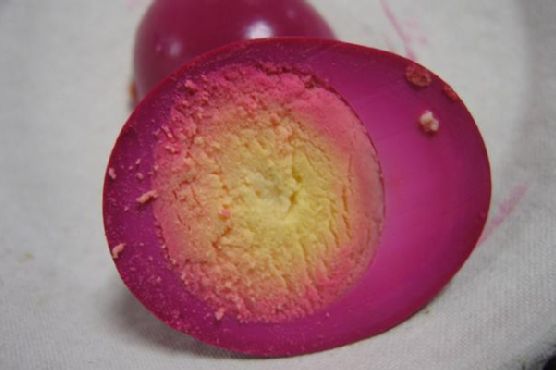
    Related update: Pennsylvania Dutch Pickled Eggs

    Related update: Strawberry Pretzel Salad

  • Yorkshire Pudding | Made by Meaghan Moineau

    Yorkshire Pudding | Made by Meaghan Moineau

    Yorkshire Pudding: A Classic British Delight

    There’s something magical about the aroma of Yorkshire puddings baking in the oven, reminiscent of Sunday family dinners and festive holiday gatherings. I remember as a child, eagerly waiting by the kitchen door, peeking through the oven window to watch these golden puffs rise to perfection. This classic British side dish is the perfect complement to a roast beef dinner, and today, I’m thrilled to share with you my family’s cherished recipe.

    Why You’ll Love It

    Yorkshire pudding is a versatile and delectable addition to any meal. Its crispy exterior and soft, airy interior make it the perfect vehicle for soaking up savory sauces and gravies. Whether you’re serving it alongside a traditional roast beef or experimenting with other dishes, Yorkshire pudding is sure to impress your guests with its delightful texture and rich flavor. Plus, it’s made with just a few simple ingredients you likely have on hand.

    Ingredients

    • 3 large eggs
    • 1 cup all-purpose flour
    • 1 cup milk
    • 2-3 tablespoons pan drippings from roast beef (or vegetable oil)
    • 1/2 teaspoon salt

    Instructions

    1. Preheat your oven to between 400-450°F (200-230°C). The exact temperature can vary depending on your oven, so once you’ve made these a few times, you’ll be able to fine-tune it to your liking.
    2. Sift the flour and salt together into a large mixing bowl.
    3. In a separate bowl, beat the eggs and milk together until well combined.
    4. Gradually add the flour mixture to the wet ingredients, stirring continuously to avoid lumps. The batter should be smooth and slightly runny.
    5. Pour the pan drippings into your Yorkshire pudding tray. A muffin or cupcake tray works well too. Place the tray in the oven to heat the oil until it’s nice and hot.
    6. Once the oil is heated, carefully remove the tray from the oven. Quickly spoon a couple of tablespoons of batter into each section of your tray.
    7. Return the tray to the oven and bake for about 20 minutes or until the puddings are golden brown and puffed up. It’s crucial not to open the oven during this time, as it will cause the puddings to deflate.

    Tips

    For the best Yorkshire puddings, make sure your batter is smooth and your oil is sizzling hot before adding the batter. This will ensure they rise beautifully. Additionally, resist the urge to open the oven door while they’re baking, as the sudden change in temperature can cause them to collapse.

    Variations & Substitutions

    If you don’t have pan drippings, you can substitute with vegetable oil or melted butter. For a fun twist, try adding a pinch of herbs like rosemary or thyme to the batter for an aromatic flair. You can also experiment with different types of flour, such as whole wheat or gluten-free blends, to suit dietary preferences.

    Storage

    Yorkshire puddings are best enjoyed fresh out of the oven, but if you have leftovers, store them in an airtight container in the refrigerator for up to two days. To reheat, place them in a preheated oven at 350°F (175°C) for about 5-8 minutes until warmed through and crispy again.

    FAQ

    Why did my Yorkshire puddings not rise?

    If your Yorkshire puddings didn’t rise, it could be due to a few reasons. Ensure your oven is preheated to the correct temperature, and your oil is hot before adding the batter. Also, avoid opening the oven door during baking, as this can cause them to deflate.

    Can I make Yorkshire pudding without eggs?

    Eggs are crucial for the structure and texture of Yorkshire puddings, but you can try using an egg substitute if you have dietary restrictions. Keep in mind that the texture may vary slightly.

    Nutrition

    Yorkshire puddings are relatively low in calories, with each pudding containing around 80-100 calories. They provide a modest amount of protein from the eggs and are a good source of carbohydrates. However, their nutritional content can vary based on the type of oil or drippings used.

    Final Thoughts

    Yorkshire pudding is a beloved classic that brings warmth and comfort to any meal. With its simple ingredients and easy preparation, it’s a dish that allows you to focus on spending time with loved ones rather than fussing in the kitchen. Whether you’re new to making Yorkshire pudding or a seasoned pro, I hope this recipe finds a special place at your table, evoking cherished memories and creating new ones. Happy cooking!

    Related update: Yorkshire Pudding

  • Thai Savory Brown Fried Rice | Made by Meaghan Moineau

    Thai Savory Brown Fried Rice | Made by Meaghan Moineau

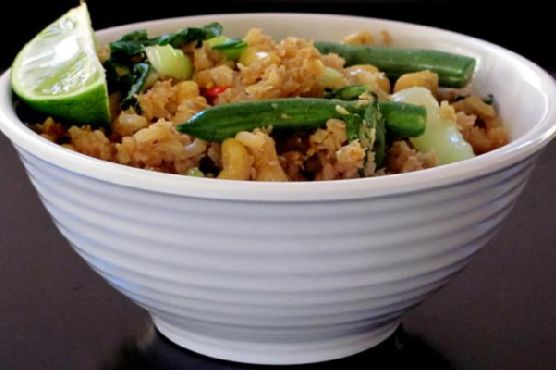
    Thai Savory Brown Fried Rice

    There’s something comforting about the aroma of garlic and chili sizzling in a hot pan, transporting me back to my childhood kitchen where my grandmother often prepared her special fried rice. Her infectious laughter and the clinking of her bangles as she cooked made the experience truly unforgettable. It’s from her that I learned the beauty of combining simple, wholesome ingredients to create a dish brimming with flavors. Today, I’m excited to share a recipe that echoes those cherished memories with a modern twist: Thai Savory Brown Fried Rice.

    Why You’ll Love It

    This dish is not only a delightful amalgamation of flavors but also a nutritional powerhouse. The nuttiness of brown rice complements the rich, savory notes of garlic and soy, while the spicy kick from fresh chili peppers wakes up your taste buds. Cashew nuts add a satisfying crunch, and the coconut lends a sweet, tropical aroma. Whether you’re a seasoned cook or a beginner, this recipe is straightforward and rewarding, perfect for a quick weeknight meal or a weekend indulgence.

    Ingredients

    • 2 tablespoons extra virgin olive oil
    • 3 garlic cloves, minced
    • 2 red fresh chili peppers, sliced
    • 1 cup raw cashew nuts
    • 1/2 cup dry unsweetened shredded coconut
    • 1 teaspoon stevia powder
    • 2 tablespoons Bragg Liquid Aminos
    • 1 tablespoon apple cider vinegar
    • 1 flax egg (1 tablespoon flaxseed meal + 3 tablespoons water)
    • 1 cup fresh green beans, trimmed
    • 2 cups shredded regular bok choy
    • 3 cups cooked brown rice
    • Lime wedges for serving

    Instructions

    1. Prepare the brown rice using my Perfect Brown Rice recipe. In a saucepan, cook 1 cup of uncooked brown rice in 1 teaspoon of olive oil until lightly browned. Place 2 basil leaves on top, add 2 cups of filtered water, cover, and bring to a boil. Reduce heat to a simmer and cook until all the water has evaporated, about 40 minutes.
    2. While the rice is cooking, heat the remaining olive oil in a wok or large frying pan over medium heat. Add minced garlic and cook until lightly golden, being careful not to burn it.
    3. Add the sliced red chili peppers, raw cashew nuts, and shredded coconut to the pan. Stir and cook for about 2 minutes.
    4. In a small bowl, mix together the stevia powder, Bragg Liquid Aminos, and apple cider vinegar. Pour this mixture into the pan and cook for another minute.
    5. Push the stir-fry to one side of the pan and pour in the flax egg on the opposite side. Cook and stir the flax egg for about a minute, then incorporate it into the stir-fry mixture.
    6. Add the fresh green beans, shredded bok choy, and cooked brown rice to the pan. Cook and stir for another minute until the bok choy is wilted but the green beans remain slightly crunchy.
    7. Spoon the stir-fry into a serving dish and serve with lime wedges on the side for squeezing over the rice.

    Tips

    For a more robust flavor, consider toasting the shredded coconut before adding it to the stir-fry. Keep a close eye on the garlic as it cooks to prevent it from burning, which can result in a bitter taste. If you prefer a milder dish, reduce the amount of chili peppers, or remove the seeds.

    Variations & Substitutions

    Feel free to customize this recipe to suit your dietary needs or preferences. Substitute Bragg Liquid Aminos with soy sauce or tamari. Swap green beans with sugar snap peas or bell peppers for a different texture. For a nut-free version, replace cashews with sunflower seeds. If you’re not a fan of flax eggs, a regular egg can be used instead.

    Storage

    Store any leftovers in an airtight container in the refrigerator for up to 3 days. Reheat in a pan over medium heat for best results. Avoid microwaving as it can change the texture of the ingredients.

    FAQ

    Can I use white rice instead of brown rice?

    Yes, you can substitute white rice for brown rice, but keep in mind that brown rice offers more fiber and nutrients. If using white rice, adjust the cooking time accordingly as it cooks faster than brown rice.

    Is there a way to make this dish spicier?

    To increase the spice level, you can add more chili peppers or include a dash of cayenne pepper. Alternatively, serve the dish with a side of chili sauce for those who prefer extra heat.

    How do I make a flax egg?

    A flax egg is a vegan substitute for a regular egg. To make one, mix 1 tablespoon of flaxseed meal with 3 tablespoons of water. Let it sit for about 5 minutes until it thickens and becomes gelatinous.

    Nutrition

    This recipe is packed with nutrients. Brown rice provides complex carbohydrates and fiber, while bok choy and green beans add vitamins and minerals. Cashew nuts offer healthy fats and protein, making this dish both satisfying and nutritious. Each serving is approximately 350 calories, depending on portion size and specific ingredient brands used.

    Final Thoughts

    Thai Savory Brown Fried Rice is more than just a meal; it’s a delightful blend of flavors and textures that brings the essence of Thai cuisine into your home. Whether you’re reminiscing about the past or creating new memories, this dish is sure to bring warmth and satisfaction to your table. Enjoy the vibrant taste and the joy it brings, just as it did for me in my grandmother’s kitchen.

    Related update: Thai Savory Brown Fried Rice

    Related update: Jambalaya Stew

    Related update: Yorkshire Pudding

  • Flax, Quinoa, and Almond Meal Bread | Made by Meaghan Moineau

    Flax, Quinoa, and Almond Meal Bread | Made by Meaghan Moineau

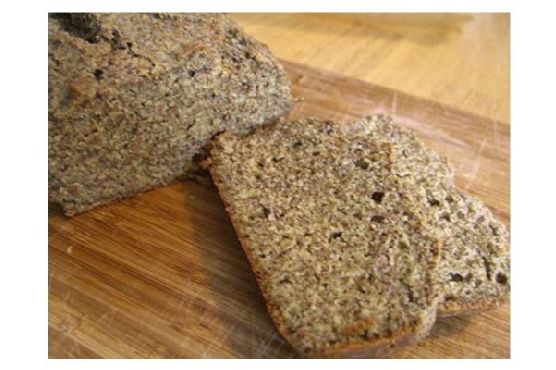
    Flax, Quinoa, and Almond Meal Bread

    Why You’ll Love It

    There’s something incredibly heartwarming about the aroma of freshly baked bread wafting through your home. This Flax, Quinoa, and Almond Meal Bread is a perfect blend of wholesome ingredients that not only fills your kitchen with a delightful scent but also fills your heart with nostalgia. I remember my grandmother’s kitchen, where baking was a weekend ritual. The sound of her soft humming and the flour dust that seemed to settle everywhere in the room bring back memories each time I bake this bread. Not only is this recipe gluten-free and nutritious, but it also captures the essence of family traditions and warmth.

    You’ll love this bread because it’s incredibly versatile and can be paired with both sweet and savory toppings. Its nutty flavor and slightly crumbly texture make it a delightful companion for your morning coffee or your evening tea. Plus, with its simple preparation, you don’t need to be a seasoned baker to pull this off beautifully.

    Ingredients

    • 1 cup milled flax seed
    • 1 cup blanched almond meal
    • 1 cup quinoa flour
    • 2 teaspoons baking powder
    • 1/2 teaspoon salt
    • 1/2 teaspoon baking soda
    • 1/4 cup olive oil
    • 3 large eggs
    • Water, as needed for desired texture

    Instructions

    1. Preheat your oven to 375°F (190°C).
    2. In a large mixing bowl, combine the milled flax seed, almond meal, quinoa flour, baking powder, salt, and baking soda.
    3. In a separate bowl, gently beat the eggs together. This will make it easier to incorporate them into the dry mixture.
    4. Gradually add the beaten eggs to the dry ingredients, stirring continuously to form a cohesive mixture.
    5. Add the olive oil to the mixture. Be cautious if your eggs are cold, as it may cause the oil to solidify. If this happens, gently warm the mixture until the oil liquefies.
    6. Slowly add water to the mixture, a little at a time, until you achieve a thick batter consistency that can be poured into a loaf pan.
    7. Line a Pyrex bread pan with parchment paper and pour the batter in. Smooth the top with a spatula.
    8. Bake in the preheated oven for 40 minutes. If using a metal pan, you may need to adjust the baking time slightly.
    9. Once baked, remove from the oven and let the bread cool in the pan for about 10 minutes before transferring it to a wire rack to cool completely.

    Tips

    For best results, ensure all your ingredients are at room temperature before you begin mixing. This helps in achieving a smoother batter. If you find that the batter is too thick, add water a teaspoon at a time to avoid making it too runny. Also, lining your loaf pan with parchment paper ensures that the bread doesn’t stick and makes cleanup a breeze.

    Variations & Substitutions

    This bread is a canvas for your creativity. You can substitute the quinoa flour with oat flour for a different flavor profile. To add some sweetness, consider incorporating a tablespoon of honey or maple syrup into the batter. For an extra crunch, toss in a handful of your favorite nuts or seeds like sunflower seeds or chopped walnuts.

    Storage

    Once completely cooled, store your flax, quinoa, and almond meal bread in an airtight container. It will keep well at room temperature for up to three days. For longer storage, wrap the loaf tightly in plastic wrap and freeze for up to a month. To enjoy, simply thaw at room temperature or warm it up in the oven for a fresh-baked taste.

    FAQ

    Can I make this bread vegan?

    Yes, you can make this recipe vegan by replacing the eggs with flax eggs. To make flax eggs, mix 3 tablespoons of milled flax seed with 9 tablespoons of water and let it sit for a few minutes until it forms a gel-like consistency.

    What can I use instead of almond meal?

    If you have a nut allergy or simply prefer a different flavor, sunflower seed flour or coconut flour can be used as a substitute. Keep in mind that coconut flour is highly absorbent, so you may need to adjust the amount of liquid in the recipe.

    Can I add spices to this bread?

    Absolutely! Adding spices can elevate the flavor of your bread. Try incorporating a teaspoon of cinnamon or nutmeg for a warm, aromatic touch. For a savory twist, consider adding herbs like rosemary or thyme.

    Nutrition

    This bread is a nutrient-dense option, rich in fiber and healthy fats from the flax seed and almond meal. It’s a great source of plant-based protein thanks to the quinoa flour, making it an excellent choice for those looking to maintain a balanced diet.

    Final Thoughts

    Baking this Flax, Quinoa, and Almond Meal Bread is more than just a culinary endeavor—it’s a journey into the comforting world of homemade goodness. Whether you’re embracing a gluten-free lifestyle or simply looking for a wholesome, delicious bread to enjoy, this recipe is sure to become a staple in your home. Remember, the best part about baking is making it your own, so don’t hesitate to experiment with flavors and ingredients. Happy baking!

    Related update: Flax, Quinoa, and Almond Meal Bread

  • Damn Good Corn Pudding ~from 12 Bones Smokehouse | Made by Meaghan Moineau

    Damn Good Corn Pudding ~from 12 Bones Smokehouse | Made by Meaghan Moineau

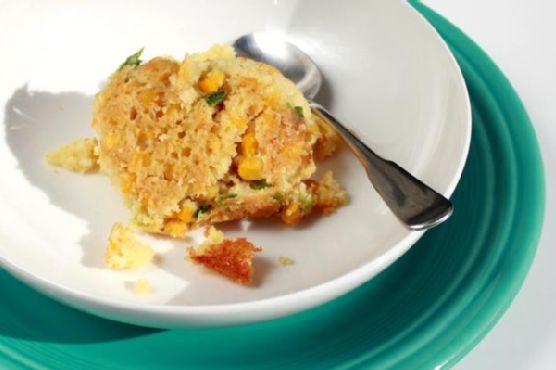
    Damn Good Corn Pudding from 12 Bones Smokehouse

    Welcome to another delightful culinary adventure! Today, we’re diving into the soul-satisfying world of corn pudding, a dish that embodies comfort and warmth. Originating from the renowned 12 Bones Smokehouse, this Damn Good Corn Pudding is a crowd-pleaser that combines the sweetness of corn with a subtle spicy kick, creating a perfect harmony of flavors. As we embark on this journey, I’ll also share a cherished memory of how this dish became a staple in my family gatherings.

    Why You’ll Love It

    This corn pudding is not just another side dish; it’s an experience. Here’s why you’ll fall head over heels for it:

    • Perfect Balance: The combination of sweet corn and spicy poblanos ensures every bite is a burst of flavor.
    • Texture Delight: With a texture akin to a moist cake, it’s hearty enough to be a standalone dish yet versatile enough to accompany any meal.
    • Easy to Make: With simple ingredients and straightforward instructions, this dish is beginner-friendly and forgiving.
    • Customizable: You can easily adapt it to suit your taste preferences or dietary needs.
    • Memorable: It’s one of those dishes that sparks conversation and leaves a lasting impression on your taste buds.

    I remember the first time I tasted this corn pudding was at a family reunion. My grandmother, known for her Southern cooking prowess, brought it out as a surprise. The moment she placed it on the table, the room was filled with an inviting aroma that transported us back to our roots. Ever since, it’s been a beloved tradition to have this dish at our gatherings, each time bringing with it a wave of nostalgia and joy.

    Ingredients

    • 1 cup flour
    • 1/2 cup sugar
    • 2 teaspoons baking powder
    • 1/2 teaspoon salt
    • 1/2 teaspoon red pepper flakes
    • 1/2 teaspoon cumin
    • 1/2 teaspoon coriander
    • 3 large eggs
    • 1 stick butter, melted
    • 1 cup heavy cream
    • 2 cans (14.75 oz each) creamed corn
    • 2 diced fresh poblano peppers
    • 1 cup fresh corn kernels

    Instructions

    1. Preheat your oven to 350 degrees F (175 degrees C).
    2. In a mixing bowl, combine the flour, sugar, baking powder, salt, red pepper flakes, cumin, and coriander. Set aside.
    3. In an electric mixer, blend together the eggs, melted butter, heavy cream, and creamed corn until smooth.
    4. Stir in the diced poblano peppers and fresh corn kernels.
    5. Gradually add the dry ingredients to the wet mixture, mixing until just combined. The consistency should resemble cake batter.
    6. Grease a large 11 x 15-inch rimmed baking dish (or two smaller dishes) and pour the pudding mixture into it.
    7. Lightly tent the dish with foil and bake for 1 hour, or until the center is just set. If using smaller pans, bake for 30-40 minutes.
    8. For a golden top, remove the foil in the last 10-15 minutes of baking.
    9. Once done, allow it to cool slightly before serving. Enjoy as a main dish or a side!

    Tips

    • Consistency Check: Ensure your batter is not too thick; it should pour easily but not be runny.
    • Foil Tent: The foil prevents the top from browning too quickly while ensuring the center cooks evenly.
    • Testing Doneness: The pudding should have a slight jiggle in the center when done. It will continue to firm up as it cools.

    Variations & Substitutions

    Feel free to make this recipe your own with these variations:

    • Cheese Lover’s Delight: Add shredded cheddar cheese to the batter for a cheesy twist.
    • Spice It Up: Swap the poblano peppers for jalapeños if you prefer more heat.
    • Vegan Version: Use plant-based butter, coconut cream, and flax eggs for a vegan-friendly option.

    Storage

    To store your corn pudding:

    • Let it cool to room temperature before transferring to an airtight container.
    • Store in the refrigerator for up to 3-4 days.
    • Reheat in the oven at 300 degrees F until warm, or microwave individual portions as needed.

    FAQ

    Can I make this corn pudding ahead of time?

    Absolutely! You can prepare the batter a day in advance and store it in the refrigerator. Just give it a good stir before baking. Alternatively, bake it fully and store it, reheating before serving.

    What can I serve with corn pudding?

    Corn pudding pairs wonderfully with grilled meats, barbecue dishes, or a fresh green salad. It’s versatile enough to complement a wide range of main courses.

    Is it possible to freeze corn pudding?

    Yes, you can freeze corn pudding. Wrap it tightly in plastic wrap and aluminum foil, then store it in the freezer for up to two months. Thaw in the refrigerator overnight before reheating.

    Nutrition

    This recipe serves 8-10 people, depending on portion size. Each serving contains approximately:

    • Calories: 320
    • Fat: 18g
    • Carbohydrates: 35g
    • Protein: 5g
    • Fiber: 2g
    • Sugar: 9g

    Final Thoughts

    This Damn Good Corn Pudding is more than just a recipe; it’s a cherished tradition that brings people together. Whether you’re making it for a holiday feast or a simple family dinner, it’s sure to become a beloved staple in your home too. Feel free to experiment with it and tailor it to your preferences. Happy cooking, and may every bite bring warmth and joy to your table!

    Related update: Damn Good Corn Pudding ~from 12 Bones Smokehouse

  • Noodle Kugel with Pineapple-Gluten free, Dairy Free | Made by Meaghan Moineau

    Noodle Kugel with Pineapple-Gluten free, Dairy Free | Made by Meaghan Moineau

    Noodle Kugel with Pineapple: Gluten-Free, Dairy-Free Delight

    There are few things as comforting as a warm noodle kugel, and this version brings a delightful twist with the addition of pineapple, all while being gluten-free and dairy-free. Growing up, noodle kugel was a staple at family gatherings, a dish that brought everyone to the table with eager anticipation. The sweet, cinnamon-spiced aroma would fill the house, creating an inviting atmosphere that promised delicious memories. This recipe is my gluten-free, dairy-free adaptation, perfect for those who want to indulge in nostalgic flavors without compromising on dietary needs.

    Why You’ll Love It

    This Noodle Kugel with Pineapple is a unique blend of sweet and savory, perfect for any occasion. Here’s why this dish will become a favorite in your home:

    • It’s gluten-free and dairy-free, making it suitable for those with dietary restrictions.
    • The pineapple adds a refreshing twist that brightens the classic kugel flavor.
    • Made in cupcake form, it’s perfect for portion control and easy serving.
    • It’s a versatile dish that works as a side, dessert, or even a breakfast treat!

    Ingredients

    • Gluten-free spiral rice pasta
    • Canned pineapple chunks
    • Unsweetened vanilla coconut milk or coconut creamer
    • Sunflower oil
    • Egg yolks
    • Xylitol or sugar
    • Evaporated cane sugar
    • Ground cinnamon
    • Ground nutmeg
    • Kosher salt
    • Cupcake liners
    • Cinnamon
    • Evaporated cane sugar
    • Earth Balance soy-free margarine
    • Red brown rice flour

    Instructions

    1. Preheat your oven to 350 degrees F.
    2. Fill a medium stockpot with water and set it over high heat. Once the water boils, add 2 tablespoons of kosher salt, then the pasta. Stir well to prevent sticking.
    3. Stir occasionally and cook the pasta for 8-10 minutes. Let it sit in the water for a few minutes before transferring it to a large glass or heatproof bowl to cool slightly.
    4. While the pasta cools, prepare the other ingredients. In a large mixing bowl, combine the coconut milk, creamer, pineapple, sugar, xylitol, cinnamon, nutmeg, and sunflower oil. Mix well.
    5. Add the egg yolks to the mixture and stir to combine thoroughly.
    6. Prepare the crumble topping by mixing together a small amount of cinnamon and evaporated cane sugar with the red brown rice flour and margarine.
    7. Line two cupcake pans with cupcake liners.
    8. Using a dry 1/4 cup measuring spoon, fill each cupcake liner with the noodle mixture, filling over the top. Distribute any remaining liquid to each kugel that looks dry.
    9. Sprinkle the crumble over each kugel, using about 1/2 teaspoon per cupcake.
    10. Bake for 40-45 minutes, until golden brown.
    11. Cool for 10 minutes before removing from the cupcake pans. Serve hot or warm, with or without the liners.

    Tips

    • Ensure the pasta is cooked al dente to maintain a pleasant texture.
    • Feel free to adjust the sweetness by adding more or less sugar according to your taste.
    • Using cupcake liners makes cleanup easy and helps the kugel hold its shape.

    Variations & Substitutions

    • Fruit Variations: Swap the pineapple for apples or pears for a different fruity twist.
    • Nutty Additions: Add chopped nuts such as pecans or walnuts to the crumble for added crunch.
    • Sugar Alternatives: Substitute xylitol with maple syrup or agave nectar for a different sweetness profile.

    Storage

    Store leftover kugels in an airtight container in the refrigerator for up to 4 days. To reheat, simply place them in the oven at 300 degrees F for about 10 minutes or until warmed through. These kugels can also be frozen for up to 2 months; thaw in the refrigerator overnight before reheating.

    FAQ

    Can I make this recipe ahead of time?

    Yes, you can prepare the noodle mixture and fill the cupcake liners a day in advance. Cover and store them in the refrigerator, then bake the next day.

    Is there a substitute for coconut milk or creamer?

    If coconut milk isn’t available, almond milk or soy milk can be used as alternatives, although it may slightly alter the flavor.

    Nutrition

    This noodle kugel offers a balanced treat with a touch of sweetness and fruit, making it a delightful addition to any meal. It’s a gluten-free and dairy-free option that can fit into many dietary plans. Always check specific brands for nutritional content, especially regarding sugar and calorie counts.

    Final Thoughts

    This Noodle Kugel with Pineapple brings a modern twist to a beloved classic. The tropical notes of pineapple paired with the warm spices of cinnamon and nutmeg create a delightful harmony of flavors. Whether it’s for a holiday gathering or a weekend brunch, this dish is sure to impress. Enjoy the comfort and nostalgia of noodle kugel, reimagined for today’s dietary preferences, without sacrificing any of the flavors that make it a favorite. Happy cooking!

    Related update: Noodle Kugel with Pineapple-Gluten free, Dairy Free

    Related update: Meyer Lemon Cheesecake

    Related update: Damn Good Corn Pudding ~from 12 Bones Smokehouse

    Related update: Vegetable Cheddar Quiche

  • Kohlrabi Salad With Apple, Bacon, and Snow Peas | Made by Meaghan Moineau

    Kohlrabi Salad With Apple, Bacon, and Snow Peas | Made by Meaghan Moineau

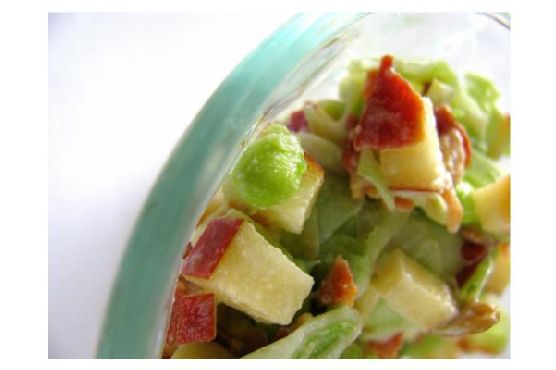
    Kohlrabi Salad With Apple, Bacon, and Snow Peas

    Welcome to a delightful journey of flavors and textures that will elevate your salad game to a whole new level. This Kohlrabi Salad with Apple, Bacon, and Snow Peas is not just a dish; it’s a symphony of crisp, sweet, and savory notes that come together harmoniously. Join me as we explore this refreshing recipe that’s perfect for any occasion.

    Why You’ll Love It

    There’s something magical about combining fresh, crunchy vegetables with the smoky, rich flavors of bacon. This salad offers a delightful contrast between the sweet and tart notes of Fuji apples and the creamy, tangy dressing. It’s a testament to how simplicity can yield extraordinary results.

    Growing up, I remember summers at my grandmother’s house where the garden was always brimming with fresh produce. The smell of freshly picked kohlrabi always brings back fond memories of helping her in the kitchen, where she taught me the art of creating dishes that celebrate each ingredient. This recipe is an ode to those warm summer days, sharing a meal with loved ones, and the joy of cooking from the heart.

    Ingredients

    • 1 kohlrabi bulb, peeled
    • 1 Fuji apple, chopped
    • 1 cup snow peas
    • 1/4 cup sunflower seeds
    • 4 slices of bacon, cooked and crumbled
    • 1/2 cup heavy cream
    • 2 tablespoons apple cider vinegar
    • 1 tablespoon honey

    Instructions

    1. Using a mandolin, slice the kohlrabi bulb paper thin.
    2. Mix the sliced kohlrabi with the chopped Fuji apple in a large bowl.
    3. Shell the snow peas (though I personally love eating the shell).
    4. Add the snow peas and sunflower seeds to the bowl.
    5. Crumble the cooked bacon finely and mix it into the salad.
    6. Refrigerate the salad while preparing the dressing.
    7. In a separate bowl, mix the apple cider vinegar into the heavy cream and let it sit at room temperature for 10 minutes until it thickens.
    8. Add the honey to the thickened cream and mix well.
    9. Gradually add the dressing to the salad, tossing gently to ensure everything is thinly coated.

    Tips

    For the best results, use fresh and high-quality ingredients. The sweetness of a Fuji apple complements the kohlrabi beautifully, but feel free to experiment with other apple varieties. A mandolin is essential for achieving paper-thin kohlrabi slices, but you can use a sharp knife if needed. Make sure to refrigerate the salad for at least 15 minutes before serving to allow the flavors to meld together.

    Variations & Substitutions

    If you’re looking for a vegetarian option, simply omit the bacon. To add more protein, consider topping the salad with grilled chicken or shrimp. You can also substitute the sunflower seeds with toasted almonds or walnuts for a different nutty flavor. If you prefer a lighter dressing, swap the heavy cream for Greek yogurt or buttermilk.

    Storage

    This salad is best enjoyed fresh, but you can store leftovers in an airtight container in the refrigerator for up to 2 days. The dressing may separate slightly, so give it a gentle stir before serving again.

    FAQ

    Can I prepare this salad in advance?

    Absolutely! You can prepare the salad components a day in advance, but I recommend adding the dressing just before serving to maintain the salad’s freshness and crunch.

    What if I don’t have a mandolin?

    No worries! While a mandolin helps achieve uniform slices, a sharp knife will work just fine. Just take your time to slice the kohlrabi as thinly as possible.

    Nutrition

    This salad is not only delicious but also nutritious. It’s packed with vitamins and minerals from the fresh vegetables and apples, healthy fats from the sunflower seeds and bacon, and a touch of sweetness from the honey. It’s a balanced dish that can fit into most dietary plans.

    Final Thoughts

    Whether you’re hosting a summer barbecue or looking for a refreshing lunch option, this Kohlrabi Salad with Apple, Bacon, and Snow Peas is sure to impress. It’s a dish that celebrates the beauty of fresh ingredients, simple preparation, and the joy of sharing a meal with those you love. I hope you enjoy it as much as I do. Happy cooking!

    Related update: Kohlrabi Salad With Apple, Bacon, and Snow Peas

    Related update: Noodle Kugel with Pineapple-Gluten free, Dairy Free

    Related update: Crab Cakes Rockefeller

  • Cavatappi pasta with salmon crab surimi | Made by Meaghan Moineau

    Cavatappi pasta with salmon crab surimi | Made by Meaghan Moineau

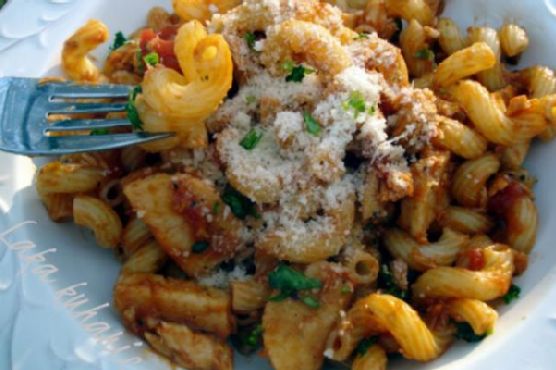
    Cavatappi Pasta with Salmon Crab Surimi

    Introduction

    There’s something truly comforting about a bowl of pasta, especially when it’s combined with the flavors of the sea. Growing up, I fondly remember Sunday dinners at my grandmother’s house where seafood was a staple. The aromatic blend of garlic, fresh herbs, and the briny essence of seafood would fill the kitchen, inviting everyone to gather around the table. This Cavatappi pasta with salmon crab surimi is a modern twist on those cherished meals, bringing together the heartiness of pasta and the delicate flavors of seafood. It’s a dish that feels like a warm hug – perfect for any occasion.

    Why You’ll Love It

    This recipe is a delightful fusion of flavors and textures that will captivate your taste buds. Here’s why you’ll fall in love with this dish:

    • Quick and Easy: Despite its sophisticated taste, this dish can be whipped up in less than 30 minutes, making it perfect for busy weeknights.
    • Flavorful: The combination of garlic, fresh herbs, and seafood creates a rich and satisfying flavor profile.
    • Nutritious: Packed with protein from salmon and surimi, this dish also offers the goodness of tomatoes and fresh herbs.
    • Versatile: Easily adaptable with different types of pasta or seafood depending on your preference or what you have on hand.

    Ingredients

    • Surimi crab sticks
    • Dried basil
    • Fresh basil
    • Fresh parsley
    • Garlic
    • Olive oil
    • Parmesan cheese
    • Cavatappi pasta
    • Pepper
    • Plum tomatoes
    • Red wine
    • Canned salmon fillets
    • Salt
    • Sugar
    • Tomato puree

    Instructions

    1. Heat olive oil in a large pan over medium heat. Sauté the garlic for about 1 minute, being careful not to burn it.
    2. Add the canned salmon fillets and surimi crab sticks to the pan. Stir and let them simmer briefly to meld the flavors.
    3. Chop the plum tomatoes and add them to the pan along with the tomato puree, dried basil, fresh parsley, and a splash of red wine. Mix well to combine.
    4. Sprinkle in a pinch of sugar, then season with salt and pepper to taste. Stir everything together and let it simmer for 2-3 minutes to allow the flavors to develop.
    5. While the sauce is simmering, cook the Cavatappi pasta according to the package instructions. Once cooked, drain the pasta, reserving a little of the cooking water.
    6. Combine the cooked pasta with the sauce, tossing gently to coat. If the sauce is too thick, add a spoonful of the reserved pasta cooking water to adjust the consistency.
    7. Serve the pasta immediately, sprinkled with Parmesan cheese and fresh, chopped basil for a burst of flavor.

    Tips

    • For a deeper flavor, use a good quality red wine for the sauce. It adds richness and depth.
    • Be sure not to overcook the garlic to avoid a bitter taste. It should be fragrant and golden.
    • Reserve some pasta water; its starch content helps the sauce adhere to the pasta better.

    Variations & Substitutions

    • If you prefer, you can substitute the Cavatappi pasta with any other pasta shape you have on hand, such as penne or fusilli.
    • Feel free to use fresh salmon if available. Simply cook it alongside the garlic before adding the surimi.
    • For a vegetarian option, replace the seafood with sautéed mushrooms or zucchini for a hearty, earthy flavor.

    Storage

    Leftover pasta can be stored in an airtight container in the refrigerator for up to 3 days. To reheat, add a splash of water or broth to the pasta and warm it gently on the stove or in the microwave. This will help retain the sauce’s creamy texture.

    FAQ

    Can I use a different type of seafood?

    Absolutely! This recipe is versatile and works well with various seafood options. Shrimp, scallops, or even clams can be excellent substitutes or additions.

    What can I use instead of red wine?

    If you prefer not to use wine, you can substitute it with vegetable or seafood broth for added flavor. A splash of balsamic vinegar can also mimic the acidity of wine.

    Nutrition

    This dish is a good source of protein and healthy fats, thanks to the salmon and olive oil. It’s also rich in vitamins from the fresh herbs and tomatoes, making it a balanced meal option.

    Final Thoughts

    Cavatappi pasta with salmon crab surimi is a delightful dish that combines the comforting nature of pasta with the fresh, vibrant flavors of the sea. It’s a recipe that offers both nostalgia and innovation, perfect for sharing with family and friends. Whether you’re a seasoned chef or a home cook looking to try something new, this recipe is sure to become a favorite in your repertoire. Enjoy every bite and the memories it creates around your table.

    Related update: Cavatappi pasta with salmon crab surimi

    Related update: Kohlrabi Salad With Apple, Bacon, and Snow Peas

  • Roasted Endive Salad With Prosciutto, Figs and Pistachios | Made by Meaghan Moineau

    Roasted Endive Salad With Prosciutto, Figs and Pistachios | Made by Meaghan Moineau

    Roasted Endive Salad With Prosciutto, Figs and Pistachios

    Why You’ll Love It

    As the leaves begin to fall and the air turns crisp, there’s nothing quite like a warm salad to bring comfort and elegance to your table. This Roasted Endive Salad with Prosciutto, Figs, and Pistachios is one of those dishes that combines simplicity with sophistication, making it perfect for both weeknight dinners and special occasions. The combination of roasted endive’s slightly bitter taste with the sweetness of figs, the salty crunch of prosciutto, and the nutty flavor of pistachios creates a symphony of flavors that will have you coming back for more.

    Growing up, my grandmother would often prepare a similar salad during the holiday season. The aroma of roasting endive would fill the kitchen, and I remember sneaking crispy bits of prosciutto off the counter when she wasn’t looking. It was a dish that brought the family together, a recipe filled with love and joy, and one that I am now excited to share with you.

    Ingredients

    • 4 heads of red or green endive
    • 2 tablespoons olive oil
    • 4 slices prosciutto
    • 1/2 cup dried figs, sliced
    • 1/4 cup pistachio nuts, shelled
    • 2 tablespoons honey

    Instructions

    1. Preheat your oven to 350°F (this is a great toaster oven candidate for smaller batches). Line a rimmed baking sheet with aluminum foil.
    2. Wash the endive thoroughly and remove any unsightly outer leaves. Slice each endive head in half lengthwise, from the stem to the tip.
    3. Arrange the endive cut side up on the foil-lined baking sheet. Generously coat each piece with olive oil.
    4. Bake in the oven for 30 minutes, or until the outer edges of the endive are golden brown.
    5. While the endive is roasting, fry the prosciutto slices in a skillet over medium heat until crispy. Drain them on paper towels, then crumble and set aside.
    6. Once the endive is done roasting, arrange three pieces on each plate. Add a handful of sliced dried figs and pistachio nuts.
    7. Drizzle a spoonful of honey over each plate, then sprinkle with about 1/4 of the crumbled prosciutto.

    Tips

    For the best results, choose endives that are fresh and crisp. When selecting figs, opt for those that are slightly soft but not mushy. If you’re short on time, you can roast the endive and fry the prosciutto a day ahead, then assemble the salad just before serving.

    Variations & Substitutions

    If you’re looking to mix things up, consider swapping out the dried figs for fresh figs when they’re in season. You can also try using a different type of nut, such as walnuts or almonds, for a different texture and flavor. For a vegetarian version, omit the prosciutto and add a sprinkle of feta cheese for a salty kick.

    Storage

    This salad is best enjoyed fresh, but if you have leftovers, store them in an airtight container in the refrigerator for up to two days. Reheat the endive gently in the oven to retain its texture before serving again.

    FAQ

    Can I make this salad ahead of time?

    Yes, you can prepare the components ahead of time. Roast the endive and fry the prosciutto in advance, then store them separately in the refrigerator. Assemble the salad just before serving for the best taste and texture.

    What can I serve with this salad?

    This salad pairs wonderfully with a light protein like grilled chicken or fish. It also works as a delicious starter for a multi-course meal or as part of a larger spread for a festive gathering.

    Nutrition

    While this salad is a treat for the taste buds, it is also packed with nutrients. Endive is a great source of vitamins A and K, while figs provide dietary fiber and antioxidants. Prosciutto adds protein, and pistachios offer healthy fats and additional fiber. A drizzle of honey rounds out the dish with a natural sweetness, making this salad both nutritious and satisfying.

    Final Thoughts

    Roasted Endive Salad with Prosciutto, Figs, and Pistachios is more than just a dish; it’s a celebration of flavors that come together beautifully. Whether you’re hosting a dinner party or looking for a cozy meal to enjoy with your family, this salad is sure to impress. I hope it becomes a cherished part of your recipe repertoire, just as it has been in mine. Bon appétit!

    Related update: Roasted Endive Salad With Prosciutto, Figs and Pistachios

  • Pasta with Peas and Italian Sausage | Made by Meaghan Moineau

    Pasta with Peas and Italian Sausage

    Intro

    There are few things more comforting than a bowl of pasta, and this recipe for Pasta with Peas and Italian Sausage holds a special place in my heart. Growing up, Sunday dinners were a cherished tradition in my family. My grandmother would spend the afternoon bustling around the kitchen, filling the house with the aroma of fresh herbs, garlic, and tomatoes. One of her signature dishes was this simple yet flavorful pasta recipe. It’s a dish that brings back memories of laughter and love shared around the dinner table, and I’m thrilled to share it with you today.

    Why You’ll Love It

    This Pasta with Peas and Italian Sausage recipe is a delightful blend of flavors and textures that come together in perfect harmony. You’ll love how the sweet and savory Italian sausage complements the freshness of the peas, all enveloped in a rich, tomato-based sauce. It’s a hearty meal that’s incredibly easy to prepare, making it perfect for busy weeknights or a cozy weekend dinner. Plus, it’s a one-pot wonder that minimizes cleanup, allowing you more time to relax and savor your meal.

    Ingredients

    • 1 lb farfalle pasta
    • 2 tablespoons olive oil
    • 4 Italian sweet sausages, casings removed
    • 1 cup frozen peas
    • 1 can (14 oz) canned tomatoes
    • 1 cup Pomi strained tomato sauce
    • 2 tablespoons butter
    • Salt and pepper to taste

    Instructions

    1. Cook the pasta following the package directions until al dente. Drain and set aside.
    2. In a very large skillet over medium heat, add the olive oil.
    3. Add the Italian sausage meat to the skillet and sauté until slightly brown all over.
    4. Stir in the frozen peas and canned tomatoes.
    5. Season with salt and pepper to taste.
    6. Lower the heat to medium and cook for another 10 to 15 minutes, allowing the flavors to meld together.
    7. Return the drained pasta to the pan and add the butter.
    8. Pour in the tomato sauce with sausage and mix well until everything is combined.
    9. Serve hot, garnished with grated Parmesan cheese if desired.

    Tips

    Here are some tips to ensure your Pasta with Peas and Italian Sausage turns out perfectly every time:

    • Use high-quality Italian sausage for the best flavor. You can choose between sweet or spicy depending on your preference.
    • If you have fresh peas on hand, feel free to use them instead of frozen peas.
    • Be sure to cook the pasta to al dente, as it will continue to cook slightly when mixed with the sauce.
    • For an extra touch of flavor, add a pinch of red pepper flakes to the sauce.

    Variations & Substitutions

    This recipe is wonderfully versatile. Here are some variations and substitutions you can try:

    • Vegetarian Version: Omit the sausage and add more vegetables like bell peppers or mushrooms.
    • Different Pasta: Feel free to swap the farfalle for another type of pasta like penne or fusilli.
    • Gluten-Free: Use your favorite gluten-free pasta to make this dish suitable for those with gluten sensitivities.

    Storage

    Leftovers can be stored in an airtight container in the refrigerator for up to 3 days. To reheat, warm gently in a skillet over medium heat, adding a splash of water if needed to loosen the sauce. This dish can also be frozen for up to 2 months. Thaw in the refrigerator overnight before reheating.

    FAQ

    Can I use fresh tomatoes instead of canned?

    Yes, fresh tomatoes can be substituted for canned. Simply chop them and cook until they break down and form a sauce. You may need to adjust the cooking time slightly to achieve the desired consistency.

    How can I make this dish spicier?

    If you prefer a spicier dish, use hot Italian sausage instead of sweet, or add a pinch of red pepper flakes to the sauce.

    What can I serve with this pasta?

    This pasta is a meal in itself, but it pairs beautifully with a simple green salad and crusty garlic bread for a complete dinner.

    Nutrition

    This dish is a hearty meal that provides a good balance of protein, carbohydrates, and fats. The peas add a nice dose of fiber and vitamins, while the sausage contributes protein and flavor. Adjustments can be made based on dietary needs or preferences, such as using turkey sausage for a leaner option.

    Conclusion

    There you have it, a heartwarming recipe for Pasta with Peas and Italian Sausage that’s sure to become a family favorite. It’s easy to see why this dish has been a staple in my family for generations. Not only is it delicious and satisfying, but it’s also a breeze to prepare, making it perfect for any occasion. I hope this recipe brings as much joy to your table as it has to mine. Enjoy!

    Related update: Pasta with Peas and Italian Sausage

    Related update: Salmon In Banana Leaf