Tag: Tangy

  • Cranberry Orange Biscotti | Made by Meaghan Moineau

    Cranberry Orange Biscotti | Made by Meaghan Moineau

    Cranberry Orange Biscotti: A Perfect Blend of Tangy and Sweet

    There’s something magical about the combination of cranberries and oranges. It reminds me of the chilly autumn afternoons I used to spend at my grandmother’s house, where the aroma of freshly baked cookies filled the air. She would always have a batch of biscotti ready, often experimenting with different flavors. The cranberry orange biscotti was one of her favorites, a delightful treat that paired perfectly with a warm cup of tea. Today, I’m sharing this cherished recipe with you, hoping it brings just as much warmth and joy to your home as it has to mine.

    Why You’ll Love It

    This cranberry orange biscotti is a delightful treat that’s perfect for any occasion. It combines the tartness of cranberries with the sweet, citrusy flavor of orange, making each bite an experience to savor. The biscotti is perfectly crunchy, with a hint of nuttiness from the pecans, creating a harmonious blend of textures and flavors. Whether you enjoy them with your morning coffee or as an afternoon snack, these biscotti are sure to become a favorite.

    Ingredients

    • Baking powder
    • Confectioners’ sugar
    • Dried cranberries
    • Eggs
    • Flour
    • Fresh orange juice
    • Orange zest
    • Pecans
    • Salt
    • Sugar
    • Unsalted butter
    • Vanilla extract
    • Whole wheat pastry flour

    Instructions

    1. Preheat the oven to 350°F, and position the oven racks in the upper and lower thirds positions. Line two baking sheets with parchment paper.
    2. In the bowl of an electric mixer fitted with the paddle attachment, beat the butter with the sugar on medium speed until light.
    3. Add the eggs, one at a time, beating well after each addition and stopping to scrape down the sides of the bowl as necessary.
    4. Continue to beat the mixture for 2 minutes more. Beat in the orange zest and vanilla extract.
    5. In a medium bowl, whisk together the flour, baking powder, and salt.
    6. Add the dry ingredients to the wet ingredients and mix until just incorporated.
    7. On low speed, mix in the cranberries and the pecans.
    8. Transfer the dough to a very lightly floured work surface, and divide it into 3 equal pieces.
    9. Shape each piece into a 12-inch log, spacing two of the logs apart on one of the prepared baking sheets and the third log on the second sheet.
    10. Bake the logs for 15-18 minutes, until golden on top and lightly cracked. Transfer the positions of the baking sheets halfway through the baking process.
    11. Remove the sheets from the oven and allow to rest for 10 minutes. Reduce the oven temperature to 300°F.
    12. Using a serrated knife, cut each log on the diagonal into 3/4-inch slices.
    13. Lay the slices on their sides and return the baking sheets to the oven for 10-15 minutes, or until lightly golden.
    14. Prepare the glaze: In a medium bowl, whisk together the confectioners’ sugar and enough orange juice to make a pourable glaze.
    15. Drizzle the glaze over the warm biscotti, then allow the biscotti to rest until the glaze has set.

    Tips

    For the best results, make sure to use fresh orange zest and juice to really bring out the citrus flavor. When slicing the biscotti, use a serrated knife and a gentle sawing motion to avoid crumbling. If your dough is too sticky to handle, a little extra flour dusted on your hands can help.

    Variations & Substitutions

    If you’d like to mix things up, consider adding a handful of white chocolate chips for a sweeter version. You can also substitute almonds or walnuts for the pecans if you prefer. For those looking to add a bit more spice, a pinch of cinnamon or nutmeg can complement the citrus flavors beautifully.

    Storage

    These biscotti can be stored in an airtight container at room temperature for up to two weeks. They also freeze well, so feel free to make a large batch and keep some on hand for unexpected guests or a quick treat.

    FAQ

    Can I make these biscotti gluten-free?

    Yes, you can substitute the all-purpose flour and whole wheat pastry flour with a gluten-free flour blend. Just make sure it’s suitable for baking.

    How can I tell when the biscotti are done?

    The biscotti are ready when they are golden on top and lightly cracked. During the second bake, they should be firm to the touch.

    Can I use fresh cranberries instead of dried?

    While dried cranberries provide a sweeter, more concentrated flavor, you can use fresh cranberries, though the texture and sweetness will differ. If using fresh, chop them coarsely and consider adding a bit more sugar to the dough to balance the tartness.

    Nutrition

    Each serving of cranberry orange biscotti is approximately 100 calories, with 5 grams of fat, 13 grams of carbohydrates, and 2 grams of protein. This is an estimate and can vary based on the specific brands of ingredients used.

    Final Thoughts

    These cranberry orange biscotti are more than just a treat; they’re a little slice of nostalgia and warmth that you can share with loved ones. Whether it’s during the festive season or just a regular day, these biscotti are bound to bring smiles to anyone who tries them. Happy baking!

    Related update: Cranberry Orange Biscotti

    Related update: Mediterranean semolina cake
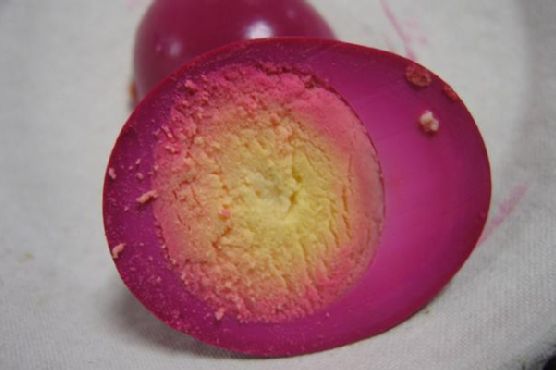
  • Pennsylvania Dutch Pickled Eggs | Made by Meaghan Moineau

    Pennsylvania Dutch Pickled Eggs | Made by Meaghan Moineau

    Pennsylvania Dutch Pickled Eggs

    Why You’ll Love It

    Pickled eggs are a delightful and tangy treat that will transport you to the heart of Pennsylvania Dutch country. Not only are they visually striking with their vibrant pink hue, but they also pack a punch of flavor that is both sweet and tangy. These pickled eggs are a testament to the simplicity and resourcefulness of traditional cooking, using basic pantry staples to create something truly special. Whether you’re a fan of traditional pickling or looking to try something new, these eggs are sure to become a favorite in your household.

    I remember the first time I encountered pickled eggs at a small family gathering in rural Pennsylvania. My great-aunt Martha would bring a large jar of these beautifully colored eggs, and they were always the first to disappear from the table. To this day, the taste of these pickled eggs brings back cherished memories of family, laughter, and the warm kitchen where we gathered to share stories and food.

    Ingredients

    • 1 can of beets, drained (reserve the liquid)
    • 1 cup cider vinegar
    • 12 hard-boiled eggs, peeled
    • 1/2 cup granulated sugar
    • 1 onion, thinly sliced
    • 1 teaspoon table salt

    Instructions

    1. Drain the liquid from the beets into a medium saucepan. Set the beets aside for later use.
    2. In a large bowl or jar, layer the beets, sliced onions, and hard-boiled eggs.
    3. Add the granulated sugar and cider vinegar to the saucepan with the beet liquid and stir well.
    4. Bring the mixture to a boil over medium heat, stirring occasionally to ensure the sugar dissolves completely.
    5. Once boiling, reduce the heat to low and let the mixture simmer for 15 minutes.
    6. Carefully pour the hot beet juice mixture over the beets, eggs, and onions in the bowl or jar.
    7. Seal the bowl or jar tightly with a lid.
    8. Refrigerate the pickled eggs for at least one day before serving. The longer the eggs sit, the more flavorful they will become.

    Tips

    For the best results, ensure that the eggs are completely submerged in the pickling liquid. If necessary, you can weigh them down with a small plate or a clean object that fits inside the jar. Allowing the eggs to sit for at least three days will enhance the flavor and color even more. Always use freshly boiled eggs for easier peeling, and make sure they are completely cooled before pickling.

    Variations & Substitutions

    The beauty of this recipe lies in its versatility. Here are some variations and substitutions you can try to suit your taste preferences:

    • Spice it up: Add whole cloves, peppercorns, or a cinnamon stick to the pickling liquid for a spicier kick.
    • Sweeter touch: Increase the granulated sugar by a few tablespoons if you prefer a sweeter pickled egg.
    • Alternative vinegar: White vinegar or red wine vinegar can be used in place of cider vinegar for a slightly different flavor profile.
    • Vegetarian option: Omit the eggs and use only beets and onions for a vibrant pickled veggie side dish.

    Storage

    Store the pickled eggs in the refrigerator in a sealed jar or airtight container. They will keep for up to two weeks, but are best enjoyed within the first week for optimal flavor and texture. Always ensure the eggs are covered completely by the pickling liquid to prevent spoilage.

    FAQ

    Can I use fresh beets instead of canned?

    Yes, you can use fresh beets. Simply boil them until tender, peel, and slice. Use the cooking water as part of your beet liquid for the pickling process.

    Why did my eggs turn rubbery?

    If your eggs turned rubbery, they may have been overcooked during the boiling process. Ensure that you cook the eggs just until the yolks are set and immediately cool them in ice water to stop the cooking process.

    Can I reuse the pickling liquid?

    Reusing pickling liquid is not recommended as it loses potency and may harbor bacteria after the initial use. It’s best to make a fresh batch for each new set of pickled eggs.

    Nutrition

    Each pickled egg contains approximately:

    • Calories: 80
    • Protein: 6g
    • Fat: 5g
    • Carbohydrates: 5g
    • Sugar: 4g
    • Sodium: 200mg

    Final Thoughts

    Pennsylvania Dutch Pickled Eggs are a delightful way to bring a touch of tradition into your kitchen. Their vibrant color and unique flavor make them a standout addition to any meal, whether it’s a picnic, a holiday gathering, or simply a snack on a lazy afternoon. As you savor each bite, may it bring you comfort and nostalgia, just as it has for generations of families before. Enjoy the taste of history and the love that goes into every jar of these pickled treasures.

    Related update: Pennsylvania Dutch Pickled Eggs

    Related update: Oven-Baked Feta Cheese Dip

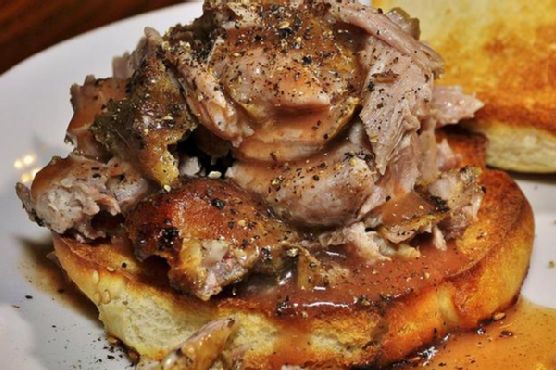
  • North Carolina-Style BBQ Pulled Pork | Made by Meaghan Moineau

    North Carolina-Style BBQ Pulled Pork | Made by Meaghan Moineau

    North Carolina-Style BBQ Pulled Pork

    Welcome to our cozy corner of barbecue heaven! Today, we’re diving into a classic recipe that brings the flavors of North Carolina right to your kitchen. Picture a gathering in the backyard, the air filled with laughter, and the irresistible aroma of slow-cooked pork mingling with tangy vinegar-based sauce. This dish takes me back to family reunions where we’d gather around a long picnic table, savoring every bite, sharing stories, and creating memories. Let’s recreate that magic with this North Carolina-Style BBQ Pulled Pork recipe!

    Why You’ll Love It

    This North Carolina-Style BBQ Pulled Pork is a true labor of love, but it’s worth every moment spent in the kitchen. Here’s why you’ll adore this recipe:

    • Authentic Flavor: This recipe captures the essence of North Carolina barbecue with its vinegar-based sauce, offering a tangy, spicy, and slightly sweet profile.
    • Perfect for Gatherings: Whether you’re hosting a summer barbecue or a cozy winter dinner, this pulled pork is always a crowd-pleaser.
    • Versatile: Enjoy it in sandwiches, tacos, or as a main dish with your favorite sides.
    • Easy to Follow: While the cooking time is lengthy, the steps are straightforward, ensuring a stress-free cooking experience.

    Ingredients

    • 3 tablespoons paprika
    • 1 tablespoon light brown sugar
    • 1 teaspoon celery salt
    • 1 teaspoon garlic salt
    • 1 teaspoon dry mustard
    • 1 teaspoon black ground pepper
    • 1 teaspoon onion powder
    • 1 teaspoon salt
    • 1 (5 to 6 pounds) boneless pork shoulder roast
    • 1/4 cup melted butter
    • 1 teaspoon liquid hickory smoke
    • 2 cups apple cider vinegar
    • 1 cup water
    • 1 cup ketchup
    • 1 tablespoon dark firmly-packed brown sugar
    • 1/2 teaspoon crushed red pepper flakes

    Instructions

    1. Mix paprika, light brown sugar, celery salt, garlic salt, dry mustard, black pepper, onion powder, and salt in a small bowl.
    2. Season the entire pork roast with the spice mixture and cover it. Leave it in the refrigerator overnight.
    3. Preheat the oven to 325°F (165°C). Place the pork roast in a large, disposable aluminum roasting pan.
    4. In a small bowl, mix together the melted butter and liquid hickory smoke to create the basting marinade.
    5. Pour the basting marinade over the pork and cover with aluminum foil. Cook for approximately 4 1/2 hours, turning the pork every hour and basting every 30 minutes. Alternatively, cook over white hot coals, covered, for 3-3 1/2 hours, basting and turning frequently.
    6. Transfer the pork roast to a cutting board. Drain the excess juices from the pan.
    7. Slice the pork roast and pull apart the meat, trimming the fat, and place back into the roasting pan.
    8. Prepare the BBQ sauce by mixing the cider vinegar, water, ketchup, dark brown sugar, salt, and red pepper flakes in a large bowl. Pour over the pulled pork, stirring to ensure all pork is covered. Cover with aluminum foil.
    9. Place the pulled pork back into the oven (still at 325°F) or in a pan on the grill and cook for 1 1/2 hours, stirring every 30 minutes.

    Tips

    • Choose the Right Cut: A boneless pork shoulder works best for this recipe, offering the right balance of fat and tenderness.
    • Plan Ahead: Marinating the pork overnight is crucial for deep flavor penetration.
    • Temperature Check: Ensure your oven or grill maintains a steady temperature for even cooking.

    Variations & Substitutions

    While this recipe is a classic, here are some variations and substitutions you can try:

    • Smokier Flavor: Add more liquid smoke to the basting marinade for an intensified smoky taste.
    • Spicier Kick: Increase the amount of crushed red pepper flakes or add cayenne pepper to the spice mix.
    • Sweet Twist: Substitute dark brown sugar with honey or molasses for a different kind of sweetness.

    Storage

    Store any leftover pulled pork in an airtight container in the refrigerator for up to 3 days. For longer storage, freeze the pulled pork in a freezer-safe container for up to 3 months. Reheat thoroughly before serving.

    FAQ

    Can I use a slow cooker for this recipe?

    Absolutely! You can follow the same steps for seasoning and marinating the pork, then transfer it to a slow cooker. Cook on low for 8-10 hours or on high for 4-6 hours, until the pork is tender enough to pull apart.

    What sides pair well with North Carolina-Style BBQ Pulled Pork?

    Classic sides include coleslaw, cornbread, baked beans, and potato salad. Freshly baked rolls or buns make for delicious pulled pork sandwiches.

    Nutrition

    While exact nutritional content will vary based on portion sizes, a typical serving of this pulled pork is rich in protein and flavor. It’s moderately high in calories due to the pork and sugars, so enjoy in moderation as part of a balanced diet.

    Final Thoughts

    I hope this North Carolina-Style BBQ Pulled Pork brings as much joy to your table as it has to mine. It’s a dish that embodies the spirit of togetherness and celebration. Whether you’re a barbecue novice or a seasoned pitmaster, this recipe is sure to become a beloved staple in your culinary repertoire. Enjoy every savory, tangy bite, and don’t forget to share it with those you love!

    Related update: North Carolina-Style BBQ Pulled Pork

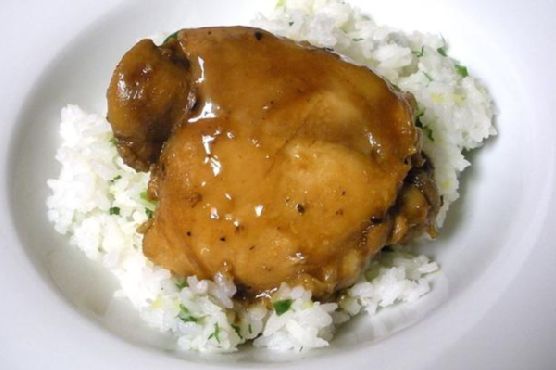
  • Chicken Adobo & Coconut Ginger Rice | Made by Meaghan Moineau

    Chicken Adobo & Coconut Ginger Rice | Made by Meaghan Moineau

    Chicken Adobo & Coconut Ginger Rice

    There’s something truly comforting about the rich aroma of Chicken Adobo wafting through the kitchen. This dish takes me back to my childhood, where Sundays meant gathering around the table with family, sharing stories as the flavors of soy sauce, vinegar, and bay leaves worked their magic on tender chicken thighs. Today, I hope to bring a little piece of that nostalgia into your home with this delightful recipe for Chicken Adobo & Coconut Ginger Rice.

    Why You’ll Love It

    This Chicken Adobo & Coconut Ginger Rice recipe is a heartwarming blend of savory, sweet, and tangy flavors that come together in a truly satisfying meal. The tender chicken, marinated in a rich adobo sauce, is perfectly complemented by the fragrant coconut ginger rice. It’s a dish that feels like a warm hug, perfect for cozy dinners or entertaining guests. Whether you’re new to Filipino cuisine or a seasoned fan, this recipe is sure to become a staple in your kitchen.

    Ingredients

    • 1/2 cup low sodium soy sauce
    • 1/2 cup apple cider vinegar
    • 4 cloves garlic, minced
    • 1 tablespoon whole peppercorns
    • 2 tablespoons brown sugar
    • 3 bay leaves
    • 6 bone-in chicken thighs
    • 1 tablespoon grapeseed oil
    • 1 cup chicken broth
    • 1 tablespoon cornstarch
    • 1/4 cup water
    • 3 cups water (for rice)
    • 1 1/2 cups rice
    • 1 tablespoon fresh ginger, grated
    • 1/2 cup sweetened shredded coconut
    • 2 scallions, chopped
    • 2 tablespoons fresh parsley, chopped
    • Kosher salt, to taste

    Instructions

    1. In a large bowl or flat dish, combine soy sauce, vinegar, garlic, peppercorns, brown sugar, and bay leaves with the chicken. Marinate for at least an hour or overnight.
    2. When ready to cook, heat grapeseed oil in a pan over medium-high heat. Lay the chicken thighs down, leaving the marinade in the dish. Brown the chicken on both sides, approximately 2-3 minutes per side, then remove from the pan and set aside.
    3. Pour the marinade and chicken broth into the pan and bring to a boil. Once boiling, return the chicken to the pan, cover, and cook for about 10 minutes.
    4. In a small bowl, whisk 1/4 cup water with the cornstarch, then add to the pan. Turn the chicken pieces over, cover again, and cook until the juices run clear, approximately 6-9 minutes.
    5. For the rice, bring 3 cups of water to a boil in a saucepan. Add a pinch of salt, then add the rice and cook according to package instructions. Once the rice is done, toss with scallions, parsley, ginger, and coconut.
    6. Serve the chicken over the coconut ginger rice and drizzle with a bit of the sauce from the pan.

    Tips

    For the best results, marinate the chicken overnight. This allows the flavors to penetrate deeply, resulting in more flavorful and tender chicken. When browning the chicken, make sure your pan is hot enough to give it a nice sear; this adds depth to the flavor.

    Variations & Substitutions

    If you prefer, you can use boneless chicken thighs or even chicken breasts for a leaner option. For those who enjoy a little heat, add a sliced chili or a dash of chili flakes to the marinade. If you’re avoiding soy, tamari or coconut aminos can be substituted for soy sauce.

    Storage

    Leftover Chicken Adobo can be stored in an airtight container in the refrigerator for up to 3 days. The rice can be stored separately in the refrigerator for up to 2 days. To reheat, add a splash of water to the chicken and warm it on the stove over low heat until heated through.

    FAQ

    Can I make this dish ahead of time?

    Absolutely! Chicken Adobo often tastes even better the next day as the flavors continue to develop. Feel free to make it a day ahead for a quick and easy meal.

    What can I serve with Chicken Adobo & Coconut Ginger Rice?

    This dish pairs wonderfully with a simple green salad or steamed vegetables such as broccoli or bok choy. The freshness of the greens complements the rich flavors of the adobo.

    Nutrition

    Each serving of Chicken Adobo & Coconut Ginger Rice provides a balanced meal of protein, carbohydrates, and healthy fats. It’s a great source of vitamins and minerals, particularly from the fresh herbs and ginger. For those watching their sodium intake, using low sodium soy sauce helps keep the levels in check.

    Final Thoughts

    Chicken Adobo & Coconut Ginger Rice is a dish that brings warmth and comfort with each bite. It’s perfect for family dinners or when you want to impress your guests with something both exotic and homey. I hope this recipe fills your home with the same joy and delicious smells it brings to mine. Enjoy every moment of cooking and savoring this delightful meal!

    Related update: Chicken Adobo & Coconut Ginger Rice