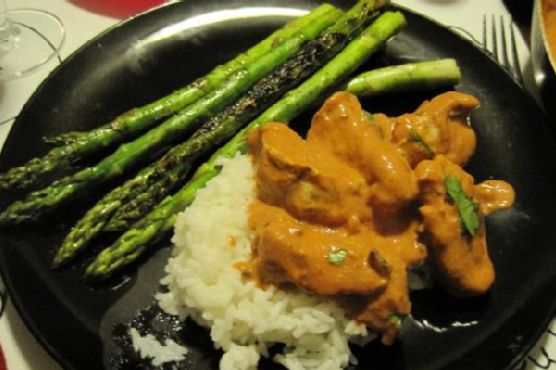
Tag: Stovetop

  • Tropical Coconut-Lime Chicken Tenders with Spicy Mango Salsa | Made by Meaghan Moineau

    Tropical Coconut-Lime Chicken Tenders with Spicy Mango Salsa | Made by Meaghan Moineau

    Tropical Coconut-Lime Chicken Tenders with Spicy Mango Salsa

    Imagine the sizzle of chicken tenders as they hit a hot pan, the aroma of freshly zested lime mingling with toasted coconut, and the vibrant colors of a mango salsa that practically dances off the plate. This isn’t just any chicken dish; it’s a culinary escape to a tropical paradise.

    Personal Story

    There was a summer I spent in a small beach town, one of those hidden gems where life moves at a slower pace, and the air is always tinged with the scent of salt and citrus. It was there that I first fell in love with the bold, refreshing flavors of tropical cuisine. Every meal seemed like a celebration, a dance of unexpected flavors that brought a sense of adventure to the table. Since then, I’ve chased that feeling, eager to recreate it in my own kitchen.

    One day, while experimenting with classic chicken tenders, the idea struck me — why not infuse them with the vibrant, zesty flavors I adored so much? I’d had my fair share of fried chicken tenders, but they often left me wanting something more exciting, something that would transport my taste buds back to that sun-drenched beach. That’s when the Tropical Coconut-Lime Chicken Tenders with Spicy Mango Salsa were born.

    It wasn’t all smooth sailing, though. My first attempt was a bit too ambitious, resulting in mango chunks that were more like mush, and chicken tenders that were a tad overbrowned. But with each trial, I learned, adjusted, and eventually perfected the balance. The result? A dish that’s not only flavorful but evokes the carefree spirit of those summer days.

    What Makes This Version Special

    This version of chicken tenders introduces a zesty lime marinade and a fiery mango salsa, bringing a refreshing tropical flair to the classic. The marinade infuses the chicken with a tangy brightness, while the coconut and breadcrumb coating adds a crispy, nutty texture. The spicy mango salsa complements these flavors with its juicy sweetness and a hint of heat from the jalapeño, creating a dish that’s layered with complexity and excitement.

    Unlike standard chicken tenders, which can often be heavy and greasy, this rendition is light and vibrant. The use of unsweetened coconut and whole wheat breadcrumbs not only enhances the flavor but also adds a healthful twist. It’s a fusion of comforting familiarity and exotic novelty that will elevate any meal.

    Flavor Profile

    With your first bite, you’ll experience a burst of tropical zest as the lime-marinated chicken tenders melt in your mouth. The toasted coconut and whole wheat breadcrumbs create a crunch that’s both satisfying and addictive. As you dip your tenders into the spicy mango salsa, the sweetness of ripe mango dances with the heat of jalapeño, creating a symphony of flavors that’s both invigorating and harmonious. Every element of this dish is designed to complement and enhance the others, making each bite a delightful journey.

    Ingredients

    • 1 pound chicken tenders
    • 2 egg whites
    • **1 cup unsweetened coconut**
    • **1 cup whole wheat bread crumbs**
    • **Juice and zest of 2 limes**
    • 1 teaspoon smoked paprika
    • **1 ripe fresh mango, diced**
    • 1 jalapeño, finely diced
    • 1/2 small red onion, finely chopped
    • 1/4 cup fresh cilantro, chopped
    • 1 tablespoon honey
    • 1 teaspoon sea salt

    Instructions

    1. Preheat your oven to 350°F (175°C).
    2. In a shallow dish, combine the lime juice, lime zest, and smoked paprika. Add the chicken tenders, ensuring they are well coated with the marinade. Let them marinate for at least 30 minutes to absorb the flavors.
    3. While the chicken is marinating, toast the unsweetened coconut and whole wheat breadcrumbs in a large skillet over medium heat. Stir continuously until golden brown, about 5 minutes. This will enhance the flavor and aroma.
    4. In a separate bowl, beat the egg whites until slightly frothy.
    5. Remove the chicken tenders from the marinade, allowing any excess liquid to drip off. Dip each tender into the egg whites, ensuring a thin, even coating.
    6. Roll each chicken tender in the toasted coconut and breadcrumb mixture, pressing lightly to adhere the coating.
    7. Place the coated chicken tenders on a baking sheet lined with parchment paper. Bake in the preheated oven for 20 minutes, or until the chicken is cooked through and the coating is crispy and golden-brown.
    8. While the chicken bakes, prepare the mango salsa. In a medium bowl, combine the diced mango, jalapeño, red onion, cilantro, honey, and sea salt. Mix well and adjust seasoning as desired.
    9. Serve the chicken tenders hot, alongside the spicy mango salsa. Enjoy!

    Pro Tips from Meaghan’s Kitchen

    • To ensure the chicken tenders are juicy, don’t skip the marinating step. The lime not only adds flavor but also tenderizes the meat.
    • Be patient when toasting the coconut and breadcrumbs. Stir constantly to prevent burning and achieve an even golden hue.
    • If you find the mango salsa too spicy, remove the seeds from the jalapeño or use half of it.
    • For an extra layer of flavor, consider adding a pinch of cayenne pepper to the breadcrumb mixture for a subtle kick.
    • Make sure your mango is ripe for the best sweetness and balance in the salsa.

    Variations & Dietary Swaps

    • Vegetarian Swap: Replace chicken tenders with firm tofu slices. Marinate and bake as instructed for a delightful plant-based option.
    • Spice-It-Up Version: Add a teaspoon of cayenne pepper to the marinade for a spicier flavor profile.
    • Kids-Friendly Version: Skip the jalapeño in the salsa and offer a side of yogurt dip for a milder option.

    What to Serve With It

    This dish pairs beautifully with a chilled glass of coconut water, enhancing its tropical flair. For a fuller meal, serve with a light, tropical fruit smoothie or a side of coconut rice to complement the flavors and textures of the chicken tenders and salsa.

    Storage & Meal Prep

    Store any leftover chicken tenders in an airtight container in the refrigerator for up to 3 days. Reheat in a preheated oven at 350°F (175°C) for 10-12 minutes to maintain crispiness. The mango salsa is best enjoyed fresh but can be kept in the fridge for up to 2 days.

    FAQ

    Can I use sweetened coconut instead of unsweetened?

    While sweetened coconut can be used, it may alter the dish’s balance, making it sweeter. Unsweetened coconut offers a more authentic flavor without overpowering the other elements.

    What can I substitute for whole wheat breadcrumbs?

    If whole wheat breadcrumbs are unavailable, panko breadcrumbs work well, offering a similar crunchy texture.

    Can I grill the chicken tenders instead of baking them?

    Yes, grilling is an excellent alternative. Preheat your grill to medium heat and cook the tenders for 4-5 minutes on each side until fully cooked.

    How do I know when the chicken tenders are fully cooked?

    The chicken is done when it reaches an internal temperature of 165°F (75°C) and the juices run clear.

    Can this dish be made ahead of time?

    While fresh is best, you can marinate the chicken and prepare the salsa a day in advance. Bake the tenders just before serving for optimal texture.

    Final Thoughts

    Cooking is a journey, and recipes like these Tropical Coconut-Lime Chicken Tenders with Spicy Mango Salsa are meant to be both an adventure and a joy. I hope this dish transports you to a tropical paradise, filling your kitchen with vibrant flavors and delightful aromas. Feel free to share your experience, and I’d love to hear your variations and creative spins. Happy cooking, friends!

    Related update: Tropical Coconut-Lime Chicken Tenders with Spicy Mango Salsa

  • Spicy Chettinad Egg Curry with Smoky Roasted Peppers | Made by Meaghan Moineau

    Spicy Chettinad Egg Curry with Smoky Roasted Peppers | Made by Meaghan Moineau

    Spicy Chettinad Egg Curry with Smoky Roasted Peppers

    Imagine the intoxicating aroma of spices blooming in hot oil, mingling with the sweet, smoky scent of roasted bell peppers. This isn’t just a meal; it’s an experience that dances on your taste buds and transports you straight to the heart of southern India. Welcome to my take on the Spicy Chettinad Egg Curry with Smoky Roasted Peppers, where traditional flavors meet an unexpected twist.

    Personal Story

    My journey with the Chettinad egg curry started in a bustling kitchen in Chennai, where my friend’s mother was known for her magical touch with spices. I stood in awe, watching her effortlessly balance heat and fragrance, mesmerized by the sizzling sounds and the heady scent that filled the room. The experience was nothing short of culinary theater, and I was hooked from the very first bite.

    Years later, I found myself craving that same depth of flavor but wanted to introduce a twist that would make the dish my own. On a whim, I decided to char some red bell peppers over an open flame. The idea struck while I was reminiscing about a summer barbecue, where the smoky sweetness of grilled vegetables lingered long after the meal was over. It was a bold leap, but one that paid off with a delightful complexity.

    There was a sort of symmetry to it all—blending a childhood memory with a cherished culinary tradition, like adding a new verse to an old song. The addition of roasted peppers not only enhances the robustness of the dish but also balances the fiery Chettinad spices with a touch of sweetness.

    My kitchen has since become a place where the past and present meld seamlessly, and this Spicy Chettinad Egg Curry with Smoky Roasted Peppers is a testament to that harmony. Every time I prepare it, I’m reminded of the rich tapestry of flavors and stories that food can weave.

    What Makes This Version Special

    This version of the classic Chettinad egg curry stands out due to its unique infusion of smokiness from roasted red bell peppers. Traditional Chettinad recipes are known for their fiery punch and aromatic spices, but by introducing roasted peppers, we add a new dimension of flavor. The peppers bring a natural sweetness and depth that perfectly complements the heat of the spices, creating a harmonious balance. This layer of smokiness elevates the dish from a familiar favorite to an extraordinary culinary adventure. Trust me, once you’ve tried it, there’s no going back to the standard recipe!

    Flavor Profile

    The taste journey of this Spicy Chettinad Egg Curry with Smoky Roasted Peppers is nothing short of a revelation. It begins with a fiery kick from the red chilies and peppercorns, followed by the warm, earthy notes of cumin and coriander. The roasted bell peppers introduce a tantalizing smokiness, wrapping the spices in a gentle sweetness that lingers. As you savor each bite, the aromatic symphony of ginger, garlic, and curry leaves unfolds, leaving a lasting impression that’s both bold and comforting. It’s a dish that delights in layers, each more intriguing than the last.

    Ingredients

    • 2 tablespoons oil
    • 2 large onions, finely chopped
    • 5 cloves of garlic, minced
    • 1 tablespoon ginger garlic paste
    • 4-5 dried red chilies
    • 1 teaspoon coriander seeds
    • 1 teaspoon cumin seeds
    • 1 cinnamon stick
    • 4 green cardamoms/ elaichi
    • 10 curry leaves
    • 2 large tomatoes, pureed
    • **2 red bell peppers, roasted and peeled**
    • 1 tablespoon smoked paprika
    • 1 teaspoon poppy seeds
    • Salt, to taste
    • 6 hard-boiled eggs, peeled
    • 1/2 teaspoon freshly ground black pepper
    • Chopped coriander leaves, for garnish

    Instructions

    1. Start by charring the **2 red bell peppers** over an open flame, turning them occasionally until their skin is blackened. Once charred, place them in a bowl, cover with plastic wrap, and let them steam for 10 minutes. This will make the skin easy to peel off. Peel off the skins, remove the seeds, and blend the flesh to a smooth puree.
    2. Heat 2 tablespoons of oil in a large pan over medium heat. Add the coriander seeds, cumin seeds, and dried red chilies, allowing them to bloom in the oil for about 1 minute, or until they’re fragrant and begin to pop.
    3. Add the cinnamon stick, green cardamoms, and curry leaves. Stir for another 30 seconds, releasing their aromatic oils.
    4. Introduce the chopped onions to the pan, sautéing them until they turn golden-brown, around 8-10 minutes. Stir in the ginger garlic paste and minced garlic, cooking for an additional 2 minutes.
    5. Add the pureed tomatoes and the blended roasted bell peppers. Mix well, then stir in the smoked paprika and poppy seeds. Cook until the mixture thickens and the oil starts to separate, approximately 10 minutes.
    6. Season with salt and freshly ground black pepper. Gently add the hard-boiled eggs, coating them well in the sauce. Simmer for 5-7 minutes to allow the eggs to absorb the flavors.
    7. Garnish with chopped coriander leaves before serving.

    Pro Tips from Meaghan’s Kitchen

    • For the best smoky flavor, let the peppers char until their skins are fully blackened. It might look extreme, but it’s essential for that deep, smoky taste.
    • When blooming the spices, listen for the sound of popping and watch for a slight darkening in color. This process is crucial for unlocking their full flavor potential.
    • If possible, use freshly ground spices instead of pre-ground ones. The difference in aroma and flavor is well worth the extra step.
    • To prevent overcooked eggs, remove them from the heat as soon as they’re coated in sauce. They’ll continue to absorb flavors without hardening.
    • Feel free to adjust the spice level by reducing the number of red chilies or substituting them with milder ones if preferred.

    Variations & Dietary Swaps

    • Vegetarian Version: Replace the eggs with paneer or tofu for a delicious vegetarian alternative that still packs a protein punch.
    • Spice-It-Up Version: Add more dried red chilies or a dash of cayenne pepper for those who crave extra heat.
    • Kid-Friendly Version: Reduce the amount of chili and smoked paprika, and add a bit of coconut milk for a milder, creamier curry that kids will love.

    What to Serve With It

    This Spicy Chettinad Egg Curry with Smoky Roasted Peppers pairs beautifully with garlic naan or fluffy basmati rice. The subtle sweetness of the naan or the fragrant rice complements the bold flavors of the curry. For a refreshing contrast, serve it alongside a cooling cucumber raita, which offers a soothing balance to the heat of the dish.

    Storage & Meal Prep

    Store any leftover curry in an airtight container in the fridge for up to 3 days. It can also be frozen for up to a month; just be sure to let it cool completely before sealing it in a freezer-safe container. To reheat, thaw overnight in the fridge (if frozen) and gently warm on the stove over low heat, stirring occasionally, until heated through. The flavors often deepen with time, making this an excellent make-ahead meal.

    FAQ

    Can I use green bell peppers instead of red?

    While you can use green bell peppers, they have a more bitter taste compared to the sweetness of red ones. If you prefer a less sweet and slightly more bitter flavor, feel free to make the swap.

    Is there a way to make this dish less spicy?

    Absolutely! You can cut down on the red chilies and skip the black pepper to tone down the heat. Adding coconut milk can also mellow the spices while adding a creamy texture.

    How do I prevent the eggs from overcooking?

    To keep the eggs tender, make sure to add them at the end of the cooking process and simmer only briefly. Turning off the heat once they’re fully coated in the sauce helps maintain their texture.

    Can I prepare the roasted peppers in advance?

    Yes, you can roast and blend the peppers up to 2 days in advance. Store the puree in the refrigerator until you’re ready to use it in the recipe.

    What if I don’t have smoked paprika?

    If you don’t have smoked paprika, you can substitute it with regular paprika and add a small dash of liquid smoke for that smoky flavor.

    Final Thoughts

    There’s something incredibly satisfying about transforming a classic dish into something that feels both familiar and brand new. This Spicy Chettinad Egg Curry with Smoky Roasted Peppers is a celebration of bold flavors and creative twists, and I hope it finds a special place in your culinary repertoire. Whether you’re a seasoned home cook or just beginning your journey, this recipe invites you to experiment and make it your own. I’d love to hear how it turns out for you, so please share your thoughts and any unique spins you add in the comments below or on social media. Let’s keep the kitchen conversation going!

    Related update: Spicy Chettinad Egg Curry with Smoky Roasted Peppers

    Related update: Guinness Braised Corned Beef with Whiskey-Maple Glaze and Roasted Root Vegetables

  • Savory Hashbrowns with Spinach, Carrot & Smoked Paprika Aioli | Made by Meaghan Moineau

    Savory Hashbrowns with Spinach, Carrot & Smoked Paprika Aioli | Made by Meaghan Moineau

    Savory Hashbrowns with Spinach, Carrot & Smoked Paprika Aioli

    Imagine the sound of potatoes sizzling away in a hot pan, their surfaces turning a perfect golden-brown, while the air fills with the tantalizing aroma of smoked paprika and fresh dill. These are no ordinary hashbrowns, my friend. This is a breakfast experience, an ode to mornings made extraordinary.

    Personal Story

    Hashbrowns have always held a special place in my heart. I vividly remember my first attempt at making them as a teenager. I was at my grandmother’s quaint little kitchen, the kind of kitchen that felt like a warm hug. My grandmother watched over me with her twinkling eyes, as I awkwardly grated potatoes, leaving a mess that probably took longer to clean than it did to cook.

    Despite the chaos, the first bite was transformative. It was a simple dish, yet it was full of comfort and nostalgia. From that day on, hashbrowns became a staple in my culinary repertoire, a dish I could always rely on to bring a smile to anyone’s face. But, as I evolved as a home cook, so did my hashbrown recipe.

    Fast forward a few years, and I found myself yearning for a little more adventure in my breakfast routine. That’s when inspiration struck: Why not add a smoky aioli and a touch of feta cheese to those classic hashbrowns? This idea was born out of a love for bold flavors and a desire to elevate an already beloved dish.

    Now, with every sizzle of these hashbrowns in the pan, I’m reminded of my grandmother’s influence and the joy of reinventing a classic. Each bite is a journey, a blend of nostalgia and culinary innovation.

    What Makes This Version Special

    This version of hashbrowns takes the classic to a whole new level by introducing a smoky aioli enhanced with smoked paprika and a generous sprinkle of tangy feta cheese. These additions bring a depth and creaminess that you won’t find in your everyday hashbrown recipe. The smoked paprika blooms in oil, releasing its deep, earthy aroma, while the feta cheese introduces a rich, creamy texture that pairs beautifully with the crispy potato exterior.

    By incorporating fresh spinach and carrot into the mixture, these hashbrowns not only become more nutritious but also boast an intriguing blend of flavors and colors. The spinach adds a freshness, while the carrot provides a subtle sweetness, creating a harmonious balance that makes this version stand out from the crowd.

    Flavor Profile

    The flavor profile of these savory hashbrowns is a delightful dance of savory, smoky, and tangy notes, underpinned by creamy undertones. As you take the first bite, the crispy exterior gives way to a tender, flavorful interior, with the fresh spinach and sweet carrot harmonizing beautifully. The smoked paprika aioli adds a layer of complexity, wrapping each bite in a warm, earthy embrace, while the feta cheese provides a tangy, luscious contrast. It’s a multi-sensory experience that leaves you craving more.

    Ingredients

    • 4 medium potatoes, grated
    • 1 cup fresh spinach leaves, chopped
    • 1 medium onion, finely chopped
    • 1 medium carrot, grated
    • 1/2 teaspoon salt, plus more to taste
    • 1/2 teaspoon red chili powder
    • 2 tablespoons cornflour
    • 1/2 cup feta cheese, crumbled
    • 1/2 cup mayonnaise
    • 1 teaspoon smoked paprika
    • 1 tablespoon lemon juice
    • 1 tablespoon fresh dill, chopped
    • Oil for frying

    Instructions

    1. In a large bowl, combine the grated potatoes, chopped spinach, onion, and grated carrot. Add 1/2 teaspoon of salt and mix well. Squeeze the mixture with your hands to remove as much moisture as possible. This step is crucial for achieving that desired crispiness.
    2. Add the red chili powder and cornflour to the potato mixture. Crumble the feta cheese into the bowl for a creamy, tangy twist. Mix until everything is evenly incorporated. Taste and adjust the salt if necessary.
    3. Form the mixture into small, even patties, pressing them firmly to ensure they hold together.
    4. Heat a generous amount of oil in a pan over medium-high heat. Once hot, carefully place the patties into the pan. Allow them to brown for a few minutes on each side, then reduce the heat to medium and continue cooking until they are golden-brown and cooked through, about 10-12 minutes total.
    5. While the hashbrowns are cooking, prepare the smoky aioli. In a small saucepan, heat 1 tablespoon of oil over low heat. Add the smoked paprika and gently stir for about 30 seconds to bloom the spice, releasing its deep flavor. Remove from heat and let it cool slightly.
    6. In a small bowl, combine the mayonnaise, lemon juice, and chopped dill. Stir in the smoked paprika oil, mixing until smooth and well combined.
    7. Serve the hashbrowns hot, drizzled with the smoky aioli.

    Pro Tips from Meaghan’s Kitchen

    • Always squeeze out as much moisture as possible from the potato mixture. It’s the secret to achieving perfectly crispy hashbrowns.
    • If your mixture seems too wet, add a little more cornflour to help bind the patties.
    • For an extra flavorful aioli, let the smoked paprika bloom in the oil for a full minute, but be careful not to burn it.
    • Don’t overcrowd the pan when frying the patties. This ensures even cooking and better browning.
    • Use a non-stick pan for easier flipping and to prevent sticking.

    Variations & Dietary Swaps

    • Vegetarian Delight: Swap the feta cheese with a plant-based feta alternative to make these hashbrowns completely vegetarian.
    • Spice-It-Up Version: Add a pinch of cayenne pepper to the aioli for an extra kick, or fresh jalapeños to the hashbrown mixture for more heat.
    • Kids-Friendly Version: Omit the red chili powder and smoked paprika for a milder flavor that kids will love.

    What to Serve With It

    These savory hashbrowns pair beautifully with a crisp, chilled Chardonnay, bringing out their smoky and tangy notes. For a non-alcoholic option, a lemon-infused sparkling water makes a refreshing accompaniment, cutting through the richness of the dish. You can also serve them alongside a fresh green salad or some grilled vegetables for a balanced meal.

    Storage & Meal Prep

    Leftover hashbrowns can be stored in an airtight container in the fridge for up to 3 days. To reheat, place them in a preheated oven at 350°F (175°C) for about 10 minutes, or until heated through and crispy again. For longer storage, freeze the uncooked patties on a baking sheet until solid, then transfer them to a freezer-safe bag. When ready to cook, fry them directly from frozen, adding a few extra minutes to the cooking time.

    FAQ

    Can I make the hashbrowns ahead of time?

    Yes, you can prepare the patties in advance and store them in the fridge for up to a day before frying. This makes breakfast prep a breeze.

    What if I don’t have smoked paprika?

    If you don’t have smoked paprika, regular paprika can be used, but you’ll miss out on that smoky flavor. You could also try a pinch of chipotle powder for a similar effect.

    How do I prevent the hashbrowns from falling apart?

    Ensure that you’ve squeezed out as much moisture as possible from the mixture and that you press the patties firmly when shaping them. If they’re still falling apart, try adding a bit more cornflour.

    Can I bake these hashbrowns instead of frying?

    Yes, you can bake them! Preheat your oven to 400°F (200°C) and bake on a parchment-lined baking sheet for about 25-30 minutes, flipping halfway through, until golden and crispy.

    Can I substitute dill with another herb?

    Absolutely! Fresh parsley or chives would also work beautifully in the aioli for a different herbal note.

    Final Thoughts

    I hope this recipe for Savory Hashbrowns with Spinach, Carrot & Smoked Paprika Aioli becomes a cherished addition to your breakfast or brunch repertoire. It’s a dish that’s close to my heart and perfect for sharing with loved ones. As always, I’d love to hear how it turns out for you. Please leave a comment below or share your delicious creations on social media. Let’s make mornings a little more magical, one hashbrown at a time!

    Related update: Savory Hashbrowns with Spinach, Carrot & Smoked Paprika Aioli

  • Tex-Mex Polenta Rounds with Zesty Lime Corn Salsa and Avocado Crema | Made by Meaghan Moineau

    Tex-Mex Polenta Rounds with Zesty Lime Corn Salsa and Avocado Crema | Made by Meaghan Moineau

    Tex-Mex Polenta Rounds with Zesty Lime Corn Salsa and Avocado Crema

    Imagine the sizzling sound of golden-brown polenta rounds searing in a skillet, their savory aroma mingling with the bright zest of lime and the creamy depth of ripe avocado. This is not just a meal; it’s an experience — a feast for the senses that takes you straight to the vibrant heart of a Mexican fiesta.

    Personal Story

    On a particularly brisk autumn afternoon, I stumbled upon a hidden gem in a bustling Mexican market during a trip to San Antonio. The air was rich with the scent of fresh spices and grilled corn, and the warmth from a nearby food stall promised comfort. I was drawn to a vendor selling what looked like tiny golden disks, topped with vibrant, colorful salsas and creams. Polenta rounds, they told me, were the secret to a quick, delightful snack that blended the heartiness of Italian cooking with Tex-Mex flair.

    That day, I fell in love with the humble polenta round. It was crispy on the outside and creamy within, a texture that played beautifully against the tangy salsa and the smooth cream they served as toppings. I knew instantly I had to recreate this dish at home, but with my own twist. Back in my kitchen, after a few attempts and delightful mishaps involving overly spicy jalapeños, I crafted a version that incorporated a zesty lime corn salsa and a luscious avocado crema — elements that truly elevated the dish.

    This recipe has since become a staple in my household, a go-to for gatherings where the promise of something familiar yet exciting is needed. It’s a dish that speaks to my soul, bridging cultural flavors while indulging my creative culinary spirit. Every time I make it, I am transported back to that lively market, full of laughter, color, and the undeniable joy that good food brings.

    Whether you’re a seasoned cook or a kitchen novice, these Tex-Mex Polenta Rounds with Zesty Lime Corn Salsa and Avocado Crema will ignite your taste buds and bring a touch of fiesta to your table.

    What Makes This Version Special

    This version of Tex-Mex Polenta Rounds steps up the game with the introduction of a zesty lime corn salsa and a velvety avocado crema. The fresh corn kernels are charred in a dry skillet, adding a smoky dimension that complements the creamy polenta. The salsa bursts with citrusy brightness while the avocado crema brings a rich, smooth counterpoint. These elements combined make each bite a harmonious blend of textures and flavors that are both refreshing and satisfying. This isn’t just an upgrade; it’s a transformation that turns a simple dish into a memorable culinary experience.

    Flavor Profile

    The Tex-Mex Polenta Rounds deliver a delightful taste journey. Each bite is creamy yet crisp, with the polenta rounds exhibiting a perfect golden-brown crust. The smoky undertones from the charred corn mingle with the tangy lime in the salsa, creating a vibrant contrast to the smooth, cool avocado crema. A hint of spice from the jalapeño and chili powder adds just enough kick to keep things interesting, while the fresh citrus notes from the lime juice brighten the entire dish. It’s a symphony of flavors that plays on the palate with every mouthful.

    Ingredients

    • 2 tubes of polenta, cut into 12-24 half-inch medallions
    • 1 tablespoon olive oil
    • 1 teaspoon chili powder
    • 1 teaspoon smoked paprika
    • 1 1/2 cups fresh corn kernels
    • 1 lime, juiced
    • 1 medium green bell pepper, diced
    • 1 small yellow onion, diced
    • 1 jalapeño, seeded and finely chopped
    • 1/4 cup chopped fresh cilantro
    • **2 ripe avocados**
    • **1/2 cup sour cream**
    • 1/2 cup co y jack cheese, shredded
    • Salt, to taste

    Instructions

    1. Preheat your skillet over medium-high heat. Add the fresh corn kernels to the dry skillet, allowing them to char for about 5 minutes. Stir occasionally until they are slightly browned and smoky.
    2. In a large frying pan, heat 1 tablespoon of olive oil over medium heat. Sprinkle the polenta medallions with chili powder and smoked paprika.
    3. Add the polenta rounds to the pan and cook for about 5 minutes on each side, or until they achieve a golden-brown crust. Remove from heat and set aside on a paper towel to drain any excess oil.
    4. In a mixing bowl, combine the charred corn, lime juice, diced bell pepper, onion, jalapeño, and cilantro to create the salsa. Season with salt to taste.
    5. For the avocado crema, blend the avocados with sour cream and a dash of lime juice until smooth and velvety.
    6. To assemble, place a spoonful of the lime corn salsa on each polenta round. Drizzle with avocado crema and sprinkle with co y jack cheese. Serve immediately and enjoy the vibrant flavors!

    Pro Tips from Meaghan’s Kitchen

    • Polenta Prep: Ensure your polenta is well-drained and patted dry before frying to achieve the perfect crispy crust.
    • Char It Right: When charring the corn, keep an eye on the heat to prevent burning. A little smoke is good, but you want browning, not blackening.
    • Crema Consistency: If your avocado crema is too thick, add a splash of water or more lime juice to thin it out to your preferred consistency.
    • Custom Spice Level: Adjust the jalapeño and chili powder to suit your spice tolerance — you can always seed the jalapeño for less heat.
    • Cheese Melting: For a gooey cheese topping, pop the assembled rounds under a broiler for a minute before serving.

    Variations & Dietary Swaps

    • Vegetarian Swap: This recipe is already vegetarian-friendly! For vegans, swap the sour cream with a plant-based alternative and skip the cheese or use a vegan cheese.
    • Spice-It-Up Version: Add a pinch of cayenne pepper to the polenta seasoning or include a dash of hot sauce in the avocado crema.
    • Kids-Friendly Version: Omit the jalapeño and reduce the chili powder for a milder flavor that kids will love.

    What to Serve With It

    These Tex-Mex Polenta Rounds pair beautifully with a refreshing sparkling limeade or a crisp, cold Mexican lager. You might also consider serving them alongside a light green salad or a simple black bean and corn salad for a complete meal. For a fun twist, pair the dish with a zesty margarita for an adult gathering!

    Storage & Meal Prep

    Store any leftover polenta rounds in an airtight container in the refrigerator for up to 3 days. To reheat, place them on a baking sheet in a preheated oven at 350°F (175°C) for about 10 minutes, or until warmed through. The avocado crema is best used fresh, but can be stored separately in the fridge for up to 2 days, tightly covered to prevent browning. The lime corn salsa also keeps well for a couple of days, but is most vibrant when freshly made.

    FAQ

    Can I use canned corn instead of fresh corn?

    Yes, you can use canned corn if fresh corn is not available. Just drain it well and try to dry it off before charring for the best results.

    How do I prevent the polenta rounds from sticking to the pan?

    Ensure your pan is well-preheated and use a non-stick skillet or a well-seasoned cast iron pan. Also, avoid overcrowding the pan to maintain even heat.

    Can I make the polenta rounds ahead of time?

    Yes, you can fry the polenta rounds in advance and reheat them in the oven just before serving to maintain their crispiness.

    What can I use instead of sour cream for the avocado crema?

    Greek yogurt is a great substitute for sour cream, providing a similar tang and creaminess. For a dairy-free option, use a coconut or almond-based yogurt.

    How can I make the dish gluten-free?

    This dish is naturally gluten-free as long as the polenta and other ingredients used are gluten-free certified.

    Final Thoughts

    I hope you find as much joy in creating and savoring these Tex-Mex Polenta Rounds with Zesty Lime Corn Salsa and Avocado Crema as I do. Each bite is a celebration of flavor and texture, perfect for gatherings or a cozy weeknight dinner. I’d love to hear how this recipe turned out for you or any tweaks you made to make it your own. Feel free to share your creations and comments — let’s keep the culinary conversation going!

    Related update: Tex-Mex Polenta Rounds with Zesty Lime Corn Salsa and Avocado Crema

  • Velvety Potato and Roasted Red Pepper Soup with Olive Tapenade Swirl | Made by Meaghan Moineau

    Velvety Potato and Roasted Red Pepper Soup with Olive Tapenade Swirl | Made by Meaghan Moineau

    Velvety Potato and Roasted Red Pepper Soup with Olive Tapenade Swirl

    Imagine this: a cozy evening, the aroma of roasted red peppers and garlic wafting through your kitchen, and a rich, velvety soup swirling with a homemade olive tapenade that’s as vibrant in taste as it is in its Mediterranean hues. This isn’t just any soup; it’s an experience that wraps you in warmth and flavor, from the first aromatic notes to the final satisfying spoonful.

    Years ago, during a summer trip to the Mediterranean coast, I found myself wandering through a bustling local market. The air was heavy with the scent of sun-ripened produce and the briny tang of the sea. It was there I first encountered the magic of roasted red peppers paired with olives — a revelation of simple yet intense flavors that danced on my palate. That memory stayed with me, and every time I recreate this dish, I’m transported back to that vibrant market, the heat of the sun on my face and the joyful chatter of vendors.

    Back in my kitchen, I set out to capture that essence. My first attempt was a disaster—a chaotic kitchen covered in pepper skins and olive pits, my blender groaning under the weight of too many ingredients. Despite the mess, there was a moment of clarity amidst the chaos: the realization that the beauty of Mediterranean cuisine lies in its simplicity. With a few key ingredients and a little finesse, I could transform a humble potato soup into something extraordinary.

    Over time, this velvety potato and roasted red pepper soup became a staple in my culinary repertoire, evolving with each iteration. It’s now a comforting classic with my own twist, a dish that never fails to impress family and friends alike. Whether it’s a quiet dinner or a festive gathering, this soup is a reminder of the simple pleasures and bold flavors that define Mediterranean cooking.

    What Makes This Version Special

    What sets my version of potato and roasted red pepper soup apart is the luxurious swirl of homemade olive tapenade. This tapenade, made from briny black olives, capers, and a hint of lemon zest, adds depth and a touch of Mediterranean flair. It transforms a comforting classic into a feast for the senses. The tapenade is not just a garnish; it’s an integral part of the dish, providing a tangy, rich contrast that elevates the creamy potato base to new culinary heights.

    By integrating this tapenade, the soup gains a complexity that standard recipes lack. It’s a symphony of flavors — each spoonful offering a burst of umami followed by the refreshing citrus notes from the lemon zest. This version isn’t just better; it’s a celebration of flavors that honors the ingredients and the vibrant culture from which they come.

    Flavor Profile

    The flavor profile of this velvety potato and roasted red pepper soup is nothing short of a Mediterranean masterpiece. Imagine the rich, creamy texture of potatoes, subtly sweet and earthy, melding seamlessly with the smoky, slightly charred essence of roasted red peppers. The base is comforting and familiar, like a warm hug on a chilly day.

    But then, there’s the tapenade—oh, the tapenade! It brings a punch of savory umami from the black olives and a refreshing citrus zing from the lemon zest. As you savor each spoonful, the capers add a delightful brininess, lifting the soup from the ordinary to the extraordinary. The interplay of these flavors is a symphony that sings of sun-drenched coasts and leisurely lunches under olive trees.

    Ingredients

    • 4 large potatoes, peeled and chopped
    • 2 tablespoons olive oil
    • 3 cloves garlic, minced
    • **2 cups roasted red peppers**, chopped
    • **1/2 cup black olives**
    • 1 teaspoon dried oregano
    • Salt and pepper to taste
    • **1 tablespoon capers**
    • **Zest of 1 lemon**
    • 4 cups vegetable broth
    • Fresh parsley, chopped, for garnish

    Instructions

    1. In a large saucepan, heat the olive oil over medium heat. Add the minced garlic and sauté until golden-brown, about 2-3 minutes, being careful not to burn it. The aroma should be warm and inviting.
    2. Add the chopped potatoes and sprinkle with oregano and a pinch of salt. Stir to coat the potatoes in the garlicky oil. Pour in enough water to just cover the potatoes (about 300-400 ml) and bring to a boil. Reduce heat and simmer for 30 minutes, or until the potatoes are tender and easily pierced with a fork. To speed up cooking, you can alternatively microwave the potatoes with a splash of water on high for 15 minutes.
    3. While the potatoes are cooking, prepare the tapenade. In a food processor, combine the black olives, capers, lemon zest, and a dash of olive oil. Pulse until you have a coarse paste. Taste and adjust seasoning as necessary.
    4. Once the potatoes are cooked, add the roasted red peppers to the pot. Using an immersion blender, puree the mixture until smooth and creamy. If the soup is too thick, gradually add vegetable broth until the desired consistency is reached. Season with salt and pepper to taste.
    5. To serve, ladle the hot soup into bowls and swirl a generous spoonful of the olive tapenade on top. Garnish with fresh parsley for a pop of color.

    Pro Tips from Meaghan’s Kitchen

    • Roast Your Own Peppers: If you have the time, roasting your own peppers will add an extra layer of smoky depth. Simply char them over an open flame or in the oven until the skins are blackened, then peel and use.
    • Balance is Key: Taste as you go, especially when adding capers and olives. Their brininess can quickly overpower, so adjust to your preference.
    • Immersion Blender Magic: An immersion blender is your best friend for creating a smooth, silky soup without the mess of transferring hot liquids to a traditional blender.
    • Rest the Soup: If you have time, let the soup sit for an hour after cooking. Flavors meld beautifully, and it’s even better the next day.
    • Customize the Tapenade: Feel free to add a pinch of red pepper flakes for a bit of heat or swap in green olives for a milder, fruitier profile.

    Variations & Dietary Swaps

    • Vegetarian Delight: This soup is naturally vegetarian, but for a vegan version, ensure your vegetable broth is vegan-friendly.
    • Spice It Up: Add a pinch of cayenne pepper to the potato and red pepper mixture for a kick of heat that pairs beautifully with the creamy base.
    • Kid-Friendly Version: For kiddos, consider blending the tapenade directly into the soup for a milder, more integrated flavor profile that’s still packed with nutrients.

    What to Serve With It

    This velvety potato and roasted red pepper soup pairs beautifully with a chilled glass of Sauvignon Blanc, its crisp notes complementing the creamy, umami-rich soup perfectly. For something more substantial, serve it alongside a slice of crusty artisan bread, perfect for soaking up every last drop of this delightful dish. A simple green salad dressed with a lemon vinaigrette would also be a refreshing accompaniment.

    Storage & Meal Prep

    This soup is a meal prep dream. Store any leftovers in an airtight container in the refrigerator for up to four days. For longer storage, freeze the soup in individual portions for up to three months. When reheating, do so gently on the stovetop, stirring occasionally until warmed through. If the soup thickens upon reheating, add a splash of vegetable broth to restore its silky consistency.

    FAQ

    Can I use a different type of potato?

    Absolutely! While I prefer using starchy potatoes like Russets for their creamy texture, you can opt for Yukon Golds for a slightly buttery flavor.

    Is it necessary to peel the potatoes?

    For the smoothest texture, peeling is recommended. However, if you prefer a more rustic soup and enjoy the texture of potato skins, feel free to leave them on.

    Can I make the tapenade ahead of time?

    Yes, the tapenade can be made up to three days in advance. Store it in the fridge in a sealed container, and bring it to room temperature before using.

    What if I don’t have an immersion blender?

    No worries! You can use a regular blender. Just blend the soup in batches, being careful with the hot liquid. Return the soup to the pot after blending to reheat.

    Can I substitute the black olives?

    Definitely! Green olives or even Kalamata olives would provide a different but equally delicious flavor profile. Just be mindful of the saltiness and adjust the seasoning accordingly.

    Final Thoughts

    Thank you for joining me on this culinary journey to the Mediterranean with my velvety potato and roasted red pepper soup with olive tapenade swirl. I hope this recipe brings as much joy to your table as it does to mine. Please feel free to leave a comment or share your experience. I’d love to hear how you made this dish your own. Happy cooking, and remember, every stir, every taste, and every aroma is a step towards creating something truly special in your kitchen.

    Related update: Velvety Potato and Roasted Red Pepper Soup with Olive Tapenade Swirl

    Related update: Roasted Squash and Cauliflower Soup with Curried Coconut Twist

  • Strawberry-Banana Pancakes with Honey-Almond Drizzle | Made by Meaghan Moineau

    Strawberry-Banana Pancakes with Honey-Almond Drizzle | Made by Meaghan Moineau

    Strawberry-Banana Pancakes with Honey-Almond Drizzle

    The aroma of toasted almonds wafts through the kitchen, mingling with the sweet scent of honey and ripe bananas. Imagine flipping golden-brown pancakes, each one studded with juicy strawberries and ready to be draped in a warm honey-almond drizzle. This isn’t just breakfast; it’s an experience.

    Personal Story

    Growing up, Saturday mornings meant one thing: the smell of pancakes sizzling on the griddle. My dad would flip them with a practiced hand, occasionally tossing chocolate chips or berries into the batter as a surprise. Those mornings were a slice of heaven, where time seemed to stand still, and the only thing that mattered was the perfect stack of pancakes.

    As I grew older, my culinary adventures took me beyond the simple pancake. Yet, no matter how far I wandered, I always found myself drawn back to those comforting stacks. About a year ago, I stumbled upon a quaint café during a trip to San Francisco that offered a unique take on pancakes. Intrigued, I ordered what would become my muse: pancakes with an almond flair.

    The revelation of nutty almond essence combined with classic pancake flavors was nothing short of magical. I knew I had to recreate this at home. My first attempt was a bit too heavy on the almonds, but after a few tweaks and some added honey, I struck gold. Thus, the Strawberry-Banana Pancakes with Honey-Almond Drizzle were born — a nod to tradition with a delicious twist.

    What Makes This Version Special

    This recipe elevates the humble pancake into a gourmet breakfast delight. The key lies in the **nutty almond essence** infused throughout the batter and the **luscious honey-almond drizzle** that graces each stack. Traditional pancakes often rely on syrup for sweetness, but the honey-almond drizzle adds a sophisticated layer of flavor. The addition of whole wheat pastry flour not only boosts the nutritional profile but also adds a subtle nutty undertone that complements the almonds perfectly.

    Flavor Profile

    Expect a symphony of flavors with these pancakes. The base is nutty and rich, thanks to the almond extract and whole wheat pastry flour. Each bite reveals the sweetness of ripe bananas and the juicy tartness of fresh strawberries, balanced by a hint of citrus from the lemon zest. The honey-almond drizzle ties everything together with its warm, sweet, and slightly nutty notes that linger on the palate.

    Ingredients

    • 1/2 cup non-fat Greek yogurt
    • 1/4 cup mashed banana
    • 2 whole egg whites
    • 1 teaspoon vanilla extract
    • 1 cup whole wheat pastry flour
    • 1/2 teaspoon baking soda
    • 1/2 teaspoon sugar
    • 1/4 teaspoon salt
    • 5 whole diced fresh strawberries
    • **1 teaspoon almond extract**
    • **1/4 cup sliced almonds**
    • **1/4 cup honey**
    • Zest of 1 lemon

    Instructions

    1. In a small bowl, mix together the Greek yogurt, mashed banana, egg whites, and vanilla extract until smooth and well combined.
    2. In a separate larger bowl, whisk together the flour, baking soda, sugar, and salt. Gradually add the wet ingredients to the dry, stirring gently until just combined to avoid overmixing.
    3. Fold in the diced strawberries, ensuring they’re evenly distributed throughout the batter.
    4. Heat a non-stick skillet over medium heat and toast the sliced almonds until golden and fragrant, about 3-4 minutes. Set aside.
    5. For the honey-almond drizzle, gently warm the honey in a small saucepan over low heat. Remove from heat and stir in the almond extract and lemon zest. Let it bloom for a minute to intensify its nutty aroma.
    6. Lightly coat the skillet with cooking spray. Pour 1/4 cup of batter per pancake onto the skillet. Cook until bubbles form on the surface, about 2 minutes, then flip and cook an additional 1-2 minutes until golden-brown.
    7. Stack the pancakes on a plate, sprinkle with toasted almonds, and generously drizzle with the honey-almond sauce.

    Pro Tips from Meaghan’s Kitchen

    • For fluffier pancakes, let the batter rest for 5-10 minutes before cooking. This allows the baking soda to activate fully.
    • When folding in the strawberries, do so gently to keep them from breaking apart and turning the batter pink.
    • If you crave an extra almond kick, sprinkle a few chopped almonds directly into the batter before cooking.
    • Adjust the sweetness of the honey drizzle by adding a touch more honey or lemon zest, depending on your preference.
    • Use a good quality non-stick skillet to ensure even cooking and easy flipping of your pancakes.

    Variations & Dietary Swaps

    • For a gluten-free version, substitute the whole wheat pastry flour with a gluten-free all-purpose flour blend.
    • Spice it up by adding a pinch of cinnamon or nutmeg to the batter for a warm, aromatic twist.
    • For a kid-friendly option, create fun pancake shapes with molds and let the kids top them with their favorite fruits.

    What to Serve With It

    Pair these gourmet pancakes with a tall glass of freshly squeezed orange juice for a refreshing citrus balance or enjoy them with a frothy cappuccino to complement the subtle almond notes. A side of crispy bacon or sausage also adds a savory contrast that enhances the overall breakfast experience.

    Storage & Meal Prep

    These pancakes are perfect for meal prep. Store any leftover pancakes in an airtight container in the fridge for up to three days. For longer storage, place them in a single layer on a baking sheet and freeze until solid, then transfer to a freezer-safe bag for up to a month. Reheat in a toaster or oven at 350°F until warmed through. The honey-almond drizzle can be stored in the refrigerator and gently reheated before serving.

    FAQ

    Can I use frozen strawberries instead of fresh?

    Yes, you can use frozen strawberries. Just make sure to thaw and drain them well to prevent excess moisture in the batter.

    Can I make the batter ahead of time?

    It’s best to make the batter fresh, as the baking soda starts reacting once wet. If needed, prepare the dry and wet ingredients separately and combine them just before cooking.

    Is there a substitute for almond extract?

    If you don’t have almond extract, you can use a little extra vanilla extract, though it won’t deliver the same nutty depth.

    What can I use in place of Greek yogurt?

    You can substitute Greek yogurt with plain regular yogurt or even applesauce for a slightly different texture and flavor.

    How do I prevent the pancakes from sticking to the skillet?

    Ensure your skillet is well-heated before adding the batter, and use a light spray of non-stick cooking oil between batches.

    Final Thoughts

    I hope these Strawberry-Banana Pancakes with Honey-Almond Drizzle bring as much joy to your mornings as they have to mine. They are a testament to the beauty of elevating classic flavors with a touch of creativity. If you try this recipe, I’d love to hear how it went — feel free to leave a comment below or share your pancake creations on social media. Happy cooking, and remember, the best dishes are made with love!

    Related update: Strawberry-Banana Pancakes with Honey-Almond Drizzle

    Related update: Savory Hashbrowns with Spinach, Carrot & Smoked Paprika Aioli

  • Decadent Chai Rice Pudding with Rosewater and Pistachio Crunch | Made by Meaghan Moineau

    Decadent Chai Rice Pudding with Rosewater and Pistachio Crunch | Made by Meaghan Moineau

    Decadent Chai Rice Pudding with Rosewater and Pistachio Crunch

    Imagine the heady aroma of chai spices curling around you as you take a spoonful of creamy rice pudding that feels like a warm hug on a chilly evening. Each bite is a dance of floral and nutty notes, thanks to the luxurious touch of rosewater and a crunchy pistachio topping. This isn’t just any rice pudding—it’s an invitation to indulge in something truly special.

    Personal Story

    Growing up, rice pudding was a staple in our household, a humble dessert that evoked comfort and a sense of home. My grandmother, the matriarch of our kitchen, would stand over the stove, patiently stirring the pot, with the sweet fragrance of vanilla and cinnamon wafting through the air. This simple dish was her way of bringing the family together, sharing stories and laughter around the table.

    One chilly autumn afternoon, craving the nostalgia of those family gatherings, I attempted to recreate her classic rice pudding. It was then I had my first kitchen mishap—spilling a jar of cardamom pods into the simmering milk. Rather than a disaster, it turned into a delightful discovery. The unexpected spice added a new depth to the dish, and I was inspired to experiment further.

    That’s how I stumbled upon the idea of infusing the rice pudding with chai spices. By adding rosewater and a pistachio crunch, I created a dish that pays homage to my roots while offering a new, luxurious twist. This Decadent Chai Rice Pudding with Rosewater and Pistachio Crunch is a testament to how sometimes, a little kitchen accident can lead to culinary magic.

    What Makes This Version Special

    This version of rice pudding is an elevated take on the beloved classic, transformed by the infusion of **aromatic rosewater** and topped with a **pistachio crunch**. The rosewater adds a fragrant, floral note that perfectly complements the warm chai spices, making each bite an experience. The pistachios, toasted to perfection, provide a delightful contrast to the creamy texture of the pudding. It’s a dessert that feels both familiar and indulgently exotic, offering the best of both worlds.

    Flavor Profile

    The flavor profile of this Decadent Chai Rice Pudding with Rosewater and Pistachio Crunch is a celebration of contrasts. The richness of the creamy rice is beautifully balanced by the floral sweetness of the rosewater. The chai spices—cinnamon, cardamom, ginger, and cloves—infuse the pudding with a warm, comforting aroma. The crunchy pistachio topping adds a nutty depth, making every bite a symphony of flavors that lingers on the palate.

    Ingredients

    • 1 cup long grain rice
    • 4 cups whole milk
    • 2 bags English breakfast tea
    • 1 teaspoon cinnamon powder
    • 1 teaspoon ginger powder
    • 4 whole cardamom pods
    • 1 whole star anise
    • 3 large cloves
    • 1 teaspoon vanilla essence
    • 1/2 cup brown sugar
    • 1 tablespoon **rosewater**
    • 1/2 cup **pistachios**, crushed
    • 1 tablespoon honey
    • Pinch of salt

    Instructions

    1. In a small saucepan, combine the milk, tea bags, rice, and all the spices: cinnamon, ginger, cardamom, star anise, and cloves. Bring the mixture to a gentle boil over medium heat.
    2. Once boiling, lower the heat and let it simmer for about 20 minutes, stirring occasionally. This allows the rice to absorb the spice-infused milk.
    3. While the pudding simmers, toast the pistachios in a dry pan over medium heat with a pinch of salt. Stir frequently until they are lightly golden and aromatic, about 5 minutes. Remove from heat and crush coarsely.
    4. After 20 minutes, remove the tea bags from the pudding, and stir in the brown sugar. Increase the heat to high and cook for another 3-4 minutes, stirring continuously until the pudding thickens and turns creamy.
    5. Stir in the vanilla essence and rosewater, ensuring they are evenly distributed. Remove from heat.
    6. Spoon the rice pudding into individual serving bowls. Drizzle with honey and sprinkle the toasted pistachios on top before serving.

    Pro Tips from Meaghan’s Kitchen

    • Rinse the rice in cold water before cooking to remove excess starch and prevent clumping.
    • For a creamier texture, use a combination of whole milk and half-and-half.
    • If you prefer a thicker pudding, let it cool slightly before serving; it will continue to thicken as it cools.
    • Adjust the sweetness to your liking by tasting the pudding before adding the full amount of sugar.
    • For a burst of color and extra flavor, garnish with a sprinkle of edible dried rose petals.

    Variations & Dietary Swaps

    • Vegan Swap: Replace whole milk with coconut milk or almond milk for a dairy-free version.
    • Spice-It-Up Version: Add a pinch of cayenne pepper to the pistachio topping for a subtle heat contrast.
    • Kids-Friendly Version: Reduce the amount of chai spices and serve with a drizzle of chocolate syrup to appeal to younger palates.

    What to Serve With It

    This Decadent Chai Rice Pudding pairs wonderfully with a glass of chilled sweet dessert wine, like a late harvest Riesling, which complements the floral and nutty notes. Alternatively, for a warm beverage pairing, a steaming cup of masala chai enhances the spice profile and rounds out the meal beautifully.

    Storage & Meal Prep

    Leftover rice pudding can be stored in an airtight container in the refrigerator for up to 3 days. To reheat, gently warm on the stovetop over low heat, stirring in a splash of milk to restore its creamy consistency. While it’s best enjoyed fresh, the pudding can also be frozen for up to a month. Thaw overnight in the refrigerator before reheating.

    FAQ

    Can I use a different type of rice?

    Yes, you can use short grain rice for a creamier texture, but adjust the cooking time as it may cook faster than long grain rice.

    Is it possible to make this dessert ahead of time?

    Absolutely! Prepare the pudding a day in advance and store it in the fridge. Add the rosewater and pistachio topping just before serving to maintain freshness.

    What if I don’t have rosewater?

    If rosewater isn’t available, you can substitute it with a few drops of orange blossom water or simply omit it for a classic chai rice pudding experience.

    How do I know when the pudding is ready?

    The pudding is ready when the rice is tender and the mixture has thickened to a creamy consistency. It should coat the back of a spoon without being too runny.

    Final Thoughts

    I hope this Decadent Chai Rice Pudding with Rosewater and Pistachio Crunch becomes a new favorite in your dessert repertoire. It’s a dish that brings warmth and a touch of luxury to any occasion, whether you’re serving it at a family dinner or enjoying a quiet moment for yourself. I’d love to hear how it turns out for you, so feel free to leave a comment below or share your creation on social media. Remember, the kitchen is a place of exploration and joy—happy cooking!

    Related update: Decadent Chai Rice Pudding with Rosewater and Pistachio Crunch

    Related update: Caramelized Fig and Walnut Upside-Down Cake with Rosemary-Honey Drizzle

  • Moroccan Spiced Kale and Chickpea Stew with Harissa and Apricots | Made by Meaghan Moineau

    Moroccan Spiced Kale and Chickpea Stew with Harissa and Apricots | Made by Meaghan Moineau

    Moroccan Spiced Kale and Chickpea Stew with Harissa and Apricots

    Imagine a pot of stew simmering on the stove, its aromas filling your kitchen with sweet, spicy, and earthy scents. The combination of harissa and dried apricots in this Moroccan-inspired dish provides a delightful contrast that will make your taste buds dance. This isn’t just any stew; it’s a warm hug in a bowl, a dish that transforms everyday ingredients into something extraordinary.

    Personal Story

    There’s a certain magic in the air when I cook up a pot of stew. It takes me back to a cozy winter evening in my little kitchen apartment years ago. It was raining outside, a steady drumming against the window. I remember wanting something comforting yet different. That’s when I stumbled upon the idea of incorporating Moroccan flavors into a classic stew. As I chopped and stirred, the kitchen came alive with vibrant scents that transported me from my rainy cityscape to a bustling Moroccan souk.

    I wasn’t always a fan of sweet and savory combinations. Growing up, my palate leaned more towards traditional flavors. But that evening, I decided to take a culinary leap of faith. As I added the harissa paste, dried apricots, and a hint of cinnamon, I felt a thrill. It smelled divine, and as I took that first spoonful, I knew I had created something special.

    What started as a simple experiment turned into a beloved recipe. Friends and family would request this stew at gatherings, and it became a staple in my household. The dish not only warms the body but also the soul, with its complex layers of flavor and texture. It’s a reminder of that rainy night, a testament to the joy of experimentation in the kitchen.

    Over the years, I’ve refined the recipe, adding a sprinkle of toasted almonds and fresh cilantro at the end for a perfect finish. Today, I’m excited to share this Moroccan Spiced Kale and Chickpea Stew with Harissa and Apricots with you, hoping it brings warmth and adventure to your table as it has to mine.

    What Makes This Version Special

    This isn’t your ordinary stew. The magic of this Moroccan Spiced Kale and Chickpea Stew lies in its unique blend of sweet and spicy flavors. The addition of harissa paste introduces a smoky heat that perfectly complements the sweetness of dried apricots. These key ingredients elevate the stew, creating a symphony of flavors that dance on your palate. Unlike a standard chickpea stew, this version is infused with Moroccan flair, offering a culinary journey with every bite.

    Flavor Profile

    The taste experience of this dish can best be described as a harmonious blend of sweet, spicy, and aromatic flavors. As you take a bite, the subtle heat from the harissa mingles with the luscious sweetness of the apricots. The earthy undertones from the cumin and smoked paprika add depth, while a hint of cinnamon provides warmth. The kale brings a touch of bitterness that balances the dish beautifully, and the toasted almonds and fresh cilantro add a delightful crunch and freshness.

    Ingredients

    • 2 tablespoons olive oil
    • 1 large diced shallot
    • 3 cloves garlic, minced
    • 1 teaspoon red pepper flakes
    • 1 teaspoon dried basil
    • 2 medium sweet potatoes, peeled and chopped
    • 1/2 cup beer
    • 1 can (15 oz) chickpeas, drained and rinsed
    • 1 teaspoon smoked paprika
    • 1 teaspoon ground cumin
    • 1/4 cup golden raisins
    • 2 cups water (plus more as needed)
    • 1 bunch kale, chopped
    • 1 tablespoon butter
    • Juice of 1 lime
    • Salt and pepper to taste
    • 2 tablespoons harissa paste
    • 1/2 cup chopped dried apricots
    • 1 cinnamon stick
    • 1/4 cup fresh cilantro, chopped
    • 1/4 cup toasted almonds, sliced

    Instructions

    1. Warm the olive oil in a large frying pan over medium heat. Bloom the spices by adding the harissa paste, red pepper flakes, and dried basil. Stir for about 1 minute until fragrant.
    2. Add the shallots and garlic to the pan and cook until they start to brown, about 3–4 minutes.
    3. Stir in the sweet potatoes, cooking until they begin to brown and soften, around 5–7 minutes.
    4. Pour in the beer and let it cook until thick and syrupy, approximately 3 minutes.
    5. Add the chickpeas, smoked paprika, cumin, golden raisins, and 2 cups of water. Bring the mixture to a boil, then reduce the heat and let it simmer until the sweet potatoes are tender, about 20 minutes. Stir occasionally and add more water if needed to maintain your desired consistency.
    6. Stir in the chopped kale and cook until everything is heated through and the kale is tender, about 5 minutes.
    7. Finish by stirring in the butter and lime juice. Season with salt and pepper to taste.
    8. For a final touch, sprinkle the stew with toasted almonds and fresh cilantro before serving. Enjoy the crunch and aroma these garnishes bring to the dish.

    Pro Tips from Meaghan’s Kitchen

    • When selecting your harissa paste, taste it first. Harissa varies in heat, so adjust the quantity to your spice preference.
    • Don’t rush the blooming process for the spices and harissa. This step is crucial for maximizing their flavors.
    • If you’re a fan of thicker stews, mash some of the sweet potatoes against the side of the pot to release their starches.
    • Leftover beer? Don’t let it go to waste—use it in your next bread or batter recipe for depth of flavor.
    • Toasting almonds can be done in the oven or stovetop. Keep a close eye to prevent burning, as they toast quickly.

    Variations & Dietary Swaps

    • Vegetarian Swap: Replace the butter with a plant-based alternative for a fully vegan stew.
    • Spice-It-Up Version: Add more red pepper flakes or a pinch of cayenne if you love extra heat.
    • Kids-Friendly Version: Reduce the harissa and omit the red pepper flakes for a milder version.

    What to Serve With It

    This stew pairs beautifully with a side of fluffy couscous tossed with pine nuts, creating a perfect bed for the rich flavors. Alternatively, serve it with a glass of mint tea to complement the aromatic spices and refresh your palate. The earthiness of the tea enhances the sweetness of the apricots, crafting a well-rounded meal experience.

    Storage & Meal Prep

    This Moroccan Spiced Kale and Chickpea Stew is perfect for meal prep and can be stored in an airtight container in the fridge for up to 4 days. For longer storage, freeze it in portion-sized containers for up to 3 months. When reheating, gently warm it on the stove over low heat, stirring occasionally until heated through. You might need to add a splash of water or broth to loosen the consistency as it thickens when cooled.

    FAQ

    Can I use fresh apricots instead of dried?

    While fresh apricots add a lovely texture, they don’t offer the concentrated sweetness and flavor punch that dried apricots do. Stick with dried for this recipe.

    What if I can’t find harissa paste?

    If harissa isn’t available, you can substitute with a mix of chili paste, smoked paprika, and a pinch of cumin. The flavor won’t be identical, but it’ll still be delicious.

    Can I make this stew in a slow cooker?

    Absolutely! Bloom the spices and sauté the aromatics on the stovetop first, then transfer everything to a slow cooker. Cook on low for 6-8 hours or until the sweet potatoes are tender.

    Is this stew freezer-friendly?

    Yes, it freezes well! Just ensure it’s completely cooled before transferring to freezer-safe containers. For best results, consume within 3 months.

    How do I adjust for a smaller batch?

    Simply halve the ingredients to make a smaller portion. The cooking time remains the same, ensuring each bite is perfectly cooked.

    Final Thoughts

    I hope this Moroccan Spiced Kale and Chickpea Stew with Harissa and Apricots brings a touch of warmth and spice to your kitchen. It’s a dish that invites you to savor each spoonful and share the joy of cooking with loved ones. As always, I’d love to hear about your culinary adventures with this recipe. Feel free to leave a comment or share your own twists on this dish. Happy cooking, my fellow food enthusiasts!

    Related update: Moroccan Spiced Kale and Chickpea Stew with Harissa and Apricots

    Related update: Truffle Gouda Sausage & Pepperoni Stromboli with Caramelized Onions

    Related update: Velvety Potato and Roasted Red Pepper Soup with Olive Tapenade Swirl

  • Pan Seared Lamb Loin with Spicy Chimichurri & Honey-Glazed Squash Salad | Made by Meaghan Moineau

    Pan Seared Lamb Loin with Spicy Chimichurri & Honey-Glazed Squash Salad | Made by Meaghan Moineau

    Pan Seared Lamb Loin with Spicy Chimichurri & Honey-Glazed Squash Salad

    Imagine the sizzle of lamb loins hitting a hot pan, releasing a fragrant cloud of savory goodness that dances through the air. Your kitchen fills with the earthy aroma of roasted squash, kissed by a honey glaze that caramelizes into a sweet, sticky perfection. This isn’t just any meal — it’s an orchestra of flavors waiting to dazzle your senses.

    Personal Story

    Growing up, Sunday dinners were a sacred ritual in my family. My mother, apron-clad and humming a tune, would transform our kitchen into a wonderland of delicious aromas. One particular Sunday, as a precocious eleven-year-old, I decided to take charge of the main dish. With a little too much confidence and a recipe clutched in hand, I embarked on cooking my first lamb loin.

    My initial attempt was, to put it kindly, a learning experience. The lamb was overcooked and the chimichurri, lacking the spicy kick I had envisioned, was more of a parsley parade than a flavor fiesta. Yet, despite the mishap, we sat around the table, savoring the meal and laughing at my culinary adventure. That day, I learned more about balancing flavors than any cookbook could teach.

    A few years and countless experiments later, I revisited that dish. This time, with a twist: a spicy chimichurri that dances on the tongue, and a trio of honey-glazed squash to complement the savory lamb. The result was a revelation, a dish that not only paid homage to my childhood memory but elevated it into something truly special.

    Now, every time I make this Pan Seared Lamb Loin with Spicy Chimichurri and Honey-Glazed Squash Salad, I’m reminded of that first foray into the kitchen — and the joy of discovering just how delightfully complex simple ingredients can be.

    What Makes This Version Special

    This version of Pan Seared Lamb Loin is not your average recipe. The spicy chimichurri, with its bold use of jalapeño and **red pepper flakes**, elevates the dish by adding a tantalizing heat that wakes up your taste buds. But it’s the **honey-glazed squash salad** that truly sets this recipe apart. The natural sweetness of butternut, acorn, and delicata squash is amplified through roasting, creating a caramelized exterior that beautifully contrasts the spicy chimichurri. Each bite offers a delightful balance of sweet and spicy, making this dish a standout on any dinner table.

    Flavor Profile

    Picture this: the smoky, spicy aroma of the chimichurri fills the room, a tantalizing prelude to the complex flavors it promises. The lamb loin, seared to a golden-brown perfection, provides a rich, savory depth that anchors the dish. As you take a bite, the spicy heat of the chimichurri dances with the sweetness of the honey-glazed squash, creating a symphony of flavors that is both unexpected and delightful. The nutty crunch of **pinenuts** and the creamy tang of goat cheese add layers of texture and taste, ensuring that each mouthful is a new experience.

    Ingredients

    • 1/2 cup **cilantro**, chopped
    • 1/4 cup **extra virgin olive oil**
    • 1/2 cup **flat leaf parsley**, chopped
    • 1 **garlic clove**, minced
    • 1 teaspoon **black ground pepper**
    • 1 tablespoon **kosher salt and pepper**
    • 4 **lamb loin chops**
    • 1 **lemon**, juiced
    • 1/4 cup **mint**, chopped
    • 2 tablespoons **pinenuts**, toasted
    • 1 teaspoon **red pepper flakes**
    • 1 **shallot**, finely chopped
    • 1 **jalapeño**, minced
    • 2 tablespoons **honey**
    • 1 **butternut squash**, peeled and cubed
    • 1 **acorn squash**, sliced
    • 1 **delicata squash**, sliced
    • 1/4 cup **goat cheese**, crumbled
    • 1 teaspoon **smoked paprika**

    Instructions

    1. Preheat your oven to 400°F (200°C).
    2. To prepare the chimichurri, bloom the **red pepper flakes** and **smoked paprika**: In a small pan, heat 1 tablespoon of **extra virgin olive oil** over medium heat. Add the flakes and paprika, stirring for about 30 seconds until fragrant. Remove from heat.
    3. In a large bowl, combine the bloomed spices with **cilantro**, **flat leaf parsley**, **garlic**, **shallot**, **jalapeño**, **lemon juice**, and remaining olive oil. Season with **kosher salt and pepper**. Mix well and set aside.
    4. For the squash, place the **butternut**, **acorn**, and **delicata squash** on a baking sheet. Drizzle with **honey** and a pinch of salt. Roast for 25-30 minutes, turning halfway, until the squash is tender and caramelized.
    5. Meanwhile, heat a large, heavy-bottomed pan over high heat with the remaining olive oil. Season the **lamb loin chops** with **black ground pepper** and **kosher salt**.
    6. Sear the lamb loins in the hot pan for 2 minutes on each side until a golden-brown crust forms. Transfer the pan to the preheated oven.
    7. Bake to your desired doneness: 2-3 minutes for rare, 6-8 minutes for medium-rare, 9-11 minutes for medium, or 12-14 minutes for well done. Remember, the lamb will continue to cook as it rests.
    8. Allow the lamb to rest for 5 minutes before serving, allowing the juices to redistribute.
    9. To serve, place a portion of the roasted squash on each plate, top with sliced lamb loin, drizzle with spicy chimichurri, and sprinkle with **goat cheese** and **pinenuts**.

    Pro Tips from Meaghan’s Kitchen

    • Use a meat thermometer for perfect lamb doneness. Aim for an internal temperature of 135°F (57°C) for medium-rare.
    • To enhance the flavor of the chimichurri, let it sit for at least 30 minutes before serving to allow the flavors to meld.
    • Toss the squash halfway through roasting to ensure even caramelization.
    • When searing lamb, ensure your pan is smoking hot to achieve a perfect crust.
    • If the chimichurri is too spicy, add a bit more olive oil or a splash of lemon juice to balance the heat.

    Variations & Dietary Swaps

    • Vegetarian Swap: Replace lamb with thick slices of portobello mushrooms for a meaty texture that pairs wonderfully with the chimichurri.
    • Spice-it-up Version: Add a pinch of cayenne pepper to the chimichurri for an extra kick.
    • Kids-Friendly Version: Tone down the spice by reducing the red pepper flakes and jalapeño, and serve the squash with a light sprinkle of cinnamon instead of chimichurri.

    What to Serve With It

    This vibrant dish pairs beautifully with a chilled glass of Sauvignon Blanc, its crisp notes complementing the spicy and sweet flavors. For a hearty side, serve with roasted garlic mashed potatoes, which offer a creamy, savory contrast to the meal’s dynamic profile.

    Storage & Meal Prep

    To store, place leftovers in an airtight container in the fridge for up to 3 days. For longer storage, freeze the lamb and squash separately for up to 1 month. Reheat the lamb gently in a skillet over low heat to prevent overcooking. The squash can be reheated in the oven at 350°F (175°C) until warmed through.

    FAQ

    Can I make the chimichurri ahead of time?

    Absolutely! Chimichurri can be made up to 3 days in advance. Store it in the fridge and bring it to room temperature before serving.

    What if I don’t have fresh herbs on hand?

    While fresh herbs are best, dried herbs can be used in a pinch. Just reduce the amount by half, as dried herbs are more concentrated.

    How do I know when the lamb is properly seared?

    Look for a deep golden-brown crust on each side of the lamb. If it sticks to the pan, give it a few more seconds — it will release when it’s ready.

    Can I use other types of squash?

    Yes, feel free to experiment with other winter squashes like kabocha or hubbard. Adjust the roasting time as needed, depending on the size of the pieces.

    Is this dish gluten-free?

    Yes, this recipe is naturally gluten-free, making it suitable for those with gluten sensitivities.

    Final Thoughts

    Cooking is as much about the journey as it is about the destination. This Pan Seared Lamb Loin with Spicy Chimichurri and Honey-Glazed Squash Salad is a testament to the magic that happens when flavors are carefully balanced and thoughtfully prepared. I hope this dish brings as much joy to your table as it has to mine. Don’t forget to share your version in the comments — I love hearing your stories and seeing your creations!

    Related update: Pan Seared Lamb Loin with Spicy Chimichurri & Honey-Glazed Squash Salad

    Related update: Savory Herb-Infused Chicken Noodle Casserole with Truffle Panko Crust

  • Spicy Italian Sausage & Roasted Pepper Ragu with Basil Pesto | Made by Meaghan Moineau

    Spicy Italian Sausage & Roasted Pepper Ragu with Basil Pesto | Made by Meaghan Moineau

    Spicy Italian Sausage & Roasted Pepper Ragu with Basil Pesto

    Picture this: a bubbling pot on the stove, aromatic with the scent of fire-roasted peppers and sizzling Italian sausage. The air is filled with the promise of something comforting yet daring, a dish that wraps you in a warm embrace with a gentle kick. Welcome to my kitchen, where the classic Italian Ragu gets a vibrant makeover with a smoky, spicy twist and a fresh, creamy finish.

    Personal Story

    There’s something undeniably magical about a humble ragu. Growing up, Sundays were synonymous with the rich, tangy aroma of my grandmother’s kitchen. She would simmer her ragu for hours, filling every corner of the house with the promise of a hearty meal. It was more than just food; it was the centerpiece of our family gatherings, a tradition that glued us together over plates of pasta and stories shared.

    Years later, when I embarked on my own culinary journey, I decided to honor this family tradition by adding my own flair to it. I remember the first time I attempted my spin on the classic ragu. It was a chilly fall evening, and I was craving that old familiar warmth but with a kick of excitement. As I charred the bell peppers over an open flame, the kitchen filled with a smoky aroma that was nothing short of enchanting. The addition of jalapeño and a swirl of homemade basil pesto was a revelation — it turned out to be the perfect symphony of flavors.

    Of course, there were some mishaps along the way. On one occasion, I got a bit too adventurous and added an entire jalapeño without seeding it first. The result was a ragu that could have doubled as a fire extinguisher! But with each attempt, I learned more about balancing heat and depth of flavor, eventually crafting what I believe to be the perfect Spicy Italian Sausage & Roasted Pepper Ragu with Basil Pesto.

    This dish has now become a staple in my household, a delightful surprise for guests and a comforting favorite for a cozy night in. It’s a testament to how food evolves and adapts, much like the families and memories it nurtures. Let’s dive into what makes this version uniquely special.

    What Makes This Version Special

    When you think of a traditional Italian ragu, you might picture a rich, tomato-based sauce simmered to perfection. But this version of Spicy Italian Sausage & Roasted Pepper Ragu takes things to a whole new level. The smoky depth comes from fire-roasted bell peppers, charred to perfection over an open flame. This technique adds a robust, earthy flavor that you just can’t achieve with raw or sautéed peppers.

    But that’s not all — the pièce de résistance is the fresh, creamy finish you’ll achieve with a generous drizzle of homemade basil pesto. This isn’t your ordinary pesto; it’s a blend of fresh basil leaves, parmesan cheese, olive oil, pine nuts, and a touch of lemon zest that brings a zesty, herbaceous brightness to the dish, rounding out the smoky and spicy elements beautifully.

    By marrying these elements, this ragu becomes a dynamic, multi-layered experience that dances on the palate. It’s a dish that embodies warmth, comfort, and a bit of adventure, making it a perfect centerpiece for any meal.

    Flavor Profile

    The first bite of this Spicy Italian Sausage & Roasted Pepper Ragu with Basil Pesto is a vivid journey through smoky, spicy, and fresh flavors. The charred bell peppers impart a deep, smoky foundation, while the Italian sausages bring a savory, spiced richness. The subtle heat from the jalapeño adds a tantalizing tingling sensation, perfectly balanced by the creamy, fragrant basil pesto that finishes each forkful with a fresh, herbal touch. It’s a symphony of flavors that will leave your taste buds singing.

    Ingredients

    • 4 **bell peppers** (red and yellow, for color and sweetness)
    • 3 cloves **garlic**, crushed
    • 1/2 teaspoon black fresh ground pepper
    • 3 **Italian sausages**, casings removed
    • 3 **Italian sweet sausages**, casings removed
    • 1 **jalapeño**, seeded and finely chopped
    • 3 tablespoons olive oil, divided
    • 1/4 cup chopped Italian fresh parsley
    • 1/2 cup salsa
    • 1 teaspoon sea salt
    • 1 **sweet onion**, chopped
    • 1 jar (12 oz) **fire-roasted red peppers**, drained and sliced
    • 1 cup fresh basil leaves
    • 1/2 cup grated parmesan cheese
    • 1/4 cup **pine nuts**
    • Zest of 1 lemon

    Instructions

    1. Preheat your oven to 375°F (190°C). Place the Italian sausages on a baking sheet and bake for 25-30 minutes, until they are cooked through and golden-brown. Set aside to cool slightly before slicing them lengthwise.
    2. While the sausages are baking, char the bell peppers over an open flame on your stovetop or grill. Rotate them frequently until the skins are blackened and blistered. Place the charred peppers in a bowl and cover with plastic wrap to steam for about 10 minutes. This makes peeling them easier. Once cooled, peel off the skins and slice the peppers into strips.
    3. In a large frying pan, heat 2 tablespoons of olive oil over medium heat. Add the sweet onion, garlic, and jalapeño. Sauté for about 5 minutes until the onion is translucent and fragrant.
    4. Add the sliced sausages to the pan along with the sliced fire-roasted red peppers and the charred bell peppers. Stir in the salsa, sea salt, and black pepper. Cook for another 10 minutes, allowing the flavors to meld together.
    5. Meanwhile, prepare the basil pesto. In a food processor, combine the fresh basil leaves, parmesan cheese, pine nuts, lemon zest, and the remaining tablespoon of olive oil. Blend until smooth and creamy.
    6. Once the ragu is ready, remove from heat and serve over your choice of pasta. Drizzle generously with the homemade basil pesto, and garnish with fresh Italian parsley.

    Pro Tips from Meaghan’s Kitchen

    • For an extra smoky flavor, consider adding a splash of smoked paprika to the ragu during the final simmer.
    • If you prefer a milder version, use half a jalapeño or substitute with a milder chili pepper.
    • Roasting your own peppers? Let them steam in a sealed container to make peeling easier and retain moisture.
    • For a creamier pesto, add a tablespoon of ricotta cheese to the food processor.
    • Don’t skip toasting the pine nuts before adding to the pesto — it brings out their nutty flavor beautifully.

    Variations & Dietary Swaps

    • Vegetarian Swap: Replace the sausages with a plant-based alternative or add hearty mushrooms like portobello for a meaty texture.
    • Spice-it-up Version: Add an extra jalapeño and a pinch of red pepper flakes for those who love it hot.
    • Kids-Friendly Version: Omit the jalapeño and reduce the garlic for a milder, kid-friendly dish that even the little ones will enjoy.

    What to Serve With It

    This ragu pairs beautifully with a glass of chilled Pinot Grigio, which complements the smoky and spicy notes perfectly. Serve it with a side of garlic bread to soak up the delicious sauce, or opt for a simple green salad with a lemon vinaigrette for a refreshing contrast.

    Storage & Meal Prep

    Store any leftover ragu in an airtight container in the refrigerator for up to 3 days. To freeze, allow the ragu to cool completely, then place it in a freezer-safe container for up to 2 months. Reheat on the stovetop over low heat until warmed through, adding a splash of water or broth if necessary to loosen the sauce.

    FAQ

    Can I use store-bought pesto instead of making my own?

    Absolutely! While homemade pesto adds a fresh touch, a good-quality store-bought pesto can be a convenient substitute.

    What’s the best pasta to serve with this ragu?

    I love pairing this ragu with a wide, flat pasta like pappardelle or fettuccine, as it holds the sauce beautifully.

    How can I make this dish less spicy?

    To reduce the heat, simply omit the jalapeño or replace it with a milder pepper, and adjust the amount of black pepper used.

    Can I make this dish ahead of time?

    Yes! This ragu actually tastes even better the next day as the flavors continue to meld. Prepare it a day in advance and store it in the fridge.

    What if I don’t have a gas stove to char the peppers?

    No worries! You can achieve a similar effect by broiling the peppers in the oven until their skins are blackened and blistered.

    Final Thoughts

    Thank you for joining me in my kitchen today! I hope this Spicy Italian Sausage & Roasted Pepper Ragu with Basil Pesto brings warmth and excitement to your dining table, just as it has to mine. I’d love to hear how your ragu turns out, so feel free to share your thoughts, tips, or any variations you try in the comments below. Happy cooking, and don’t forget to savor every bite!

    Related update: Spicy Italian Sausage & Roasted Pepper Ragu with Basil Pesto

    Related update: Pan Seared Lamb Loin with Spicy Chimichurri & Honey-Glazed Squash Salad