Tag: Roasted Garlic

  • Tuscan White Bean & Kale Pasta Fagioli with Lemon Zest | Made by Meaghan Moineau

    Tuscan White Bean & Kale Pasta Fagioli with Lemon Zest | Made by Meaghan Moineau

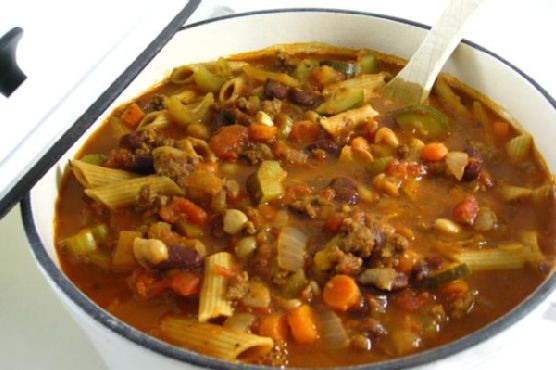
    Tuscan White Bean & Kale Pasta Fagioli with Lemon Zest

    Picture this: a chilly autumn evening, the kind where a crisp breeze carries the scent of fireplace smoke and golden leaves crunch underfoot. Inside, the kitchen is warm and inviting, filled with the rich aroma of simmering herbs and the intoxicating scent of garlic sautéing in olive oil. This is the moment when a bowl of Tuscan White Bean & Kale Pasta Fagioli with Lemon Zest becomes more than just dinner — it’s a comforting embrace from the inside out.

    Personal Story

    My love affair with Pasta Fagioli began in a small trattoria in Florence, where the owner, an affable man with a hearty laugh, dished up bowls of this soul-satisfying dish to locals and tourists alike. It was a chilly evening, and I was seated at a rustic wooden table, warmed by the glow of a flickering candle and the hearty flavors of this classic Italian soup. Each spoonful was a revelation — a symphony of tender beans, al dente pasta, and an aromatic broth that spoke of time-honored traditions.

    Back home, I tried countless times to recreate that culinary magic in my own kitchen. My early attempts were valiant yet lacking that certain je ne sais quoi. A near kitchen disaster, when I accidentally added twice the amount of garlic, led to an unexpected discovery: the depth and warmth that an extra punch of garlic could bring to the dish. It was a happy accident that opened my eyes to the possibilities of tweaking a classic.

    Over time, I began to experiment with my own variations, each pot simmering with the promise of something new. Kale found its way into the mix on a day when I was short on spinach, and it brought a vibrant, nutrient-rich twist that felt like it had always belonged. The final flourish of lemon zest came on a whim, inspired by a sun-drenched lemon grove visit during a Tuscan tour. This bright addition elevated the dish to new heights, creating a balance of hearty and fresh that quickly became my signature version.

    Now, every time I make this dish, I’m reminded of that little trattoria and the joy of discovery that a simple bowl of soup can bring.

    What Makes This Version Special

    This version of Tuscan White Bean & Kale Pasta Fagioli includes nutrient-rich kale and a hint of lemon zest to brighten up the classic flavors, offering a fresh take on a hearty Italian staple. The kale introduces a robust, earthy note that complements the beans and pasta beautifully, while the lemon zest adds a zesty brightness that cuts through the richness of the dish. By incorporating these elements, the soup becomes not only a comforting classic but also a vibrant and healthful meal that feels both indulgent and nourishing.

    Flavor Profile

    Imagine a bowl of this Pasta Fagioli: it’s rich and hearty, with the creamy texture of white beans and the slight chew of whole wheat penne pasta. The kale brings an herbaceous lift, mingling with the aromatic garlic and Italian seasoning blend. As you savor each spoonful, a refreshing citrus note from the lemon zest emerges, dancing on your palate and leaving a fragrant finish. It’s a delightful balance of warmth and brightness, with a touch of spice from the red pepper flakes, rounding out a truly memorable taste experience.

    Ingredients

    • 1 pound lean ground turkey
    • 2 tablespoons olive oil
    • 1 large onion, diced
    • 2 carrots, diced
    • 2 celery stalks, diced
    • 4 garlic cloves, minced
    • 1 can (14.5 ounces) diced tomatoes
    • 1 can (15 ounces) red kidney beans, rinsed and drained
    • 1 can (15 ounces) white kidney beans, rinsed and drained
    • 1 can (15 ounces) great northern beans, rinsed and drained
    • 5 cups beef broth
    • 1 cup pasta sauce
    • 1 zucchini, diced
    • 1 tablespoon Italian seasoning blend
    • Fresh ground pepper, to taste
    • 2 cups whole wheat penne pasta
    • Grated Parmesan cheese, for serving
    • 2 cups fresh kale, chopped
    • Zest of 1 lemon
    • 1/2 teaspoon red pepper flakes
    • Fresh basil leaves, for garnish

    Instructions

    1. In a large soup pot, brown the lean ground turkey over medium-high heat, breaking it up with a wooden spoon, until it’s no longer pink. This should take about 5-7 minutes. Drain the meat in a colander and set aside.
    2. In the same pot, heat the olive oil over medium heat. Add the diced onions, carrots, celery, and minced garlic. Sauté the mixture for about 5 minutes, stirring often, until the vegetables are just beginning to soften and the garlic is fragrant.
    3. Return the turkey to the pot, stirring to combine. Pour in the diced tomatoes, red kidney beans, white kidney beans, great northern beans, beef broth, and pasta sauce. Stir in the diced zucchini, Italian seasoning blend, and fresh ground pepper.
    4. Bring the soup to a boil, then reduce the heat to low. Cover the pot and let it simmer for 50 minutes, allowing the flavors to meld together beautifully.
    5. Meanwhile, in a separate skillet, sauté the chopped kale and minced garlic over medium heat with a touch of olive oil. Cook until the kale is bright green and slightly wilted, about 3-4 minutes. This step ensures the kale retains its vibrant color and adds a delightful texture to the soup.
    6. Add the sautéed kale to the soup, followed by the whole wheat penne pasta. Stir well, cover, and let the soup continue to simmer for another 10 minutes, or until the pasta is tender but still has a nice bite.
    7. Finish the dish by stirring in the lemon zest and a sprinkle of red pepper flakes to taste. Garnish with fresh basil leaves and a generous grating of Parmesan cheese before serving.

    Pro Tips from Meaghan’s Kitchen

    • For an extra depth of flavor, try browning the turkey with a splash of balsamic vinegar. It adds a subtle sweetness that complements the tomatoes beautifully.
    • Keep the kale bright by sautéing it separately. This prevents it from overcooking in the soup, maintaining its vibrant color and texture.
    • Adjust the seasoning at the end. As the soup simmers, flavors can intensify, so taste and tweak the salt and pepper as needed before serving.
    • Don’t skimp on the lemon zest. It’s the secret ingredient that elevates the dish, adding a fresh, zesty aroma that ties all the flavors together.
    • If you like a bit more heat, feel free to increase the red pepper flakes or add a dash of hot sauce for an extra kick.

    Variations & Dietary Swaps

    • Vegetarian Version: Omit the turkey and use vegetable broth instead of beef broth. Add extra beans or a can of chickpeas for added protein.
    • Spice-It-Up Version: For those who love heat, add a chopped jalapeño or a sprinkle of cayenne pepper along with the red pepper flakes.
    • Kids-Friendly Version: Reduce the amount of garlic and red pepper flakes. Use orzo or small pasta shapes to make it more fun and approachable for little ones.

    What to Serve With It

    This Tuscan White Bean & Kale Pasta Fagioli pairs beautifully with a chilled glass of Pinot Grigio, which complements the citrus notes and balances the hearty flavors of the soup. Alternatively, a side of crusty garlic bread is perfect for soaking up every last drop of the delicious broth. For a lighter side, consider a simple mixed green salad with a lemon vinaigrette to enhance the zesty notes in the dish.

    Storage & Meal Prep

    Store leftovers of your Pasta Fagioli in an airtight container in the refrigerator for up to 4 days. For longer storage, freeze the soup in individual portions — it keeps well for up to 3 months. When reheating, gently warm the soup on the stovetop over medium heat, adding a splash of broth or water if needed to reach your desired consistency. Avoid reheating in the microwave if possible, as it may overcook the pasta and kale, diminishing their texture.

    FAQ

    Can I use fresh tomatoes instead of canned?

    Yes, you can use fresh tomatoes if you prefer. Simply blanch and peel them, then chop and use in place of the canned tomatoes. Keep in mind that canned tomatoes have a more concentrated flavor, so you may want to adjust the seasoning.

    Can I make this soup in a slow cooker?

    Absolutely! Brown the turkey and sauté the vegetables as directed, then transfer everything to a slow cooker. Cook on low for 6-7 hours or on high for 3-4 hours, adding the pasta and kale in the last 30 minutes of cooking.

    Is it possible to make this dish gluten-free?

    Yes, simply substitute the whole wheat penne with your favorite gluten-free pasta. Be mindful of cooking times, as gluten-free pasta tends to cook faster and may become mushy if overcooked.

    What other types of beans can I use?

    You can experiment with different beans based on your preference or what you have on hand. Cannellini beans or chickpeas make great substitutes, offering a creamy texture and a hearty bite.

    How can I thicken the soup?

    If you prefer a thicker soup, mash some of the beans before adding them to the pot. This will release their natural starches, creating a creamier consistency.

    Final Thoughts

    Embarking on the culinary adventure of making Tuscan White Bean & Kale Pasta Fagioli with Lemon Zest is a delicious way to bring a taste of Italy into your home. Whether you’re cooking for family, entertaining friends, or simply savoring a quiet meal alone, this dish is sure to impress with its hearty yet fresh flavors. I hope you find joy in every spoonful as I do, and I invite you to share your own twists and experiences in the comments below. Happy cooking, and remember, the kitchen is your canvas!

    Related update: Tuscan White Bean & Kale Pasta Fagioli with Lemon Zest

    Related update: Zesty Chana Masala with Charred Lime and Mint Yogurt Drizzle
  • Honey-Lime Glazed Baked Salmon with Crispy Ginger Garlic Topping | Made by Meaghan Moineau

    Honey-Lime Glazed Baked Salmon with Crispy Ginger Garlic Topping | Made by Meaghan Moineau

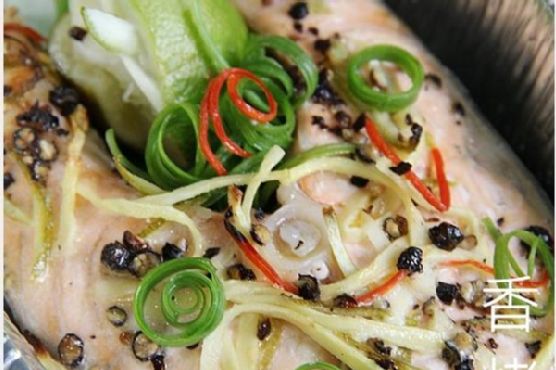
    Honey-Lime Glazed Baked Salmon with Crispy Ginger Garlic Topping

    Imagine a sizzling salmon fillet, its skin crackling as it bakes to perfection. As you lean closer, a fragrant wave of honey and lime envelops your senses, and you can almost taste the sweet, tangy glaze. The crispy ginger garlic topping offers an unexpected crunch that leaves you craving more with every bite.

    Personal Story

    I can still remember the first time I tried salmon. It was during a family vacation to the Pacific Northwest, and the memory is as vivid as the taste was profound. We dined at a cozy little restaurant by the sea, where the air was filled with the salty breeze and the distant calls of seagulls. I was hesitant, but my curiosity got the better of me. The moment that piece of salmon touched my tongue, I was hooked.

    Back home, I was determined to recreate that magic. My first attempt was far from perfect — perhaps a bit too much lime, a touch too little honey. But that was the start of my love affair with cooking salmon, and I’ve been refining my technique ever since. Each salmon dish I create is a tribute to that first taste, a journey to capture and elevate the flavors I experienced by the sea.

    This new honey-lime glazed baked salmon with a crispy ginger garlic topping is my latest triumph. Every time I prepare this dish, I am transported back to that maritime memory, yet it feels distinctively mine — a fusion of my love for classic flavors with a modern twist.

    What Makes This Version Special

    The magic of this honey-lime glazed baked salmon lies in its unique combination of flavors and textures. The addition of a honey and lime glaze not only enhances the salmon’s natural flavors but also introduces a delightful sweet and tangy profile. The real game-changer, however, is the crispy ginger garlic topping. By mixing shredded ginger, minced garlic, and panko breadcrumbs with sesame oil, we create a topping that broils to a golden-brown finish. This topping provides a delightful crunch that contrasts beautifully with the tender, flaky salmon beneath.

    Flavor Profile

    When you take a bite of this honey-lime glazed baked salmon, your taste buds are treated to a symphony of flavors. The sweet and tangy glaze dances on your palate, with a hint of heat from the chili that adds an intriguing edge. The crispy, savory topping is not just an afterthought — it’s an integral part of the dish that enhances the overall experience. It’s like a melody where every note is in perfect harmony.

    Ingredients

    • 1 salmon cutlet, cleaned and scales removed
    • 2 tablespoons cooking wine
    • **Rind of 1 lime**
    • **Juice of 1 lime**
    • 1 tablespoon crushed black peppercorns
    • 1 tablespoon shredded ginger
    • 1 red chili, finely chopped
    • 2 spring onions, chopped
    • 2 tablespoons butter, cubed
    • **3 tablespoons honey**
    • 3 cloves garlic, minced
    • 1/4 cup panko breadcrumbs
    • 2 tablespoons sesame oil
    • Fresh cilantro, chopped, for garnish

    Instructions

    1. Preheat your oven to 200°C (about 390°F).
    2. Clean the salmon cutlet thoroughly, ensuring all scales are removed. Pat it dry with a paper towel and place it on a baking tray lined with foil.
    3. Season the salmon all over with cooking wine, then sprinkle with the lime rind and juice. Top with crushed black peppercorns, shredded ginger, chopped chili, spring onions, and butter cubes.
    4. In a small saucepan over medium heat, combine **honey** and **lime juice**. Allow the mixture to reduce slightly, creating a glaze. Brush this glaze generously over the salmon.
    5. Bake the salmon in the preheated oven for 12 minutes. Alternatively, you can toast it in an oven toaster for 15-18 minutes depending on thickness and desired doneness.
    6. Meanwhile, in a bowl, mix shredded ginger, minced garlic, and panko breadcrumbs with sesame oil.
    7. After the initial baking time, remove the salmon and sprinkle the breadcrumb mixture over it. Return to the oven and broil for the last 2 minutes until the topping is golden-brown.
    8. Garnish with fresh cilantro before serving.

    Pro Tips from Meaghan’s Kitchen

    • For extra flavor, marinate the salmon with lime juice and rind a few hours before cooking.
    • Ensure your oven is preheated to the right temperature to get that perfect crispy topping.
    • For an even crunchier topping, add a tablespoon of finely chopped nuts to the breadcrumb mixture.
    • Use a fish spatula to carefully transfer the salmon to a serving dish without breaking the fillet.
    • Don’t skip the cilantro — it adds a fresh, bright note that balances the dish beautifully.

    Variations & Dietary Swaps

    • Vegetarian Swap: Replace the salmon with firm tofu. The honey-lime and ginger garlic flavors work wonderfully with tofu’s texture.
    • Spice-It-Up Version: Add a teaspoon of sriracha to the glaze for an extra kick.
    • Kids-Friendly Version: Omit the chili and reduce the garlic for a milder taste that children will love.

    What to Serve With It

    This honey-lime glazed baked salmon pairs beautifully with a chilled glass of Sauvignon Blanc, complementing the zesty lime and savory notes. For a side, consider coconut rice, which adds a creamy, tropical undertone that balances the dish’s vibrant flavors. A simple green salad or steamed asparagus would also make a fresh, complementary side.

    Storage & Meal Prep

    Leftovers can be stored in an airtight container in the fridge for up to 2 days. To reheat, gently warm in the oven at 150°C (about 300°F) until heated through. Avoid microwaving, as this can make the topping soggy. If you wish to freeze, do so without the topping and add fresh topping before reheating.

    FAQ

    Can I use frozen salmon?

    Yes, you can use frozen salmon. Just make sure it is fully thawed and pat it dry before seasoning to remove excess moisture.

    What if I don’t have sesame oil?

    No worries! Olive oil can be used as a substitute, though it will slightly alter the flavor profile by adding a more Mediterranean note.

    How do I know when the salmon is fully cooked?

    The salmon is done when it flakes easily with a fork and appears opaque in the center. A cooking thermometer should read 145°F (62.8°C) at the thickest part.

    Can I make the glaze ahead of time?

    Absolutely! You can prepare the honey-lime glaze up to two days in advance. Just store it in the fridge and reheat gently before using.

    Is there a substitute for panko breadcrumbs?

    If panko isn’t available, regular breadcrumbs can be used; however, the topping may not be as crispy. You can also try crushed cornflakes for a gluten-free option.

    Final Thoughts

    Cooking this honey-lime glazed baked salmon is more than just preparing a meal; it’s an experience, a celebration of flavors that come together in perfect harmony. I hope you feel inspired to give this recipe a try and let it transport you to your own culinary bliss. As always, I love hearing from you, so please share your thoughts and variations in the comments below. Happy cooking, and may your kitchen be filled with love and laughter!

    Related update: Honey-Lime Glazed Baked Salmon with Crispy Ginger Garlic Topping

    Related update: Smoky Grilled Paneer Jalfrezi with Charred Peppers

  • Zesty Dandelion & Herb Pesto with Roasted Walnut Oil | Made by Meaghan Moineau

    Zesty Dandelion & Herb Pesto with Roasted Walnut Oil | Made by Meaghan Moineau

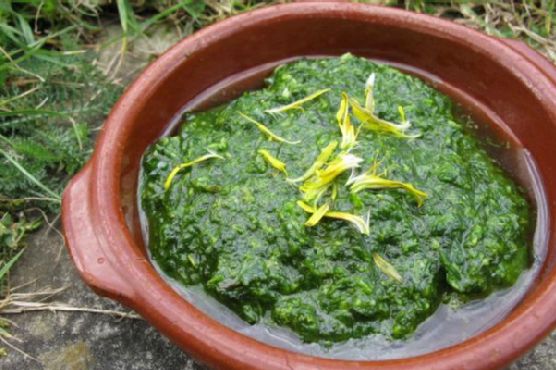
    Zesty Dandelion & Herb Pesto with Roasted Walnut Oil

    Picture this: a sun-dappled kitchen, the scent of fresh herbs wafting through the air, and the rhythmic sound of a pestle gently crushing ingredients to create a vibrant, zesty pesto. This isn’t just any pesto—this is a culinary journey that starts in a garden filled with wild dandelions and ends with the bold flavors of roasted walnut oil and lime zest, transforming an Italian classic into a gourmet delight.

    My love affair with pesto began one summer afternoon while visiting my grandmother in the countryside. Her little kitchen was a treasure trove of aromatic herbs, and her pesto was legendary in our family. The secret, she said with a twinkle in her eye, was in the greens. I watched in awe as she plucked dandelion leaves from her garden, adding a unique, earthy bite to her concoction. It was love at first taste.

    Years later, during a particularly adventurous cooking spree, I decided to reinvent this cherished memory. I wanted to honor her traditional pesto but also infuse it with my own creative twist. That’s when I discovered the magic of roasted walnut oil. Its nutty depth paired perfectly with the citrusy brightness of lime zest, creating a Zesty Dandelion & Herb Pesto that felt like a warm hug from my past, yet excitingly new.

    Of course, there were a few hiccups along the way. Like the time I accidentally used too much lime zest and ended up with a citrus explosion rather than a subtle note. Or the afternoon I forgot to toast the nuts, missing out on their full flavor potential. These little mishaps taught me the importance of balance and the thrill of experimentation in the kitchen.

    What Makes This Version Special

    This isn’t your typical pesto. The twist lies in the nutty depth provided by roasted walnut oil and the refreshing zing of lime zest. These ingredients elevate the traditional pesto to a gourmet level, offering a sophisticated flavor profile that dances on the palate. Unlike the standard basil-heavy pesto, this version incorporates dandelion greens, fresh basil, and spinach, creating a delicate balance of earthy, vibrant, and savory notes.

    Flavor Profile

    Imagine a spoonful of pesto that’s nutty and vibrant, with a surprising citrusy punch. The roasted walnut oil provides a rich, warm foundation, while the lime zest adds an invigorating brightness. The combination of dandelion greens, basil, and spinach creates a tapestry of flavors that’s both earthy and fresh, with savory undertones from garlic and sea salt. It’s a taste experience that is both familiar and intriguingly novel.

    Ingredients

    • 2 cups dandelion greens, thoroughly washed
    • 1 cup fresh basil leaves
    • 1 cup spinach
    • Petals from 5-6 dandelion flowers
    • 3 cloves garlic
    • 1 teaspoon sea salt
    • 1/4 cup pine nuts
    • 1/4 cup macadamia nuts
    • 1/2 cup extra virgin olive oil
    • Juice of one lemon
    • 2 tablespoons nutritional yeast flakes
    • 2 tablespoons roasted walnut oil
    • Zest of one lime
    • 1/4 cup Parmesan cheese (optional)

    Instructions

    1. Start by washing the dandelion greens well in a solution of water and raw cider vinegar, using a couple of tablespoons of vinegar to about a litre of water. This helps remove any bitterness.
    2. Wash and spin dry all the greens: dandelion, basil, and spinach. Ensure they’re completely dry to avoid a watery pesto.
    3. Lightly toast the pine nuts and macadamia nuts in a dry skillet over medium heat for about 3-4 minutes, or until they’re golden-brown and aromatic. Be sure to stir frequently to prevent burning.
    4. In a food processor or with a pestle and mortar, combine the greens, petals, garlic, sea salt, toasted nuts, olive oil, lemon juice, and nutritional yeast flakes. Blend or crush until nearly smooth, leaving a bit of texture for a rustic feel.
    5. Slowly drizzle in the roasted walnut oil while blending to emulsify the mixture, creating a creamy consistency.
    6. Zest a lime directly into the pesto. This releases the natural citrus oils, enhancing the aroma and taste.
    7. If desired, fold in Parmesan cheese for an added layer of umami. Taste and adjust seasoning if necessary.

    Pro Tips from Meaghan’s Kitchen

    • To prevent the pesto from browning, cover it with a thin layer of olive oil before storing.
    • For a smoother texture, pulse the nuts first before adding the rest of the ingredients.
    • Experiment with different nuts like almonds or hazelnuts for varied flavor profiles.
    • Don’t skip the toasting step for the nuts; it enhances their natural flavors significantly.
    • Feel free to adjust the garlic to your taste—I find three cloves perfect, but two might be enough for a milder palate.

    Variations & Dietary Swaps

    • Vegetarian Swap: Use nutritional yeast entirely and omit Parmesan to keep it vegan.
    • Spice-It-Up Version: Add a pinch of red pepper flakes for some heat.
    • Kids-Friendly Version: Substitute spinach for kale for a milder taste and omit lime zest for less tanginess.

    What to Serve With It

    This Zesty Dandelion & Herb Pesto pairs beautifully with a chilled glass of Sauvignon Blanc, enhancing its citrus notes. It’s perfect spread over a warm baguette, tossed with pasta, or as a vibrant topping for grilled chicken or fish. The possibilities are endless, and each bite promises a burst of flavor.

    Storage & Meal Prep

    Store your pesto in an airtight container in the fridge for up to a week. For longer storage, freeze in ice cube trays and transfer to a resealable freezer bag once frozen. When you’re ready to use, thaw in the fridge and give it a good stir. To reheat, gently warm on low heat; avoid overheating to preserve the fresh flavors.

    FAQ

    Can I use other greens instead of dandelion?

    Absolutely! Kale or arugula can be great substitutes if you can’t find dandelion greens. Just be aware that each will alter the flavor profile slightly.

    What if I don’t have roasted walnut oil?

    No worries! You can substitute with regular walnut oil or simply increase the amount of extra virgin olive oil. You’ll miss the roasted depth, but it will still be delicious.

    How do I know the pesto is the right consistency?

    You’re looking for a smooth but slightly textured consistency. If it’s too thick, add a bit more olive oil. If it’s too thin, you can blend in more nuts or greens.

    Is there a way to make this nut-free?

    Yes, you can use sunflower seeds or pumpkin seeds as a nut-free alternative. Just make sure to toast them for added flavor.

    Can I make this pesto without a food processor?

    Definitely! A pestle and mortar work wonderfully for a more rustic texture. It takes a bit more elbow grease but is worth it for the rich, hand-crafted result.

    Final Thoughts

    This Zesty Dandelion & Herb Pesto with Roasted Walnut Oil is more than just a recipe; it’s an invitation to explore flavors and embrace creativity in the kitchen. I hope you enjoy making it as much as I do, and that it becomes a staple in your culinary repertoire. Please share your experiences and any delightful variations you create in the comments below. Let’s keep this delicious conversation going!

  • Garlicky Kale with Toasted Pine Nuts and Sun-Dried Tomatoes | Made by Meaghan Moineau

    Garlicky Kale with Toasted Pine Nuts and Sun-Dried Tomatoes | Made by Meaghan Moineau

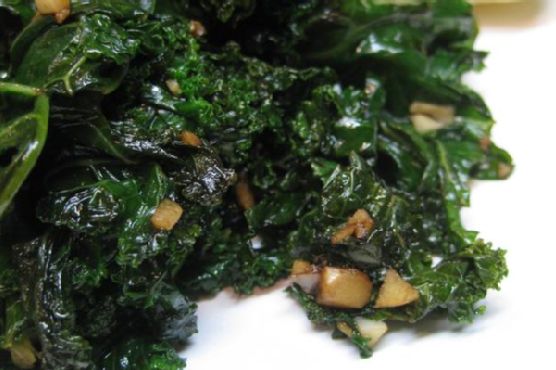
    Garlicky Kale with Toasted Pine Nuts and Sun-Dried Tomatoes

    Imagine this: a kitchen filled with the warm, nutty aroma of toasted pine nuts, the sweetness of sun-dried tomatoes rehydrated to their juicy best, and the unmistakable, heady scent of garlic sizzling in olive oil. This isn’t just any side dish; it’s a Mediterranean masterpiece that tantalizes every sense and elevates your meal to something truly memorable.

    Personal Story

    Let me take you back to a time when my love affair with Mediterranean flavors truly began. It was a sun-dappled afternoon at my grandmother’s house on the French Riviera. I was a young, curious cook, spending summers in her cozy kitchen, where the air was always filled with the fragrance of fresh herbs and the laughter of family. One afternoon, she pulled out a bunch of curly kale from her garden, and with a wink, promised to show me something magical. She tossed it with garlic and olive oil, added a splash of balsamic vinegar, and transformed it into a dish that danced on my taste buds. It was simple yet profoundly delicious.

    Fast forward a few years, and I found myself in my own kitchen, yearning to recreate that beloved dish but with a Meaghan twist. I remembered a dinner party where I had a salad sprinkled with toasted pine nuts and thought, “Why not add them to my grandmother’s kale?” The result was a revelation. The crunch and warmth of the nuts contrasted beautifully with the tender greens.

    Then, one day, as I was rifling through my pantry, my eyes landed on a jar of sun-dried tomatoes. The deep, sweet-tart flavor they offer seemed like the perfect companion to the garlicky kale. I soaked them in hot water to plump them up, sliced them thinly, and tossed them in. The kale was transformed once again, this time into a symphony of textures and flavors that made my heart sing.

    Every time I make this dish, I’m transported back to my grandmother’s kitchen and those sunlit days of culinary discovery. It’s more than just a recipe to me; it’s a reminder of the joy of cooking with love and creativity.

    What Makes This Version Special

    Why settle for ordinary when you can have extraordinary? By adding toasted pine nuts and sun-dried tomatoes, this garlicky kale goes from a humble side dish to a show-stopping centerpiece. Toasting the pine nuts brings out a rich, nutty depth that complements the earthy kale, while the sun-dried tomatoes introduce a sweet-tart contrast that keeps each bite exciting. It’s these small yet significant upgrades that make this version a standout in the world of Mediterranean cuisine.

    Flavor Profile

    Prepare your palate for a delightful journey. This dish is nutty and savory, with a subtle sweetness from the sun-dried tomatoes that lingers pleasantly. The garlic adds a warm, aromatic foundation, while a hint of red pepper flakes provides a gentle heat that warms the back of your throat. Every bite is a harmonious blend of flavors and textures, from the tender kale to the crunchy pine nuts.

    Ingredients

    • 2 tablespoons olive oil
    • 1 large bunch of curly kale, washed and coarsely chopped
    • 3 cloves garlic, minced
    • 1/4 cup balsamic vinegar
    • 1/4 cup pine nuts
    • 1/4 cup sun-dried tomatoes, soaked in hot water and sliced
    • 1/4 cup grated Parmesan cheese
    • 1/2 teaspoon red pepper flakes
    • Salt and pepper, to taste

    Instructions

    1. Start by toasting the pine nuts in a dry pan over medium heat. Stir frequently and watch closely until they turn golden brown, releasing a fragrant aroma. Remove from the pan and set aside.
    2. Soak the sun-dried tomatoes in hot water for about 10 minutes to plump them up. Once softened, drain and slice thinly.
    3. In a large pot, heat the olive oil over medium heat. Add the chopped kale and cover the pot. Cook, stirring occasionally, until the kale has reduced by half its volume, about 5-7 minutes.
    4. Uncover the pot and add the minced garlic and balsamic vinegar. Stir well, cooking for an additional 30 seconds to 1 minute, ensuring the garlic and vinegar are well distributed.
    5. Toss in the toasted pine nuts, sliced sun-dried tomatoes, and red pepper flakes. Stir to combine and heat through.
    6. Remove from heat and sprinkle with grated Parmesan cheese. Season with salt and pepper to taste.
    7. Serve hot, allowing the flavors to meld beautifully.

    Pro Tips from Meaghan’s Kitchen

    • Don’t skip toasting the pine nuts. It intensifies their flavor and adds a delightful crunch to the dish.
    • If your garlic starts to brown too quickly, lower the heat to maintain its sweet, aromatic essence without bitterness.
    • Use a slotted spoon to transfer the sun-dried tomatoes from the soaking water to the pot. This way, you control the moisture added to the dish.
    • For an extra depth of flavor, try using a high-quality aged balsamic vinegar.
    • Leftover kale can be repurposed into a fantastic frittata filling or a topping for a grain bowl.

    Variations & Dietary Swaps

    • Vegetarian Swap: This dish is already vegetarian. To make it vegan, simply omit the Parmesan or substitute with nutritional yeast for a cheesy flavor.
    • Spice-it-up Version: Add extra red pepper flakes or a dash of smoked paprika for a fiery kick.
    • Kid-Friendly Version: Reduce the garlic and omit the red pepper flakes for a milder flavor that kids will enjoy.

    What to Serve With It

    This garlicky kale with toasted pine nuts and sun-dried tomatoes pairs beautifully with a crisp Sauvignon Blanc, enhancing the dish’s brightness. If you prefer non-alcoholic options, a light, refreshing lemon iced tea will balance the flavors perfectly. Serve as a side to grilled chicken or as part of a Mediterranean spread with hummus and pita.

    Storage & Meal Prep

    Store leftover kale in an airtight container in the refrigerator for up to three days. To reheat, gently warm in a skillet over low heat to retain the texture and flavor. While this dish is best enjoyed fresh, you can freeze it for up to a month if needed. Thaw in the fridge overnight and reheat as directed.

    FAQ

    Can I use a different type of kale?

    Absolutely! Lacinato kale (also known as dinosaur kale) works well too. It has a slightly different texture but will absorb the flavors beautifully.

    What if I don’t have pine nuts?

    No worries! You can substitute with slivered almonds or even chopped walnuts for a different nutty profile.

    How do I prevent the kale from becoming too soggy?

    Be sure not to overcook the kale. It should be tender yet still have a slight bite. Also, uncover the pot after the initial wilting to allow excess moisture to evaporate.

    Can I make this dish ahead of time?

    Yes, you can prepare it a day in advance and store it in the fridge. Reheat gently to enjoy the flavors at their best.

    How can I add protein to this dish?

    Consider adding chickpeas or sliced grilled chicken for an extra protein boost. Both options complement the flavors wonderfully.

    Final Thoughts

    There you have it: a garlicky kale dish that’s as vibrant and satisfying as it is simple. I hope you’ll try this recipe and feel the love and creativity that goes into every bite. Please let me know how it turns out for you — I’d love to hear your variations and experiences. And if you’re as enchanted by it as I am, don’t hesitate to share it with your friends and family. Here’s to joyful cooking and delicious memories!

    Related update: Garlicky Kale with Toasted Pine Nuts and Sun-Dried Tomatoes

  • Umami-Packed Truffle Veggie Fried Rice with Crispy Shiitake | Made by Meaghan Moineau

    Umami-Packed Truffle Veggie Fried Rice with Crispy Shiitake | Made by Meaghan Moineau

    Umami-Packed Truffle Veggie Fried Rice with Crispy Shiitake

    Imagine walking into a kitchen filled with the earthy aroma of sautéed garlic and ginger, mingling with the rich scent of truffle oil. The sound of sizzling vegetables in the wok invites you closer, promising a dish that’s both comforting and luxurious. This is not just any fried rice; this is an Umami-Packed Truffle Veggie Fried Rice with Crispy Shiitake — a gourmet twist on a beloved classic.

    Personal Story

    My journey with fried rice started in my grandmother’s bustling kitchen, where the scent of soy sauce and sesame oil was as familiar as a warm hug. I remember sitting on the counter, peering over the edge of her well-worn wok, entranced by the rhythm of her spatula as she expertly tossed the rice and vegetables. Despite my fascination, I was too young to understand the magic of her seasoned hands, but I could certainly taste it.

    Years later, as I began exploring my culinary path, I found myself yearning to recreate those flavors. However, a kitchen mishap became a turning point: I accidentally added a drizzle of truffle oil to my rice while reaching for the soy sauce. What I expected to be a disaster turned out to be a revelation. The truffle oil added an unexpected depth, transforming the dish from simple to sensational. It was as if I had discovered a secret ingredient that could elevate a classic to new heights.

    Since that day, Umami-Packed Truffle Veggie Fried Rice with Crispy Shiitake has become a staple in my kitchen, a dish that marries the comforting nostalgia of my grandmother’s recipe with the sophisticated allure of gourmet dining. It’s a dish that tells a story — of tradition and innovation, of happy accidents and culinary inspiration.

    On a recent evening, as I stood in my kitchen, I couldn’t help but smile. The aroma of the sizzling shiitake mushrooms brought me back to those childhood days, but the luxurious twist of truffle reminded me of how far I’ve come. Each bite is a celebration of flavors that I can’t wait for you to experience.

    What Makes This Version Special

    What sets this version of fried rice apart is its luxurious infusion of truffle oil and the delightful crunch of crispy shiitake mushrooms. Traditional fried rice is undeniably comforting, but adding a touch of truffle oil transforms it into a sophisticated dish that’s perfect for any occasion. The crispy shiitake mushrooms provide a textural contrast that elevates the dish, making every bite an experience.

    Most fried rice recipes skip the step of separately sautéing the mushrooms, but this simple technique makes all the difference. By cooking the mushrooms until they’re golden and crisp, you add a layer of flavor that’s both earthy and umami-rich. This dish is not just a meal; it’s a journey of flavors and textures that will make you rethink everything you thought you knew about fried rice.

    Flavor Profile

    Prepare to be swept away by the earthy, aromatic notes of ginger and garlic, which form the foundation of this dish. The truffle oil adds a luxurious umami depth that’s both velvety and intoxicating, while the citrusy hint of lime juice cuts through the richness, leaving a refreshing finish on your palate. The crispy shiitake mushrooms bring an additional dimension with their nutty, savory crunch, creating a symphony of flavors that dance in your mouth.

    Ingredients

    • 3 teaspoons sesame oil, divided
    • 1 tablespoon minced ginger
    • 2 teaspoons minced garlic, divided
    • **1 cup shiitake mushrooms, sliced**
    • 1 cup baby corns, sliced
    • 1/2 cup green onions (white part), chopped
    • 1 carrot, julienned
    • 1 bell pepper, sliced
    • 2 tablespoons low sodium soy sauce
    • Salt and black pepper, to taste
    • **1 tablespoon truffle oil**
    • 1/2 cup edamame, shelled
    • Fresh cilantro, for garnish
    • **Juice of 1 lime**
    • 2 cups cooked cold rice
    • Sesame seeds, for garnish

    Instructions

    1. Heat a wok or large skillet over medium-high heat and add 1 teaspoon of sesame oil. Once shimmering, add the minced ginger and 1 teaspoon of minced garlic. Sauté for about 1 minute until fragrant but not burnt.
    2. Add the sliced shiitake mushrooms to the wok. Cook them until they are golden-brown and crispy, about 5-6 minutes. Keep an eye on them to prevent burning. Once done, transfer them to a bowl along with any juices.
    3. Heat the wok again and add another teaspoon of sesame oil. Add the remaining garlic and sauté until fragrant, about 30 seconds.
    4. Introduce all the vegetables (baby corns, green onions, carrot, bell pepper) to the wok. Stir them together over high heat, adding a pinch of salt, black pepper, and a splash of soy sauce. Toss to coat and let them cook for a few more minutes until they’re tender but still have a slight crunch.
    5. Add the cold, cooked rice to the wok. Gently stir everything together to combine, taking care not to break the rice grains. Allow the rice to warm through, maintaining a medium-high heat.
    6. Drizzle the remaining teaspoon of sesame oil over the rice, along with the rest of the soy sauce, and season with salt and pepper to taste. Return the crispy mushrooms to the pan. Mix gently, ensuring everything is well combined.
    7. Finish the dish with a drizzle of truffle oil and a squeeze of lime juice. Toss and taste, adjusting seasoning if necessary.
    8. Serve the fried rice garnished with the green parts of the green onions, a sprinkle of sesame seeds, and fresh cilantro.

    Pro Tips from Meaghan’s Kitchen

    • Use cold, day-old rice for the best texture in your fried rice. Freshly cooked rice can become mushy when stir-fried.
    • For the crispiest shiitake mushrooms, make sure not to overcrowd the pan. Cook them in batches if necessary to ensure even browning.
    • Adjust the amount of truffle oil to your taste. A little goes a long way, so start with a small amount and add more if desired.
    • To enhance the umami flavor, try adding a splash of fish sauce or miso paste to the rice during cooking.
    • If you’re short on time, pre-chop all your vegetables and have them ready to go before you start cooking. This will make the stir-frying process much smoother.

    Variations & Dietary Swaps

    • Vegetarian Swap: Use tofu instead of mushrooms for a protein-packed vegetarian option. Cook the tofu cubes until golden before adding them to the rice.
    • Spice-It-Up Version: Add a diced chili pepper or a dash of sriracha sauce for a spicy kick that complements the savory flavors.
    • Kids-Friendly Version: Omit the truffle oil and add a handful of sweet peas or corn kernels for a milder, kid-approved version of this dish.

    What to Serve With It

    This Umami-Packed Truffle Veggie Fried Rice with Crispy Shiitake pairs beautifully with a chilled glass of sake or a light, crisp white wine. For a complete meal, serve it alongside a simple cucumber salad or a bowl of miso soup to enhance the Asian fusion experience. The refreshing notes of these sides will balance the rich flavors of the fried rice perfectly.

    Storage & Meal Prep

    If you have leftovers, store the fried rice in an airtight container in the refrigerator for up to 3 days. To reheat, add a splash of water or soy sauce to a pan and warm the rice over medium heat, stirring occasionally to ensure even heating. For longer storage, freeze the fried rice in portions for up to 2 months. Thaw in the fridge overnight before reheating.

    FAQ

    Can I use other types of mushrooms?

    Absolutely! While shiitake mushrooms add a unique flavor and texture, you can substitute them with button mushrooms or portobello for a different taste.

    Do I have to use truffle oil?

    Truffle oil is optional, but it adds a luxurious depth to the dish. If you prefer a simpler flavor, you can omit it or substitute with a flavored olive oil.

    Why is my rice mushy?

    Mushy rice usually results from using freshly cooked rice. Be sure to use cold, day-old rice for the best texture in your fried rice.

    Can I add protein to this dish?

    Yes, you can easily add protein such as shrimp, chicken, or tofu. Cook the protein separately and add it to the rice during the final mixing stage.

    How can I make this dish gluten-free?

    To make this dish gluten-free, use tamari or a gluten-free soy sauce instead of regular soy sauce. Ensure all other ingredients are gluten-free as well.

    Final Thoughts

    Cooking is about embracing creativity and making each dish your own. This Umami-Packed Truffle Veggie Fried Rice with Crispy Shiitake is not just a recipe, but an invitation to explore flavors and techniques that elevate a classic into something extraordinary. I hope you enjoy making and sharing this dish as much as I do. I’d love to hear your thoughts and see your creations — feel free to leave a comment below or tag me in your culinary adventures. Happy cooking!

    Related update: Umami-Packed Truffle Veggie Fried Rice with Crispy Shiitake

    Related update: Mediterranean Stuffed Eggplants with Spiced Sausage and Herb-Crust

  • Spicy Sardine Croquettes with Zesty Lime-Cilantro Aioli | Made by Meaghan Moineau

    Spicy Sardine Croquettes with Zesty Lime-Cilantro Aioli | Made by Meaghan Moineau

    Spicy Sardine Croquettes with Zesty Lime-Cilantro Aioli

    Picture this: the sizzle of croquettes hitting hot oil, a scent of garlic wafting through the kitchen, and a hint of lime cutting through the air with its zesty promise. This isn’t just any croquette; it’s a symphony of flavors, a Spanish classic reimagined with a refreshing and flavorful twist. Welcome to the world of Spicy Sardine Croquettes with Zesty Lime-Cilantro Aioli!

    Personal Story

    I still remember the first time I encountered croquettes. It was a sunny afternoon in Barcelona, sitting in a vibrant tapas bar tucked away in a cobblestone alley. The locals’ laughter harmonized with the clinking of glasses, and I had my first bite of a perfectly crisp, savory croquette. It was love at first taste.

    Returning home, I was determined to recreate that magical experience in my own kitchen. However, my initial attempts were, let’s say, less than successful. There was the time I confused baking powder with baking soda — the result was more of a pancake than a croquette. Or the afternoon when I learned the hard way that patience is a virtue as I hastily turned the croquettes too soon, leaving them pale and unsatisfying.

    But, as with any good recipe, persistence led to perfection. After many trials (and errors), I discovered that the secret to a truly remarkable croquette was in the details — the ingredients, the techniques, and the flavors that elevate it from ordinary to extraordinary.

    Today, I’m thrilled to share this special Spicy Sardine Croquettes recipe with you. It’s a testament to those sunlit afternoons in Spain and my kitchen escapades, with a delightful twist: a tangy lime-cilantro aioli and a hint of smoked paprika that make these croquettes stand out. Let’s dive into what makes this version something truly special.

    What Makes This Version Special

    What sets these Spicy Sardine Croquettes apart from the traditional recipe is the harmonious blend of classic and innovative elements. The addition of a tangy lime-cilantro aioli offers a refreshing contrast to the rich, savory croquettes, making every bite a delightful explosion of flavor. The aioli not only adds brightness but also enhances the overall taste experience with its herbaceous, zesty notes.

    Moreover, the hint of smoked paprika in the breadcrumbs provides these croquettes with a subtle yet distinctive smoky taste that elevates the dish. This spice, along with the briny depth of the sardines and the creaminess of parmesan cheese, creates a nuanced flavor profile that’s both comforting and bold. This version is more than just a snack; it’s a gourmet experience that’s better than the standard recipe because it plays with textures and flavors in a way that’s both familiar and exciting.

    Flavor Profile

    The Spicy Sardine Croquettes with Zesty Lime-Cilantro Aioli present a multi-layered taste adventure that’s hard to resist. Imagine biting into a perfectly crisp exterior, revealing a savory, moist interior bursting with the umami of sardines and the richness of parmesan cheese. The smoked paprika introduces a gentle, smoky undertone that lingers just long enough to intrigue your palate.

    Then comes the aioli — a vibrant, citrusy kick that brightens the dish. The lime juice and zest cut through the richness, while the cilantro adds a refreshing, aromatic note. Finally, the jalapeño pepper brings a gentle heat, ensuring that these croquettes are not just flavorful but also spirited. Together, these elements create a dish that is deeply satisfying and unexpectedly complex.

    Ingredients

    • 1 can sardines, drained
    • 2 cups frozen cassava, thawed
    • 1/2 cup parmesan cheese, grated
    • 2 egg yolks
    • 2 egg whites
    • 1 teaspoon baking powder
    • 1 cup plain bread crumbs
    • 1 tablespoon smoked paprika
    • 1/4 cup fresh cilantro, chopped
    • 1 clove garlic, minced
    • 1/2 teaspoon salt
    • 1/2 teaspoon black pepper
    • 1 lime, zested and juiced
    • 1 cup mayonnaise
    • 1 jalapeño pepper, minced
    • Oil for frying

    Instructions

    1. In a pot, bring salted water to a boil and cook the frozen cassava (yuca) until fork-tender, about 20 minutes. Drain and mash until smooth.
    2. In a large mixing bowl, combine the mashed cassava, drained sardines, parmesan cheese, egg yolks, baking powder, salt, pepper, and cilantro. Mix well until the ingredients are fully incorporated.
    3. Preheat the oil in a frying pan over medium heat. Add the minced garlic to the oil and let it infuse for about 2 minutes, then remove the garlic to prevent burning.
    4. With wet hands, shape the sardine mixture into small balls. Dip each ball into the egg whites, then roll in the smoked paprika-infused bread crumbs, ensuring each croquette is evenly coated.
    5. Carefully place the croquettes in the hot oil. Fry until golden-brown on all sides, about 4-5 minutes per batch. Remove and let them rest on a double-lined paper towel to absorb excess oil.
    6. For the aioli, in a small bowl, mix the mayonnaise, lime zest, lime juice, and minced jalapeño pepper. Stir until smooth and well combined.
    7. Serve the croquettes hot alongside the zesty lime-cilantro aioli for dipping.

    Pro Tips from Meaghan’s Kitchen

    • When mashing the cassava, ensure it’s smooth to avoid any lumps in your croquettes.
    • Infusing the oil with garlic before frying adds an aromatic depth to the croquettes. Just remember to remove the garlic to prevent it from burning.
    • Use a thermometer to maintain the oil temperature around 350°F for even frying without the croquettes absorbing too much oil.
    • For an extra crispy texture, double dip the croquettes in egg whites and bread crumbs.
    • Let the croquette mixture chill in the refrigerator for 30 minutes before shaping to make it easier to handle.

    Variations & Dietary Swaps

    • Vegetarian Swap: Replace sardines with mashed chickpeas or cooked lentils for a vegetarian option that retains the protein punch.
    • Spice-It-Up Version: Add a dash of cayenne pepper to the sardine mixture for those who love a fiery kick.
    • Kids-Friendly Version: Omit the jalapeño in the aioli and reduce the smoked paprika for a milder flavor that kids will enjoy.

    What to Serve With It

    These croquettes are wonderfully versatile and pair beautifully with a crisp, cold glass of Sauvignon Blanc, which complements the smoky and tangy flavors. Alternatively, a side of fresh mango salsa can add a sweet and fruity contrast that enhances the overall dish. For a full meal, consider serving with a simple green salad dressed with olive oil and vinegar to keep things light and refreshing.

    Storage & Meal Prep

    To store, place any leftover croquettes in an airtight container in the fridge for up to 3 days. For longer storage, freeze the uncooked, breaded croquettes in a single layer on a baking sheet. Once frozen, transfer them to a freezer-safe bag or container, where they’ll keep for up to 3 months. To reheat, bake the frozen croquettes in a preheated 375°F oven for 15-20 minutes, or until heated through and crispy.

    FAQ

    Can I use fresh cassava instead of frozen?

    Yes, fresh cassava can be used. Just peel and cut it into chunks before boiling. It might take a bit longer to cook, so check for tenderness with a fork before mashing.

    Is there an alternative to frying these croquettes?

    Absolutely! You can bake the croquettes on a baking sheet lined with parchment paper at 400°F for about 20-25 minutes or until golden and crispy.

    How can I make the aioli less spicy?

    To reduce the heat, simply omit the jalapeño pepper or use only half. You can also replace it with a milder pepper if you prefer.

    What if I don’t have smoked paprika?

    Regular paprika will work, though it won’t have the smoky flavor. You can add a drop of liquid smoke to the mixture for a similar effect.

    Can these croquettes be made gluten-free?

    Yes, just substitute the bread crumbs with gluten-free bread crumbs or crushed gluten-free crackers.

    Final Thoughts

    These Spicy Sardine Croquettes with Zesty Lime-Cilantro Aioli are a testament to the fact that classics can be reimagined in deliciously creative ways. Whether you’re hosting a tapas night or simply craving something extraordinary, these croquettes deliver on flavor and flair. I’m excited for you to try them and make them your own. Don’t forget to share your experiences and any unique twists you come up with in the comments below. Happy cooking!

    Related update: Zesty Crab Salad Avocado Boats with Mango Salsa

  • Guinness Braised Corned Beef with Whiskey-Maple Glaze and Roasted Root Vegetables | Made by Meaghan Moineau

    Guinness Braised Corned Beef with Whiskey-Maple Glaze and Roasted Root Vegetables | Made by Meaghan Moineau

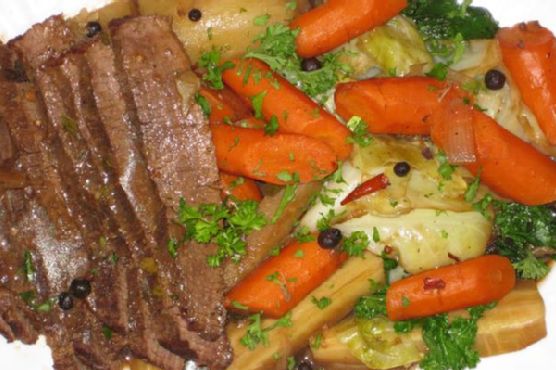
    Guinness Braised Corned Beef with Whiskey-Maple Glaze and Roasted Root Vegetables

    Picture this: a chilly evening, the kitchen warm and inviting, with the tantalizing aroma of rich beef mingling with smoky whiskey and sweet maple syrup. As you lift the lid of your oven-safe pot, the steam releases, carrying with it the earthy scent of roasted garlic and thyme, mingling with the rich, malty essence of Guinness. Welcome to a dinner experience that combines tradition and innovation in every mouthful.

    Personal Story

    Growing up in an Irish-American household, corned beef was more than just a St. Patrick’s Day treat; it was a family tradition woven into the fabric of our kitchen. My earliest memories involve watching my grandmother, her hands deftly working to season and sear the brisket, while I sat perched on a stool, taking in the magic happening before me. Her version was classic, simple—just corned beef, potatoes, and cabbage. It was comforting, but I always had a hankering for something that danced a little more on the palate.

    Fast forward a few years to when I had my own kitchen to play in. I was determined to honor my family’s tradition while adding my own twist. After several experiments (some more successful than others), I discovered my secret weapons: a whiskey-maple glaze and roasted garlic. It was a revelation! The glaze added a sweet, smoky finish that balanced the savory, salty corned beef perfectly. And the roasted garlic? It brought a depth of flavor that was nothing short of transformative.

    One memorable evening, I invited my family over, nervous yet excited to unveil my creation. As they took their first bites, I watched their expressions shift from skepticism to delight. My grandmother, with a twinkle in her eye, declared it “a keeper.” From that moment on, Guinness Braised Corned Beef with Whiskey-Maple Glaze became a new family favorite, gracing our table not just on holidays, but whenever we craved something special.

    What Makes This Version Special

    This version of corned beef takes the classic and elevates it with a whiskey-maple glaze that adds a sweet and smoky finish, complemented by the aroma of roasted garlic and thyme. Unlike the standard recipe, which can sometimes feel heavy or one-dimensional, this dish balances the rich, salty notes of the corned beef with the sweetness of maple syrup and the complexity of whiskey. The addition of roasted root vegetables not only adds color and texture but also a comforting, earthy flavor profile that rounds out the dish beautifully.

    Flavor Profile

    When you take your first bite of this Guinness Braised Corned Beef, expect a symphony of flavors to unfold. The meat is rich, tender, and infused with the malty essence of Guinness, creating a warmth that is both comforting and indulgent. The whiskey-maple glaze introduces a smoky sweetness that dances on your tongue, while the roasted garlic and thyme provide a subtle earthiness, grounding the dish. The roasted root vegetables add a sweet, caramelized depth, each bite a perfect harmony of flavors and textures.

    Ingredients

    • Corned beef brisket
    • 2 tablespoons maple syrup
    • 1/4 cup whiskey
    • Carrots
    • Parsnips
    • Potatoes
    • 1 head of roasted garlic
    • 1 tablespoon fresh thyme
    • Guinness
    • Beef broth
    • Pickling spice
    • Brown sugar
    • Bay leaf
    • Spicy honey mustard

    Instructions

    1. Preheat your oven to 325°F (163°C). Begin by seasoning both sides of the corned beef liberally with pepper. The corning process makes the beef salty enough, so additional salt is unnecessary.
    2. Heat 1 tablespoon of oil in a large, shallow, oven-safe pot over medium-high heat. Add the beef and sear each side for about 3 minutes, just to develop a nice brown crust. This seals in the beef’s juices, ensuring a moist and flavorful result.
    3. Remove the beef from the pot and set it aside on a plate. Pour the Guinness into the pot to deglaze it, scraping up any browned bits from the bottom. This step infuses the sauce with a rich, malty base.
    4. Add beef broth, pickling spice, brown sugar, bay leaf, and minced garlic to the pot. Bring the mixture to a simmer, then return the beef to the pot along with any juices that have accumulated on the plate.
    5. Cover the pot and place it on the bottom rack of your oven. Bake for 2 1/2 to 3 hours, or until a fork can easily be inserted into the meat. Baste the meat with the surrounding juices every 30 minutes to keep it moist.
    6. After 2 hours, add the carrots, parsnips, and potatoes to the pot. They will only need about 25-30 minutes of simmering to cook through and absorb the flavors.
    7. While the vegetables cook, prepare your whiskey-maple glaze. In a small saucepan, combine whiskey and maple syrup. Simmer until reduced by half, creating a thick, glossy glaze.
    8. Remove the pot from the oven. Transfer the beef to a cutting board and let it rest for 15 minutes before carving into thin slices against the grain.
    9. Remove the vegetables and arrange them on a serving platter, covering them with foil to keep warm. Place the pot on the burner and bring the sauce to a boil. Add cabbage if desired and cook for about 7 minutes until softened.
    10. Strain the sauce in the pot and stir in 2-3 tablespoons of spicy honey mustard until dissolved. Serve in a small dish or gravy boat alongside the beef.
    11. After slicing the beef and arranging it on the serving platter, brush it with the whiskey-maple glaze and ladle the Guinness mustard sauce over the top to rehydrate and enhance the beef and vegetables.

    Pro Tips from Meaghan’s Kitchen

    • Roast that garlic: For deeper flavor, roast a whole head of garlic until caramelized, then squeeze the cloves into the sauce or mix them with the glaze.
    • Choose your whiskey wisely: A smooth Irish whiskey works best for the glaze, adding complexity without overwhelming the other flavors.
    • Timing is everything: Be patient and let the beef rest after cooking. This allows the juices to redistribute, ensuring each slice is tender and flavorful.
    • Keep it moist: Baste the beef every 30 minutes while it cooks. This not only adds flavor but keeps the meat juicy.
    • Glaze last: Apply the whiskey-maple glaze just before serving to maintain its glossy finish and aromatic punch.

    Variations & Dietary Swaps

    • Vegetarian Swap: Replace the beef with a hearty mix of mushrooms and lentils, and use vegetable broth instead of beef broth for a rich, umami-packed dish.
    • Spice-It-Up Version: Add a pinch of cayenne pepper to the glaze and sauce for a little heat that complements the sweetness and smoke.
    • Kids-Friendly Version: Skip the whiskey in the glaze. Instead, use a tablespoon of apple juice coupled with the maple syrup for a sweet, kid-approved finish.

    What to Serve With It

    This Guinness Braised Corned Beef pairs beautifully with a smooth Irish whiskey, enhancing the dish’s subtle smokiness. For sides, consider buttery mashed potatoes, which complement the rich flavors, or a light, tangy coleslaw to add a refreshing contrast. A crisp, cold pint of Guinness on the side wouldn’t go amiss either, bringing the meal full circle.

    Storage & Meal Prep

    Store any leftover corned beef and vegetables in airtight containers in the refrigerator for up to 3 days. To reheat, place the beef and vegetables in a covered dish with a splash of beef broth and warm in the oven at 325°F (163°C) until heated through. For longer storage, freeze sliced beef and vegetables in a sealed container for up to 3 months. Thaw overnight in the refrigerator before reheating.

    FAQ

    Can I use a different type of beer?

    Absolutely! While Guinness adds a rich, malty flavor perfect for this dish, you can experiment with other stouts or dark ales to suit your taste.

    How do I know when the beef is done?

    The beef is done when a fork can easily be inserted and twisted in the meat. It should be tender and slice easily against the grain.

    What if I don’t have an oven-safe pot?

    If you don’t have an oven-safe pot, you can sear the beef and prepare the sauce on the stovetop, then transfer everything to a roasting pan and cover tightly with foil before placing it in the oven.

    Can I make this dish ahead of time?

    Yes, this dish can be made a day in advance. Simply reheat gently in the oven before serving and finish with the glaze just before serving.

    What can I do with leftovers?

    Leftover corned beef makes an excellent addition to sandwiches, hash, or corned beef and cabbage rolls. The flavors deepen as they sit, making the leftovers just as delicious!

    Final Thoughts

    There you have it, my friends — a Guinness Braised Corned Beef with Whiskey-Maple Glaze that not only pays homage to tradition but also brings a deliciously modern twist to your table. This dish is perfect for impressing guests at a dinner party or simply savoring with family on a cozy night in. I hope you enjoy making it as much as I do, and I’d love to hear how it turns out for you. Feel free to drop a comment below or share your creations on social media. Happy cooking!

    Related update: Guinness Braised Corned Beef with Whiskey-Maple Glaze and Roasted Root Vegetables

    Related update: Tropical Coconut-Lime Chicken Tenders with Spicy Mango Salsa

  • Velvety Potato and Roasted Red Pepper Soup with Olive Tapenade Swirl | Made by Meaghan Moineau

    Velvety Potato and Roasted Red Pepper Soup with Olive Tapenade Swirl | Made by Meaghan Moineau

    Velvety Potato and Roasted Red Pepper Soup with Olive Tapenade Swirl

    Imagine this: a cozy evening, the aroma of roasted red peppers and garlic wafting through your kitchen, and a rich, velvety soup swirling with a homemade olive tapenade that’s as vibrant in taste as it is in its Mediterranean hues. This isn’t just any soup; it’s an experience that wraps you in warmth and flavor, from the first aromatic notes to the final satisfying spoonful.

    Years ago, during a summer trip to the Mediterranean coast, I found myself wandering through a bustling local market. The air was heavy with the scent of sun-ripened produce and the briny tang of the sea. It was there I first encountered the magic of roasted red peppers paired with olives — a revelation of simple yet intense flavors that danced on my palate. That memory stayed with me, and every time I recreate this dish, I’m transported back to that vibrant market, the heat of the sun on my face and the joyful chatter of vendors.

    Back in my kitchen, I set out to capture that essence. My first attempt was a disaster—a chaotic kitchen covered in pepper skins and olive pits, my blender groaning under the weight of too many ingredients. Despite the mess, there was a moment of clarity amidst the chaos: the realization that the beauty of Mediterranean cuisine lies in its simplicity. With a few key ingredients and a little finesse, I could transform a humble potato soup into something extraordinary.

    Over time, this velvety potato and roasted red pepper soup became a staple in my culinary repertoire, evolving with each iteration. It’s now a comforting classic with my own twist, a dish that never fails to impress family and friends alike. Whether it’s a quiet dinner or a festive gathering, this soup is a reminder of the simple pleasures and bold flavors that define Mediterranean cooking.

    What Makes This Version Special

    What sets my version of potato and roasted red pepper soup apart is the luxurious swirl of homemade olive tapenade. This tapenade, made from briny black olives, capers, and a hint of lemon zest, adds depth and a touch of Mediterranean flair. It transforms a comforting classic into a feast for the senses. The tapenade is not just a garnish; it’s an integral part of the dish, providing a tangy, rich contrast that elevates the creamy potato base to new culinary heights.

    By integrating this tapenade, the soup gains a complexity that standard recipes lack. It’s a symphony of flavors — each spoonful offering a burst of umami followed by the refreshing citrus notes from the lemon zest. This version isn’t just better; it’s a celebration of flavors that honors the ingredients and the vibrant culture from which they come.

    Flavor Profile

    The flavor profile of this velvety potato and roasted red pepper soup is nothing short of a Mediterranean masterpiece. Imagine the rich, creamy texture of potatoes, subtly sweet and earthy, melding seamlessly with the smoky, slightly charred essence of roasted red peppers. The base is comforting and familiar, like a warm hug on a chilly day.

    But then, there’s the tapenade—oh, the tapenade! It brings a punch of savory umami from the black olives and a refreshing citrus zing from the lemon zest. As you savor each spoonful, the capers add a delightful brininess, lifting the soup from the ordinary to the extraordinary. The interplay of these flavors is a symphony that sings of sun-drenched coasts and leisurely lunches under olive trees.

    Ingredients

    • 4 large potatoes, peeled and chopped
    • 2 tablespoons olive oil
    • 3 cloves garlic, minced
    • **2 cups roasted red peppers**, chopped
    • **1/2 cup black olives**
    • 1 teaspoon dried oregano
    • Salt and pepper to taste
    • **1 tablespoon capers**
    • **Zest of 1 lemon**
    • 4 cups vegetable broth
    • Fresh parsley, chopped, for garnish

    Instructions

    1. In a large saucepan, heat the olive oil over medium heat. Add the minced garlic and sauté until golden-brown, about 2-3 minutes, being careful not to burn it. The aroma should be warm and inviting.
    2. Add the chopped potatoes and sprinkle with oregano and a pinch of salt. Stir to coat the potatoes in the garlicky oil. Pour in enough water to just cover the potatoes (about 300-400 ml) and bring to a boil. Reduce heat and simmer for 30 minutes, or until the potatoes are tender and easily pierced with a fork. To speed up cooking, you can alternatively microwave the potatoes with a splash of water on high for 15 minutes.
    3. While the potatoes are cooking, prepare the tapenade. In a food processor, combine the black olives, capers, lemon zest, and a dash of olive oil. Pulse until you have a coarse paste. Taste and adjust seasoning as necessary.
    4. Once the potatoes are cooked, add the roasted red peppers to the pot. Using an immersion blender, puree the mixture until smooth and creamy. If the soup is too thick, gradually add vegetable broth until the desired consistency is reached. Season with salt and pepper to taste.
    5. To serve, ladle the hot soup into bowls and swirl a generous spoonful of the olive tapenade on top. Garnish with fresh parsley for a pop of color.

    Pro Tips from Meaghan’s Kitchen

    • Roast Your Own Peppers: If you have the time, roasting your own peppers will add an extra layer of smoky depth. Simply char them over an open flame or in the oven until the skins are blackened, then peel and use.
    • Balance is Key: Taste as you go, especially when adding capers and olives. Their brininess can quickly overpower, so adjust to your preference.
    • Immersion Blender Magic: An immersion blender is your best friend for creating a smooth, silky soup without the mess of transferring hot liquids to a traditional blender.
    • Rest the Soup: If you have time, let the soup sit for an hour after cooking. Flavors meld beautifully, and it’s even better the next day.
    • Customize the Tapenade: Feel free to add a pinch of red pepper flakes for a bit of heat or swap in green olives for a milder, fruitier profile.

    Variations & Dietary Swaps

    • Vegetarian Delight: This soup is naturally vegetarian, but for a vegan version, ensure your vegetable broth is vegan-friendly.
    • Spice It Up: Add a pinch of cayenne pepper to the potato and red pepper mixture for a kick of heat that pairs beautifully with the creamy base.
    • Kid-Friendly Version: For kiddos, consider blending the tapenade directly into the soup for a milder, more integrated flavor profile that’s still packed with nutrients.

    What to Serve With It

    This velvety potato and roasted red pepper soup pairs beautifully with a chilled glass of Sauvignon Blanc, its crisp notes complementing the creamy, umami-rich soup perfectly. For something more substantial, serve it alongside a slice of crusty artisan bread, perfect for soaking up every last drop of this delightful dish. A simple green salad dressed with a lemon vinaigrette would also be a refreshing accompaniment.

    Storage & Meal Prep

    This soup is a meal prep dream. Store any leftovers in an airtight container in the refrigerator for up to four days. For longer storage, freeze the soup in individual portions for up to three months. When reheating, do so gently on the stovetop, stirring occasionally until warmed through. If the soup thickens upon reheating, add a splash of vegetable broth to restore its silky consistency.

    FAQ

    Can I use a different type of potato?

    Absolutely! While I prefer using starchy potatoes like Russets for their creamy texture, you can opt for Yukon Golds for a slightly buttery flavor.

    Is it necessary to peel the potatoes?

    For the smoothest texture, peeling is recommended. However, if you prefer a more rustic soup and enjoy the texture of potato skins, feel free to leave them on.

    Can I make the tapenade ahead of time?

    Yes, the tapenade can be made up to three days in advance. Store it in the fridge in a sealed container, and bring it to room temperature before using.

    What if I don’t have an immersion blender?

    No worries! You can use a regular blender. Just blend the soup in batches, being careful with the hot liquid. Return the soup to the pot after blending to reheat.

    Can I substitute the black olives?

    Definitely! Green olives or even Kalamata olives would provide a different but equally delicious flavor profile. Just be mindful of the saltiness and adjust the seasoning accordingly.

    Final Thoughts

    Thank you for joining me on this culinary journey to the Mediterranean with my velvety potato and roasted red pepper soup with olive tapenade swirl. I hope this recipe brings as much joy to your table as it does to mine. Please feel free to leave a comment or share your experience. I’d love to hear how you made this dish your own. Happy cooking, and remember, every stir, every taste, and every aroma is a step towards creating something truly special in your kitchen.

    Related update: Velvety Potato and Roasted Red Pepper Soup with Olive Tapenade Swirl

    Related update: Roasted Squash and Cauliflower Soup with Curried Coconut Twist

  • Smoky Chipotle Filet Mignon Tacos with Avocado Lime Crema | Made by Meaghan Moineau

    Smoky Chipotle Filet Mignon Tacos with Avocado Lime Crema | Made by Meaghan Moineau

    Smoky Chipotle Filet Mignon Tacos with Avocado Lime Crema

    If there ever was a dish that could transport you straight to the bustling beaches of Tulum with just one bite, it’s these Smoky Chipotle Filet Mignon Tacos with Avocado Lime Crema. Picture this: tender slices of smoky, marinated filet mignon nestled in a warm corn tortilla, topped with a zesty avocado lime crema that dances across your taste buds with every bite. It’s a taco experience that promises to be both unforgettable and irresistibly delicious.

    Personal Story

    Growing up, tacos were a staple at our family dinners. My mom had a knack for transforming the simplest ingredients into something magical, and taco night was always a highlight of my week. As a kid, I remember eagerly waiting in the kitchen, watching her deftly flip tortillas and season meats with a flair that seemed almost mystical. Her tacos were always bursting with flavor, but they were never the same twice. She’d improvise with whatever we had on hand, and somehow, it always worked.

    Fast forward a few years, and here I am, a passionate home cook in my own right. I still hold those taco nights dear, and every time I make tacos, I get a rush of nostalgia. But I was itching to take my taco game up a notch, to add a touch of sophistication to the beloved family classic. That’s when I stumbled upon the idea of using filet mignon—a cut of beef that’s as luxurious as it is delicious. The first time I tried marinating it in smoky chipotle and lime, I knew I was onto something special.

    Of course, not every culinary adventure is without its mishaps. I once tried to recreate this dish for a group of friends, and in the midst of an enthusiastic conversation, forgot about the steaks on the grill. Let’s just say those tacos never saw the light of day. But you live and learn, and I’ve since perfected the timing and technique to ensure each filet comes out perfectly cooked, every time.

    Now, every time I make these Smoky Chipotle Filet Mignon Tacos, I’m reminded of my mom’s kitchen and the joy of experimenting with flavors. It’s a dish that’s close to my heart, and I’m thrilled to share it with you.

    What Makes This Version Special

    What sets this version of filet mignon tacos apart is the smoky chipotle marinade and the refreshing kick of the avocado lime crema. By using a marinade of chipotle chili powder, lime juice, and garlic powder, the filet mignon takes on a rich, smoky flavor that elevates the entire taco experience. The bold spices penetrate the meat, ensuring every bite is packed with flavor. But the magic doesn’t stop there!

    Our zesty avocado lime crema adds a creamy, tangy contrast that perfectly complements the smoky steak. It’s the kind of flavor balance that keeps you coming back for more. This isn’t just a taco; it’s a symphony of textures and tastes that are excitingly different from the usual fare. Plus, by using filet mignon, you get a tender, melt-in-your-mouth experience that’s truly luxurious.

    Flavor Profile

    These Smoky Chipotle Filet Mignon Tacos with Avocado Lime Crema are a vibrant celebration of flavors. The smokiness of the chipotle marinade infuses the filet mignon with a deep, rich taste that’s both bold and satisfying. As you take a bite, you’re greeted by the tangy zest of lime, which cuts through the richness and adds a refreshing brightness. The avocado lime crema brings a soothing, creamy element with its silky texture and hints of cilantro and citrus. Together, these components create a taco that’s smoky, tangy, and creamy all at once, with a subtle heat that lingers pleasantly.

    Ingredients

    • 2 filet mignon steaks (about 6 oz each)
    • **2 tablespoons chipotle chili powder**
    • **2 tablespoons lime juice** (freshly squeezed)
    • 1 teaspoon garlic powder
    • **1 ripe avocado**
    • **1/2 cup sour cream**
    • 1 tablespoon fresh cilantro (chopped)
    • **1 tablespoon extra virgin olive oil**
    • 1/2 teaspoon cracked black pepper
    • **8 white corn tortillas**
    • 1/2 cup guacamole
    • 1/2 cup shredded cheddar cheese

    Instructions

    1. In a small bowl, combine the chipotle chili powder, lime juice, and garlic powder to create a marinade. Rub this mixture generously over both sides of the filet mignon steaks. Allow them to marinate for at least 30 minutes to infuse the meat with the smoky flavor.
    2. While the steaks are marinating, make the avocado lime crema. In a blender or food processor, combine the ripe avocado, sour cream, lime juice, and cilantro. Blend until smooth and creamy. Set aside in the refrigerator to keep cool.
    3. Heat a skillet over medium to low heat. Rub the steaks with extra virgin olive oil and season with cracked black pepper. Place them in the skillet and cook slowly, approximately 7 minutes on each side for medium doneness, or until they reach your desired level of doneness. Look for a golden-brown crust forming on the outside.
    4. Once cooked, remove the filets from the heat and let them rest for a few minutes. Slice thinly and lengthwise to maximize tenderness.
    5. In a clean skillet over medium heat, warm the white corn tortillas for about 30 seconds on each side, until they’re soft and pliable.
    6. To assemble the tacos, place a few slices of the filet mignon on each tortilla, followed by a spoonful of guacamole, a drizzle of the avocado lime crema, and a sprinkle of shredded cheddar cheese. Serve immediately to enjoy the full spectrum of flavors!

    Pro Tips from Meaghan’s Kitchen

    • Always let your steak rest for a few minutes after cooking. This allows the juices to redistribute, leading to a more flavorful and juicy bite.
    • If you’re short on time, the filet mignon can marinate in the fridge overnight. The flavors will only deepen and become more robust.
    • For the best crema consistency, use a ripe avocado. It should give slightly when you press it, indicating it’s ready to blend.
    • Warm your tortillas on an open flame for a bit of char and extra flavor complexity.
    • If you prefer less heat, adjust the amount of chipotle chili powder to suit your taste.

    Variations & Dietary Swaps

    • Vegetarian Swap: Replace the filet mignon with grilled portobello mushrooms marinated in the same chipotle mixture for a smoky, satisfying alternative.
    • Spice-It-Up Version: Add sliced jalapeños or a dash of hot sauce to the crema for an extra kick.
    • Kids-Friendly Version: Dial down the chipotle and introduce a honey-lime glaze to sweeten the steak slightly, making it more appealing to younger palates.

    What to Serve With It

    These tacos are a match made in heaven with a chilled margarita on the side. The citrus notes in the drink enhance the lime undertones in the dish. Alternatively, pair them with a vibrant Mexican street corn salad for a complete and satisfying meal. The sweetness of the corn complements the smoky and creamy elements of the tacos beautifully.

    Storage & Meal Prep

    If you have leftovers (though it’s hard to imagine!), store the steak and crema separately in airtight containers. The steak will keep for up to 3 days in the refrigerator, and the crema will stay fresh for about the same time. To reheat the steak, gently warm it in a skillet over low heat to maintain its tenderness. The crema can be served chilled directly from the fridge.

    FAQ

    Can I use a different cut of beef?

    Absolutely! While filet mignon is tender and luxurious, you can also use flank steak or skirt steak for a more budget-friendly option. Just adjust the marinating and cooking times accordingly to ensure tenderness.

    How can I tell when the filet mignon is done?

    Use a meat thermometer for the most accurate results. Medium doneness is achieved at an internal temperature of about 145°F. Alternatively, the touch test is a classic method: the meat should feel springy to the touch rather than squishy or firm.

    Is there a way to make the crema dairy-free?

    Yes! Substitute the sour cream with a plant-based yogurt or sour cream alternative. It will still provide that creamy texture and tangy flavor, just without the dairy.

    Can I make the tortillas from scratch?

    Definitely! Homemade corn tortillas can elevate this dish even further. All you need is masa harina, water, and a pinch of salt. Press them thin and cook on a hot skillet for a fresh, authentic touch.

    What’s the best way to slice the steak?

    Slice against the grain to ensure each piece is tender and easy to chew. This technique breaks down the muscle fibers, resulting in a more enjoyable texture.

    Final Thoughts

    There you have it, friends — Smoky Chipotle Filet Mignon Tacos with Avocado Lime Crema that are sure to take your next taco night to new heights. Whether you’re sharing them with family or impressing friends at your next dinner party, these tacos promise a culinary journey worth embarking on. I can’t wait to hear how they turn out for you, so be sure to leave a comment or snap a picture to share your taco triumphs. Let’s keep cooking, experimenting, and savoring each delicious moment together!

    Related update: Smoky Chipotle Filet Mignon Tacos with Avocado Lime Crema

    Related update: Guinness-Infused Beef Pot Pies with Truffle Cheddar Crust

  • Spicy Garlic-Curry Leaf Crunch Potatoes with Tamarind Chutney | Made by Meaghan Moineau

    Spicy Garlic-Curry Leaf Crunch Potatoes with Tamarind Chutney | Made by Meaghan Moineau

    Spicy Garlic-Curry Leaf Crunch Potatoes with Tamarind Chutney

    Imagine walking into a kitchen where the aromas of warm spices, crispy garlic, and a tangy tamarind chutney envelop you like a cozy culinary hug. The sizzle of potatoes frying to a perfect golden-brown is music to your ears, promising a dish that’s both familiar and exciting. Welcome to the world of Spicy Garlic-Curry Leaf Crunch Potatoes with Tamarind Chutney, where each bite is a journey through layers of flavor.

    Personal Story

    Let me take you back to a lazy Sunday afternoon in my childhood home, where the kitchen was always bustling with activity. My mother, the maestro of culinary artistry, would whip up dishes that could make anyone feel right at home. One of my fondest memories is of her preparing a version of these spicy potatoes, their aroma wafting through the house and drawing everyone towards the kitchen.

    However, it wasn’t always smooth sailing. I remember the day I first tried to recreate her masterpiece. I was a novice in the kitchen, eagerly tossing potatoes into hot oil, only to find them sticking to the pan and refusing to reach that coveted golden-brown hue. My mother, with her soft chuckle, stepped in to teach me the art of patience and the magic of the right heat. It was a lesson in humility and a pivotal moment in my culinary journey.

    Fast forward a few years, and those kitchen mishaps are now cherished memories. The dish evolved as I experimented with flavors and textures, especially after a trip to India where I discovered the transformative power of tamarind. That tangy delight became the perfect partner to my crispy potatoes, adding a refreshing twist that made the dish my own.

    And that’s how these Spicy Garlic-Curry Leaf Crunch Potatoes with Tamarind Chutney came into being — a harmonious blend of nostalgia, discovery, and innovation. Now, I’m thrilled to share this recipe with you, hoping it brings as much joy to your table as it has to mine.

    What Makes This Version Special

    This isn’t just any potato dish; it’s a symphony of flavors that dance on your palate. The addition of a tangy tamarind chutney and crispy garlic chips sets this version apart from traditional recipes. The chutney’s sweet and sour notes perfectly complement the spicy, aromatic potatoes, while the garlic chips add an irresistible crunch.

    Blooming the mustard and coriander seeds in oil amplifies their aroma, creating a foundation that elevates the dish from the first bite. This recipe is a testament to the power of thoughtful enhancements — each ingredient playing its role to perfection, making this version an experience rather than just a meal.

    Flavor Profile

    Prepare your taste buds for a vibrant flavor journey. The Spicy Garlic-Curry Leaf Crunch Potatoes with Tamarind Chutney offer a spicy and aromatic adventure with a tangy undertone. The hint of sweetness from the tamarind chutney balances the spice, while the fried garlic chips add a savory depth. As you enjoy this dish, the warmth of cinnamon and the freshness of cilantro will envelop you, leaving a lasting impression that beckons you to savor each bite.

    Ingredients

    • 2 lbs cooked par potatoes, cut into wedges
    • **Oil** for frying
    • 1 tsp mustard seeds
    • 1 tsp coriander seeds
    • 1 **cinnamon stick**
    • 15-20 **curry leaves**
    • 1 large onion, sliced
    • 1/2 tsp turmeric
    • 1 tsp salt (adjust to taste)
    • 1 tsp red dried chilli flakes
    • 4-5 garlic cloves, thinly sliced
    • 1/4 cup tamarind pulp
    • 2 tbsp jaggery
    • Fresh cilantro for garnish

    Instructions

    1. Begin by heating oil in a large pan over medium-high heat for deep frying. Once hot, carefully add the potato wedges. Fry them until they achieve a slight golden-brown color, about 5-7 minutes. Remove with a slotted spoon and set aside on paper towels to drain excess oil.
    2. In a separate non-stick pan, add 1 1/2 tablespoons of oil over medium heat. Once hot, add mustard seeds and coriander seeds, and let them bloom until the mustard seeds start to pop. This should take about 30 seconds.
    3. Add the cinnamon stick and curry leaves, stirring gently to release their aromas. This step should take another 30 seconds.
    4. Introduce the sliced onions to the pan, cooking for about 1 minute until they begin to soften.
    5. Return the fried potatoes to the pan, along with turmeric and salt. Stir everything together, letting the potatoes absorb the flavors for about 5 minutes on low heat. Keep an eye out for the onions turning a slightly golden-brown.
    6. Add the red dried chilli flakes and give it one final stir, cooking for an additional minute. Turn off the heat and transfer the potatoes to a serving dish.
    7. In the same pan, heat a bit more oil and fry the thinly sliced garlic until golden and crispy, about 2-3 minutes. Be careful not to burn them. Set aside.
    8. For the tamarind chutney, mix tamarind pulp and jaggery in a small saucepan over low heat until the jaggery dissolves completely. Let it simmer for a few minutes until slightly thickened. Drizzle over the potatoes.
    9. Top the dish with crispy garlic chips and a generous sprinkle of fresh cilantro. Serve warm and enjoy!

    Pro Tips from Meaghan’s Kitchen

    • To prevent the potatoes from sticking to the pan, make sure they’re completely dry before frying. Moisture on the surface can lead to sticking.
    • For an even more intense flavor, marinate the potatoes with turmeric and salt before frying. This allows the spices to penetrate deeper.
    • When frying the garlic, keep a close eye on it. Garlic turns from golden to burnt in seconds, and you want that perfect crispy texture.
    • If you find the tamarind chutney too tangy, adjust with more jaggery. It’s all about balancing the flavors to your liking.
    • Let the mustard seeds pop completely when blooming. If they don’t, they might add a bitter note to your dish.

    Variations & Dietary Swaps

    • Vegetarian Delight: This dish is already vegetarian, but for a vegan version, ensure your jaggery is plant-based, as some may contain animal by-products.
    • Spice-It-Up: For those who crave more heat, add finely chopped green chilies alongside the red dried chilli flakes.
    • Kids-Friendly: Tone down the spices by reducing the chilli flakes and skipping the green chilies. Serve with a side of ketchup if they prefer it a bit sweeter.

    What to Serve With It

    This dish pairs wonderfully with a chilled mango lassi, offering a cooling counterpoint to the spice. Alternatively, a side of cucumber raita can do wonders to mellow out the heat. If you’re looking for a fuller meal, serve these Spicy Garlic-Curry Leaf Crunch Potatoes with warm naan or freshly cooked basmati rice.

    Storage & Meal Prep

    These potatoes are best enjoyed fresh, but if you have leftovers, they can be stored in an airtight container in the fridge for up to three days. Reheat them in a dry pan over medium heat to revive their crispiness. For longer storage, freeze the fried potatoes without the chutney and garlic chips. When ready to enjoy, reheat in the oven and prepare the chutney and garlic fresh.

    FAQ

    Can I use sweet potatoes instead of regular potatoes?

    Absolutely! Sweet potatoes add a lovely sweetness that pairs well with the tangy chutney.

    What can I use as a substitute for jaggery?

    If you can’t find jaggery, brown sugar or palm sugar can work as substitutes, though the flavor profile will vary slightly.

    Why is my garlic burning before it gets crispy?

    Garlic burns quickly due to its high sugar content. Make sure the oil is not too hot and keep stirring constantly while frying.

    Can I make the tamarind chutney ahead of time?

    Yes, you can prepare the tamarind chutney up to a week in advance and store it in the fridge. It actually allows the flavors to meld and deepen over time.

    Is there a way to make this dish less spicy?

    To reduce the spice level, simply cut back on the red dried chilli flakes and avoid adding green chilies. You can also serve it with more cooling sides like raita.

    Final Thoughts

    I hope this Spicy Garlic-Curry Leaf Crunch Potatoes with Tamarind Chutney recipe becomes a favorite at your table. It’s a dish that embodies warmth, nostalgia, and a touch of adventure — perfect for sharing with loved ones or savoring alone on a quiet evening. I’d love to hear how it turned out for you. Feel free to leave a comment or share your version with me on social media. Bon appétit and happy cooking!

    Related update: Spicy Garlic-Curry Leaf Crunch Potatoes with Tamarind Chutney

    Related update: Smoky Maple Chipotle Grilled Sweet Potatoes