Tag: Mediterranean

  • Velvety Potato and Roasted Red Pepper Soup with Olive Tapenade Swirl | Made by Meaghan Moineau

    Velvety Potato and Roasted Red Pepper Soup with Olive Tapenade Swirl | Made by Meaghan Moineau

    Velvety Potato and Roasted Red Pepper Soup with Olive Tapenade Swirl

    Imagine this: a cozy evening, the aroma of roasted red peppers and garlic wafting through your kitchen, and a rich, velvety soup swirling with a homemade olive tapenade that’s as vibrant in taste as it is in its Mediterranean hues. This isn’t just any soup; it’s an experience that wraps you in warmth and flavor, from the first aromatic notes to the final satisfying spoonful.

    Years ago, during a summer trip to the Mediterranean coast, I found myself wandering through a bustling local market. The air was heavy with the scent of sun-ripened produce and the briny tang of the sea. It was there I first encountered the magic of roasted red peppers paired with olives — a revelation of simple yet intense flavors that danced on my palate. That memory stayed with me, and every time I recreate this dish, I’m transported back to that vibrant market, the heat of the sun on my face and the joyful chatter of vendors.

    Back in my kitchen, I set out to capture that essence. My first attempt was a disaster—a chaotic kitchen covered in pepper skins and olive pits, my blender groaning under the weight of too many ingredients. Despite the mess, there was a moment of clarity amidst the chaos: the realization that the beauty of Mediterranean cuisine lies in its simplicity. With a few key ingredients and a little finesse, I could transform a humble potato soup into something extraordinary.

    Over time, this velvety potato and roasted red pepper soup became a staple in my culinary repertoire, evolving with each iteration. It’s now a comforting classic with my own twist, a dish that never fails to impress family and friends alike. Whether it’s a quiet dinner or a festive gathering, this soup is a reminder of the simple pleasures and bold flavors that define Mediterranean cooking.

    What Makes This Version Special

    What sets my version of potato and roasted red pepper soup apart is the luxurious swirl of homemade olive tapenade. This tapenade, made from briny black olives, capers, and a hint of lemon zest, adds depth and a touch of Mediterranean flair. It transforms a comforting classic into a feast for the senses. The tapenade is not just a garnish; it’s an integral part of the dish, providing a tangy, rich contrast that elevates the creamy potato base to new culinary heights.

    By integrating this tapenade, the soup gains a complexity that standard recipes lack. It’s a symphony of flavors — each spoonful offering a burst of umami followed by the refreshing citrus notes from the lemon zest. This version isn’t just better; it’s a celebration of flavors that honors the ingredients and the vibrant culture from which they come.

    Flavor Profile

    The flavor profile of this velvety potato and roasted red pepper soup is nothing short of a Mediterranean masterpiece. Imagine the rich, creamy texture of potatoes, subtly sweet and earthy, melding seamlessly with the smoky, slightly charred essence of roasted red peppers. The base is comforting and familiar, like a warm hug on a chilly day.

    But then, there’s the tapenade—oh, the tapenade! It brings a punch of savory umami from the black olives and a refreshing citrus zing from the lemon zest. As you savor each spoonful, the capers add a delightful brininess, lifting the soup from the ordinary to the extraordinary. The interplay of these flavors is a symphony that sings of sun-drenched coasts and leisurely lunches under olive trees.

    Ingredients

    • 4 large potatoes, peeled and chopped
    • 2 tablespoons olive oil
    • 3 cloves garlic, minced
    • **2 cups roasted red peppers**, chopped
    • **1/2 cup black olives**
    • 1 teaspoon dried oregano
    • Salt and pepper to taste
    • **1 tablespoon capers**
    • **Zest of 1 lemon**
    • 4 cups vegetable broth
    • Fresh parsley, chopped, for garnish

    Instructions

    1. In a large saucepan, heat the olive oil over medium heat. Add the minced garlic and sauté until golden-brown, about 2-3 minutes, being careful not to burn it. The aroma should be warm and inviting.
    2. Add the chopped potatoes and sprinkle with oregano and a pinch of salt. Stir to coat the potatoes in the garlicky oil. Pour in enough water to just cover the potatoes (about 300-400 ml) and bring to a boil. Reduce heat and simmer for 30 minutes, or until the potatoes are tender and easily pierced with a fork. To speed up cooking, you can alternatively microwave the potatoes with a splash of water on high for 15 minutes.
    3. While the potatoes are cooking, prepare the tapenade. In a food processor, combine the black olives, capers, lemon zest, and a dash of olive oil. Pulse until you have a coarse paste. Taste and adjust seasoning as necessary.
    4. Once the potatoes are cooked, add the roasted red peppers to the pot. Using an immersion blender, puree the mixture until smooth and creamy. If the soup is too thick, gradually add vegetable broth until the desired consistency is reached. Season with salt and pepper to taste.
    5. To serve, ladle the hot soup into bowls and swirl a generous spoonful of the olive tapenade on top. Garnish with fresh parsley for a pop of color.

    Pro Tips from Meaghan’s Kitchen

    • Roast Your Own Peppers: If you have the time, roasting your own peppers will add an extra layer of smoky depth. Simply char them over an open flame or in the oven until the skins are blackened, then peel and use.
    • Balance is Key: Taste as you go, especially when adding capers and olives. Their brininess can quickly overpower, so adjust to your preference.
    • Immersion Blender Magic: An immersion blender is your best friend for creating a smooth, silky soup without the mess of transferring hot liquids to a traditional blender.
    • Rest the Soup: If you have time, let the soup sit for an hour after cooking. Flavors meld beautifully, and it’s even better the next day.
    • Customize the Tapenade: Feel free to add a pinch of red pepper flakes for a bit of heat or swap in green olives for a milder, fruitier profile.

    Variations & Dietary Swaps

    • Vegetarian Delight: This soup is naturally vegetarian, but for a vegan version, ensure your vegetable broth is vegan-friendly.
    • Spice It Up: Add a pinch of cayenne pepper to the potato and red pepper mixture for a kick of heat that pairs beautifully with the creamy base.
    • Kid-Friendly Version: For kiddos, consider blending the tapenade directly into the soup for a milder, more integrated flavor profile that’s still packed with nutrients.

    What to Serve With It

    This velvety potato and roasted red pepper soup pairs beautifully with a chilled glass of Sauvignon Blanc, its crisp notes complementing the creamy, umami-rich soup perfectly. For something more substantial, serve it alongside a slice of crusty artisan bread, perfect for soaking up every last drop of this delightful dish. A simple green salad dressed with a lemon vinaigrette would also be a refreshing accompaniment.

    Storage & Meal Prep

    This soup is a meal prep dream. Store any leftovers in an airtight container in the refrigerator for up to four days. For longer storage, freeze the soup in individual portions for up to three months. When reheating, do so gently on the stovetop, stirring occasionally until warmed through. If the soup thickens upon reheating, add a splash of vegetable broth to restore its silky consistency.

    FAQ

    Can I use a different type of potato?

    Absolutely! While I prefer using starchy potatoes like Russets for their creamy texture, you can opt for Yukon Golds for a slightly buttery flavor.

    Is it necessary to peel the potatoes?

    For the smoothest texture, peeling is recommended. However, if you prefer a more rustic soup and enjoy the texture of potato skins, feel free to leave them on.

    Can I make the tapenade ahead of time?

    Yes, the tapenade can be made up to three days in advance. Store it in the fridge in a sealed container, and bring it to room temperature before using.

    What if I don’t have an immersion blender?

    No worries! You can use a regular blender. Just blend the soup in batches, being careful with the hot liquid. Return the soup to the pot after blending to reheat.

    Can I substitute the black olives?

    Definitely! Green olives or even Kalamata olives would provide a different but equally delicious flavor profile. Just be mindful of the saltiness and adjust the seasoning accordingly.

    Final Thoughts

    Thank you for joining me on this culinary journey to the Mediterranean with my velvety potato and roasted red pepper soup with olive tapenade swirl. I hope this recipe brings as much joy to your table as it does to mine. Please feel free to leave a comment or share your experience. I’d love to hear how you made this dish your own. Happy cooking, and remember, every stir, every taste, and every aroma is a step towards creating something truly special in your kitchen.

    Related update: Velvety Potato and Roasted Red Pepper Soup with Olive Tapenade Swirl

    Related update: Roasted Squash and Cauliflower Soup with Curried Coconut Twist

  • Mediterranean Swiss Chard Wraps with Spicy Citrus Tahini | Made by Meaghan Moineau

    Mediterranean Swiss Chard Wraps with Spicy Citrus Tahini | Made by Meaghan Moineau

    Mediterranean Swiss Chard Wraps with Spicy Citrus Tahini

    Imagine biting into a wrap that bursts with the vibrant flavors of the Mediterranean — sun-dried tomatoes, tangy feta cheese, and a spicy citrus tahini dressing that dances on your taste buds. These Mediterranean Swiss Chard Wraps with Spicy Citrus Tahini aren’t just a meal; they’re an experience, a sunlit escape draped in emerald greens and golden hues.

    Personal Story

    It was a balmy Saturday afternoon when I first stumbled upon the idea of using swiss chard as a wrap. My weekly farmer’s market stroll had led me to a stand full of lush, leafy greens. As I held a bunch of swiss chard in my hands, a childhood memory of my grandmother’s garden rushed back — the way she’d pick fresh greens and infuse them with love and simple seasonings.

    Back in her cozy kitchen, she’d lovingly prepare dishes that were both nourishing and bursting with flavor. Though swiss chard wasn’t commonly on the menu, she always encouraged me to experiment with new ingredients. So, with a nostalgic nod to her adventurous spirit, I decided to embrace swiss chard as my wrap star.

    The first attempt was admittedly a kitchen disaster. I had underestimated the sheer size and unruliness of the leaves, which led to a messy yet delicious meal. But with each trial, I honed my technique, learning to balance the structural integrity of the leaves with the flavorful fillings inside.

    After several iterations, I crafted a version that not only held together beautifully but also packed a Mediterranean punch with sun-dried tomatoes, feta cheese, and a spicy citrus tahini dressing. My grandmother would be proud, I thought, as I took a triumphant bite of my creation.

    What Makes This Version Special

    What sets these Mediterranean Swiss Chard Wraps apart is the infusion of vibrant Mediterranean flavors. Instead of conventional fillings, I’ve opted for **sun-dried tomatoes** and **feta cheese**, which add a depth of flavor and a delightful tanginess. The **spicy citrus tahini dressing** is the heart of this dish, bringing together the nutty richness of tahini with the zesty punch of fresh lemon juice and a hint of cayenne pepper. It’s an invigorating twist that elevates the wraps from ordinary to extraordinary.

    Flavor Profile

    Imagine a savory blend of earthy greens meeting the zesty zing of citrus, all tied together with a nutty, spicy kick. The swiss chard brings a subtle bitterness, perfectly countered by the sweetness of **red bell pepper** and the creaminess of **avocado**. The **toasted pine nuts** add an aromatic crunch, while the **feta cheese** offers a briny tang. As you take a bite, the spicy citrus tahini dressing envelops your palate, leaving a lasting impression of vibrant flavors.

    Ingredients

    • 8 large swiss chard leaves
    • 1 small head of orange cauliflower
    • 2 tablespoons olive oil
    • 2 cloves of garlic, minced
    • Pinch of salt
    • 1/4 cup fresh basil, chopped
    • 1 zucchini, spiralized
    • 1 **red bell pepper**, thinly sliced
    • 1 **avocado**, sliced
    • 2 tablespoons Trader Joe’s spicy peanut vinaigrette
    • 1/4 cup **sun-dried tomatoes**, chopped
    • 1/4 cup **feta cheese**, crumbled
    • 2 tablespoons **fresh lemon juice**
    • 1/4 cup **tahini**
    • 1/2 teaspoon **cayenne pepper**
    • 1/4 cup **toasted pine nuts**

    Instructions

    1. Chop off the stems of the swiss chard at the point where it meets the leaf. You could stem the swiss chard entirely, but I like leaving a bit of stem with the leaves to give better structure to the wraps.
    2. Chop the cauliflower into small pieces and pulse them in a food processor until it looks like rice. I usually pulse the cauliflower florets and the stalk together.
    3. Place the olive oil in a sauté pan over medium-high heat. Once the pan is hot, add the garlic and let it fry for about a minute or two, or until the garlic starts to brown.
    4. Add the pulsed cauliflower rice and cook it for about 2-3 minutes. The cauliflower should turn into a vibrant yellow-orange color when it is cooked. Add a pinch of salt and chopped basil to the cauliflower and stir.
    5. Spiralize the zucchini with Blade B to create zucchini noodles. If you do not have a spiralizer, just create zucchini ribbons with a vegetable peeler.
    6. Toast the pine nuts in the pan until golden and aromatic before sautéing the garlic.
    7. Create a spicy citrus tahini dressing by blending tahini, fresh lemon juice, and cayenne pepper with a splash of water until smooth.
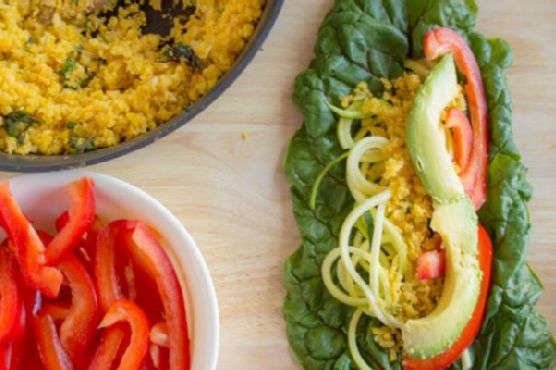
    8. To assemble the wraps, place a large leaf flat down. Add a bit of sautéed cauliflower, zucchini noodles, red pepper, and avocado along the swiss chard stalk. Drizzle a bit of vinaigrette on top of the vegetables and wrap everything up.
    9. Enjoy these wraps as a side to your favorite protein! Feel free to dip these wraps in more sauce.

    Pro Tips from Meaghan’s Kitchen

    • When selecting swiss chard, look for vibrant, crisp leaves with no signs of wilting.
    • If your swiss chard leaves are too stiff, blanch them quickly in boiling water for 20 seconds to make them more pliable.
    • To prevent your wraps from falling apart, don’t overfill them. Less is more!
    • For a smoother dressing, use a high-powered blender to combine the tahini, lemon juice, and cayenne pepper.
    • Try adding a splash of rice vinegar to the dressing for an extra tangy twist.

    Variations & Dietary Swaps

    • Vegetarian Swap: Replace the feta cheese with a vegan cheese or omit it altogether for a fully plant-based meal.
    • Spice-It-Up Version: Add a teaspoon of sriracha to the tahini dressing for an extra kick.
    • Kids-Friendly Version: Skip the cayenne pepper in the dressing and add a touch of honey for a sweeter flavor.

    What to Serve With It

    Pair these Mediterranean Swiss Chard Wraps with a chilled glass of Sauvignon Blanc or a side of tabbouleh salad. The light citrus notes in the wine complement the spicy citrus tahini dressing, while the tabbouleh adds a refreshing, herby contrast.

    Storage & Meal Prep

    These wraps are best consumed when they are freshly made. However, if you have leftovers, refrigerate them in an airtight container for up to two days. To reheat, unwrap the fillings and warm them in a pan before reassembling. If freezing, store the fillings separately and thaw in the fridge overnight before use.

    FAQ

    Can I use a different type of leaf for the wraps?

    Absolutely! Collard greens or large lettuce leaves can be a great alternative to swiss chard.

    How can I make these wraps more filling?

    Consider adding grilled chicken or chickpeas for added protein and satiety.

    Is there a substitute for tahini in the dressing?

    If you don’t have tahini, you can use almond butter or sunflower seed butter for a similar creamy texture.

    Can I make the dressing in advance?

    Yes, the dressing can be made up to three days in advance. Store it in the fridge in a sealed jar and shake well before using.

    What if I don’t have a food processor?

    You can finely chop the cauliflower by hand or use a box grater to achieve a similar rice-like texture.

    Final Thoughts

    These Mediterranean Swiss Chard Wraps with Spicy Citrus Tahini are a delightful way to savor the vibrant flavors of the Mediterranean right in your kitchen. I hope you enjoy making and eating them as much as I do. Please share your creations and any twists you add in the comments below. Let’s keep the conversation and inspiration flowing! Happy cooking!

    Related update: Mediterranean Swiss Chard Wraps with Spicy Citrus Tahini

  • Gourmet Turkey Burgers with Roasted Red Pepper and Feta | Made by Meaghan Moineau

    Gourmet Turkey Burgers with Roasted Red Pepper and Feta | Made by Meaghan Moineau

    Gourmet Turkey Burgers with Roasted Red Pepper and Feta

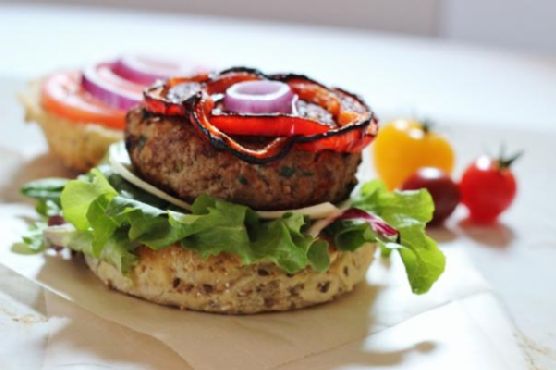
    The warm sizzle of turkey burgers hitting a hot pan, a hint of tangy feta cheese mingling with the fresh aroma of mint, and the smoky allure of roasted red pepper relish – this is not your average cookout fare. Welcome to a Mediterranean-inspired flavor journey that will transform your typical burger night into a gourmet dining experience.

    Personal Story

    Growing up, turkey burgers were a weeknight staple in our home. My mom, ever the culinary magician, would whip them up with whatever we had on hand. It was always a delicious surprise to bite into the latest creation. One summer evening, after a particularly adventurous attempt involving pineapple and a questionable spice mix, I decided it was time to craft my own signature turkey burger recipe.

    Fast forward a few years to a bustling Saturday morning at the local farmer’s market. As I browsed the vibrant stalls, the aroma of freshly roasted red peppers drew me in. That’s when inspiration struck. Why not combine the savory goodness of turkey with the zesty kick of feta and the aromatic freshness of mint? The result was nothing short of extraordinary.

    My first attempt at these gourmet turkey burgers was during a backyard gathering with friends. As the burgers sizzled on the grill, guests began to gather, drawn by the intoxicating smell. The roasted red pepper relish added a layer of depth, complimenting the juicy, herb-infused turkey patties perfectly. It was a hit, and I knew this recipe was a keeper.

    Now, this recipe has become my go-to when I want to impress or simply indulge in something a bit more sophisticated than your average burger night. It’s a dish that carries memories of family dinners and farmer’s market discoveries – a true testament to the beauty of elevating the everyday.

    What Makes This Version Special

    What sets these gourmet turkey burgers apart is the incorporation of **tangy feta cheese** and a hint of **fresh mint**. These ingredients elevate the flavor profile of traditional turkey burgers, transforming them into a Mediterranean delight. Add a rich, smoky **roasted red pepper relish**, and you’ve got a dish that’s bursting with complexity and flavor.

    Most turkey burger recipes stick to the basics, but this version dares to be different. The feta cheese adds a creamy tang that perfectly complements the lean ground turkey, while the fresh mint introduces a delightful contrast of brightness and flavor. The roasted red pepper relish, with its deep, smoky notes, ties everything together, creating a burger that’s anything but ordinary.

    Flavor Profile

    Prepare yourself for a taste sensation with these gourmet turkey burgers. The savory turkey, combined with the **tanginess of feta** and the **freshness of mint**, creates a harmonious balance that delights the palate. As you bite into the juicy patty, the subtle **smokiness from the roasted red pepper relish** adds a layer of depth, making each mouthful a truly memorable experience. It’s a dish that dances between savory, zesty, and slightly sweet – a perfect melody of flavors.

    Ingredients

    • 1 lb lean extra ground turkey
    • 1/2 cup shredded carrots
    • 1 egg, beaten
    • 2 cloves garlic, minced
    • 3 green onions, finely chopped
    • 1/2 cup panko breadcrumbs
    • 1/2 cup crumbled **feta cheese**
    • 1/4 cup finely chopped **fresh mint leaves**
    • 1/2 cup grated zucchini
    • 1/4 cup spinach, chopped
    • 1 tbsp tomato paste
    • 1 tsp smoked paprika
    • Salt and pepper to taste
    • 2 large **red bell peppers**
    • Olive oil for spritzing
    • **Roasted red pepper relish**

    Instructions

    1. Begin by preparing the roasted red peppers. Char the skins of the red bell peppers directly over an open flame until blackened. This step adds a deeper smoky flavor that will penetrate the relish. Once charred, slice the peppers, remove the seeds, and spritz with olive oil. Roast in the oven at 425°F (220°C) for 20 minutes until they become tender and aromatic.
    2. In a large mixing bowl, combine the ground turkey, shredded carrots, egg, minced garlic, green onions, panko breadcrumbs, crumbled **feta cheese**, and chopped **fresh mint leaves**. Add grated zucchini, chopped spinach, tomato paste, and smoked paprika. Season with salt and pepper.
    3. Gently fold the mixture together, being careful not to overwork it. You want all ingredients to be well combined but not overly compacted to ensure juicy burgers.
    4. Divide the mixture into 4-6 equal portions and shape each into a round patty. Aim for uniform thickness to ensure even cooking.
    5. Preheat a grill or skillet to medium-high heat. Cook the patties for about 4-5 minutes per side, or until they reach an internal temperature of 165°F (74°C) and are golden-brown on the outside.
    6. As the burgers cook, prepare the roasted red pepper relish by chopping the roasted peppers and combining them with a drizzle of olive oil, salt, and pepper. The relish should be slightly chunky, adding texture to the burgers.
    7. Serve your gourmet turkey burgers topped with the smoky roasted red pepper relish, and enjoy the symphony of flavors.

    Pro Tips from Meaghan’s Kitchen

    • When forming the patties, create a small indentation in the center of each burger. This helps them cook more evenly and prevents them from puffing up in the middle.
    • If you’re short on time, prepare the roasted red pepper relish a day ahead. It allows the flavors to meld beautifully, enhancing the overall taste.
    • Consider using a combination of fresh herbs such as parsley or cilantro for an added layer of flavor complexity.
    • Make sure your grill or skillet is properly preheated before adding the patties. This ensures a good sear and locks in the juices.
    • For extra flavor, toast the burger buns on the grill for a quick minute before serving.

    Variations & Dietary Swaps

    • Vegetarian Version: Swap out the turkey for a hearty mix of chickpeas and quinoa. Add extra breadcrumbs to bind the mixture.
    • Spice-It-Up: Add a pinch of cayenne pepper or a dash of sriracha sauce to the burger mix for a spicy kick.
    • Kids-Friendly: Skip the mint and smoked paprika, and add a touch of mild cheddar cheese to make the burgers more appealing to younger taste buds.

    What to Serve With It

    Pair these gourmet turkey burgers with a chilled glass of Sauvignon Blanc to complement the tangy feta and fresh mint. For a classic side, serve with crispy sweet potato fries, which naturally balance the savory notes of the burger. A light side salad with a lemon vinaigrette also works beautifully to refresh the palate between bites.

    Storage & Meal Prep

    These turkey burgers are perfect for meal prep. Once cooked, allow the patties to cool completely before storing them in an airtight container in the refrigerator for up to 3 days. To freeze, arrange the patties on a baking sheet lined with parchment paper and place them in the freezer until solid. Transfer to a freezer-safe bag or container and store for up to 3 months. Reheat in the oven at 350°F (175°C) until heated through, being careful not to dry them out.

    FAQ

    Can I use a different cheese instead of feta?

    Absolutely! Goat cheese or a mild blue cheese can make great substitutes, adding their own unique flavors to the mix.

    How can I make the burgers juicier?

    Incorporating ingredients like grated zucchini and carrots not only adds moisture but also boosts the nutritional profile of the burgers.

    What if I don’t have a grill?

    No problem! You can cook these burgers in a skillet on your stovetop. Just ensure it’s heated to medium-high for a good sear.

    Can I make the burgers ahead of time?

    Yes, you can prepare the patties and store them uncooked in the fridge for up to 24 hours. This makes it easy to simply cook them when you’re ready to eat.

    What’s the best way to reheat the burgers?

    For the best results, reheat the burgers in the oven to maintain their juiciness. Avoid microwaving as it can make them rubbery.

    Final Thoughts

    Embrace the flavors of the Mediterranean with these gourmet turkey burgers, a delightful dish that proves healthy eating doesn’t have to be boring. I hope you’ll give this recipe a try and make it your own. Whether you’re grilling for friends or enjoying a quiet night in, these burgers are sure to impress. I’d love to hear how yours turned out or any twists you added, so feel free to drop a comment or share your photos. Happy cooking!

    Related update: Gourmet Turkey Burgers with Roasted Red Pepper and Feta

    Related update: Zesty Citrus-Herb Baked Chicken Wings with Honey-Lime Glaze

  • Mediterranean Citrus-Infused Semolina Cake with Spiced Honey Nuts | Made by Meaghan Moineau

    Mediterranean Citrus-Infused Semolina Cake with Spiced Honey Nuts | Made by Meaghan Moineau

    Mediterranean Citrus-Infused Semolina Cake with Spiced Honey Nuts

    Picture this: A sunlit kitchen filled with the intoxicating aroma of citrus and spices, where a golden-brown cake cools on the counter, glistening with a glossy syrup that catches the light just so. This isn’t just any cake; it’s a Mediterranean Citrus-Infused Semolina Cake with Spiced Honey Nuts, a dessert that promises to transport your taste buds straight to a sun-drenched Mediterranean coast.

    Personal Story

    My love affair with semolina cake began on a spontaneous trip to a small Mediterranean village. I was wandering through a bustling food market, where the air was thick with the scent of fresh spices and citrus. A local vendor, with a warm smile and hands that moved with the grace of a seasoned cook, offered me a slice of what I’d later come to know as basbousa—a semolina cake soaked in syrup. It was love at first bite.

    The texture was unlike anything I’d ever tasted — dense yet tender, with a syrup that was both sweet and subtly spiced. I knew then that I had to bring a piece of this culinary magic back home. Of course, my first few attempts in my kitchen were far from perfect. There was a memorable mishap where I mistook salt for sugar, resulting in a cake that was, let’s say, uniquely inedible.

    But with each attempt, I learned something new. I started experimenting with flavors, wanting to incorporate my own twist on the classic. After many trials, I finally landed on a version that felt like me. My Mediterranean Citrus-Infused Semolina Cake with Spiced Honey Nuts was born, and with it, a little piece of my heart.

    Now, whenever I make this cake, I remember that sunlit market and the taste of adventure. It’s a reminder of how food can connect us to places and moments, and how a single slice of cake can hold a world of memories.

    What Makes This Version Special

    This is not your average semolina cake. The magic starts with the cake itself, which is infused with a fragrant blend of cardamom and rose water. These ingredients add a luxurious, aromatic depth that elevates the entire dessert. But the true star? The spiced honey nut syrup. Featuring a hint of cinnamon, it provides a warm, aromatic finish that complements the citrus-forward flavors perfectly.

    Unlike traditional versions, which can be overly sweet, this cake achieves a harmonious balance of flavors. The syrup is not just a sweetener but a complex layer of taste that brings out the best in the semolina’s nutty notes. Trust me, once you’ve had a taste of this version, there’s no going back to the standard recipe.

    Flavor Profile

    The flavor journey begins with a burst of citrus — a vibrant combination of lemon and orange zest that dances on your palate. As you savor each bite, the subtle floral notes of rose water emerge, adding an ethereal quality to the cake. Finally, the warm, spiced finish from the honey nut syrup, infused with a hint of cinnamon, wraps everything in a comforting embrace. It’s a taste experience that’s both refreshing and indulgent.

    Ingredients

    • 1 cup sugar
    • 4 eggs
    • 1 cup yoghurt
    • Zest of 1 lemon
    • Zest of 1 orange
    • 1 cup almond meal
    • 1 cup semolina
    • 2 teaspoons baking powder
    • 1/2 cup **olive oil**
    • 1 teaspoon **cardamom**
    • 1 teaspoon **rose water**
    • 1/2 cup almonds
    • 1/2 cup raisins
    • 1/2 cup dry cranberries
    • 1 cup **honey**
    • Juice of 1 orange
    • 1 **cinnamon stick**
    • 1/4 cup pistachios

    Instructions

    1. Preheat your oven to 180°C (160°C fan). Prepare a 20-23cm round baking tin by lining it with baking paper or using a silicone mold.
    2. In a small pan, heat the olive oil over low heat. Add the **cardamom** and allow it to bloom for about 2 minutes, stirring gently to release its aroma. Set aside to cool slightly.
    3. In a mixer, whisk the eggs and sugar until the mixture is thick and pale in color, about 5 minutes.
    4. Add the yoghurt, lemon zest, and orange zest to the egg mixture. Mix until well combined.
    5. Gradually add the almond meal, semolina, and baking powder. Mix on low speed until just combined.
    6. Incorporate the cardamom-infused olive oil and rose water into the batter. Mix until smooth.
    7. Pour the mixture into the prepared baking tin. Bake for 35 minutes or until the top is golden-brown and a skewer inserted into the center comes out clean.
    8. While the cake bakes, prepare the syrup: In a pot, combine the honey, orange juice, almonds, raisins, cranberries, and the **cinnamon stick**. Bring to a boil, then reduce to a simmer for 1-2 minutes to enhance the aroma.
    9. Remove the cake from the oven and pierce all over with a skewer. Pour the warm syrup evenly over the cake. Allow it to soak and cool slightly before serving.
    10. Garnish with pistachios just before serving for a touch of color and crunch.

    Pro Tips from Meaghan’s Kitchen

    • Use fresh citrus for zesting — it makes all the difference in flavor and aroma.
    • Blooming spices in oil intensifies their flavor, so don’t skip this step!
    • If your syrup is too thick, thin it with a tablespoon of water while simmering.
    • For a moist cake, ensure your yoghurt is at room temperature before mixing.
    • Don’t overmix the batter once dry ingredients are added, to keep the cake tender.

    Variations & Dietary Swaps

    • Gluten-free version: Substitute semolina with gluten-free flour blend and ensure all other ingredients are certified gluten-free.
    • Vegan option: Replace eggs with a flaxseed mixture (1 tablespoon flaxseed meal + 2.5 tablespoons water per egg) and yoghurt with coconut yoghurt.
    • Spice-it-up version: Add a pinch of saffron to the syrup for an extra layer of flavor complexity.

    What to Serve With It

    This Mediterranean Citrus-Infused Semolina Cake pairs beautifully with a cup of freshly brewed mint tea, enhancing the cake’s aromatic notes. If you’re feeling a bit more indulgent, a glass of sweet dessert wine like Moscato complements the citrus and honey flavors exquisitely. For a complete Mediterranean experience, consider serving it alongside a platter of fresh fruits and nuts.

    Storage & Meal Prep

    To store, wrap the cake tightly in plastic wrap and keep it in the fridge for up to 5 days. For longer storage, slice the cake and freeze the pieces in an airtight container for up to 2 months. To reheat, thaw the slices in the fridge overnight and warm in a low oven for a few minutes or enjoy at room temperature.

    FAQ

    Can I make the cake ahead of time?

    Absolutely! This cake actually tastes better the next day as the flavors meld together. Make it a day ahead and store it in the fridge.

    What other nuts can I use?

    If you don’t have almonds or pistachios, walnuts or pecans are great alternatives. They add a wonderful texture and flavor.

    Can I use bottled lemon and orange juice?

    Fresh is best for zest and juice in this recipe, as it provides the most vibrant flavor. But in a pinch, bottled can work for the syrup component.

    How do I know when the syrup is ready?

    You’ll know it’s ready when it has thickened slightly and coats the back of a spoon. The aroma should also be warm and spiced from the cinnamon.

    What if my cake turns out dry?

    If the cake seems dry, it might have been overbaked. Ensure it’s only baked until a skewer comes out clean. Adding more syrup can help salvage moisture.

    Final Thoughts

    There you have it, my dear baking companions — a cake that’s not just a dessert but a journey through flavors and memories. I hope you enjoy making and eating this Mediterranean Citrus-Infused Semolina Cake with Spiced Honey Nuts as much as I do. If you give it a try, I’d love to hear how it turns out or any personal twists you add. Please share your thoughts in the comments, or better yet, snap a picture and tag me in your delicious creations. Happy baking!

    Related update: Mediterranean Citrus-Infused Semolina Cake with Spiced Honey Nuts

    Related update: Decadent Dark Chocolate Raspberry S’mores Bars with Salted Caramel Drizzle

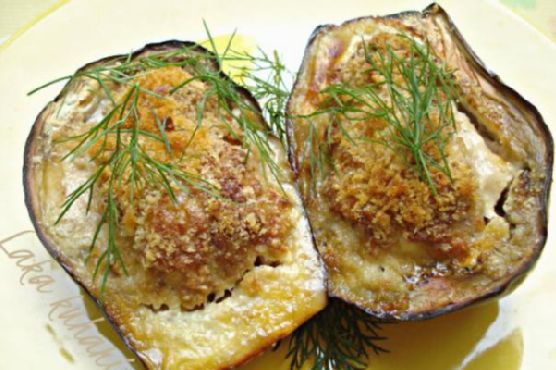
  • Sumptuous Mediterranean Moussaka with Pistachio-Crusted Eggplants | Made by Meaghan Moineau

    Sumptuous Mediterranean Moussaka with Pistachio-Crusted Eggplants

    Imagine the scent of roasted eggplant mingling with the warm, spicy aroma of cinnamon and nutmeg. The sizzle of sautéing onions and garlic fills the air, drawing you into the kitchen where a Mediterranean feast is unfolding. This isn’t just any moussaka — it’s a Sumptuous Mediterranean Moussaka with Pistachio-Crusted Eggplants, and it’s about to redefine your culinary expectations.

    Personal Story

    My love affair with moussaka began on a sun-soaked trip to Crete, where the vibrant flavors and hospitable locals made every meal an unforgettable experience. One evening, nestled in a cozy taverna overlooking the Aegean Sea, I was served a slice of moussaka that stopped time. The layers of eggplant, rich meat sauce, and creamy béchamel were perfectly balanced, each bite a harmonious dance of flavors.

    Back home, I was determined to recreate that magical dish. My first few attempts were less than stellar, resulting in soggy eggplant and bland béchamel. But with persistence and a few creative twists, I found a version that not only captured the essence of that Cretan evening but elevated it in unexpected ways.

    One day, while rummaging through my pantry, I stumbled upon a bag of pistachios. A light bulb moment occurred — why not add a nutty crust to the eggplant layers? The result was a delightful crunch that contrasted beautifully with the creamy béchamel. My family, who had been my patient taste-testers, were unanimous in their verdict: this was the best moussaka yet.

    And so, the Sumptuous Mediterranean Moussaka with Pistachio-Crusted Eggplants was born, a dish that now holds a special place in my kitchen and heart. It’s a testament to the power of experimentation and the joy of bringing a taste of the Mediterranean home.

    What Makes This Version Special

    This version of moussaka stands out with its unique pistachio-crusted eggplant layers. The crunch of the pistachios adds a delightful texture that transforms the dish from ordinary to extraordinary. Meanwhile, the béchamel sauce is infused with a hint of lemon zest, offering a refreshing lift that brightens the rich, hearty flavors. These tweaks not only elevate the classic moussaka but also provide a new dimension to every bite.

    Flavor Profile

    The Sumptuous Mediterranean Moussaka with Pistachio-Crusted Eggplants is a feast for the senses. Imagine the rich and hearty flavors of a traditional moussaka, now enhanced by a zesty, nutty undertone. The pistachio crust adds a satisfying crunch that complements the savory meat sauce, while the lemon-infused béchamel provides a light, aromatic finish. It’s a symphony of textures and tastes, with each layer bringing something special to the table.

    Ingredients

    • 4 medium-sized eggplants, cut into 1/4 inch slices
    • **1 cup pistachios, finely chopped**
    • 2 tablespoons olive oil
    • 1 teaspoon sea salt
    • 1 tablespoon butter
    • 1/4 cup flour
    • 2 cups warm milk
    • **Zest of 1 lemon**
    • 1/4 cup fresh mint leaves, chopped
    • 3 egg yolks
    • 1/2 teaspoon ground nutmeg
    • 1 pound lean beef
    • 1 onion, finely chopped
    • 2 cloves garlic, minced
    • 1/2 teaspoon ground cinnamon
    • 1/2 teaspoon ground allspice
    • 1/2 teaspoon white salt
    • 1/2 teaspoon ground pepper
    • 1 can (14 oz) tomatoes, crushed
    • 2 tablespoons tomato paste
    • 1 cup feta cheese, crumbled
    • 1 cup bread crumbs

    Instructions

    1. Sprinkle the eggplant slices with sea salt and let them stand for 45 minutes to draw out excess moisture. Rinse thoroughly and pat dry.
    2. Preheat your oven to 180°C (350°F). Coat each eggplant slice with olive oil and dip them into the **finely chopped pistachios**. Arrange on a baking sheet and bake until golden-brown, about 15 minutes per side. Set aside.
    3. In a large skillet, heat olive oil over medium heat. Sauté the onions until soft, about 5 minutes. Add garlic and cook for another minute.
    4. Add the ground beef, breaking it into small pieces as it cooks. Once browned, stir in the crushed tomatoes, cinnamon, allspice, white salt, and ground pepper. Simmer on low heat for about 10 minutes. Mix in the tomato paste and adjust consistency with a little water if needed. Set aside.
    5. For the béchamel, melt butter in a saucepan over medium heat. Add flour and stir constantly until it forms a smooth paste. Gradually whisk in warm milk, bringing it to a gentle boil. Remove from heat and season with ground nutmeg. Whisk in the egg yolks vigorously until smooth. Stir in the **lemon zest** and fresh mint.
    6. Lightly oil a suitable ovenproof baking dish and sprinkle the base with bread crumbs. Layer with pistachio-crusted eggplants, some meat sauce, and crumbled feta cheese. Repeat these layers until the dish is nearly full, finishing with a layer of feta.
    7. Top everything with the lemon-mint béchamel sauce. Cover with foil and bake in the preheated oven for 1 hour.
    8. Remove the foil and let the moussaka set at room temperature for about 45 minutes before serving. This helps the layers to firm up and blend their flavors beautifully.

    Pro Tips from Meaghan’s Kitchen

    • For an even crunchier pistachio crust, toast the pistachios lightly in a dry pan before chopping.
    • Letting the eggplant sit with salt not only removes bitterness but also makes them absorb less oil during baking.
    • Don’t skip the resting time after baking; it’s crucial for achieving neat, well-defined layers when you cut into the moussaka.
    • To save time, make the meat sauce a day ahead. It allows the flavors to meld and makes your kitchen work more manageable.
    • If you prefer a thicker béchamel, simply add a bit more flour to your roux and adjust the milk accordingly.

    Variations & Dietary Swaps

    • Vegetarian Swap: Replace the beef with a mixture of mushrooms and lentils for a hearty vegetarian option.
    • Spice-It-Up Version: Add a teaspoon of crushed red pepper flakes to the meat sauce for a bit of heat.
    • Kids-Friendly Version: Substitute the eggplant with zucchini to make it more appealing to younger palates.

    What to Serve With It

    This Sumptuous Mediterranean Moussaka pairs wonderfully with a glass of chilled Sauvignon Blanc, whose crisp acidity complements the richness of the dish. For a side, consider a classic Greek salad with olives, cucumbers, and a sprinkle of feta cheese to keep the Mediterranean theme going.

    Storage & Meal Prep

    For leftovers, store the moussaka in an airtight container in the fridge for up to four days. It also freezes exceptionally well; just wrap tightly in foil and place in a freezer-safe container for up to two months. Reheat in the oven at 180°C (350°F) until heated through. This dish is perfect for meal prep, as it often tastes even better the next day!

    FAQ

    Can I make this moussaka ahead of time?

    Yes, you can! Prepare the moussaka up to the baking step, cover it, and refrigerate for up to 24 hours. When you’re ready to bake, simply add an extra 10-15 minutes to the cooking time.

    What is the best way to chop pistachios?

    For a fine chop, use a food processor, pulsing a few times until you reach the desired consistency. Be careful not to over-process, as you want small pieces, not a paste.

    How can I prevent the béchamel sauce from curdling?

    Always add the egg yolks off the heat and whisk vigorously. Slowly tempering the yolks with a bit of the hot milk before adding to the sauce can also help prevent curdling.

    What’s a good substitute for feta cheese?

    If you’re not a fan of feta, ricotta cheese can be a milder alternative, or you can use goat cheese for a slightly tangier flavor.

    Can I use pre-cooked meat for the sauce?

    Absolutely. If you have leftover cooked beef, simply crumble it into the sauce after sautéing the onions and garlic.

    Final Thoughts

    Creating this Sumptuous Mediterranean Moussaka with Pistachio-Crusted Eggplants is more than just making dinner; it’s an exploration of texture and flavor that brings the spirit of the Mediterranean into your home. I hope you’ll find as much joy in making and sharing this dish as I do. If you give it a try, please leave a comment or share your version on social media. Happy cooking, my friends!

    Related update: Sumptuous Mediterranean Moussaka with Pistachio-Crusted Eggplants

    Related update: Gourmet Turkey Burgers with Roasted Red Pepper and Feta

  • Mediterranean semolina cake | Made by Meaghan Moineau

    Mediterranean semolina cake | Made by Meaghan Moineau

    Mediterranean Semolina Cake

    There’s something magical about family recipes passed down through generations, and this Mediterranean semolina cake is no exception. I vividly remember the first time I tasted this cake at my grandmother’s sunny kitchen table. The sweet aroma of citrus and honey wafted through the room as she sliced into the tender cake, revealing a delightful medley of almonds and raisins. Each bite was a little piece of sunshine, and I felt instantly connected to my roots. Today, I’m thrilled to share this cherished recipe with you, hoping it brings as much joy to your table as it has to mine.

    Why You’ll Love It

    This Mediterranean semolina cake is a delightful blend of flavors and textures that are sure to win you over. Here’s why you’ll love it:

    • Unique Texture: Made with semolina and almond meal, this cake has a wonderfully unique, slightly coarse texture that is both moist and tender.
    • Rich Flavor: The combination of citrus zest, olive oil, and honey syrup creates a rich, aromatic flavor profile that’s distinctly Mediterranean.
    • Nutritious Ingredients: With wholesome ingredients like almonds, yoghurt, and olive oil, this cake is a healthier alternative to many traditional desserts.
    • Versatile and Adaptable: Whether you’re serving it as a dessert, a teatime treat, or even for breakfast, this cake is versatile enough to suit any occasion.
    • Easy to Make: This recipe is straightforward and perfect for bakers of all skill levels.

    Ingredients

    • 1 cup sugar
    • 3 large eggs
    • 1 cup plain yoghurt
    • Zest of 1 lemon
    • Zest of 1 orange
    • 1 cup almond meal
    • 1 cup semolina
    • 2 teaspoons baking powder
    • 1/2 cup olive oil
    • 1/4 cup almonds, roughly chopped
    • 1/4 cup raisins
    • 1/4 cup dry cranberries
    • 1/2 cup honey
    • Juice of 1 orange

    Instructions

    1. Preheat your oven to 180°C (160°C fan) and line a 20-23cm round baking tin with baking paper, or use a silicone mold.
    2. In a mixer, whisk the eggs and sugar together until the mixture is thick and pale in color.
    3. Add the yoghurt, lemon zest, and orange zest to the egg mixture. Mix until well combined.
    4. Gradually add the almond meal, semolina, and baking powder to the wet ingredients. Mix until just combined.
    5. Slowly incorporate the olive oil into the batter, mixing until smooth.
    6. Pour the batter into the prepared baking tin and smooth the top with a spatula.
    7. Bake in the preheated oven for 35 minutes, or until a skewer inserted into the center of the cake comes out clean.
    8. While the cake is baking, prepare the syrup by adding the chopped almonds, raisins, cranberries, honey, and orange juice to a pot. Bring to a boil and cook for 1-2 minutes.
    9. Remove the cake from the oven and pierce it all over with a skewer.
    10. Pour the prepared syrup evenly over the warm cake. Allow it to soak in and cool slightly before serving.

    Tips

    • Measure Carefully: Precise measurements ensure the perfect texture. Use a kitchen scale if possible.
    • Room Temperature Ingredients: Make sure your eggs and yoghurt are at room temperature for a smoother batter.
    • Don’t Overmix: Mix the ingredients until just combined to avoid a dense cake.
    • Cooling Time: Allow the cake to cool slightly before slicing to ensure it holds together well.

    Variations & Substitutions

    • Nuts: Substitute walnuts or pistachios for almonds for a different flavor.
    • Dried Fruits: Use chopped dried apricots or figs instead of raisins and cranberries.
    • Citrus: Swap lime zest for lemon for a different citrus note.
    • Gluten-Free: Ensure your semolina and baking powder are certified gluten-free for a gluten-free version.

    Storage

    This cake can be stored in an airtight container at room temperature for up to 3 days. For longer storage, wrap the cake tightly in plastic wrap and keep it in the refrigerator for up to a week. You can also freeze the cake for up to 3 months. To enjoy, thaw it overnight in the refrigerator or at room temperature.

    FAQ

    Can I make this cake ahead of time?

    Absolutely! This cake can be made a day in advance and stored in an airtight container. In fact, the flavors often develop and improve overnight.

    What can I serve with this cake?

    This cake pairs beautifully with a dollop of whipped cream or a scoop of vanilla ice cream. A cup of strong coffee or tea also complements its flavors perfectly.

    Is this cake suitable for special diets?

    With its wholesome ingredients, this cake can be adapted for gluten-free diets if you use certified gluten-free semolina. It is also naturally dairy-free if you substitute the yoghurt with a plant-based alternative.

    Nutrition

    This Mediterranean semolina cake offers a balance of nutrients. It’s rich in healthy fats from the olive oil and almonds, provides protein from the eggs and yoghurt, and contains natural sugars from the honey and dried fruits. While it is a sweet treat, its wholesome ingredients make it a better-for-you dessert option.

    Final Thoughts

    Baking this Mediterranean semolina cake is like taking a journey to sun-drenched coasts, where each ingredient tells a story of tradition and love. Whether you’re enjoying it with your morning coffee, serving it at a family gathering, or gifting it to a friend, this cake is sure to become a beloved favorite. I hope this recipe brings warmth and sweetness to your kitchen, just as it has to mine. Happy baking!

    Related update: Mediterranean semolina cake

    Related update: Chocolate and Szechuan Peppercorn Brownies