Savory Vegetarian Scotch Eggs with Herb-Infused Panko and Spicy Sriracha Aioli
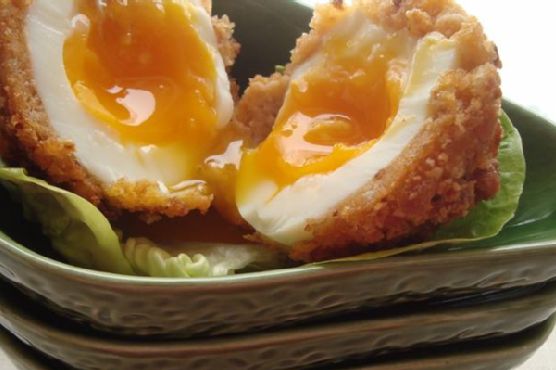
Imagine biting into a perfectly crispy, golden-brown shell that reveals a soft, flavorful interior. The aroma of freshly chopped herbs mingles with the satisfying crunch of Panko, all elevated by a spicy, creamy Sriracha aioli. This is not just any scotch egg; it’s a culinary experience that dances on your palate and leaves you craving more.
Personal Story
Ah, the humble scotch egg. For those who grew up in a British household, it’s more than just a picnic staple — it’s a cherished memory. I remember the first time I attempted to recreate this classic dish. My kitchen was a mess of flour and breadcrumbs, and my eggs were more hard-boiled than soft. Yet, I was determined to perfect it, driven by my love for this traditional delight.
One summer, during a family gathering at our cottage, I decided to surprise everyone with a batch of homemade scotch eggs. As the aroma filled the air, it was like a magnet pulling everyone into the kitchen. My grandmother, the original scotch egg master, watched with a knowing smile as I nervously plated my creation.
She took a bite and paused — time seemed to slow. Then, with a twinkle in her eye, she nodded in approval. That moment was like a warm hug, affirming my culinary journey. Since then, I’ve experimented with flavors and techniques, mixing tradition with innovation, to create a version that feels both nostalgic and new.
And now, I’m sharing that delicious evolution with you. This savory vegetarian scotch egg, with its herb-infused Panko and spicy Sriracha aioli, is not just a recipe; it’s a story of family, perseverance, and a love for food that transcends generations.
What Makes This Version Special
This version of the scotch egg isn’t your standard pub fare. First, we swap out the traditional sausage meat for a vegetarian-friendly option that’s just as satisfying. But the real twist comes with the **herb-infused Panko breadcrumbs**, which add an extra layer of crunch and a fragrant, herbaceous note that elevates the entire dish. Each bite is a perfect balance of textures and flavors, thanks to the combination of fresh chives and flat-leaf parsley.
To add some heat and depth, I’ve paired these scotch eggs with a **spicy Sriracha aioli**. This tangy, creamy sauce complements the crispy coating and soft egg center beautifully. The subtle heat of the Sriracha is mellowed by the creamy mayonnaise and brightened with a splash of lemon juice, creating a sauce that you’ll want to drizzle on everything.
Flavor Profile
Imagine the first crisp bite into the golden Panko coating, seasoned with a hint of smoked paprika that adds a subtle smokiness. The freshness of the chives and parsley cuts through, offering a bright, herbaceous contrast to the rich, creamy egg yolk. As you dip into the Sriracha aioli, the heat gently builds, adding a spicy kick that lingers just long enough to make you reach for another bite. It’s a symphony of flavors — crispy, creamy, spicy, and utterly satisfying.
Ingredients
- 4 medium eggs, plus 1 egg, whisked
- **1 cup Panko breadcrumbs**
- **1 teaspoon smoked paprika**
- **1 tablespoon Sriracha**
- **1/2 cup mayonnaise**
- **1 teaspoon lemon juice**
- 1 fresh dessert spoon of chives, finely chopped
- 1 fresh dessert spoon of flat-leaf parsley, finely chopped
- 1 cup fresh breadcrumbs
- Black salt and pepper, to taste
- Vegetable oil, for frying
Instructions
- Preheat your oven to 325°F (170°C). Prepare an ice bath for cooling your eggs later.
- Place the 4 eggs in a pan and cover them completely with cold water. Bring to a boil, then reduce the heat and simmer for 4 minutes. Immediately transfer them to the ice bath to cool.
- Once cooled, carefully peel the eggs and set them aside.
- In a small bowl, whisk together the remaining egg and set aside.
- In a separate bowl, combine the fresh breadcrumbs, chopped chives, and parsley. Season with black salt and pepper.
- For the Panko coating, mix the **Panko breadcrumbs** with the **smoked paprika** until evenly distributed.
- Gently roll each peeled egg in flour, then dip in the whisked egg, and finally coat them in the herb mixture, pressing gently to adhere.
- In a large frying pan, heat the vegetable oil to a depth of about 2 inches (5 cm). The oil should be hot but not smoking.
- Fry the breadcrumb-coated eggs until golden-brown, turning occasionally to ensure even cooking, for about 2-3 minutes.
- Using a slotted spoon, remove the eggs from the oil, allowing any excess to drain, and place them in an ovenproof dish.
- Transfer the dish to the oven and heat through for an additional 3-4 minutes.
- While the eggs are finishing in the oven, prepare the Sriracha aioli by mixing **Sriracha**, **mayonnaise**, and **lemon juice** in a small bowl. Stir until smooth and creamy.
- Serve the scotch eggs warm with a generous drizzle of the spicy Sriracha aioli.
Pro Tips from Meaghan’s Kitchen
- For perfectly soft-boiled eggs, use a timer. Even an extra minute can change the texture dramatically.
- If you’re worried about the breadcrumbs sticking, lightly dust the eggs with flour before dipping them in the egg wash — it acts as a binder.
- To prevent the oil from overheating, use a thermometer to maintain the temperature around 350°F (175°C).
- Don’t overcrowd the pan while frying. Fry in batches if necessary to maintain the oil temperature and ensure even cooking.
- Letting the eggs rest on a wire rack after frying helps keep them crispy as any excess oil drains away.
Variations & Dietary Swaps
- Vegetarian Swap: Use a plant-based egg alternative for the coating and aioli to make this dish completely vegan.
- Spice-it-Up Version: Add a teaspoon of cayenne pepper to the Panko mix for an extra kick.
- Kids-Friendly Version: Replace Sriracha with ketchup in the aioli for a milder, kid-friendly dipping sauce.
What to Serve With It
These savory vegetarian scotch eggs pair beautifully with a crisp, cold lager, which complements the spice and richness perfectly. For a refreshing side, try a simple cucumber salad tossed with lemon juice and dill. The cool, crunchy cucumbers provide a delightful contrast to the warm, crispy eggs.
Storage & Meal Prep
Store any leftover scotch eggs in an airtight container in the refrigerator for up to 3 days. To reheat, place them in a preheated oven at 350°F (175°C) for about 10 minutes until heated through. Avoid microwaving, as this can make the coating soggy.
If you want to freeze them, allow the cooked scotch eggs to cool completely, then wrap each one individually in plastic wrap before placing them in a freezer-safe bag. They can be frozen for up to 1 month. To reheat, thaw in the refrigerator overnight and follow the oven reheating instructions.
FAQ
Can I make these scotch eggs ahead of time?
Yes, you can prepare the eggs up to the frying step and refrigerate them. When you’re ready to serve, simply fry and bake them as instructed.
What can I use instead of Panko breadcrumbs?
If Panko isn’t available, you can use regular breadcrumbs, though they won’t be as crunchy. Alternatively, crushed cornflakes can also work for extra texture.
How do I prevent the eggs from overcooking during frying?
Ensure your oil is at the right temperature — not too hot. Frying at a steady 350°F (175°C) will brown the coating quickly without overcooking the egg inside.
Is there a way to make these gluten-free?
Absolutely! Use gluten-free breadcrumbs and flour to make this dish suitable for a gluten-free diet.
Can I use this recipe with meat?
Of course! If you prefer a traditional scotch egg, you can replace the herb mixture with ground pork or sausage meat seasoned with herbs and spices.
Final Thoughts
These savory vegetarian scotch eggs with herb-infused Panko and spicy Sriracha aioli are a delightful twist on a classic British favorite. I hope this recipe brings you as much joy and deliciousness as it has brought to my family. As always, I love to hear your thoughts and see your creations, so feel free to leave a comment or share your photos. Happy cooking, and may your kitchen be filled with warmth and wonderful aromas!
Related update: Savory Vegetarian Scotch Eggs with Herb-Infused Panko and Spicy Sriracha Aioli